© Moira Hammes
What's the hype about chia water?
January 26, 2026
Moira Hammes
Chia seeds are considered one of the most well-known superfoods and have long been established in many kitchens. But what is really behind the hype – and can chia water actually help with weight loss? This health check provides answers.
Chia seeds are considered one of the most well-known superfoods and have long been established in many kitchens. But what's really behind the hype - and can chia water actually help with weight loss? This health check provides answers.
The small seeds, about two millimeters in size, come from the plant Salvia hispanica, which is originally native to Central and South America. Today it is also cultivated in Asia and Australia. The name "Chia" can be translated as "strong" or "oily" - an initial hint at the seeds' high-fat content.
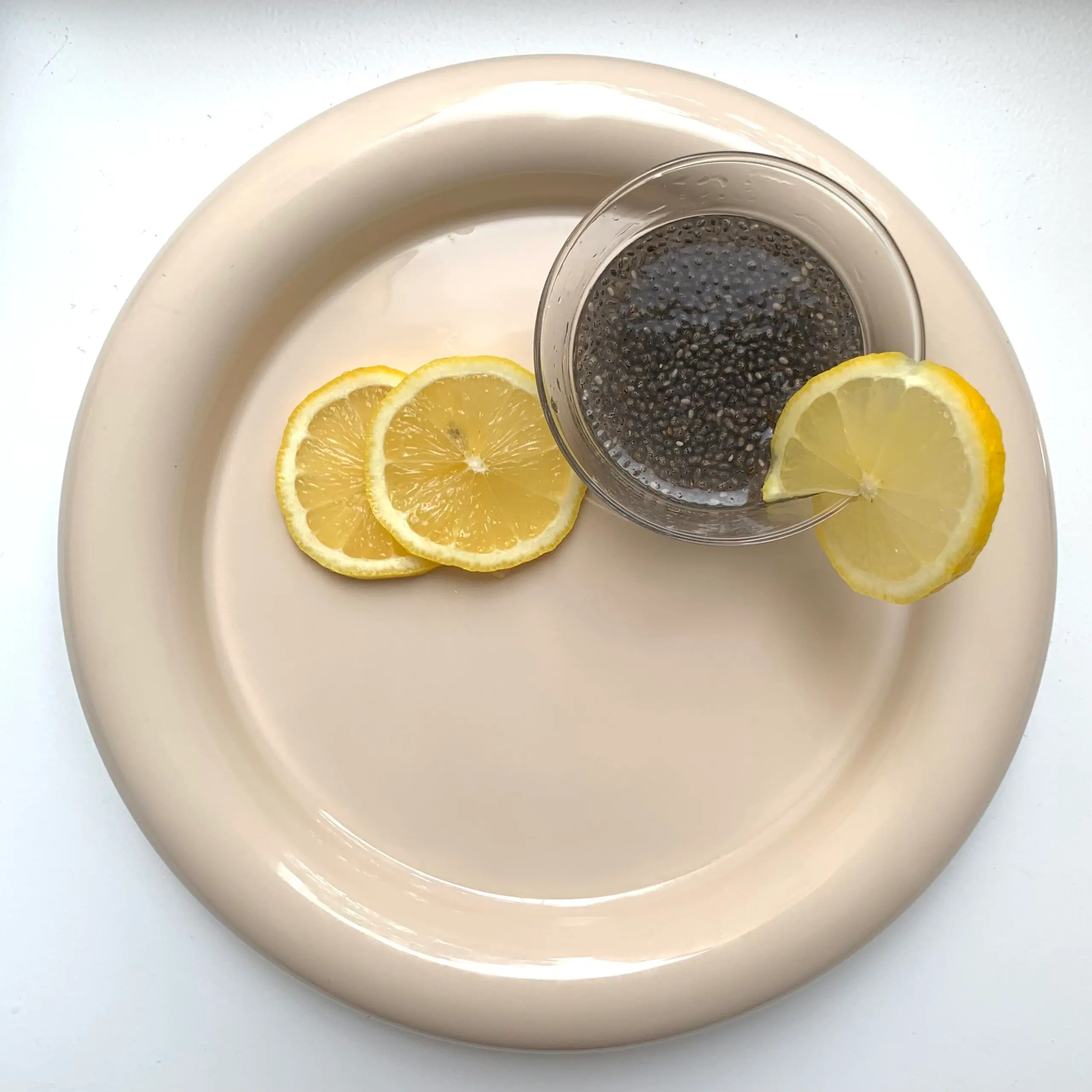
Chia water is a simple way to incorporate chia seeds into everyday life. As the seeds can absorb up to 27 times their weight in water, a gel-like liquid forms after a short soaking period. This so-called chia gel is often attributed with satiating and weight-reducing properties.
Basic recipe chia water: Add 1–2 teaspoons of chia seeds to a glass of water (approx. 250 ml), stir, and let swell for at least 10–15 minutes – done.
Chia water doesn't have to be boring. It can be enhanced in flavor with just a few ingredients:
Chia lemon water: Stir chia seeds with freshly squeezed lemon juice and a teaspoon of honey into water. Refreshing and rich in vitamin C – especially popular as a morning drink.
Chia mint water: Pour some fresh mint leaves with chia seeds and water. Ideal as a low-calorie alternative to sweetened drinks.
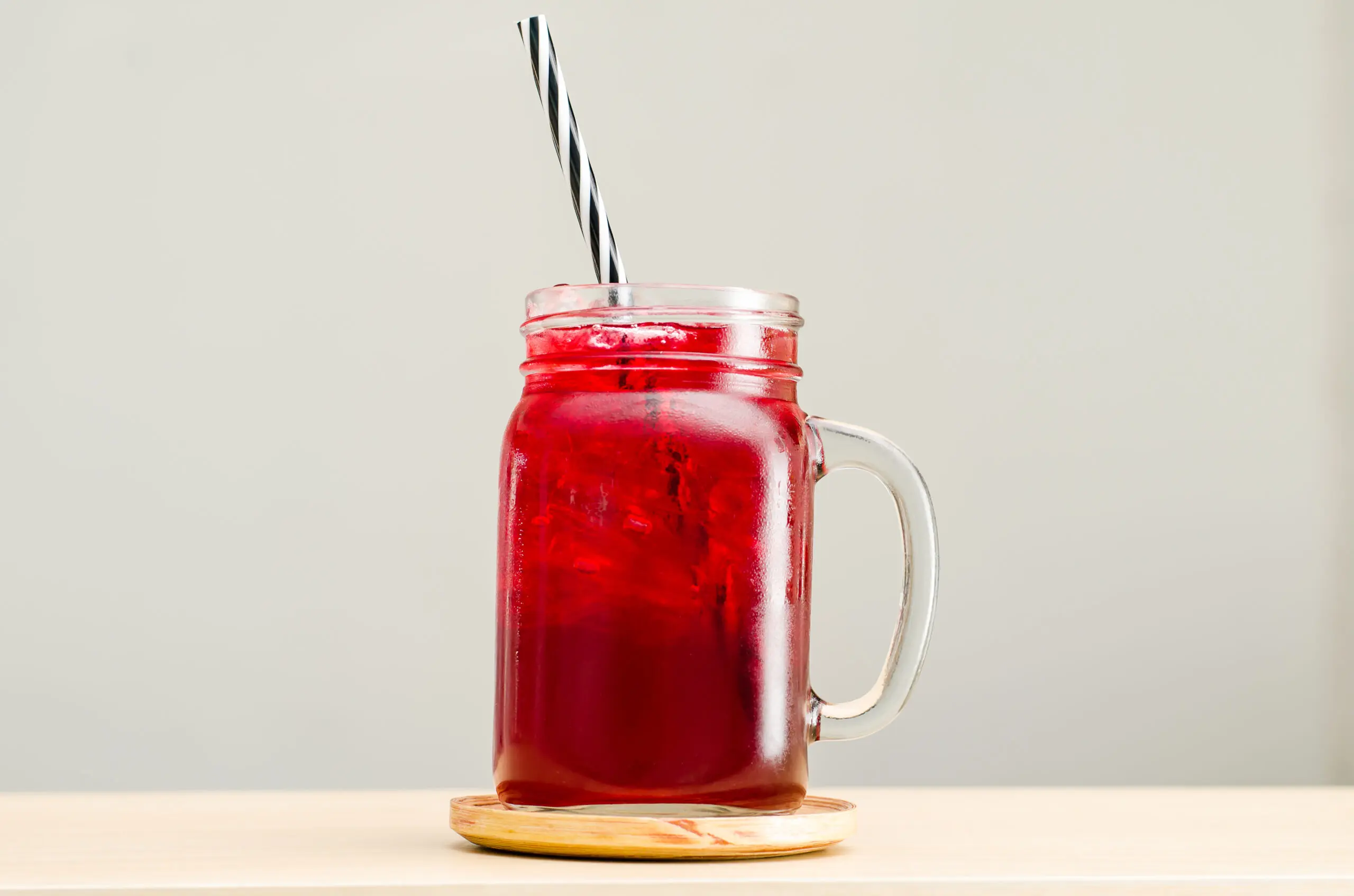
Chia berry water: Mix chia seeds with a dash of berry juice (e.g., pomegranate or blueberry). Rich in antioxidants and slightly sweet.
Chia seeds impress with a dense nutrient composition. Dietary fiber makes up around 40% and, together with fats, forms the main component. Added to this are omega-3 fatty acids, proteins, minerals, vitamins, and antioxidants.
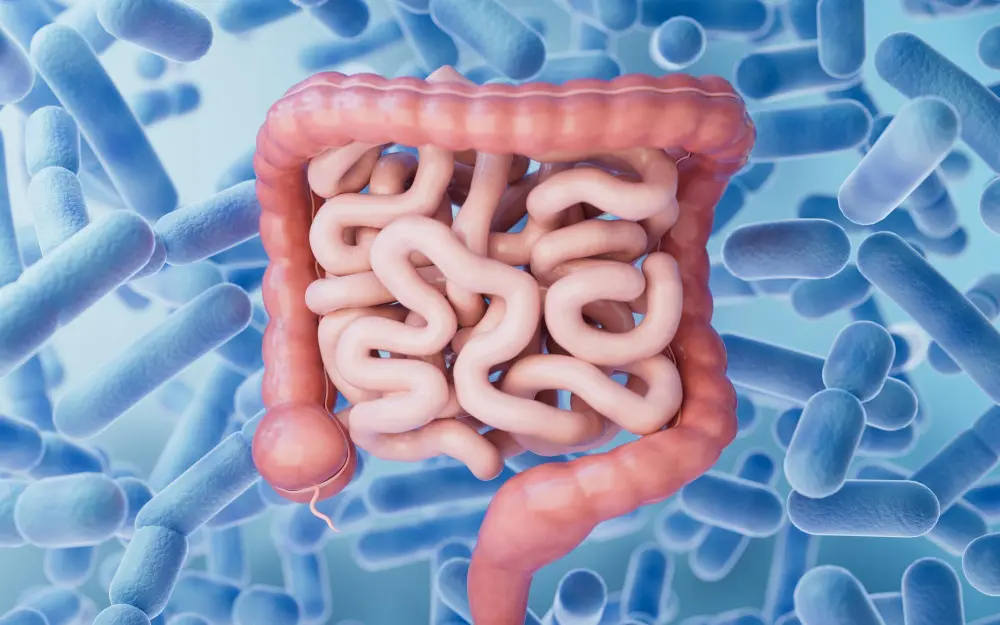
Dietary fibers are particularly relevant for gut health, as they are not digested by the body and can thus counteract constipation. Caution: If chia seeds are consumed with too little liquid, they can clump together and slow down digestion—so always drink enough.
The research on chia seeds is promising but not yet conclusive:
A study in the Journal of Strength and Conditioning Research (2011) examined the effect of chia seeds on endurance performance and body weight and found no significant differences compared to a control group. For a definitive statement on weight reduction, robust long-term studies are lacking.
A study published in Nutrition Research (2009), however, showed that the consumption of chia seeds can increase satiety and reduce blood sugar spikes after meals in overweight adults in the short term.
Regarding cardiovascular health, there are initial indications: A review in the Journal of Food Science and Technology (2016) summarized that the omega-3 fatty acids and antioxidants in chia seeds could potentially have anti-inflammatory effects and positively influence blood lipid levels.
Conclusion of the studies: The current findings are encouraging, but chia seeds are not a scientifically proven miracle cure. Long-term studies with large participant groups are still pending.
The antioxidants contained in chia seeds protect the body from oxidative stress and free radicals. They may have a protective effect on the cardiovascular system, are associated with anti-cancer properties, and are also said to have a regulatory effect on high blood pressure.
Swollen chia seeds can prolong the feeling of satiety, which may support weight reduction .. However, due to their high fat content, chia seeds are not a low-calorie food – 100 grams provide around 480 kilocalories. As there are no long-term studies on the health effects of chia seeds, their effectiveness for weight loss cannot be confirmed according to current knowledge.
The Federal Center for Nutrition recommends limiting daily intake to a maximum of 15 grams of chia seeds. Interactions may occur when taking blood-thinning medications – in this case, seek medical advice beforehand.
Chia seeds are a nutrient-rich food with potential health benefits – but not a miracle cure for weight loss. A cheaper and more sustainable alternative is flaxseeds (preferably ground), which have similar nutritional properties and are more environmentally friendly due to local cultivation.
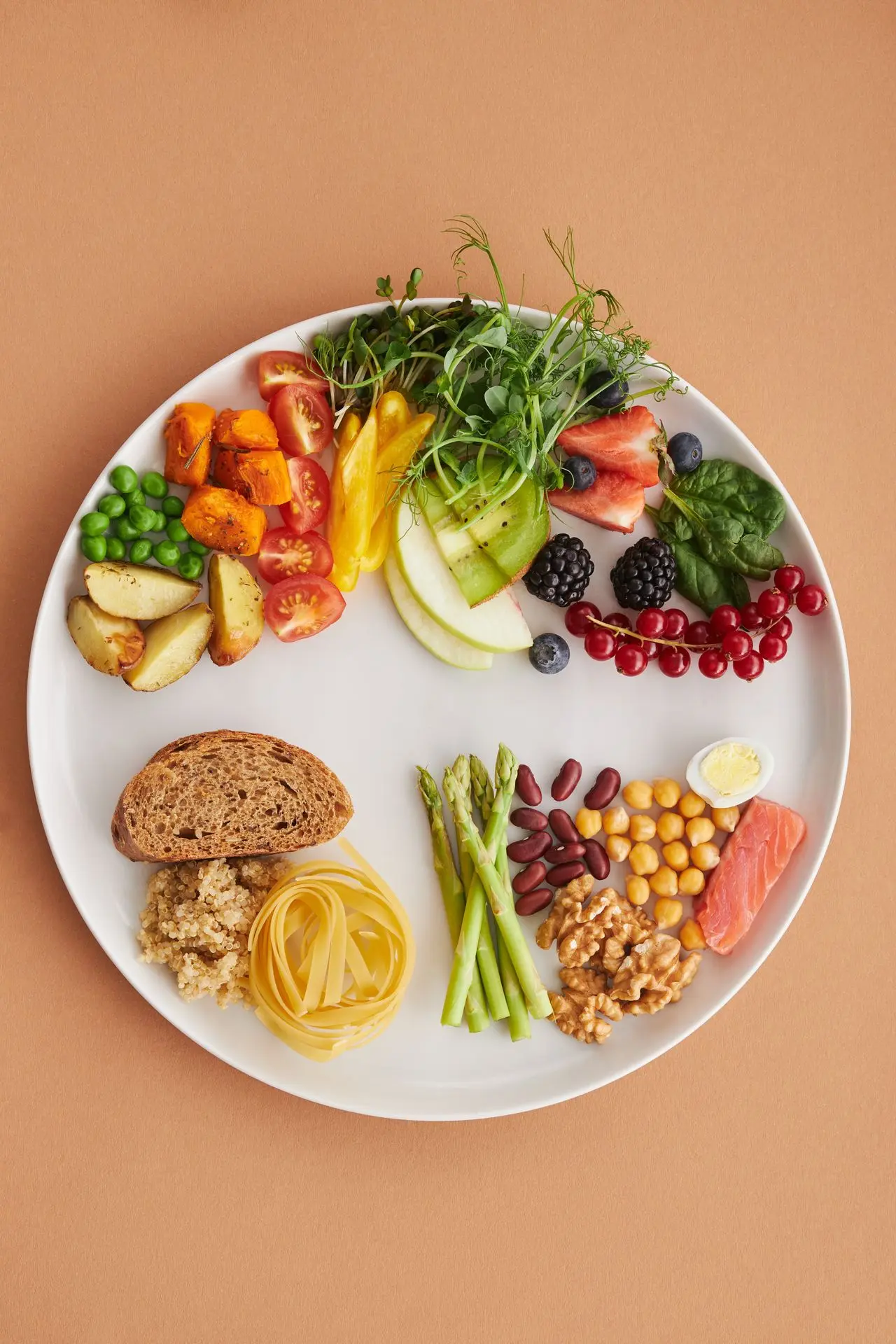
If you want to stay fit and healthy, you should continue to focus on a balanced diet and regular exercise – no superfood can replace that.
Many drink chia water on an empty stomach in the morning or before meals to increase the feeling of fullness. However, there is no solid scientific evidence for the optimal timing.
The Federal Center for Nutrition recommends a maximum of 15 grams of chia seeds daily, which is about one tablespoon. More is not necessarily better.
Yes, in the recommended amount, daily consumption is harmless for healthy adults. It is important to drink enough water so that the seeds can swell.
Since the seeds burst in water, nutrients may be absorbed better. However, a clear advantage over consuming whole seeds is not scientifically confirmed.
There are no specific recommendations for chia seeds for children. Generally, new foods should be introduced to children in small amounts and discussed with a pediatrician.
The term "detox" is not clearly defined scientifically. Chia seeds can promote digestion due to their high fiber content, which is generally perceived as cleansing – however, this does not imply a medical detoxifying effect.