© Ron Lach
May 20, 2026
Christine Bürg & Marianne Waldenfels
Why does our skin lose collagen with age? Dr. Lukas Kohler explains collagen stimulation, Sculptra, and the modern anti-aging treatments designed to restore firmer, healthier-looking skin

An interview with
Dr. med. Lukas H. Kohler
Collagen is considered one of the most important factors for firm, elastic skin and a youthful appearance. But what exactly is collagen? Why does our skin lose elasticity as we age? And what modern treatments can stimulate the body's own collagen production?
We discuss this with Dr. Lukas Kohler, a specialist in plastic-aesthetic surgery and founder of an institute specializing in minimally invasive facial treatments in Munich.
Dr. Lukas Kohler: Collagen is one of the most important structural proteins in our body. The term comes from ancient Greek and means something like “glue” – and that’s exactly how you can imagine collagen. It holds tissues together and provides stability, strength, and elasticity.
Collagen makes up about a quarter of our total protein content in the body and is found in skin, bones, tendons, cartilage, vessels, and even in teeth. For the skin, collagen is particularly important because it gives it elasticity and firmness.
The more collagen is present, the firmer and more elastic the skin appears. If the amount of collagen decreases, the skin loses firmness and the first wrinkles appear.
Dr. Lukas Kohler: Today, 28 different types of collagen are known. For the skin, collagen types I and III are particularly relevant. Especially collagen type I is responsible for firmness and tautness.
In aesthetic medicine, we therefore focus specifically on stimulating the body's own production of collagen type I.
Many believe that skin aging begins later. When does our skin actually lose collagen?
Dr. Lukas Kohler: In fact, collagen breakdown begins relatively early. Already from about the age of 25, the body loses about one percent collagen per year.
At first, this sounds dramatic, but it happens gradually over many years. Initially, it's hardly noticeable, but as we age, the skin's structure, elasticity, and volume change more and more.
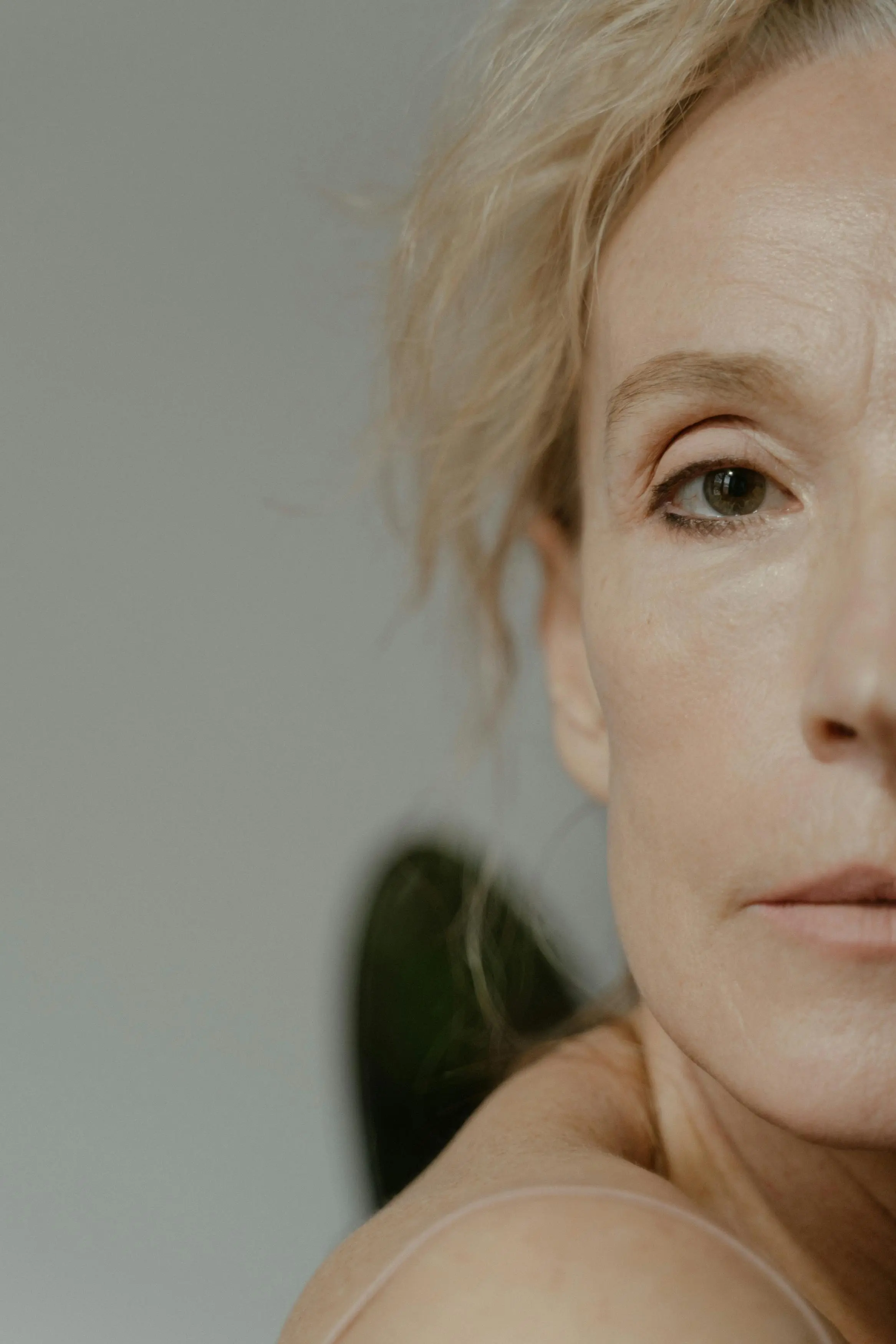
What exactly happens in the skin during the aging process?
Dr. Lukas Kohler: To understand this, you must skin divide into its three layers.
The outermost layer of skin, the epidermis, renews itself about every 25 days in youth. As we age, this process takes significantly longer.
This causes them to regenerate UV damage more slowly, the skin barrier becomes weaker, and the skin appears drier and more sensitive.
In the dermis – the second layer of skin – is where the majority of our collagen is found. This is also where the vessels that supply the skin with oxygen and nutrients are located.
With age, the amount of collagen decreases. This causes the skin to lose firmness, appear less rosy, and generally duller.
The subcutaneous tissue consists, among other things, of fat cells that provide volume and cushioning. These fat deposits decrease with age.
This results in typical signs of skin aging such as:
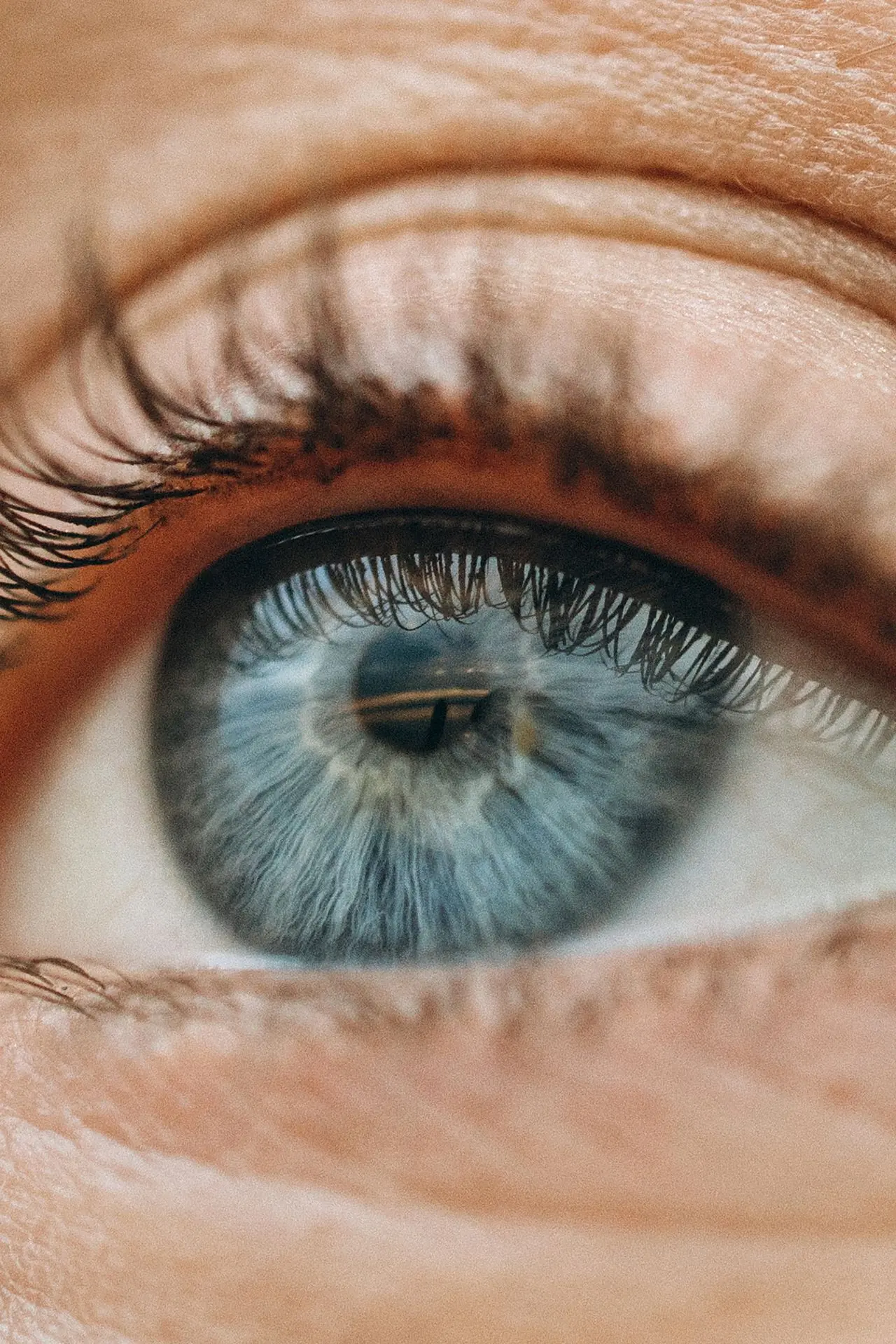
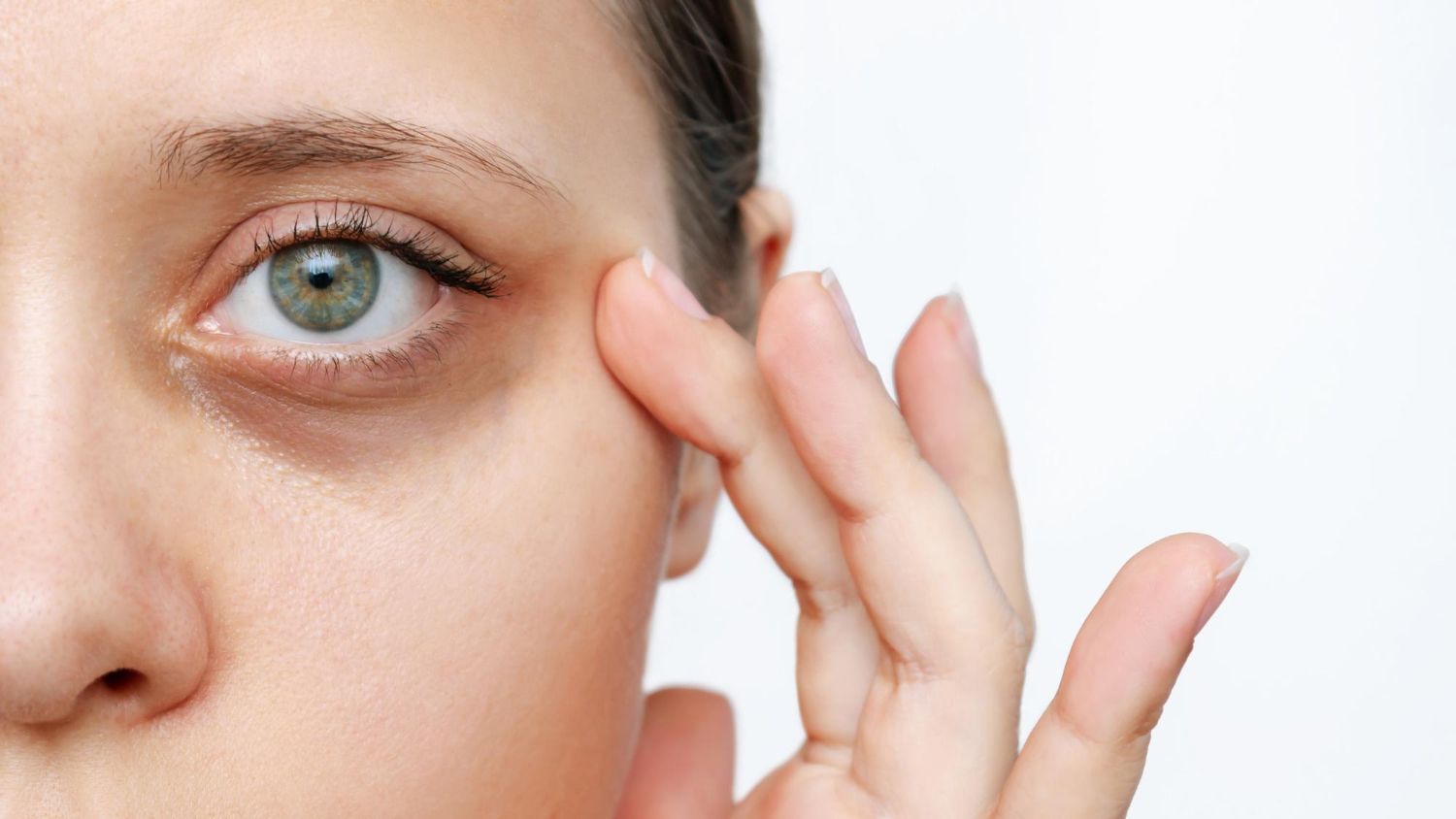
This process often becomes particularly visible first in the area around the eyes.
Dr. Lukas Kohler: We differentiate between intrinsic and extrinsic factors.
Intrinsic factors include genetic predisposition, hormonal changes, and ethnic differences.
Hormonal changes, in particular, play a major role. With the Menopause the estrogen level drops significantly – at the same time, the skin loses collagen massively.
Many women therefore suddenly notice a strong loss of firmness and volume after menopause.
We can influence the extrinsic factors. These include:
These factors promote oxidative stress and free radicals, which attack cell structures and accelerate skin aging. Therefore, the most important anti-aging factor remains consistent sun protection.
Dr. Lukas Kohler: Collagen provides firmness and stability. Hyaluronic acid, on the other hand, binds moisture. You could simply say: Collagen keeps the skin firm, Hyaluron provides hydration and moisture.
Many people take collagen supplements. How sensible is that from a medical perspective?
Dr. Lukas Kohler: This is an exciting topic. Basically, there is evidence that high-quality collagen can have positive effects – especially in the orthopedic field.
However, there is currently a lack of clear scientific evidence for visible skin rejuvenation. Nevertheless, I personally believe that high-quality products – especially marine collagen – could have a positive effect.
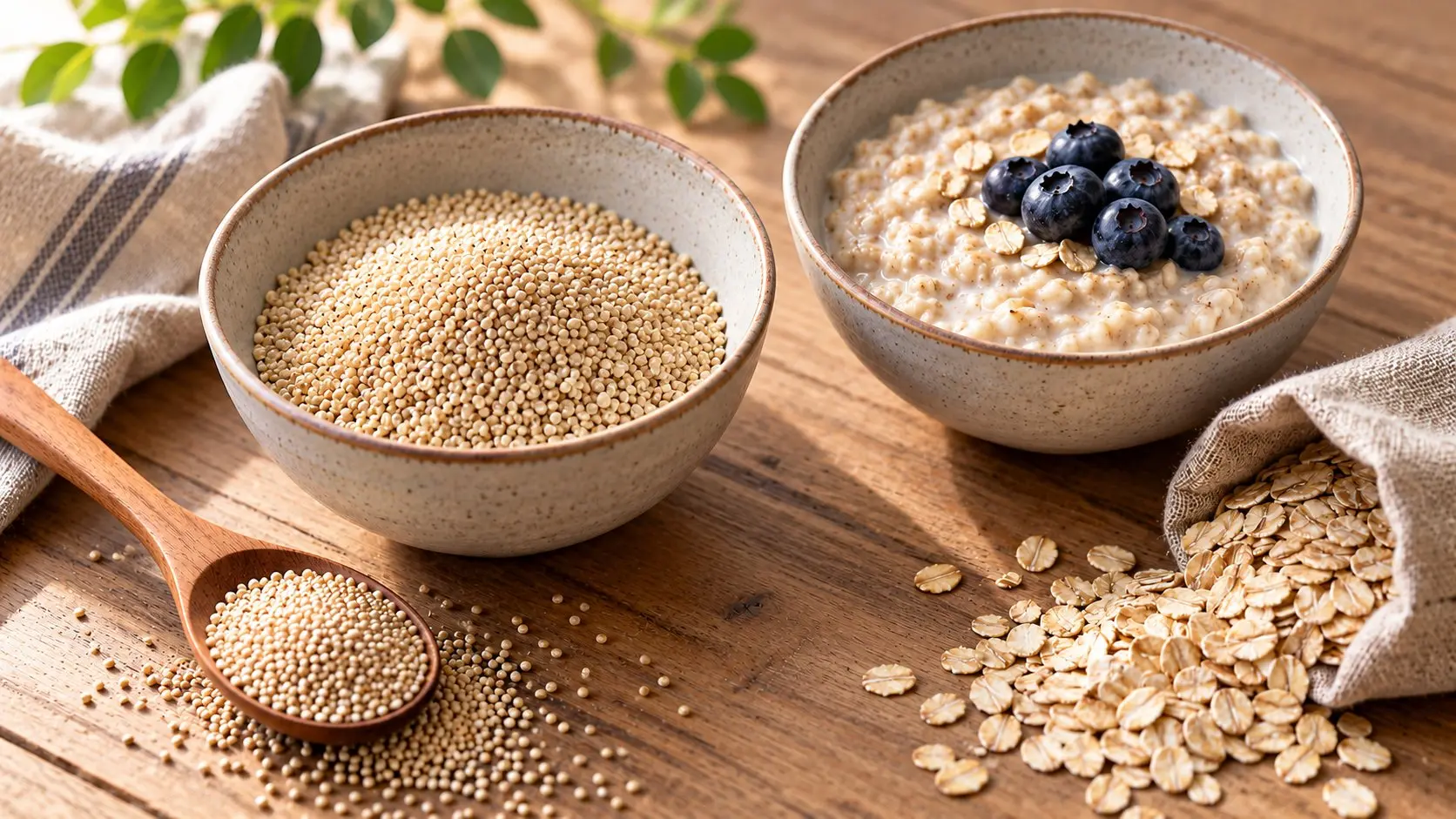
It is also important: A vegan or vegetarian diet can also support the body's own collagen production.
Foods with amino acids, antioxidants, zinc, or copper promote natural collagen synthesis. These include, for example:
Dr. Lukas Kohler: We work exclusively minimally invasive and focus specifically on collagen stimulation.
One option is Sculptra – a so-called biostimulator based on poly-L-lactic acid. We specifically set a stimulus under the skin that activates the body's own collagen production.
I often explain it as a kind of 'face alarm' under the skin. The treatment activates fibroblasts, which are fiber-producing cells that build new collagen. This gradually creates more firmness and natural volume.
Particularly suitable for the treatment are:
The effect develops over several months and looks particularly natural.
Another method is the combination of microneedling and radiofrequency.
Fine needles create microscopically small injuries in the skin. At the same time, heat energy is delivered to deeper skin layers.
This mechanical and thermal stimulation also stimulates collagen production and improves skin texture, elasticity, and firmness.
How many sessions are usually necessary?
Generally, we recommend two to three treatments in the first year. Sessions are usually spaced about six weeks apart, as collagen synthesis takes about 42 days. After that, a refresh every two years is often sufficient.
The big advantage is: We stimulate the body's own collagen. As a result, the outcomes are long-lasting and very natural.
Dr. Lukas Kohler: The treatments are minimally invasive and very well tolerated with modern anesthetic creams. Naturally, you feel the treatment slightly, but with the right technique, the applications can be performed with very little pain.
I have not had a single patient who had to discontinue a treatment.
Collagen is essential for firm, elastic, and youthful-looking skin. The natural breakdown of collagen begins early, but it can be specifically slowed down by a healthy lifestyle, UV protection, and modern collagen-stimulating treatments.
Minimally invasive procedures such as Sculptra or radiofrequency microneedling rely on a natural approach: they stimulate the body's own collagen production and provide long-term increased firmness and fresher skin.