© Adobe Stock
May 13, 2026
Christine Bürg & Marianne Waldenfels
Natural results instead of exaggerated trends: Dr. Juliane Bodo on fat transfer, breast implants, social media, and the new era of modern breast surgery

An interview with
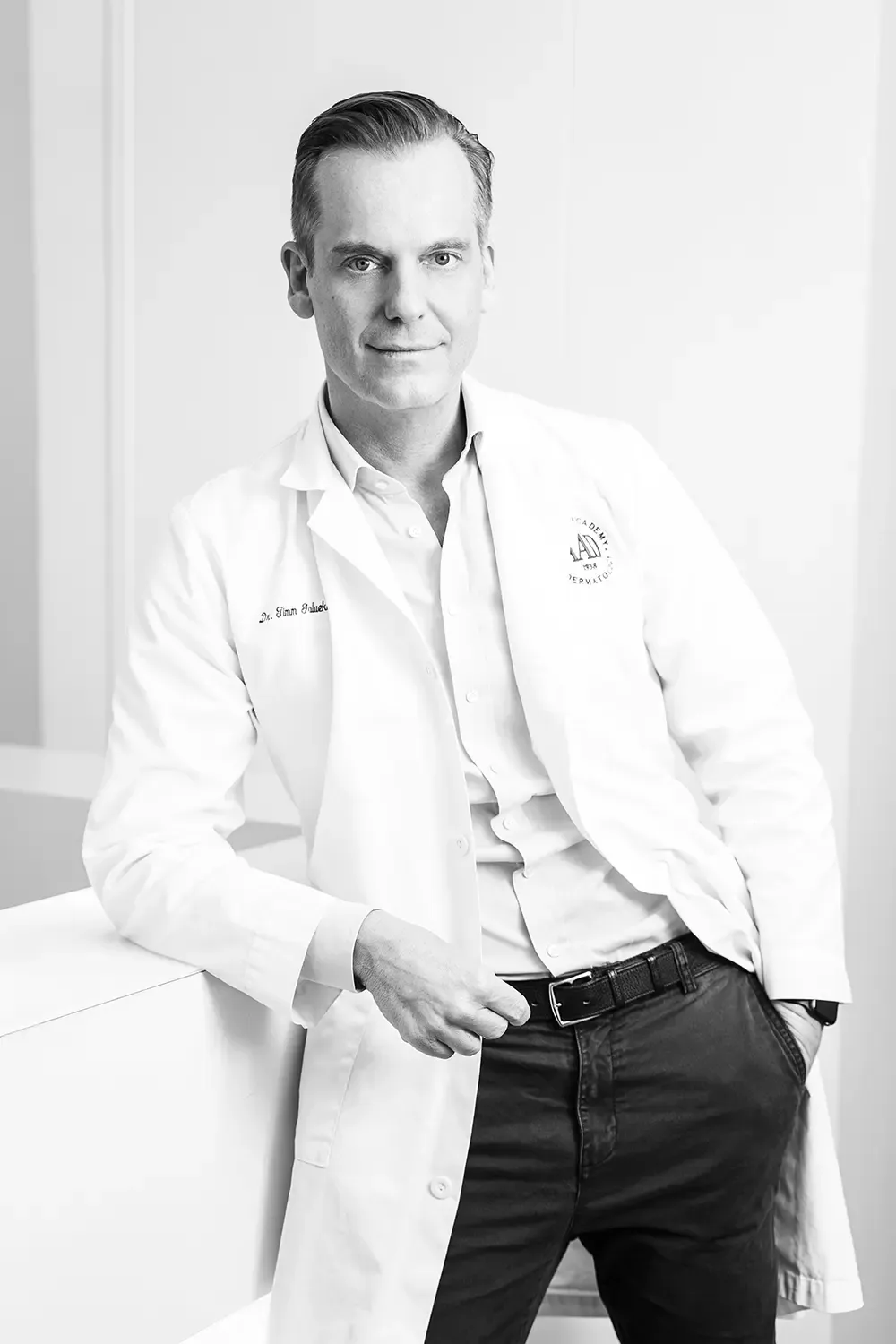
Dr. med. Juliane Bodo
Natural proportions instead of exaggerated beauty ideals, own fat instead of foreign bodies, and a new, self-determined body feeling: Modern breast surgery is in transition. More and more women desire aesthetic proceduresthat do not stand out but match their own personality.
In an interview, Dr. Juliane Bodo, a specialist in plastic and aesthetic surgery, explains why the trend is clearly towards naturalness today, what modern breast augmentations and lifts offer, and what influence social media has on the beauty ideal of many women.
Dr. Bodo, you say about yourself that you do not practice cosmetic surgery and are not a “Beauty Doc,” but a specialist in plastic and aesthetic surgery. What does that mean specifically?
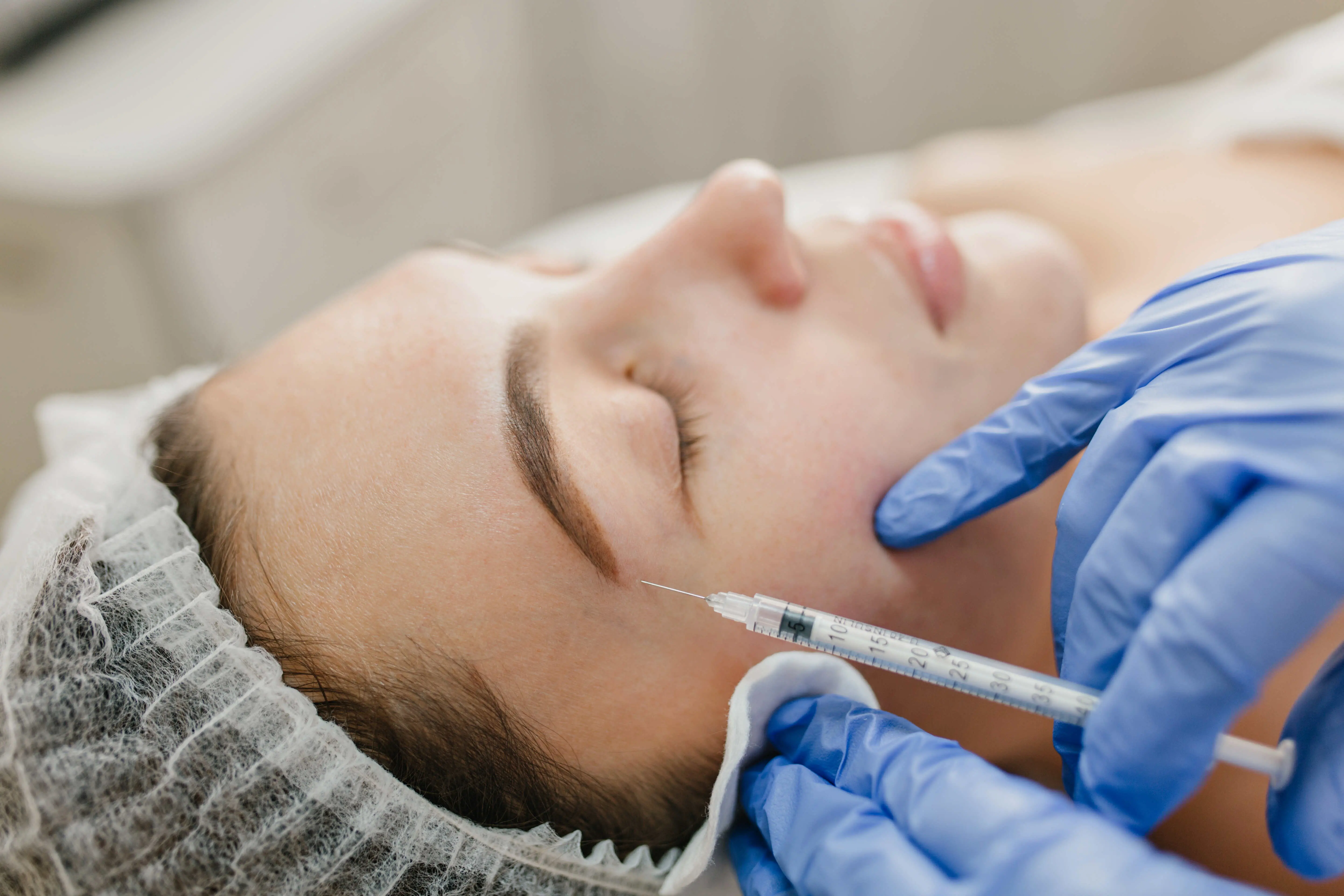
The term “Beauty Doc” comes a bit from the social media era. There are now many doctors who have studied medicine but do not complete full specialist training and directly start with treatments like Botox or fillers. This may still work for smaller procedures – but for operations, it eventually becomes problematic.
Therefore, we consciously differentiate ourselves as specialists in plastic and aesthetic surgery. After medical school, there is another six years of specialist training, and it usually takes several more years before one can operate safely in aesthetics. This solid training is, in my view, the foundation for good and safe results.
Breast surgeries are also subject to trends. What is currently in particular demand?
Definitely more natural shapes and sizes. Large, very conspicuous implants are still desired, but overall the trend is clearly returning to smaller and more naturally appearing breasts.
In the past, many implants were around 350 milliliters or more. Today, we are more around 300 milliliters or even less. This development can also be seen internationally: In the USA, for the first time, more breast reductions than augmentations are being performed.
Does this trend also mean: fewer implants and more fat?
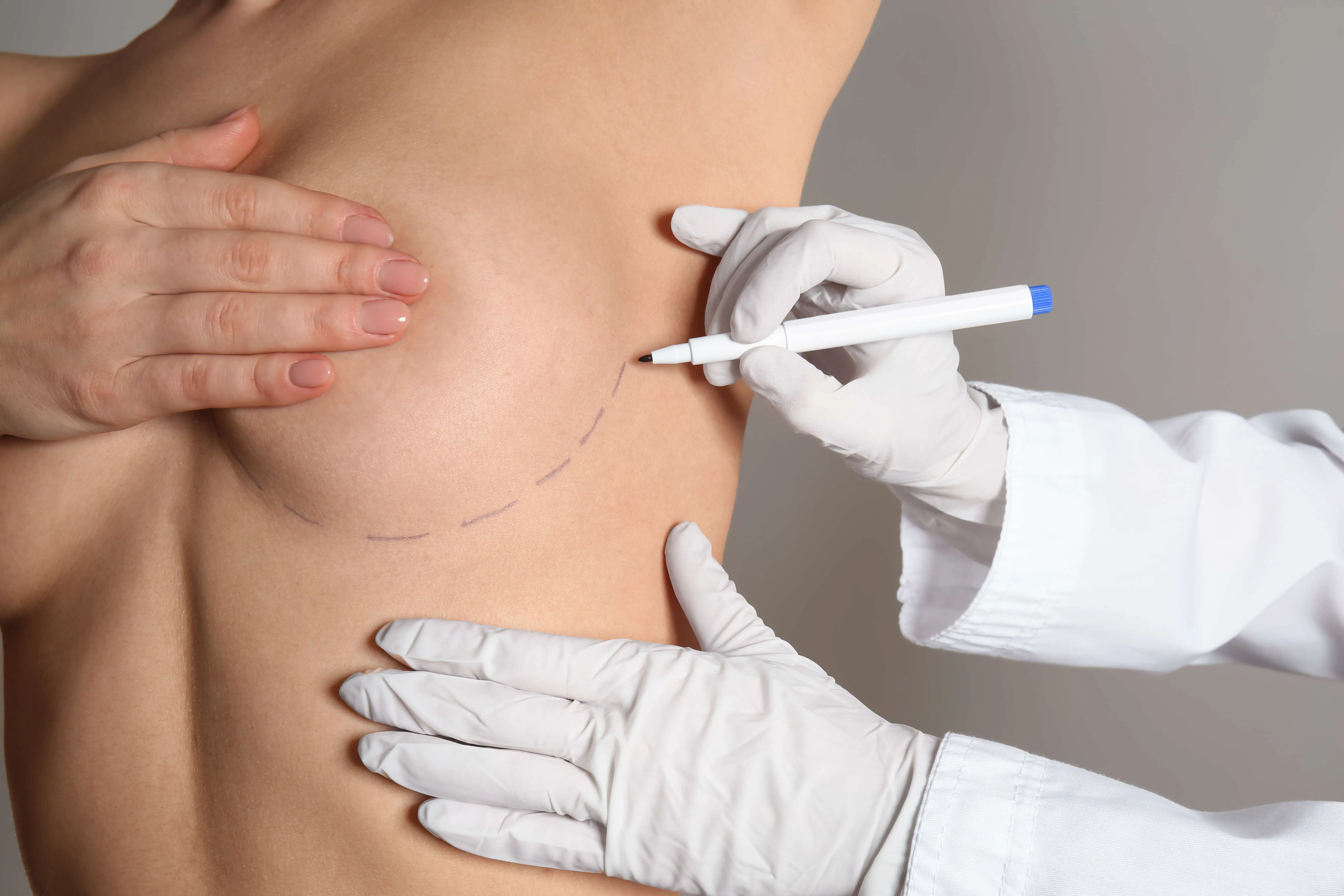
Yes, especially younger women want to avoid foreign bodies as much as possible. Fat is a very good alternative for this. However, with one session, you can usually only achieve about half to a maximum of one cup size. For larger changes, two or three procedures are often necessary.
In addition, you naturally need enough of your own fat. Very slim women often do not have enough reserves for breast augmentation with their own fat.
How does such a procedure work?
In the so-called autologous fat transfer, fat is first suctioned off - for example from the abdomen or thighs. The fat is then specially processed, cleaned, and sterilized before being introduced into the breast with fine cannulas.
The Fat cells are alive. If they are well supplied with blood, they grow permanently. However, some of the fat is always broken down by the body again. Therefore, the result is never one hundred percent predictable and rather moderate.
How long does such a procedure take and how long is the downtime?
Breast reconstruction with autologous fat is usually uncomplicated. The breast itself often hurts little—more like muscle soreness or slight bruising. The donor sites are usually more noticeable than the breast.
Many patients can walk around again the next day or—even if they work from home—already sit at the computer again. After four to five days, a normal routine is often possible again.
There are also methods like fillers or ultrasound for breast lifting. What do you think about that?
Many Fillers, which were used earlier, have since been taken off the market because they caused severe complications. Therefore, implants or autologous fat remain the most sensible methods for augmentation.
For lifting, there are procedures with radiofrequency or thread lifting. These can achieve small improvements, such as with slight asymmetries or minimal skin sagging. However, they do not replace surgery for a real breast lift.
Are there women who want to reverse their breast augmentation?
Yes, that happens more often. Some people simply say after ten or twenty years: "I don't need this anymore." Others have complaints or want a smaller, more natural breast again.
Interestingly, the skin often retracts surprisingly well after the implants are removed, so additional tightening is not always necessary.
How long do implants actually last?
If there are no complaints, modern implants do not have to be automatically replaced today. Today's implants are made of a highly cross-linked silicone gel – you can think of it a bit like a gummy bear. Even if an implant is damaged, the material usually does not leak out.
However, if an ultrasound reveals that an implant is broken, it should be removed or replaced.
Are there different implants for different types of women?
Yes, very many. There are round implants, anatomical or teardrop-shaped implants, ergonomic models, and also particularly lightweight implants.
They differ in shape, width, projection, and weight. Which variant fits best is always discussed individually and tested together.
What should one imagine a consultation to be like?
We work classically with special inserts and bras so that patients can get a feel for the desired size in front of the mirror.
Additionally, we use a digital simulation tool, with which different shapes and sizes can be displayed directly on the screen. This helps many women to better imagine the final result.
How old are your patients?
That actually varies a lot—from early 20s to over 80. Recently, we even had an 80-year-old patient who wanted to replace her old implants.
However, most patients are between 20 and 40. On one hand, young women who naturally have very little breast tissue. On the other hand, women after pregnancy and breastfeeding, where the breasts have lost volume or have sagged.
Especially breast lifts—often combined with augmentation—now make up a large part of our procedures.
Does breast surgery often also have a psychological effect?
Yes, absolutely. Many women really suffer when they no longer feel comfortable after pregnancies or body changes. It's often not just about 'looking better,' but about femininity, self-confidence, and one's own body image.
Many deliberately say: "I am doing this for myself now."
Do you feel the influence of Instagram and TikTok?
Definitely. Social media is both a curse and a blessing. On one hand, you can get good information, on the other hand, much is presented in a very simplified way: before-and-after pictures, quick transformations, perfect results.
Many forget that heavily edited images are often shown there. Especially young women sometimes develop unrealistic expectations as a result.
We actually experience very young patients who, in their early 20s, believe they already need a facelift. As a doctor, you naturally have to set clear boundaries and sometimes say: This is not medically sensible.
In conclusion: What is behind the so-called Rapid Recovery method?
It is about patients recovering faster after surgery and being able to return to their everyday lives quickly.
We work with special surgical techniques, where muscles are spared as much as possible. In addition, painkillers are specifically injected at certain nerve exit points immediately after the operation.
As a result, many patients have significantly less pain and can move normally again more quickly. Intense exercise should be avoided initially, but normal everyday life is often possible again very soon.