Natural Ozempic: What These GLP-1 Supplements Can — and Can’t — Do
Berberine, saffron, psyllium, and green tea extract are promoted as natural GLP-1 boosters. What studies say about weight loss, appetite, and metabolic health.
“Natural Ozempic” has become one of the biggest nutrition trends on TikTok and Instagram. Supplements containing berberine, saffron, or psyllium are marketed as natural GLP-1 boosters that can supposedly support weight loss — similar to Ozempic or Wegovy. But the medical reality is far less dramatic.
What GLP-1 Does in the Body
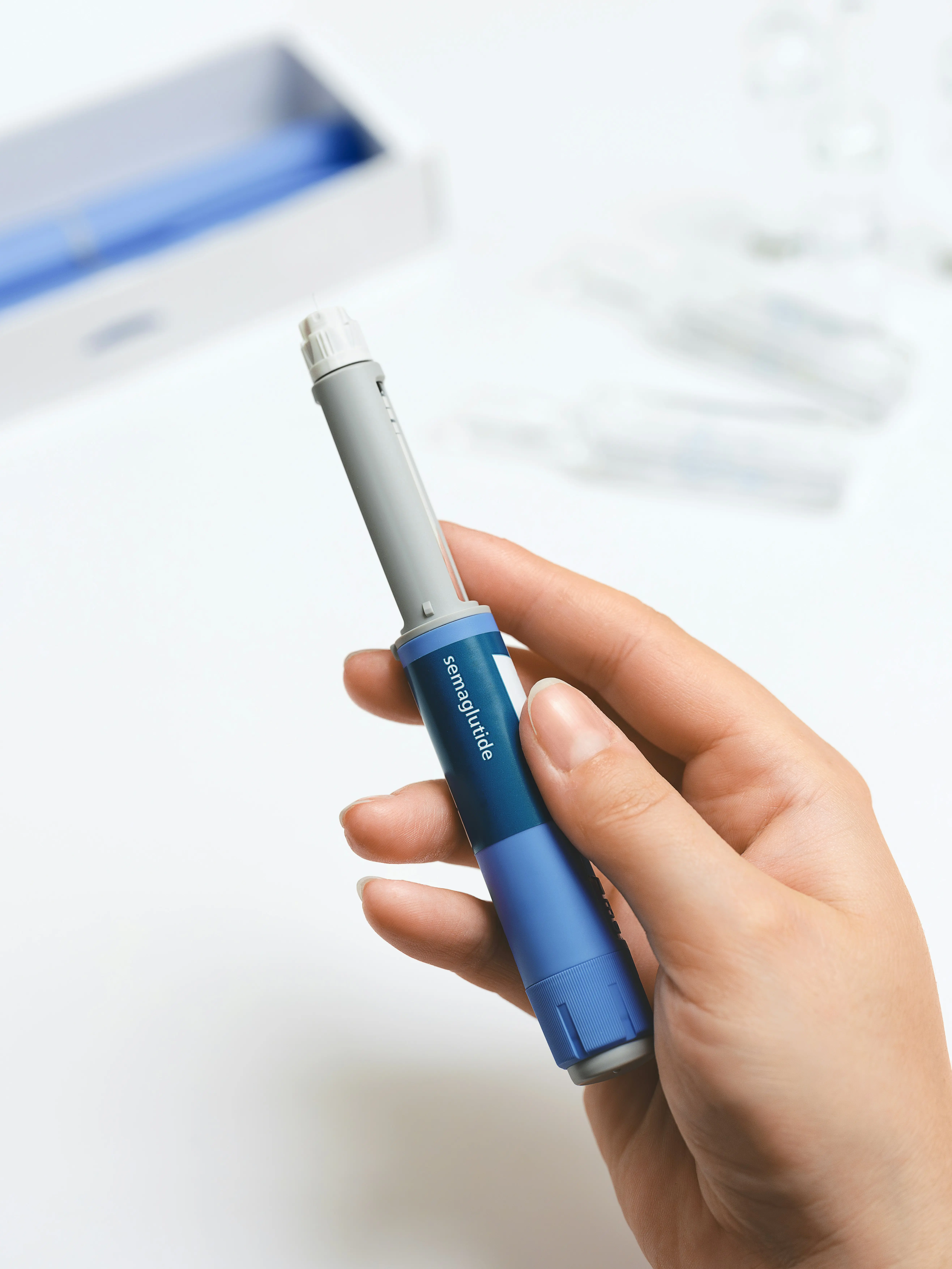
GLP-1 stands for glucagon-like peptide 1, a hormone released by the gut after eating. It helps regulate appetite, slows gastric emptying, and stimulates insulin release. Medications such as semaglutide — the active ingredient in Ozempic and Wegovy — are designed to mimic this effect in a much stronger and more sustained way.
That distinction matters. While GLP-1 medications directly target this pathway, plant compounds and dietary fibers may only influence it indirectly and to a far smaller degree. Calling them equivalent alternatives would therefore be misleading.
Why the hype is so big
The market for weight loss products has been growing for years, and GLP-1 medications have fueled the topic further. Many people are looking for a more accessible, cheaper, or "more natural" solution. This is exactly where the marketing comes in: products are advertised as gentle support for metabolism and satiety, although the study situation is usually thin.
The problem is not that these substances have no effect at all, but the magnitude. A small effect on satiety or metabolism is something completely different from a clinically relevant weight loss.
The ingredients in the fact check
Berberine
Berberine is one of the most frequently advertised substances in the realm of 'natural Ozempic.' Some meta-analyses on berberine show small improvements in weight, BMI, and waist circumference. These effects are measurable but significantly smaller than what GLP-1 medications achieve.
In addition, studies on berberine are often small, short, and methodologically inconsistent. Many studies have also been conducted on people with metabolic preconditions, so the results cannot easily be transferred to healthy individuals. Therefore, berberine is more of a potential accompanying substance than a real weight loss agent.
Saffron extract
Saffron is often marketed in the supplement market as an appetite suppressant or mood booster. The research shows small effects on appetite, mood, and metabolic parameters. For reliable weight loss, however, this is not enough.
The data remains mixed overall. Some studies report slight improvements in blood lipids or glucose levels, while others find little difference from the placebo group. In practice, saffron is more interesting as a support — but not convincing enough to be considered a real weight loss strategy.
Psyllium husks
Among the hyped ingredients, psyllium husks are the most plausible option. They provide soluble fiber that binds water, increases volume in the stomach, and can thus improve the feeling of fullness. They can also flatten the rise in blood sugar after eating.
Nevertheless, psyllium should not be sold as a GLP-1 replacement. It works through fiber, not through a pharmacologically strong hormonal effect. As part of a fiber-rich diet, it can make sense, but not as a weight-loss miracle.
Green tea extract
Green tea extract is often associated with fat burning, metabolism, and energy expenditure. Studies show partly small effects on body weight and BMI, but these usually remain minor. For a visible, sustainable weight loss, that is not enough.
Moreover, not every product is automatically unproblematic. Depending on the concentration, green tea extract can contain caffeine or irritate the stomach. Anyone who already uses a lot of coffee, energy drinks, or other stimulants should be cautious.
Boron and blood orange extract
Boron appears in some mixed products as a metabolism booster, although the scientific basis for this is weak. Blood orange extracts, often sold under brand names, are heavily advertised online without the evidence keeping up with the marketing.
For both, the following applies: There is currently no convincing evidence that they have a clinically relevant effect on weight loss. At best, they are marketing additions, not therapy components.
The overlooked original: Protein
If you want to sensibly support the body's own GLP-1 release, you should not first reach for a capsule, but for protein-rich meals. Studies show that protein promotes the release of satiety hormones and can enhance the feeling of fullness after eating. This can help naturally reduce daily energy intake.
The effect is not spectacular, but reliable. It is particularly advisable to have an adequate protein intake spread over the day, combined with fiber-rich foods. A rough guideline often suggests about 1.2 to 1.5 g of protein per kg of body weight daily, spread over several meals.
How safe are such products?
The word "natural" conveys safety, but in this context, it is misleading. Dietary supplements are less strictly regulated than medicines, and the actual quality can vary greatly depending on the manufacturer. Especially with mixed products, it is often unclear how high the individual active ingredients are dosed.
There are also possible interactions. Those taking medication should be cautious with berberine, green tea extracts, or stimulant-containing combinations. Especially with Diabetes, high blood pressure, liver problems, pregnancy or breastfeeding, a medical assessment is important.
What really makes sense
If you want to lose weight sustainably, you need a realistic strategy. This includes a balanced diet with proteins and fiber, regular exercise and enough ssleep. For significant obesity or accompanying diseases, medication therapy may be useful.
This is the real message: GLP-1 medications are effective because they target and control a biological mechanism. Supplements cannot achieve this. They may slightly influence certain processes, but they do not replace evidence-based treatment.
Conclusion
“Natural Ozempic” sounds like a gentle weight-loss shortcut. In reality, most of these products offer at best minor effects on satiety or individual metabolic values. Those seeking real results should not be guided by marketing promises but rather focus on diet, exercise, and, if necessary, medical advice.
Frequently asked questions about natural Ozempic
Can berberine act like Ozempic?
No. Studies show only small effects on weight and metabolic values with berberine. GLP-1 medications like Ozempic are significantly stronger, more targeted, and clinically more reliable.
Is psyllium a natural GLP-1 booster?
Psyllium husk can improve satiety and flatten blood sugar spikes after meals. However, its effect is due to fiber—not through a pharmacologically strong GLP-1 effect.
Are natural GLP-1 supplements safe?
For healthy people, probably yes. However, interactions are possible, for example, with diabetes or blood pressure medications. Reliable manufacturers and transparent quality checks are important.
How much protein supports natural GLP-1 secretion?
About 1.2 to 1.5 g of protein per kg of body weight per day is often recommended, as well as around 25 to 35 g of protein per meal. A protein-rich diet can promote satiety hormones and keep you full longer.
Why do supplements usually not lead to significant weight loss?
The effects of many ingredients are relatively mild. Furthermore, many studies are based on small participant numbers or short study periods. GLP-1 medications, on the other hand, have been tested in large clinical trials.
Can saffron help with weight loss?
The data is mixed. Some studies show small effects on appetite, mood, or metabolic values, but significant and reliable weight loss has not yet been proven.
Is green tea extract effective for weight loss?
Green tea extract can slightly influence energy expenditure, but the effects on body weight are usually small. Depending on the dosage, it can also contain a lot of caffeine.
Should you consult a doctor before taking it?
Yes — especially in cases of pre-existing conditions, pregnancy, or regular medication intake. Doctors can better assess potential risks and interactions.