© Mohannad Sadek
May 6, 2026
Marianne Waldenfels
Can Shilajit increase testosterone levels? All about effects, side effects, dosage, and the state of scientific research
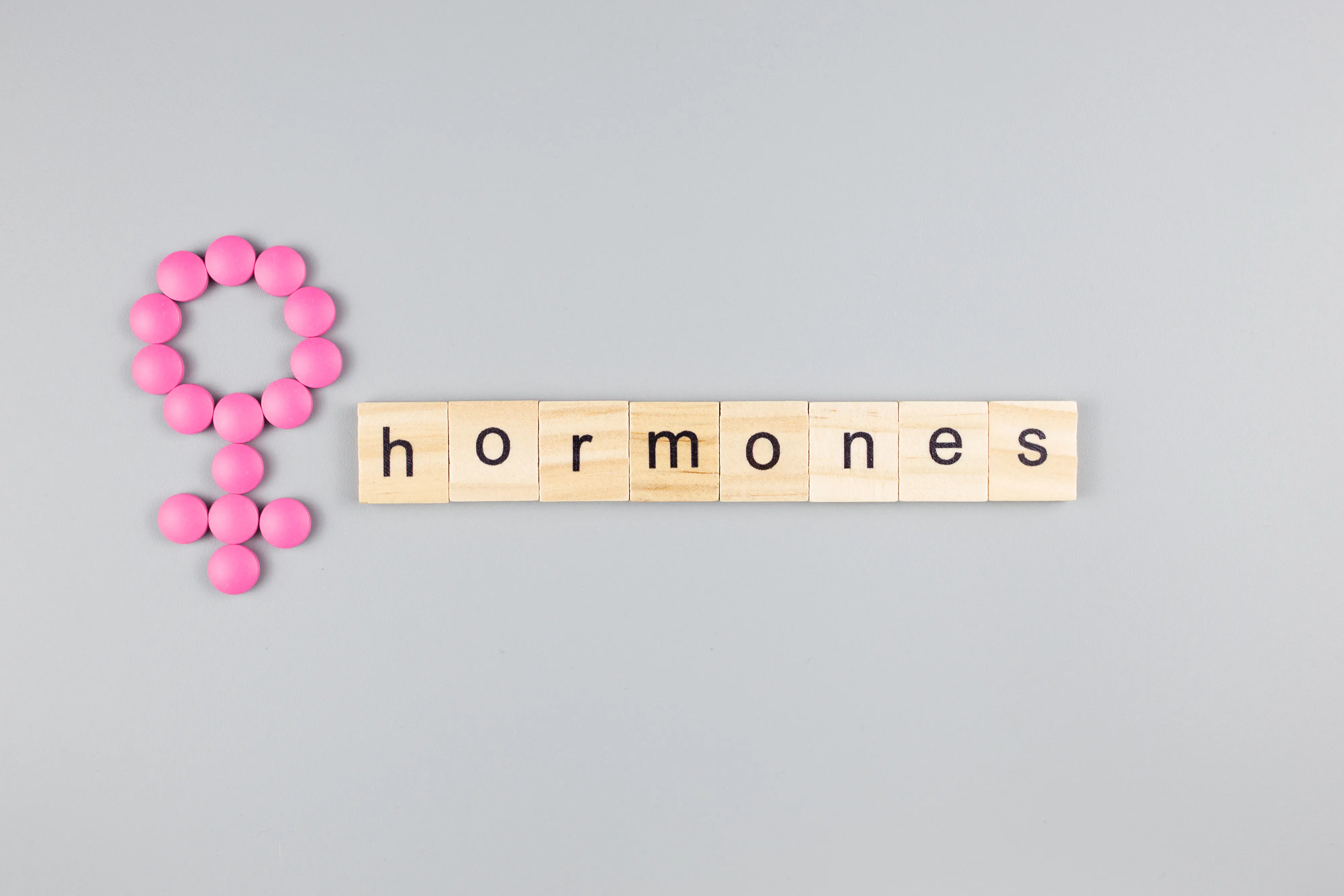
Shilajit is suddenly appearing everywhere: in fitness podcasts, biohacking forums, TikTok videos, and dietary supplement shops. Men in particular are currently interested in the black-brown resin from the Himalayas, which is touted as a natural "testosterone booster."
The promises sound almost too good to be true: more energy, better recovery, higher libido, and possibly even positive effects on testosterone and fertility. But how much of this is actually scientifically proven?
Indeed, several studies are now dealing with Shilajit, including its hormonal effects, antioxidant properties, and physical resilience. At the same time, experts warn against overestimating existing research or falling for inferior products. So what is really behind the hype?
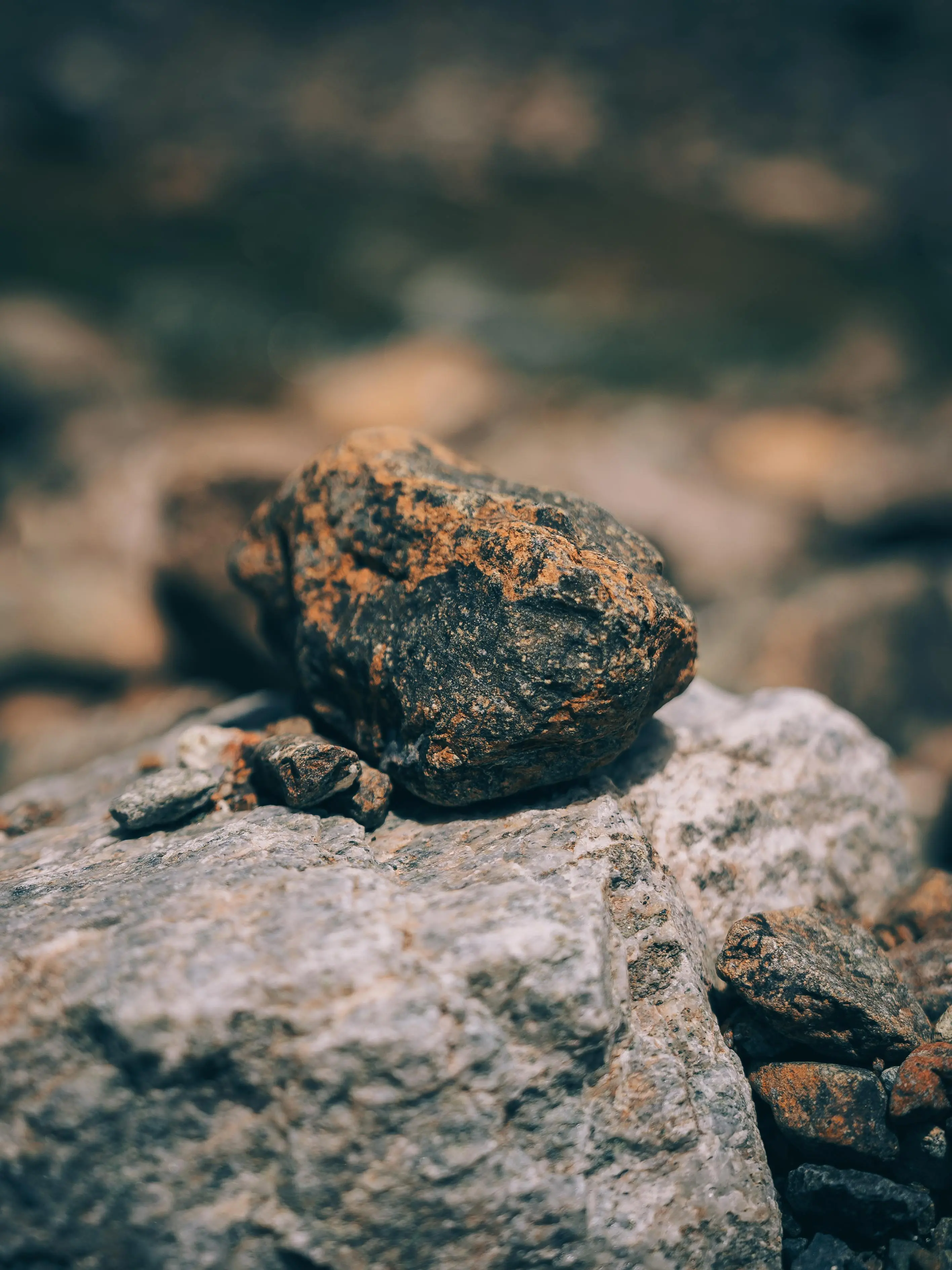
Shilajit is a natural substance found in high mountain regions like the Himalayas, the Altai Mountains, or the Caucasus. The resinous material is formed over long periods from plant remains and mineral compounds.
Of particular interest for research are so-called humic substances like fulvic acid and humic acids. Additionally, it contains various minerals and trace elements.
Above all, fulvic acid is considered a possible key component because it antioxidant properties and could influence the absorption of certain minerals.
One problem: Shilajit is a natural product. The composition can vary greatly depending on origin and processing – which is exactly why quality plays a crucial role.
The scientific data on Shilajit is interesting but still limited. Although there are several human studies and reviews, large, independent long-term studies are still lacking in many areas.
Currently best studied are:
Why surgical experience matters in rhinoplasty, what risks nasal surgery involves, and how natural-looking results can be achieved. Professor Dr. Johannes Veit discusses modern rhinoplasty and individualized aesthetics.
Christine Bürg and Marianne Waldenfels

An interview with
Prof. Dr. med. Johannes a. Veit

Why are women often more successful than men in ultramarathons? Orthopedic surgeon Dr. Yvonne Ebel discusses physiology, mental strength, nutrition, and the risks of extreme endurance stress.
Christine Bürg and Sophie Rodewyk

An interview with
Dr. med. Yvonne Ebel

Many complaints have their root cause somewhere other than where the symptoms appear. Dr. Christoph Wenninger explains the role that jaw joints, inflammation, and modern preventive care play in overall health.
Christine Bürg and Marianne Waldenfels

An interview with
Dr. Christoph Wenninger

Physiotherapist and health coach Andreas Stollreiter discusses the philosophy of osteopathy, identifying the root causes of pain and illness, and the surprising links between the musculoskeletal system, digestion, the nervous system, and mental health
Christine Bürg and Marianne Waldenfels
It is important to classify correctly: Many statements are based on small studies or preclinical data so far. Therefore, cautious formulations such as "may support" or "there is evidence" are scientifically more serious than aggressive advertising promises.
Particularly often, the effect of Shilajit on testosterone is sought. One of the most well-known Human studies studied healthy men who were given purified shilajit twice daily over 90 days, showing significant changes in:
These results are considered interesting but are not yet sufficient to regard shilajit as a proven "testosterone booster."
In addition to testosterone, shilajit is also studied in relation to male fertility.
Smaller clinical studies and reviews describe possible effects on:
A systematic review from 2024 describes Shilajit as a potentially interesting substance in male infertility but also points to the need for better studies.
Many users use Shilajit for potential effects on energy and regeneration.
Among other things, the discussion includes:
The existing data are promising but not yet strong enough for definitive statements.
In clinical studies purified Shilajit is mostly described as well-tolerated. Mild complaints such as nausea, stomach problems, or headaches have been reported.
However, the most important point is product quality. Impure or poorly processed Shilajit can be contaminated with heavy metals or other impurities. Therefore, one should pay attention to laboratory analyses, transparent manufacturer information, and independent tests.
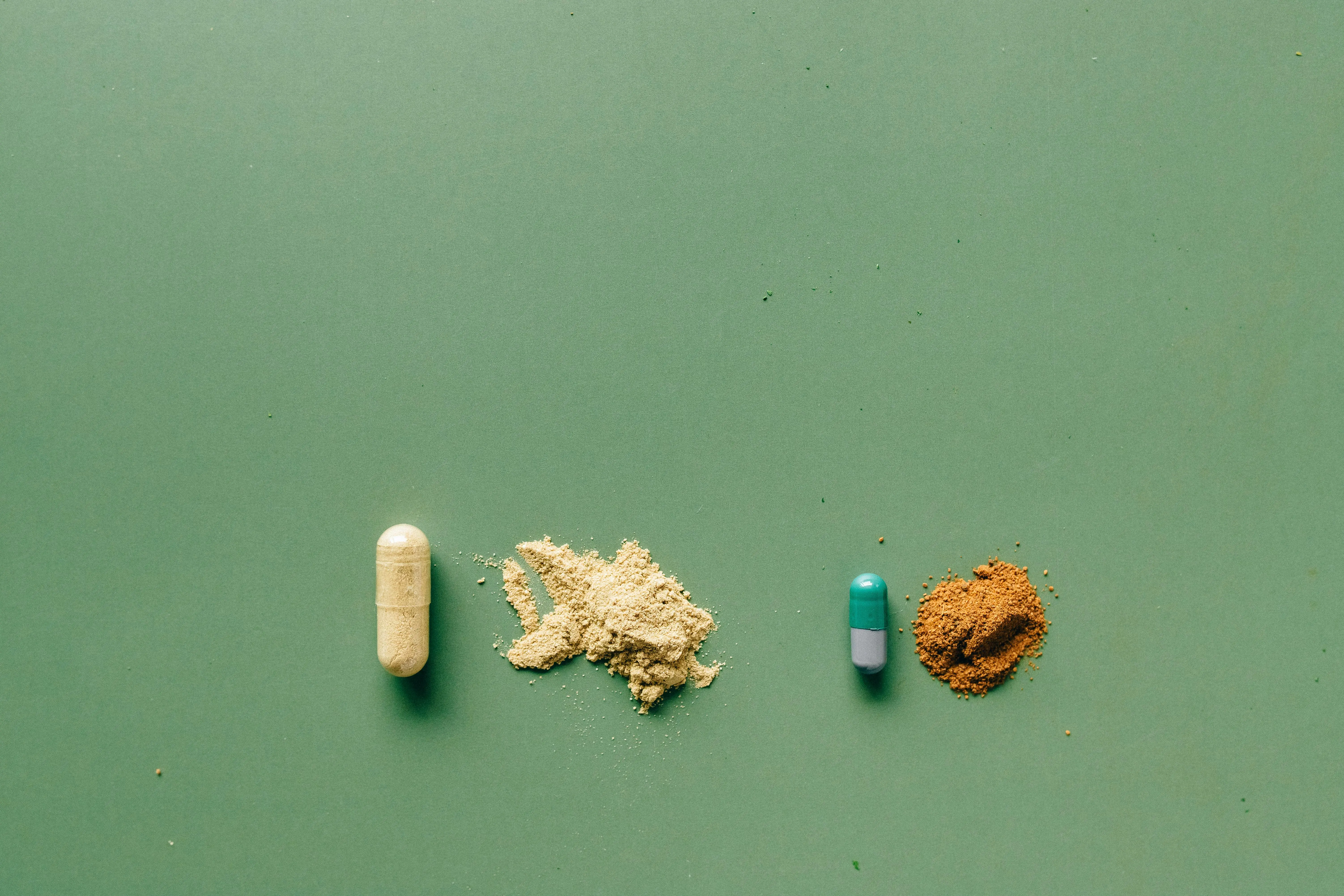
Shilajit is offered in the form of resin, powder, or capsules. Many manufacturers recommend taking it in the morning or before physical activity. However, there is no universally valid standard dosage.
A problem: The market around Shilajit is now hardly regulated. Many products advertise with aggressive testosterone promises but provide little information about actual purity or origin.
Especially with untested import products, there is a risk of contamination or heavy metal pollution. Experts therefore recommend only products with transparent lab analyses and independent tests.
There are now several studies on Shilajit, including on testosterone, fertility, energy and physical resilience. The results so far are considered interesting but are not scientifically conclusive enough for clear promises of effects.
Some small human studies observed changes in total and free testosterone. However, whether Shilajit actually has a relevant effect on hormone levels has not yet been conclusively clarified.
Many studies investigated periods ranging from several weeks to months. While individual users report faster effects, a general duration of effect cannot yet be scientifically established.
Purified Shilajit is generally considered well-tolerated in studies. However, the quality is crucial: inferior or untested products may be contaminated with heavy metals or other impurities.
Mild complaints such as nausea, headaches, or gastrointestinal problems were mainly reported. As with many dietary supplements, tolerance also depends on dosage and product quality.
Resin is often considered the more original form, while capsules are easier to dose. However, more important than the form of administration is the purity and transparent quality control of the product.
Many manufacturers recommend daily intake over several weeks. However, there is no generally recognized standard dosage yet.
The current boom is partly related to trends such as biohacking, longevity, and natural performance enhancement. Shilajit is particularly often promoted on social media as a natural 'testosterone booster'.
Shilajit is mostly sold internationally as a dietary supplement. However, depending on the product and composition, legal evaluations can vary.
People with pre-existing conditions, pregnant women, or those who regularly take medication should consult a doctor about supplements like Shilajit as a precaution.
Shilajit is a traditional natural substance with a complex composition and growing scientific interest. The existing studies provide quite interesting indications, especially in terms of testosterone, fertility, and physical resilience.
Caution: Many promises about the effects of Shilajit go significantly beyond current research. Anyone who wishes to use it should always ensure tested quality and transparent manufacturers.