© Vlada Karpovich
June 19, 2026
Nils Behrens
A Harvard Study shows: combining different forms of exercise lowers mortality risk. Health expert Nils Behrens explains what this means for longevity.
A new Harvard analysis spanning over 30 years demonstrates a clear link: people who regularly mix different forms of movement tend to live longer on average, independent of their total training volume.
People who demonstrated the greatest variety in their movement routines had a 19 percent lower risk of premature death. This benefit remained significant even when controlling for total training volume. The findings, published in January 2026 in BMJ Medicine, were based on data from approximately 111,000 adults drawn from two of the world's most comprehensive longitudinal studies.
Researchers at Harvard T.H. Chan School of Public Health used data from the Nurses' Health Study, which included approximately 70,000 women, and the Health Professionals Follow-Up Study, which included around 40,000 men. Over the three-decade study period, movement behavior, lifestyle, and health data were collected every two years. During this time, 38,847 participants died.

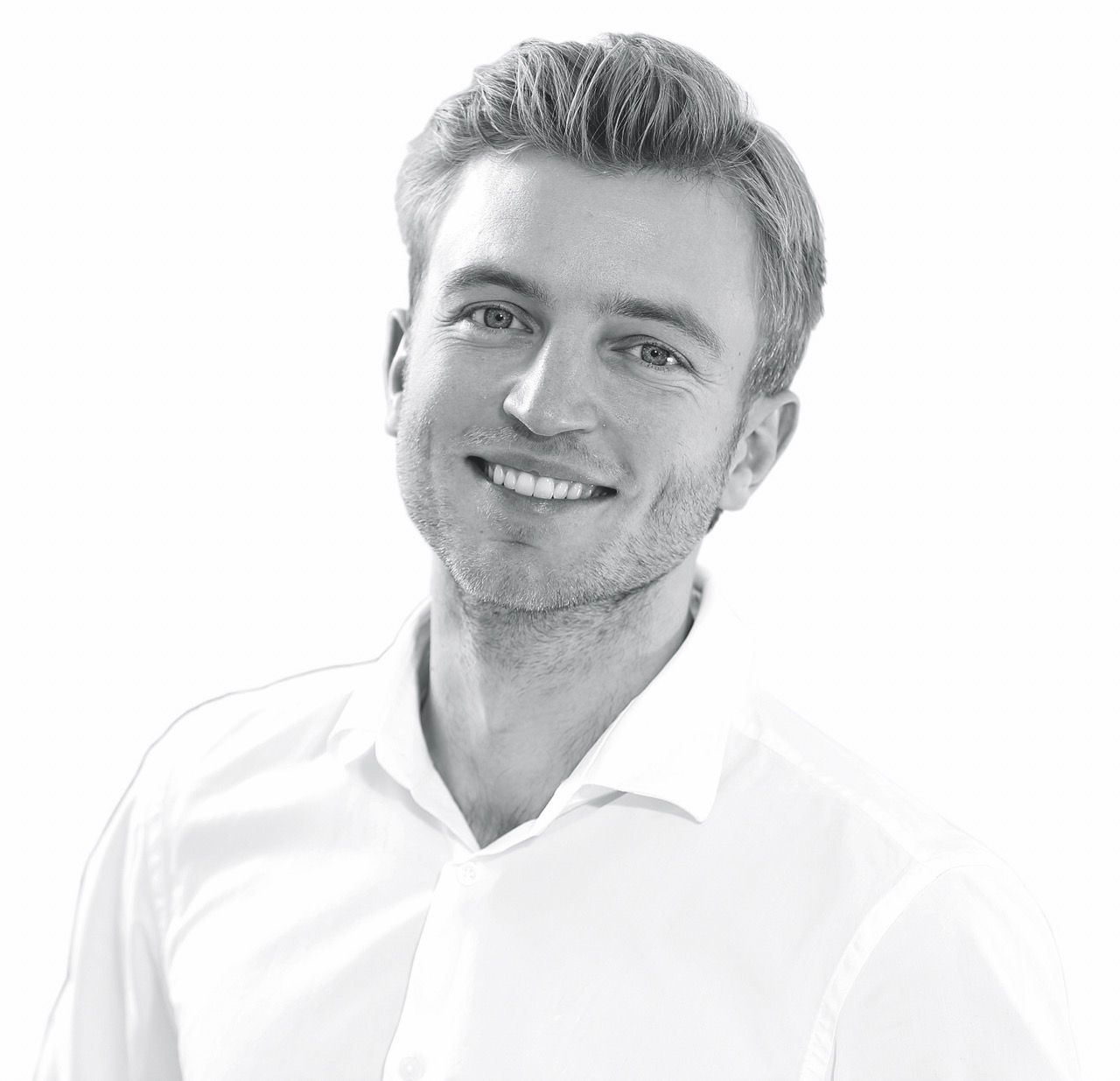
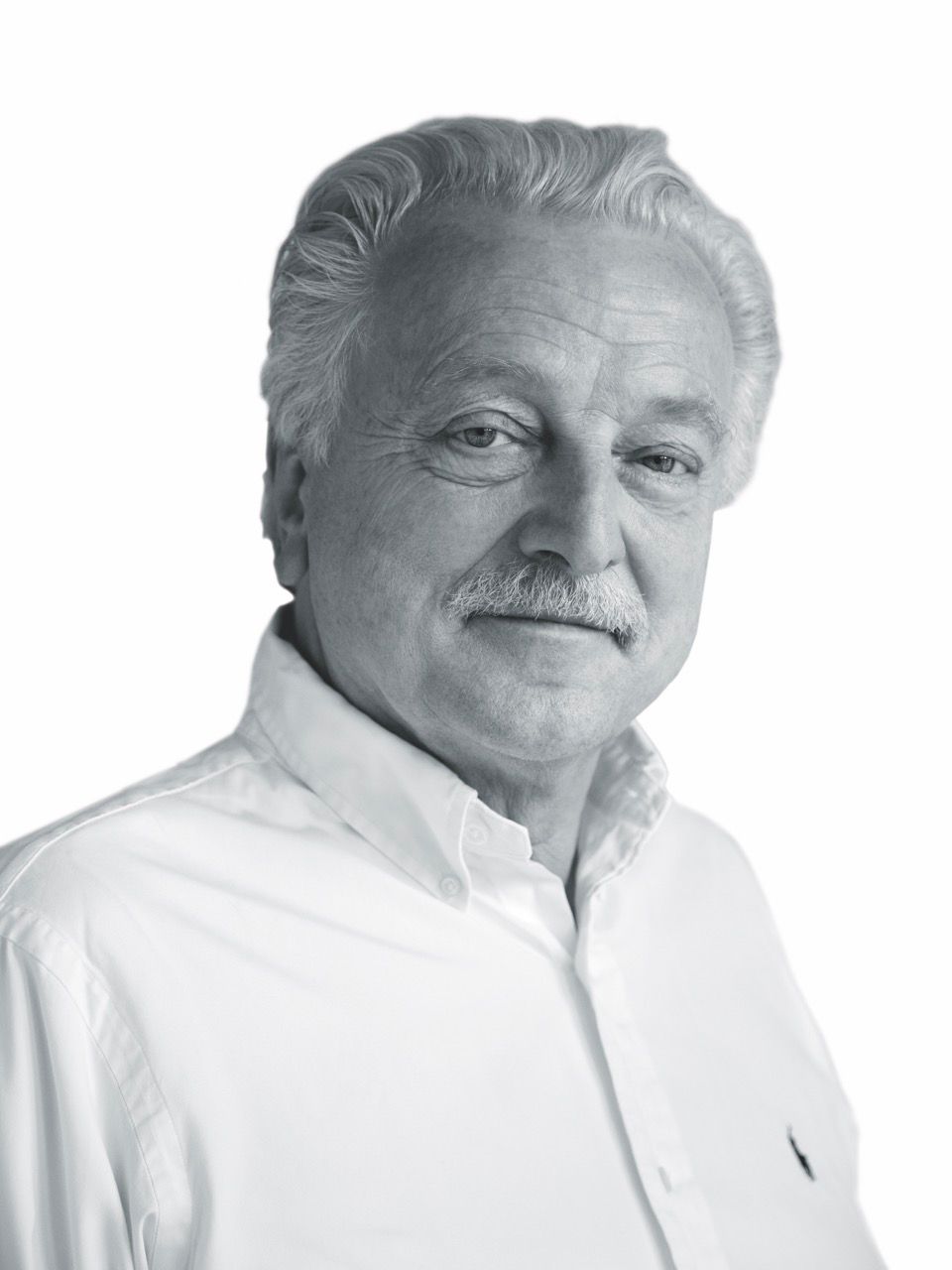
Nils Behrens hosts the health podcast HEALTHWISE and serves as Strategic Brand Partner for Sunday Natural. Previously, he spent over 12 years as Chief Marketing Officer and face of the Lanserhof Group, and hosted the successful Forever Young podcast. Through more than 350 expert interviews, he has explored paths to a longer, healthier life.
Up to 13 different activities were included, including walking, jogging, running, cycling, swimming, , yoga, tennis, climbing stairs, gardening, and housework. The researchers then calculated two metrics from this data: the total volume of activity and the variety—that is, the number of different forms of movement per person.
The group with the broadest variety in physical activity showed a 19 percent lower overall mortality risk compared to the narrowest group. For cardiovascular, cancer, respiratory, and other causes of death, the advantage ranged from 13 to 41 percent. Notably, the relationship was not linear. After approximately 20 weekly MET-hours, the additional benefit plateaued. More movement does not necessarily translate to proportionally more years of life.
Among individual activities, walking showed the strongest effect at 17 percent, followed by tennis and squash at 15 percent, rowing and calisthenics at 14 percent, and strength training and running at 13 percent each. Swimming was not associated with a lower mortality risk in this analysis.
Important for scientific context: this is an observational study. It shows associations, not causality. I cannot confirm that movement variety directly extends life.
It's also possible that people with a broader range of movement simply tend to be healthier, more socially integrated, or smoke less. The authors statistically controlled for these factors. However, some residual risk of bias remains.
Different forms of movement stress the body in different ways. Endurance training differs from strength training, just as coordination work differs from mobility work. People who regularly vary their movement forms train a broader spectrum of muscular, cardiovascular, and neural systems.
The HEALTHWISE podcast repeatedly emphasizes this point in conversations with sports medicine doctors and longevity researchers: resilience in old age rarely stems from a single optimized training method. Instead, it develops through a diverse repertoire.
There's also a practical benefit. People who master multiple activities can adapt more flexibly to injuries, weather conditions, and different life stages. This reduces the risk that exercise will drop out of their daily routine entirely.
The data translates into three key guidelines.
1. Expand your movement portfolio. People who only run or only do strength training miss out on potential benefits. Adding just two or three different types of activity each week produces measurable results in the data.
2. Prioritize everyday movement. Walking topped the list of individual activities in the study, with stair climbing and gardening also playing important roles. You don't need more gym time to add variety—you need more movement opportunities built into your daily routine.
3. Don't overdo it. The plateau effect that occurs around 20 MET-hours per week challenges the idea that more is always better. Consistency and variety matter more than sheer volume.
The HEALTHWISE study reveals what has been observed for years: people who remain healthy for a long time rarely follow a single exercise program. They mix different activities. This study now provides a large dataset that quantifies this observation. Movement variety is not a training trend. It is a robust pattern associated with a longer life.
Find all articles by Nils Behrens on premiummedicalcircle.com here!

Why surgical experience matters in rhinoplasty, what risks nasal surgery involves, and how natural-looking results can be achieved. Professor Dr. Johannes Veit discusses modern rhinoplasty and individualized aesthetics.
Christine Bürg and Marianne Waldenfels

An interview with
Prof. Dr. med. Johannes a. Veit

Why are women often more successful than men in ultramarathons? Orthopedic surgeon Dr. Yvonne Ebel discusses physiology, mental strength, nutrition, and the risks of extreme endurance stress.
Christine Bürg and Sophie Rodewyk

An interview with
Dr. med. Yvonne Ebel

Many complaints have their root cause somewhere other than where the symptoms appear. Dr. Christoph Wenninger explains the role that jaw joints, inflammation, and modern preventive care play in overall health.
Christine Bürg and Marianne Waldenfels

An interview with
Dr. Christoph Wenninger

Physiotherapist and health coach Andreas Stollreiter discusses the philosophy of osteopathy, identifying the root causes of pain and illness, and the surprising links between the musculoskeletal system, digestion, the nervous system, and mental health
Christine Bürg and Marianne Waldenfels