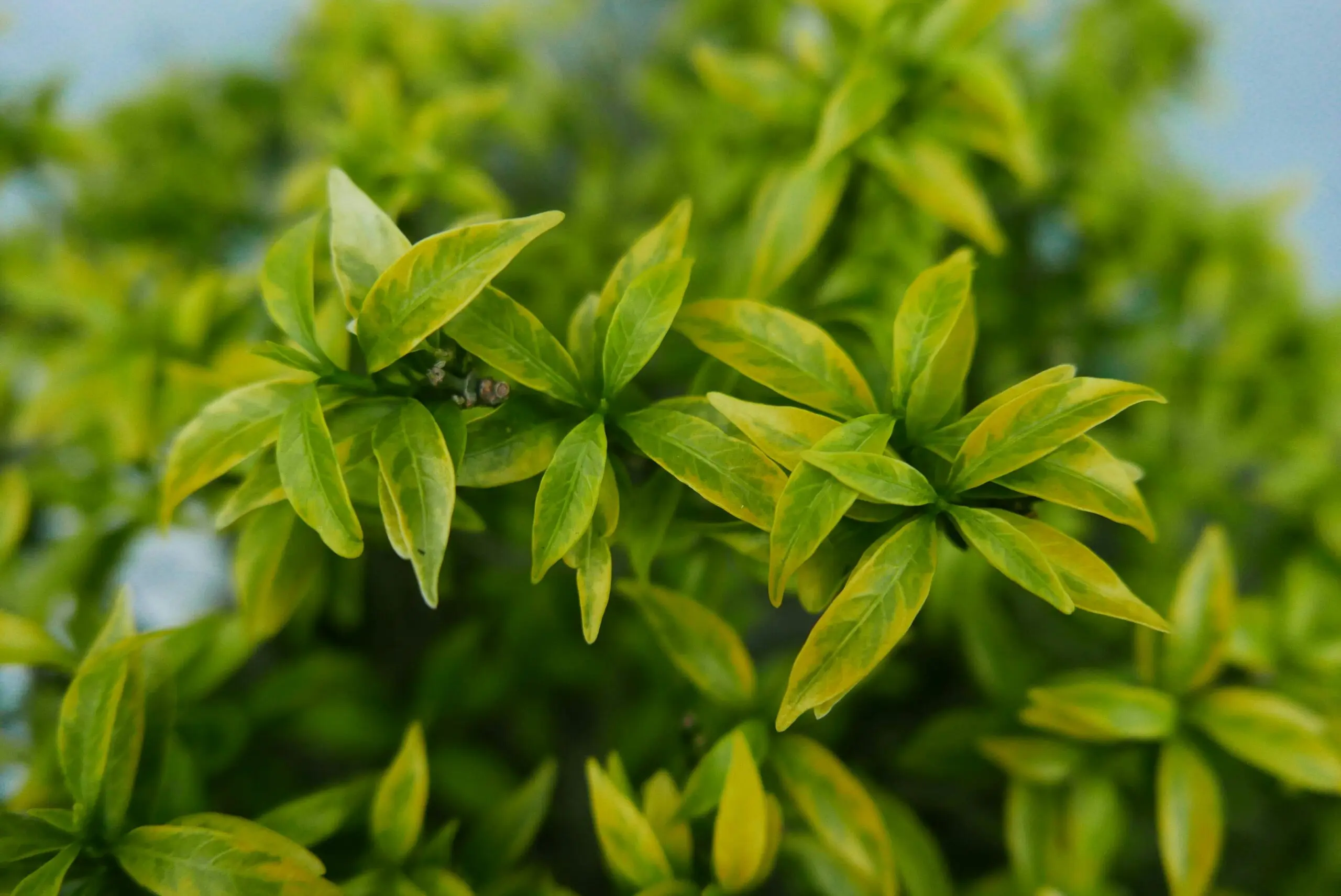
Astaxanthin is a carotenoid that is particularly common in microalgae.
January 14, 2026
Birgitta Dunckel
Food
Astaxanthin: The Super-Antioxidant for Skin & Health
Astaxanthin is considered a super-antioxidant—800 times stronger than Q10. But how does the red algae pigment affect skin, inflammation, and health? And who benefits from taking it?
A natural plant pigment is conquering the supplement market: Astaxanthin promises intense antioxidant effects, protection against skin aging, reduction of inflammation, and performance enhancement in sports. The pink carotenoid from microalgae has impressive properties – but as with all supplements, there are no miracle cures, and science is not yet clear on all promises.
What is Astaxanthin?
Astaxanthin is a naturally occurring carotenoid – a group of fat-soluble plant pigments, which also includes beta-carotene, lutein, and lycopene. Its chemical structure resembles that of beta-carotene (a precursor of vitamin A), but Astaxanthin has additional functional groups that significantly enhance its antioxidant power.
Where does Astaxanthin come from?
The main source is the green algae Haematococcus pluvialis, a microalgae found in freshwater environments worldwide. Under normal conditions, these algae appear green due to chlorophyll. But under stress conditions such as strong UV radiation, extreme heat, lack of water, nutrient deficiency, or cold, the algae completely change their metabolism and massively produce Astaxanthin.
The algae turn bright red in the process. This natural sun protection allows them to survive for weeks without water and food – a kind of dormant state until the conditions improve again.
Once the stress subsides, the algae return to their green color and resume normal metabolism. This fascinating survival mechanism shows the protective effect of Astaxanthin – a property that is also of interest to the human body.
Astaxanthin in the food chain
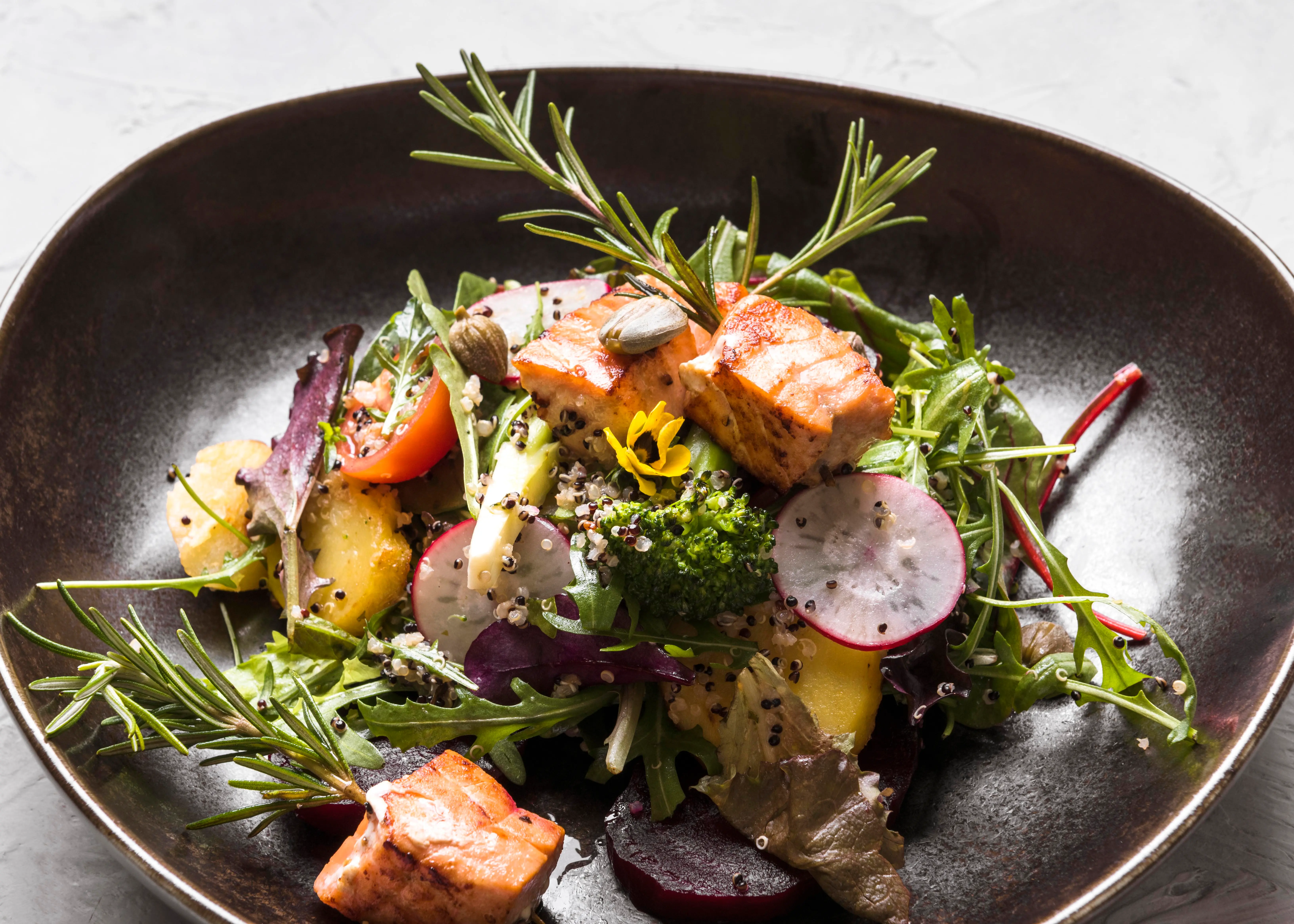
Animals that feed on algae or plankton containing astaxanthin accumulate the pigment in their tissues. This explains the characteristic pink-orange color of salmon and trout, with wild-caught salmon containing significantly more astaxanthin than farmed salmon. Shrimp, prawns, crabs, and lobsters also owe their reddish color to this carotenoid. Even flamingos get their typical pink coloration through their diet of crustaceans and algae.
Astaxanthin also serves as a natural UV protection and cell protection for these animals. In salmon, it is even stored in the muscles to increase endurance during the strenuous upstream spawning migration – a hint that the pigment can also support physical performance.
Astaxanthin vs. other antioxidants: A direct comparison
Astaxanthin is often referred to as the strongest natural antioxidant. The antioxidant capacity of astaxanthin is impressive: in laboratory studies, it has been shown to be about 800 times more effective than coenzyme Q10, even 6000 times more effective than vitamin C, and 550 times stronger than vitamin E. Even compared to alpha-lipoic acid, a known antioxidant, it is 75 times more potent. Beta-carotene, a related carotenoid, is also surpassed by 40 times.
What makes astaxanthin so special? The key lies in its unique molecular structure. Astaxanthin can act in both the water-soluble and fat-soluble phases of the cell membrane – it spans the entire cell membrane and protects from both inside and outside. This property distinguishes it from many other antioxidants that act only on one side of the membrane. Vitamin E, for example, primarily works in the fat-soluble phase, while vitamin C is mainly active in aqueous areas.
Additionally, astaxanthin does not become a pro-oxidant when neutralizing free radicals – a problem that can occur with high doses of vitamin C or E. While these vitamins can themselves become free radicals under certain conditions, astaxanthin maintains its protective function.
Astaxanthin effects: What can the algae pigment do?
Scientific research on astaxanthin is promising, although not all effects have been definitively proven in humans. Here's an overview of the key areas of effect:
Strong antioxidant and anti-inflammatory effects
Free radicals are produced by various factors: UV radiation, environmental toxins, stress, intense physical exertion, inflammatory processes, as well as smoking and alcohol. Too many free radicals lead to oxidative stress, which damages cells and is associated with numerous diseases, including chronic inflammation, cardiovascular diseases, neurodegenerative diseases like Alzheimer's and Parkinson's, cancer, and premature aging.
Astaxanthin acts on multiple levels: it directly neutralizes free radicals, reduces the activity of inflammatory mediators such as TNF-alpha, IL-6, and NF-kappaB, protects the mitochondria as the cell powerhouses from damage, and prevents lipid peroxidation, the oxidation of fats in cell membranes.
This multi-effect makes astaxanthin a potent opponent of chronic inflammation, which is considered the basis of many modern diseases. While acute inflammation is a meaningful response of the immune system, chronic, low-level inflammation leads to insidious cell damage.
Astaxanthin for the skin: Natural anti-aging protection
The skin is exposed to oxidative stress daily—especially from UV radiation. Astaxanthin offers multiple skin protection by acting as a natural sunscreen from within, reducing UV-induced cell damage, lowering the risk of sunburn, and protecting against premature skin aging due to sun exposure. It is important to emphasize, however, that astaxanthin does not replace sunscreen but rather complements it.
The anti-aging effects are remarkable. Studies show that astaxanthin can reduce fine lines and wrinkles, increase skin elasticity, improve skin moisture, and reduce pigment and age spots. It also promotes a more even skin tone. After six to twelve weeks of daily intake of four to six milligrams of astaxanthin, skin moisture, elasticity, and wrinkle depth improved significantly. The skin became more resilient to UV radiation.
The mechanism of action is complex: Astaxanthin protects collagen-producing fibroblasts in the skin from oxidative damage and simultaneously inhibits the enzymes that break down collagen. Since collagen is responsible for the firmness and elasticity of the skin, this dual effect leads to a visible improvement in skin appearance. For this reason, astaxanthin is often combined with collagen supplements to achieve synergistic effects.
Joint health: Help with arthritis and inflammation
Chronic inflammation is the main cause of joint pain and arthritis. Here, astaxanthin shows promising effects. In studies on rheumatoid arthritis, a reduction in inflammation markers, decreased joint pain, improved mobility, and less morning stiffness were observed.
A study with patients suffering from rheumatoid arthritis showed significantly reduced pain and improved hand function after eight weeks of taking twelve milligrams of astaxanthin daily. Participants reported that everyday activities like opening jars or writing became easier again.
Athletes also benefit from this effect. Intense training sessions cause micro-injuries in muscles and joints, leading to pain and inflammation. Astaxanthin can reduce these exercise-related complaints and speed up recovery.
Sports and performance: More endurance, faster recovery
For athletes, astaxanthin is interesting for several reasons. It improves endurance by optimizing fat burning during exercise, preserving valuable glycogen stores, increasing lactate tolerance, and delaying fatigue. At the same time, it speeds up recovery, reduces muscle damage due to oxidative stress, lessens muscle soreness, and shortens recovery time after intense sessions.
A study with cyclists showed impressive results: After four weeks of daily intake of four milligrams of astaxanthin, participants improved their time trial performance and reported less muscle fatigue. The effect is explained by astaxanthin protecting the mitochondria in muscle cells and optimizing their energy production.
An important note for competitive athletes: Astaxanthin is not a doping agent and is not on the WADA prohibited list. Therefore, it can be used without concern in competitive sports.
Eye Health: Protection Against Macular Degeneration
The eyes are particularly susceptible to oxidative stress. UV radiation, blue light from screens, and natural aging processes affect the delicate structures of the eyes. Astaxanthin can protect the retina from oxidative damage, improve blood circulation in the eyes, reduce eye fatigue and dryness, and protect against age-related macular degeneration and cataracts.
This is particularly relevant for people who work extensively with screens, spending many hours daily in front of the computer and whose eyes are correspondingly strained. Older people, who have a higher risk of age-related macular degeneration, and diabetics, who are prone to diabetic retinopathy, can also benefit from astaxanthin.
Astaxanthin is often combined with lutein and zeaxanthin – two other carotenoids that also specifically support eye health. This combination is found in many specialized eye supplements.
Cardiovascular Health
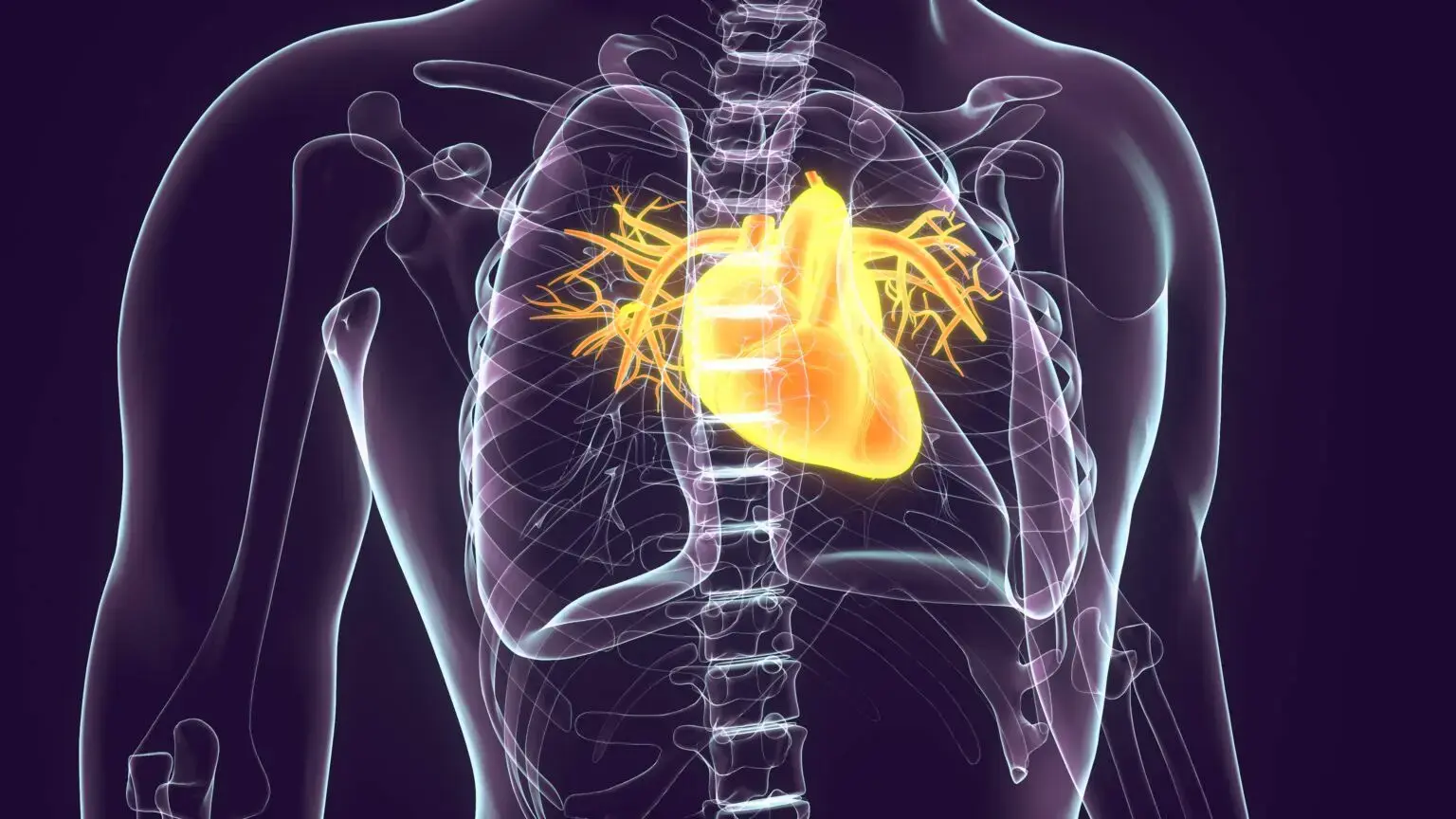
Oxidative stress and chronic inflammation are major risk factors for cardiovascular diseases. Astaxanthin can positively affect cholesterol levels by increasing "good" HDL cholesterol, lowering "bad" LDL cholesterol, reducing oxidized LDL – which is particularly harmful to the vessels – and lowering triglycerides.
In addition, it shows a slight blood pressure-lowering effect, improves vascular elasticity, and promotes nitric oxide production, leading to vasodilation. Blood circulation is improved, microcirculation is optimized, inflammation in the vascular walls is reduced, and the risk of arteriosclerosis decreases.
It is important to emphasize, however, that astaxanthin does not replace doctor-prescribed medications. However, it can be useful as a supplement to medical therapy and should be discussed with the treating physician in this case.
Immune System: Strengthening Defense Mechanisms
A well-functioning immune system needs protection against oxidative stress. Astaxanthin increases the activity of T-cells and B-cells, enhances antibody production, improves the activity of natural killer cells, reduces chronic inflammation that weakens the immune system, and increases resistance to infections.
A study with older individuals showed an improvement in immune parameters and a lower susceptibility to colds after regular intake of astaxanthin. Especially in old age, when immune function naturally declines, this support can be valuable.
Brain and Cognitive Function
Astaxanthin has a special characteristic that distinguishes it from many other antioxidants: it can cross the blood-brain barrier. This barrier protects the brain from harmful substances but also prevents many potentially beneficial substances from passing through. However, astaxanthin reaches the brain and can exert its protective effects there.
This makes it interesting for protection against neurodegenerative diseases, improving memory performance, enhancing concentration, and reducing mental stress and fatigue. Animal studies show promising effects in the prevention of Alzheimer's and Parkinson's. Human studies are still limited, but early results suggest cognitive benefits, especially in older adults.
Astaxanthin and the Liver: Protection or Risk?
The impact of astaxanthin on the liver is two-sided and deserves special attention. On one hand, studies show positive effects: astaxanthin reduces liver damage from oxidative stress, can help with non-alcoholic fatty liver, improves liver values such as ALT and AST in liver fattening, and protects against toxic substances.
On the other hand, some studies have shown that astaxanthin can increase the activity of liver enzymes, especially the cytochrome P450 family. These enzymes are crucial in the breakdown of drugs. Increased enzyme activity causes drugs to be broken down faster, which reduces their concentration in the blood and can impair their therapeutic effectiveness.
This is particularly relevant for blood pressure medications, cholesterol-lowering drugs like statins, blood thinners, hormone preparations such as birth control pills, and immunosuppressants. People who take medication regularly should therefore definitely consult their doctor before supplementing with astaxanthin and, if necessary, monitor the medication's effects.
Astaxanthin dosage: What is optimal?
The correct dosage depends on the application. For general health maintenance, four to six milligrams daily are recommended. Those primarily seeking anti-aging effects and improvements in skin health should also take four to eight milligrams daily. Athletes looking to enhance their performance can work with eight to twelve milligrams, while for anti-inflammatory applications like arthritis, twelve to sixteen milligrams daily may be advisable.
Most studies used dosages between two and twelve milligrams daily over a period of four to twelve weeks. Since astaxanthin is fat-soluble, it should always be taken with a fat-containing meal to improve absorption. A salad with olive oil, nuts, or a meal with avocado are ideal companions.
Regular intake is important, as astaxanthin builds up slowly in the tissues. It takes about two to four weeks for noticeable effects to appear. Long-term intake over months or even years is possible and considered safe.
Astaxanthin side effects and safety
Astaxanthin is considered very well tolerated. However, some people may experience side effects. Possible, though rare, side effects include mild gastrointestinal discomfort, especially at high doses. Some people notice a reddish-orange stool, which is harmless and merely due to the pigment. At extremely high doses, there may theoretically be slight skin pigmentation – similar to flamingos – but this is extremely rare in humans. Allergic reactions are very rare and usually only occur with existing algae allergies.
There are certain situations where Astaxanthin should be avoided. During pregnancy and breastfeeding, there are no sufficient studies on safety, so it should be avoided as a precaution. Caution is advised for thyroid diseases, as some algal products may contain iodine.
People with autoimmune diseases should consider that Astaxanthin stimulates the immune system, which could be problematic for autoimmune diseases. Astaxanthin should be discontinued about two weeks before any planned surgeries, as it might slightly affect blood clotting.
Special caution is required when taking blood thinners such as Warfarin or Aspirin, blood pressure medications, immunosuppressants, or hormone preparations simultaneously. Interactions are possible here and should be clarified with a doctor.
Quality is crucial when choosing the product. Only products made from natural Haematococcus pluvialis algae should be purchased, which are tested for purity and freedom from contaminants. Synthetic Astaxanthin, which is made from petroleum and mainly used in salmon farming, is significantly less effective. Certified manufacturers with transparent production should be preferred.
Buying Astaxanthin: What to consider?
There are significant quality differences when buying Astaxanthin supplements. Natural Astaxanthin from Haematococcus algae is significantly more effective than synthetic Astaxanthin made from petroleum. The natural form has a different spatial structure and higher bioavailability, which means the body can absorb and utilize it better.
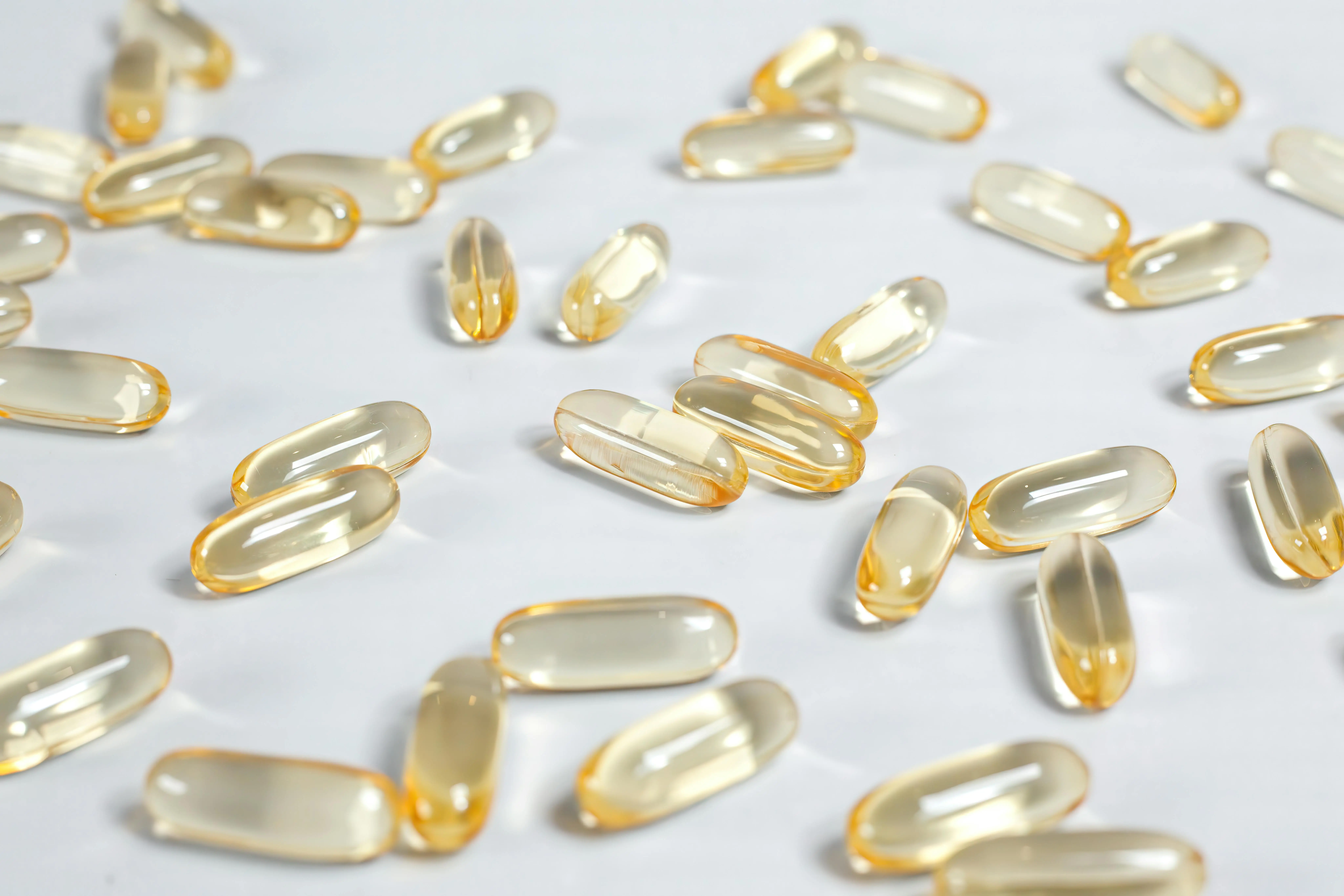
The most common form of administration is capsules, often softgel capsules combined with oil to improve absorption. Powder forms are rarer and can be mixed into smoothies, while liquid drops are only available occasionally. When choosing, look for an Astaxanthin content of at least four percent. The product should be free from artificial additives and tested for contaminants, especially heavy metals and pesticides. GMP-certified production is a good quality attribute, as is stabilization with Vitamin E to prevent the Astaxanthin itself from oxidizing.
Good quality comes at a price. For four to six milligrams of natural Astaxanthin daily, costs between twenty and forty euros per month should be expected. Much cheaper products are often synthetic or contain only small amounts of the active ingredient.
Astaxanthin in foods
If you want to get astaxanthin through your diet, you have limited options. Wild salmon contains the most at three to five milligrams per hundred grams, although the exact amount varies depending on the type and fishing area. Farmed salmon comes to only one to two milligrams and is often fed synthetic astaxanthin. Trout contains one to three milligrams, shrimp and prawns one to two milligrams per hundred grams. Lobster also has a higher content with three to four milligrams, while krill contains only 0.5 to one milligram.
To reach the recommended dose of four to six milligrams daily, you would have to eat a hundred to two hundred grams of wild salmon every day – which is not only expensive but also impractical for most people. Therefore, for therapeutic doses, dietary supplements are the more sensible option.
Conclusion: Who benefits from astaxanthin?
Astaxanthin is an extraordinarily powerful antioxidant with promising health benefits. The overall study situation is positive, although not all effects have been conclusively proven in humans. Astaxanthin is particularly interesting for people with chronic inflammation, such as arthritis or joint pain.
Also for athletes who want to improve their performance and recovery, for everyone interested in anti-aging and skin health, for protection against UV damage, to support eye health – especially with intensive screen work – to prevent cardiovascular diseases and to generally strengthen the immune system.
It is important to have realistic expectations: Astaxanthin is not a miracle cure, but a sensible addition to a healthy lifestyle. The effect only sets in after two to four weeks of regular use, and the quality of the product is crucial – only natural astaxanthin brings the desired effects.
If you take medication regularly, you should definitely talk to your doctor beforehand to rule out possible interactions. Pregnant and breastfeeding women should avoid astaxanthin.