© Fernando Gomez/trunkarchive.com
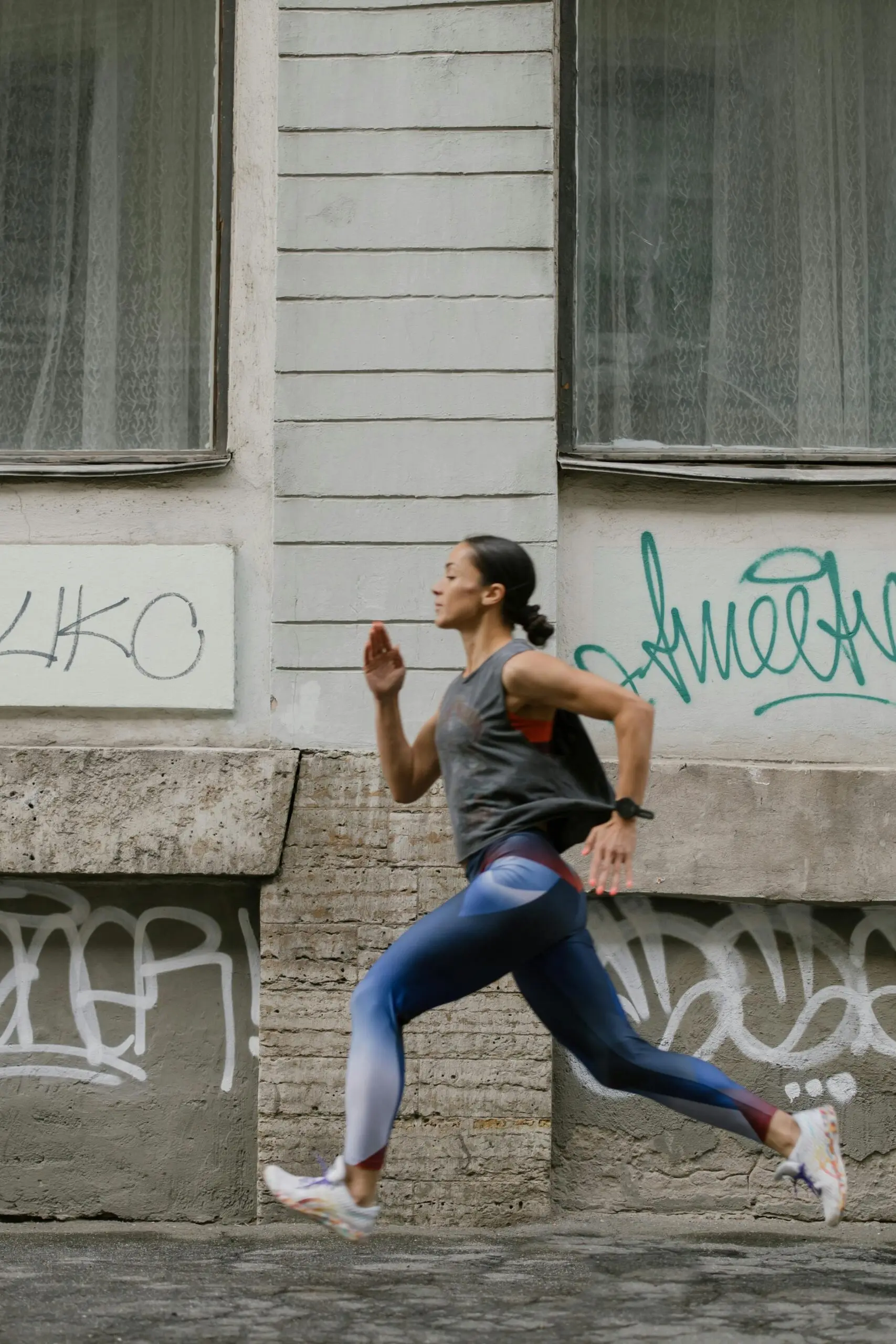
Exercise is one of the most effective anti-aging treatments.
February 4, 2026
Judith Cyriax
Can exercise stop skin aging? Dermatologists explain how training rejuvenates the skin, which care is important, and why telomeres play a role.


With
Dr. med. Timm Golüke und Dr. med. Elisabeth Zott-Schuhmachers
Sport keeps you fit and healthy - that's well known. But can regular exercise also stop skin aging? The clear answer from dermatologists: Yes. Exercise acts as a natural anti-aging remedy and can even rejuvenate the skin. Cellular processes and the right skin care during sports are crucial.
Those who engage in sports several times a week strengthen their immune system, protect their cardiovascular system, counteract obesity, promote mental well-being, and boost metabolism. So, sport has a positive effect on numerous body processes. But what about the largest organ of the human body? How does the skin benefit from regular exercise?
Yes, scientific studies show: Regular exercise causes telomeres - the protective caps of our chromosomes - to grow by up to 20% after 6 months. This slows down cell aging, stimulates collagen production, and keeps the skin firm and youthful for longer.
Exercise is one of the most effective anti-aging treatments available. Those who are physically fit usually feel young and agile. This positive effect of exercise on the aging process is not just a personal feeling, but scientifically proven by studies. Researchers at the Hannover Medical School have shown that physical activity actually leads to cells aging more slowly. The key factor is the interior of the cell nuclei.
Here sit the chromosomes that carry the genetic material, each of which looks like a small X. At the ends of these four arms are the so-called telomeres, which protect the genetic material from harmful influences. However, telomeres also age over the years, become a little shorter with each cell division, and eventually can no longer perform their protective function adequately. For the skin, this means, for example, the formation and deepening of wrinkles, as well as a loss of volume.
Regular exercise, however, allows the telomeres to grow again, up to twenty percent after six months. "Even in people who only start exercising later in life, this can reverse the skin's aging process," says Dr. Timm Golüke, a dermatologist from Munich.

"Exercise also affects the number and health of the mitochondria in our cells. These powerhouses of the cells are responsible for energy production. If this is intact and powerful, more collagen is formed and hydration is improved," according to the dermatologist.
Daylight not only regulates important hormonal processes and promotes the synthesis of vitamin D, which is crucial for bone development. The increased oxygen supply also supports intracellular processes for a youthful skin appearance. Especially during endurance training in the fresh air, the skin's blood circulation improves and the cell metabolism is stimulated.
This naturally also benefits the complexion, making it fresh and rosy. However, to prevent it from turning red, sunscreen with SPF 50 is a must for any outdoor sport, especially in spring and summer. Since oil-based sun protection can promote skin impurities, one should opt for light, oil-free textures that are also sweat and water-resistant.
"This type of sunscreen also benefits people with allergies or asthma," explains Munich-based dermatologist Dr. Elisabeth Schuhmachers. "When jogging, the skin comes into more contact with pollen. When you sweat more, they break open and release their allergens. However, an effective protective cream can ward off the allergens."
Dr. Golüke: "In addition, you can apply a serum with antioxidants before the sunscreen to protect the skin from free radicals. In winter, more fatty creams are used, which form a protective shield on the skin and mitigate cold and wind."
Of course, removing makeup before exercising isn't a must, but dermatologists advise avoiding makeup as much as possible. Dermatologist Dr. Timm Golüke says: “Ideally, you shouldn't wear foundation or powder when exercising. Sweating and the increased body temperature open the pores, which can be clogged by makeup particles. This can easily lead to blemishes and irritation.”
Much better: apply a hyaluronic acid-based care product to the cleansed face that absorbs quickly, allows the skin to breathe, and leaves no greasy film. “Moisturizing serums or gels mix better with sweat, don’t smear, and don't creep unpleasantly into the eyes,” says Dr. Schuhmachers. However, if you feel uncomfortable going completely “barefaced,” you can cover blemishes with a concealer.
In the end, sweat can flush sebum and small particles out of the pores, but only with very heavy sweating. So the idea that you are rewarded with a clear complexion after a workout is considered a myth by skin specialist Dr. Golüke. In his opinion, sweat has another very positive property.
“Sweat contains natural alternatives to antibiotics, so-called antimicrobial peptides. The most important peptide for the skin is dermcidin, which is pumped onto the skin via the sweat glands and forms a layer there that protects the skin from infections by other microbes and harmful germs.” In a gym, where germs and bacteria unfortunately occur more frequently, a real advantage.
However, skin prone to pimples and blackheads is more stressed by regular sweating. Impure skin generally produces more sebum, which can clog pores more easily and prevent sweat from draining well. It is therefore important to thoroughly cleanse after exercise using products that remove sebum residues, clear the pores, and reduce irritation. But even those with uncomplicated skin cannot avoid a cleansing routine.
“Above all, ammonia and urea, both substances in sweat, can cause irritation and inflammation if they remain on the skin for too long. Additionally, the contained sodium can dry out the skin,” explains Dr. Golüke. Gentle cleansers and mild, moisturizing care are therefore the best after-fitness program. Those who do their workouts in the evening can treat their skin with overnight masks.
Just during the pandemic, people tried to keep their time at the gym as short as possible. It was not uncommon to rush to your workout session and then get back home as quickly as possible. Generally a convenient thing, though unfortunately not beneficial for the skin.
Because the mix of sweat, sebum, and bacteria causes irritation, itching, and dry spots and needs to be removed as soon as possible. After a short cool down, which the body needs for post-sweating, a lukewarm shower with pH-neutral cleansers provides a refreshing care boost.
Water that's too hot washes out the skin's natural lipids and ceramides, while cold water stresses the body and makes it sweat again. If you like, once a week, smooth rough body spots with a body scrub; gentle lotions and creams moisturize the skin, promote elasticity, and provide a fresh glow.
As mentioned before, high-fat care products are rather counterproductive during and after sports. The only exception - those who often swim laps in the pool or like to work out with water aerobics should apply a rich body lotion to the skin beforehand, as chlorine dries out the skin extremely.
Due to increased blood circulation, the skin can react more sensitively to active and fragrance ingredients and tolerate highly concentrated products, which are otherwise unproblematic, less well. "In cosmetics, there are a whole lot of proven skin-protecting and skin-sparing ingredients. Allantoin and dexpanthenol activate the skin's healing processes, almond oil provides moisture, and ceramides strengthen the skin barrier," says Dr. Schuhmachers.
Another skin-friendly active ingredient that is becoming increasingly popular is the vitamin niacinamide. It protects against free radicals and activates the body's own collagen and elastin production. "Antioxidants are the key to healthy, firm, and fit skin. They effectively protect against oxidative stress and inflammation, preventing premature skin aging," says Dr. Golüke.
But even during sports, the skin enjoys a little refreshing attention. Cooling face sprays provide the face with hyaluronic acid, algae extracts, and thermal water.
They also alleviate redness. The so-called 'Red Face' occurs because more heat is generated during physical exertion. This causes the capillaries to dilate and take up more blood, which becomes visible on the skin's surface. Products containing anti-inflammatory and healing-promoting ingredients like Aloe Vera, Zinc, or Chamomile also help here.