© PR
December 8, 2025
Pia Landgrebe
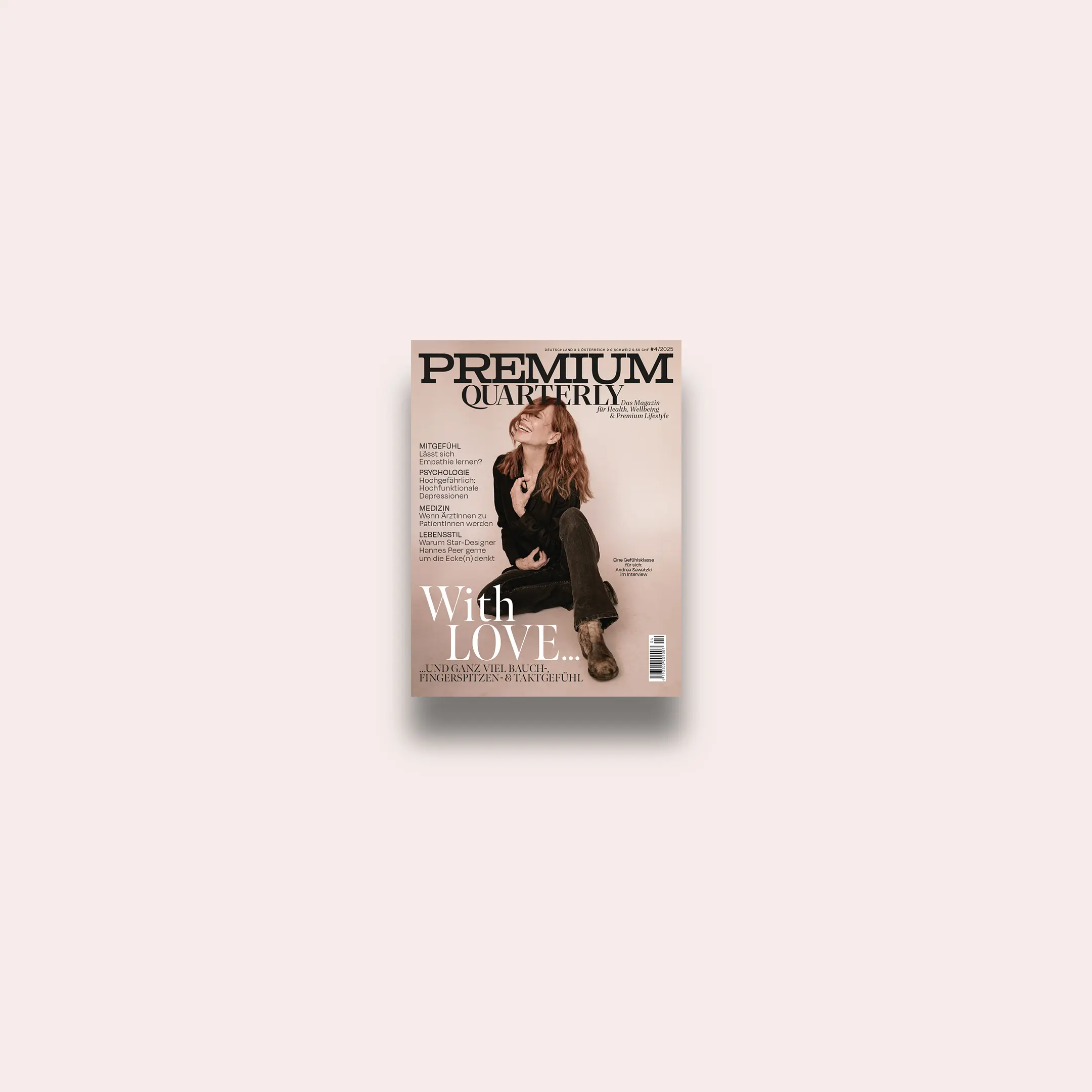
In the current issue of Premium Quarterly, everything revolves around the topic of feeling: neurologically, psychologically, socially. And why empathy, tact, and intuition are more important today than ever.
With experts from our network
Do we feel too little, or too much? In a world where emotions constantly bombard us, the question increasingly arises: How well are we still able to truly empathize?
Attached is an excerpt of the topics from the new issue of Premium Quarterly:
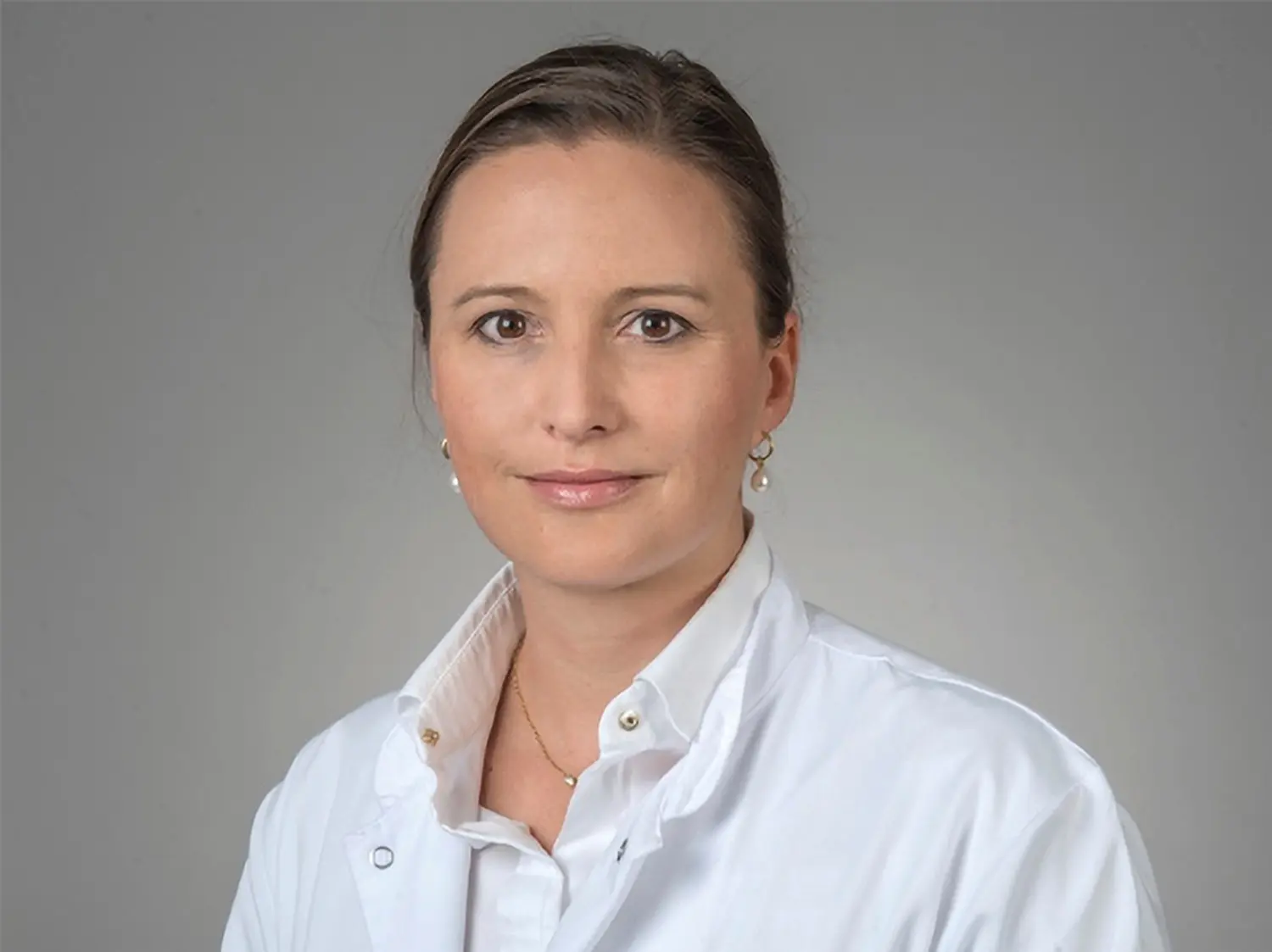
What is empathy and where is the line between compassion and pity? In the cover story of the new Premium Quarterly, the renowned neuroscientist Dr. Olga Klimecki-Lenz explains how different forms of empathy affect our behavior, our health, and even international conflicts. She warns: "Empathy can be very ambivalent and certain forms can increase aggression."
While even pity can promote altruistic behavior. Experiments showed that pity and the associated negative feelings can lead to helping others to alleviate one's own suffering." She advocates targeted empathy training, not only in everyday life but also in schools, clinics, and diplomacy.
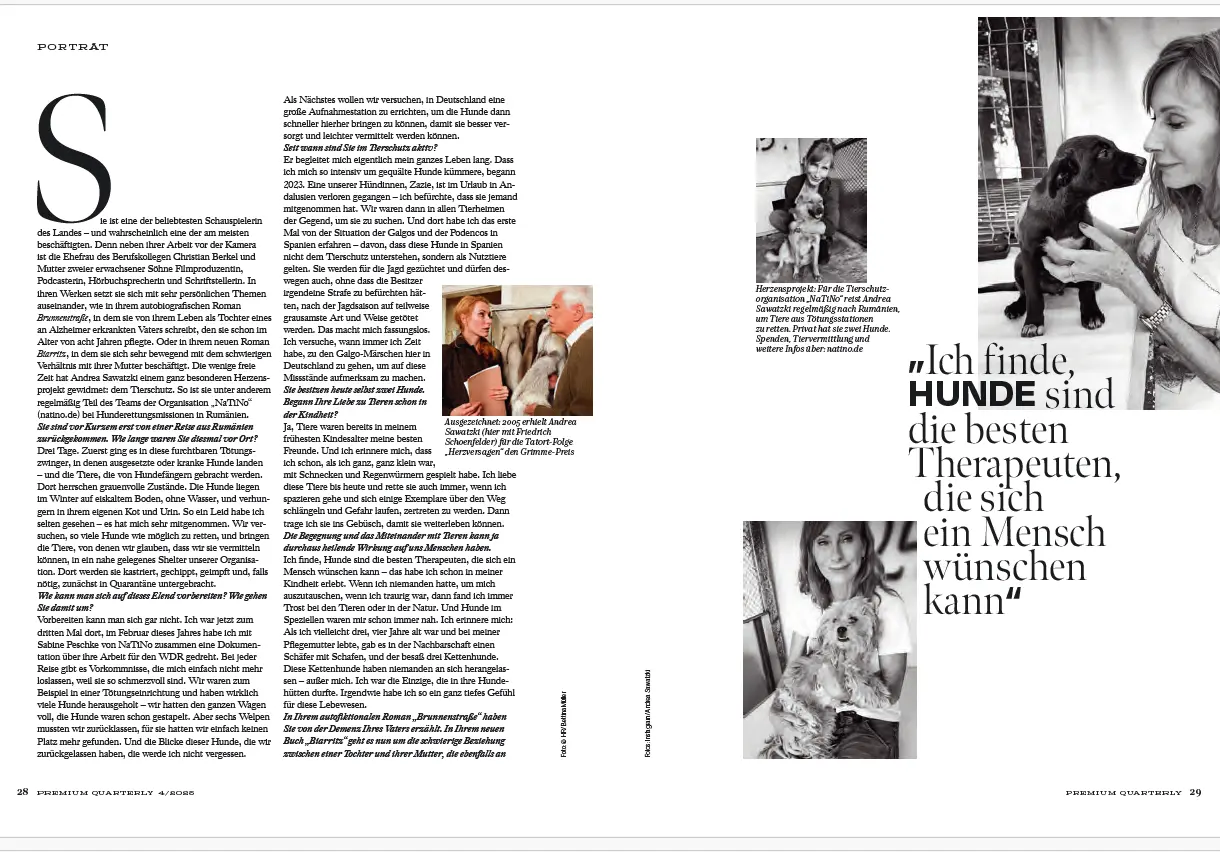
With great openness, Andrea Sawatzki talks in Premium Quarterly about family influences, her love for animals, and how to learn to rediscover the child within oneself. "I think dogs are the best therapists a person can wish for – I experienced this in my childhood. When I had no one to talk to when I was sad, I always found comfort in animals or nature."
Her own story was marked by loss, responsibility, and pain, all experiences she did not want to pass on: "When our first son was born, I realized that I wasn't how I wanted to be. Something was preventing me from feeling pure joy or being able to love truly from the heart (…) I was constantly monitoring myself, observing whether I was doing everything right (…) I then started an analysis."
Working on myself has been very difficult for me and has driven me crazy at times. But in the end, it has brought me something because I was able to face the ghosts of the past (...) I believe that only when you rediscover the child in you and learn to accept yourself as you are, and to love yourself, only then can you pass on love. And only then will it eventually become bright in life again."
© PR
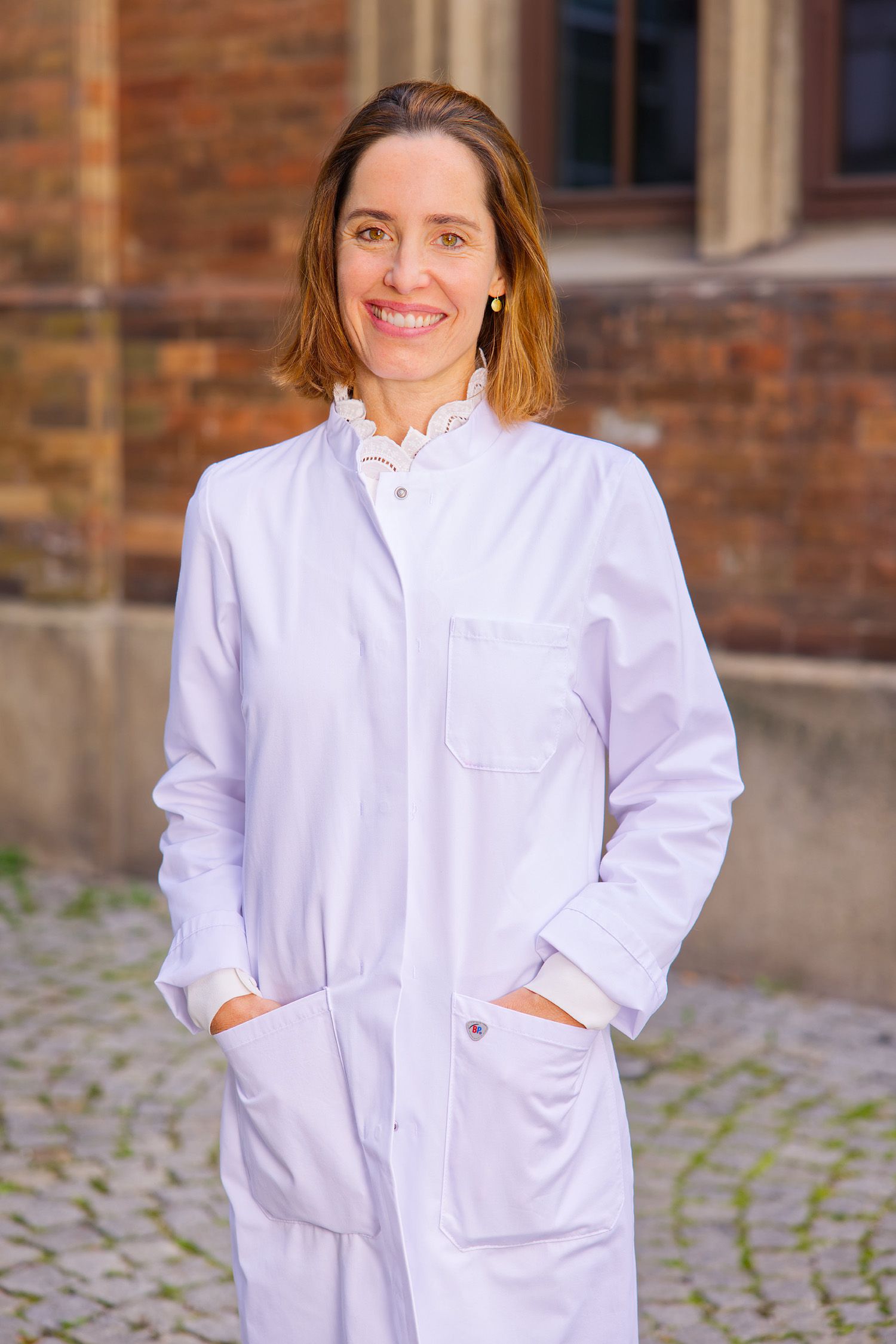
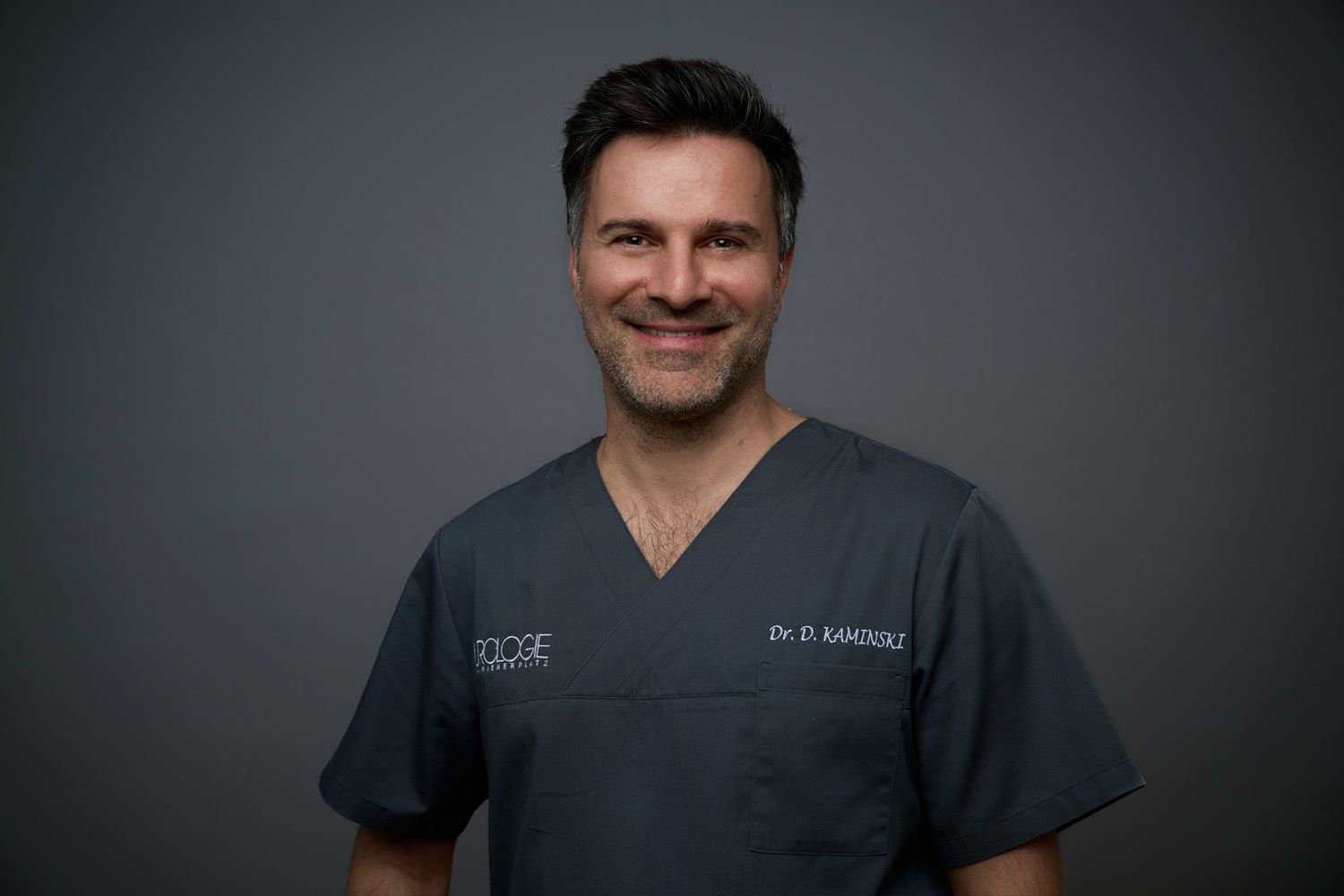
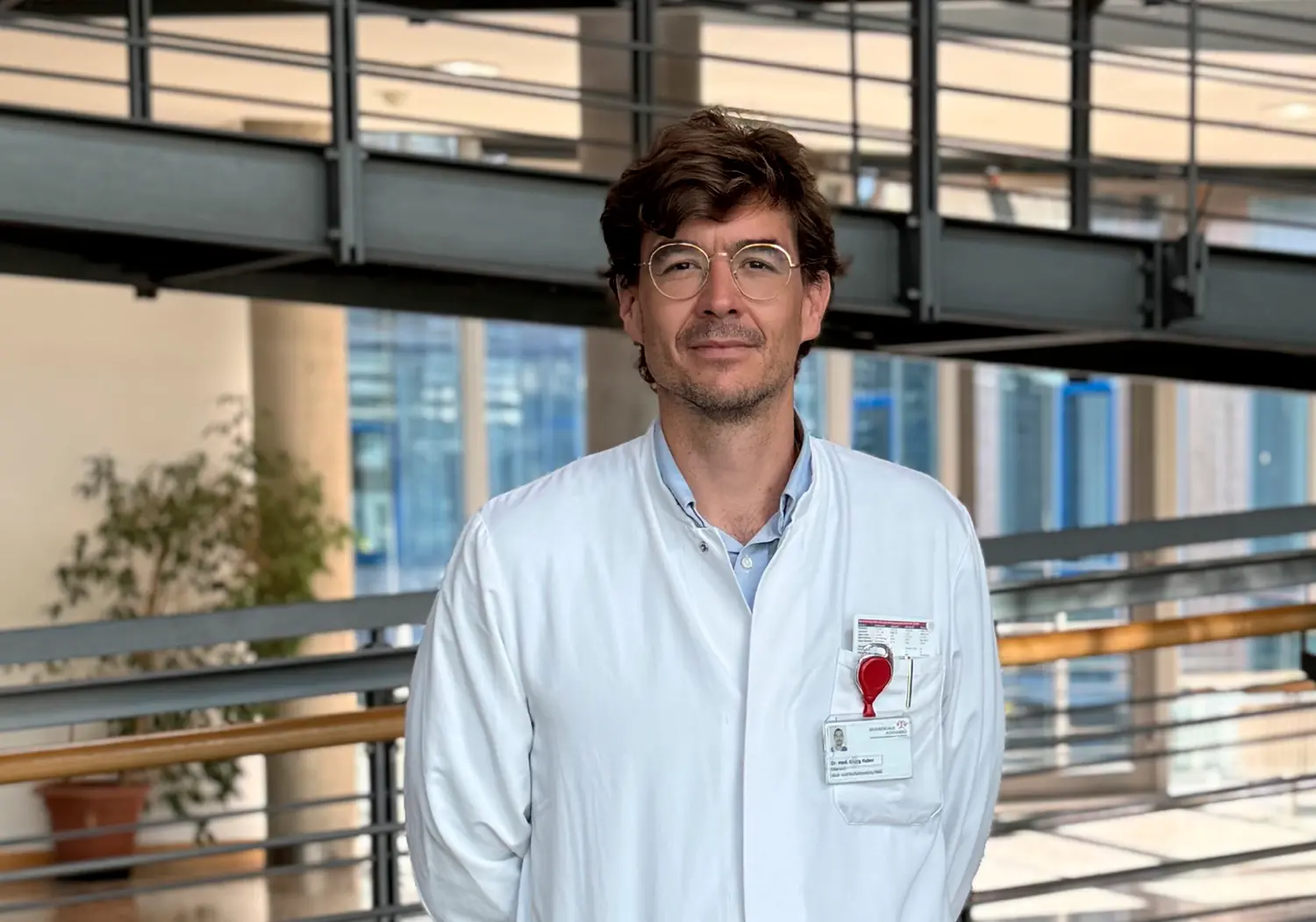
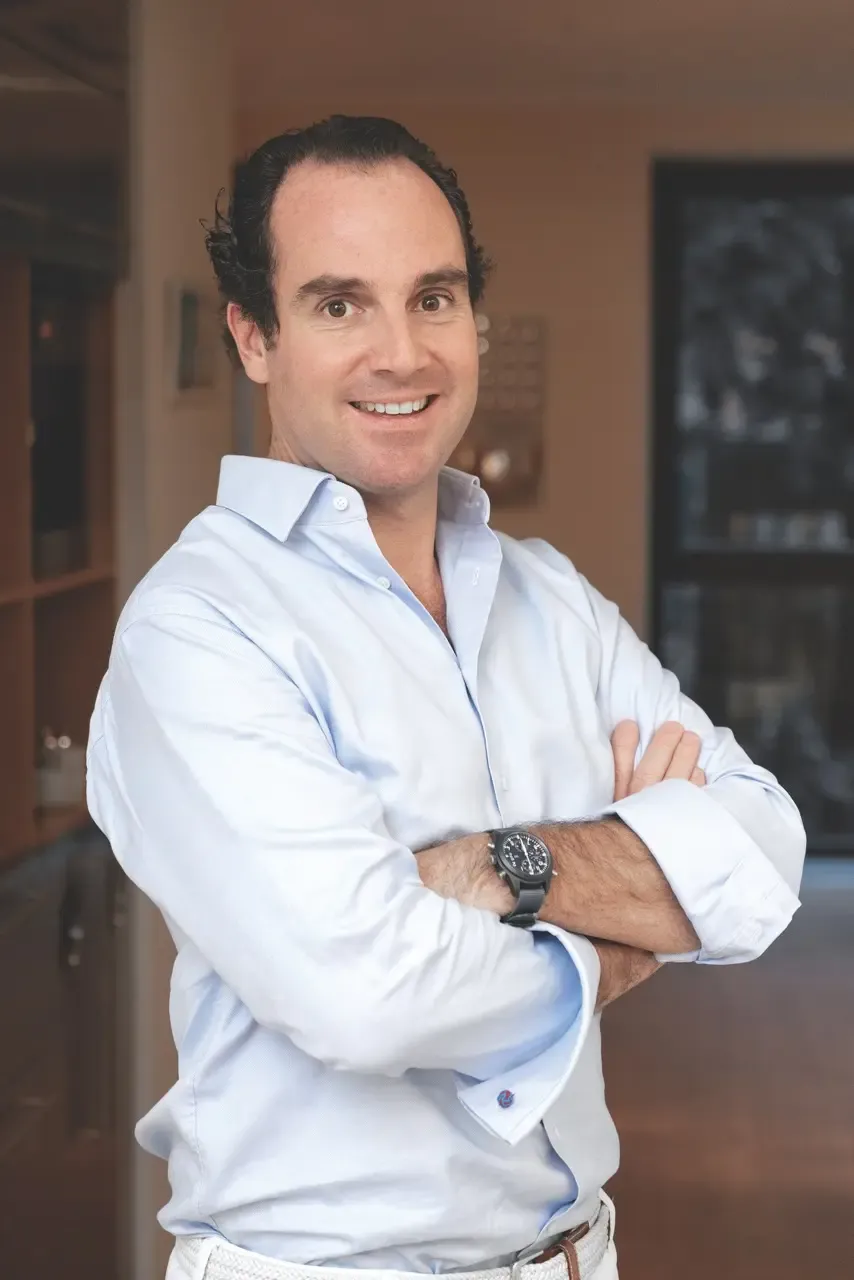
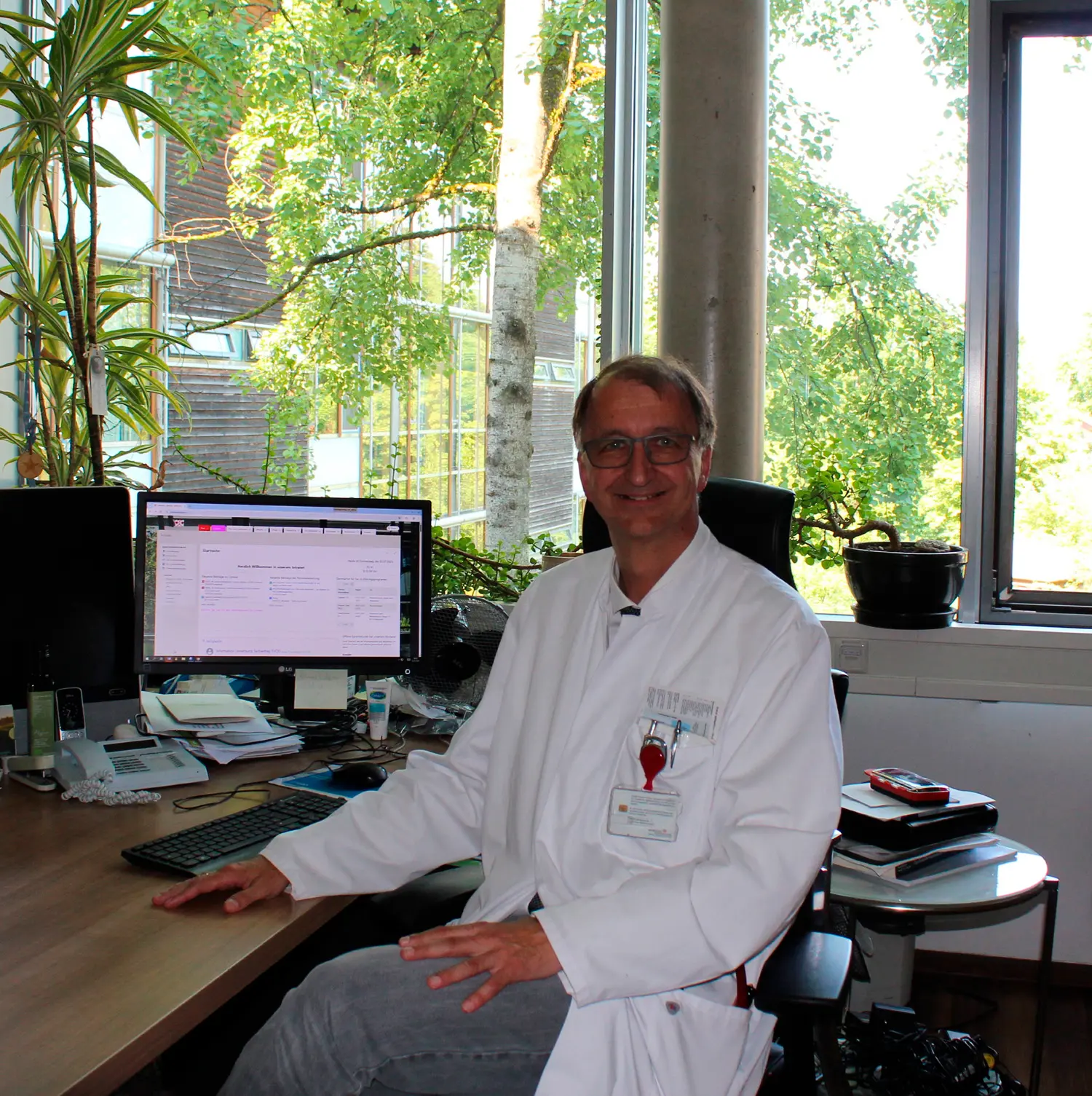
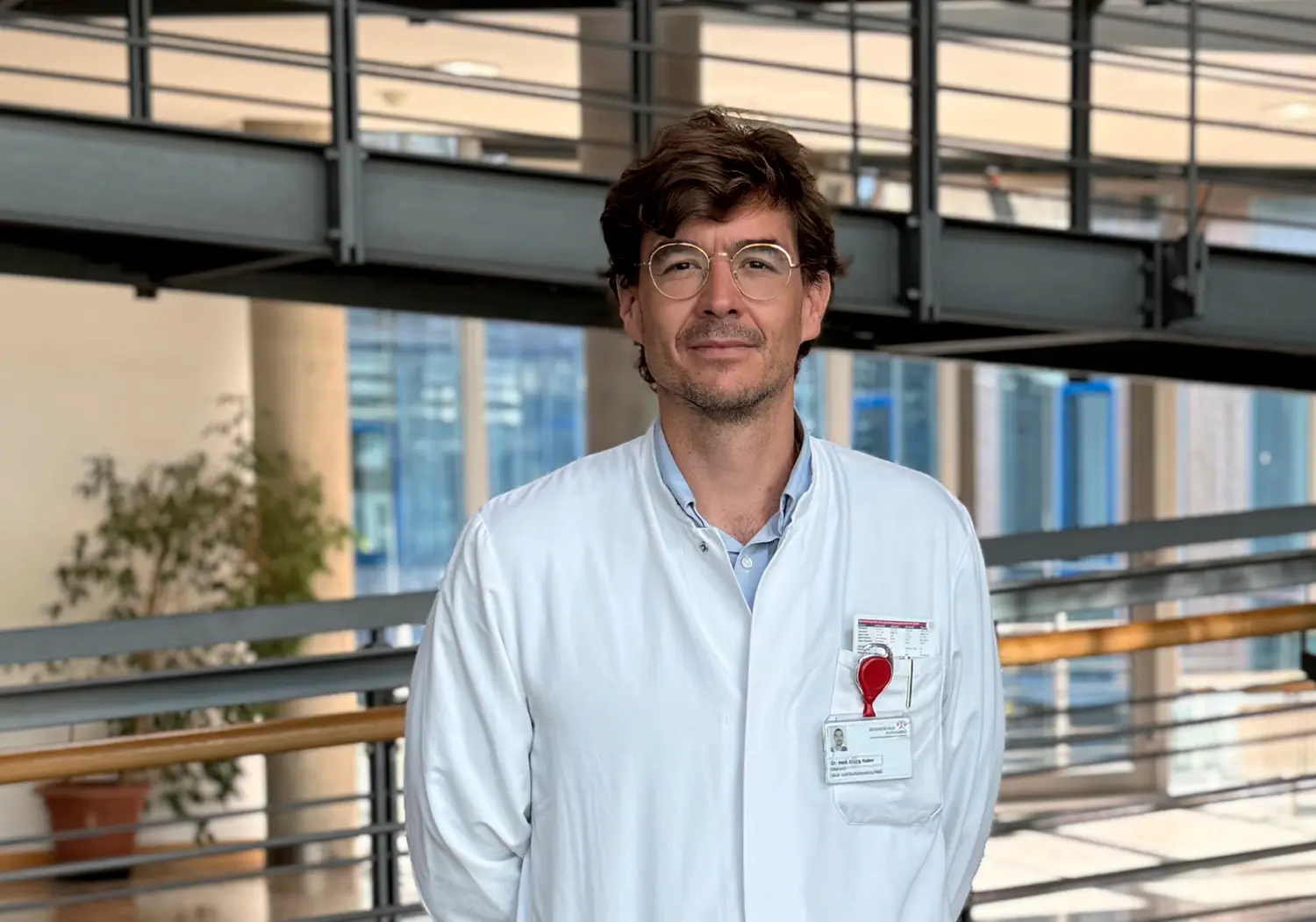
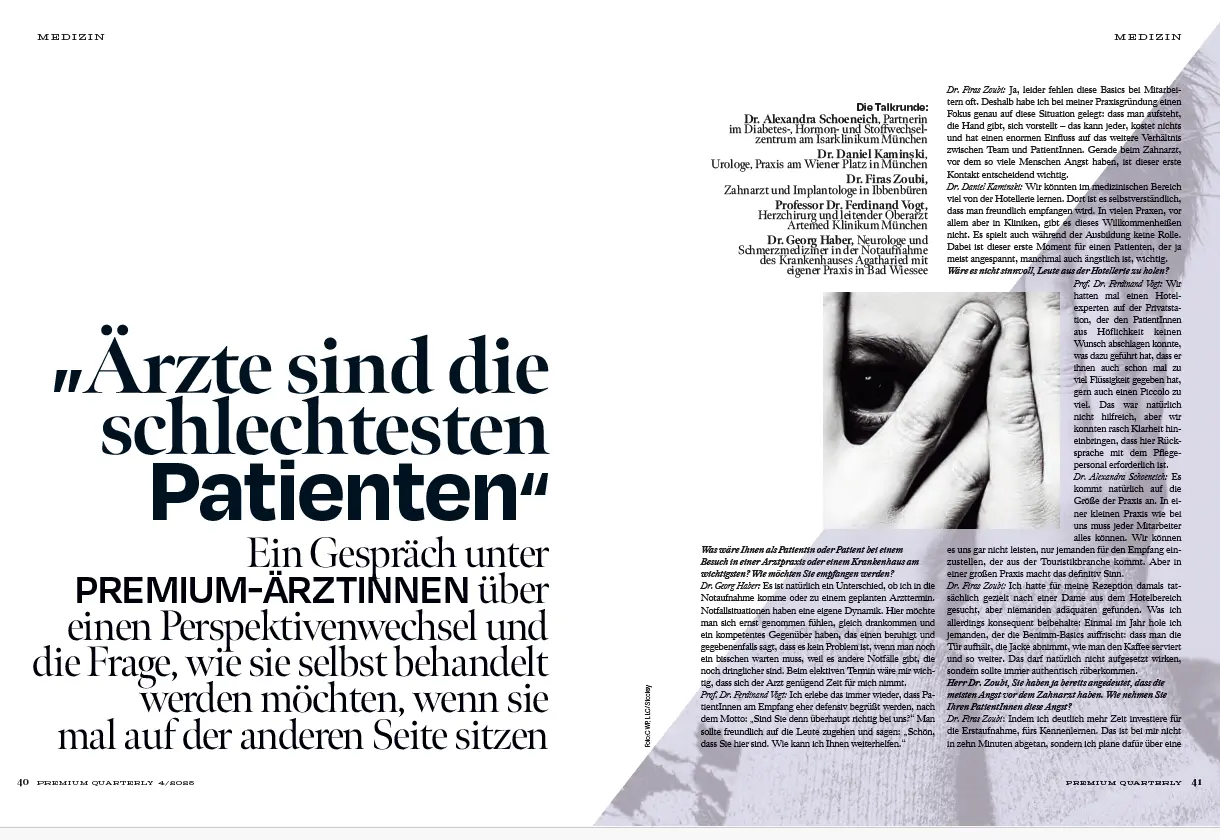
How do doctors actually want to be treated themselves? In a discussion round with five members of Premium Medical Circle – including diabetologist Dr. Alexandra Schoeneich, urologist Dr. Daniel Kaminski, dentist Dr. Firas Zoubi, heart surgeon Prof. Dr. Ferdinand Vogt and neurologist Dr. Georg Haber – the topics were trust, enlightenment, and the question of why it is so important to meet at eye level.
"Personally, I would always look at the doctor who is going to operate on me before surgery," says Dr. Alexandra Schoeneich. Dr. Kaminski emphasizes: "We could learn a lot from the hotel industry in the medical field. There it is a matter of course to be greeted friendly." Prof. Dr. Vogt states: "Patients are often not welcomed at reception, but rather greeted defensively." And Dr. Firas Zoubi puts it bluntly: "I treat my patients the way I want to be treated myself."
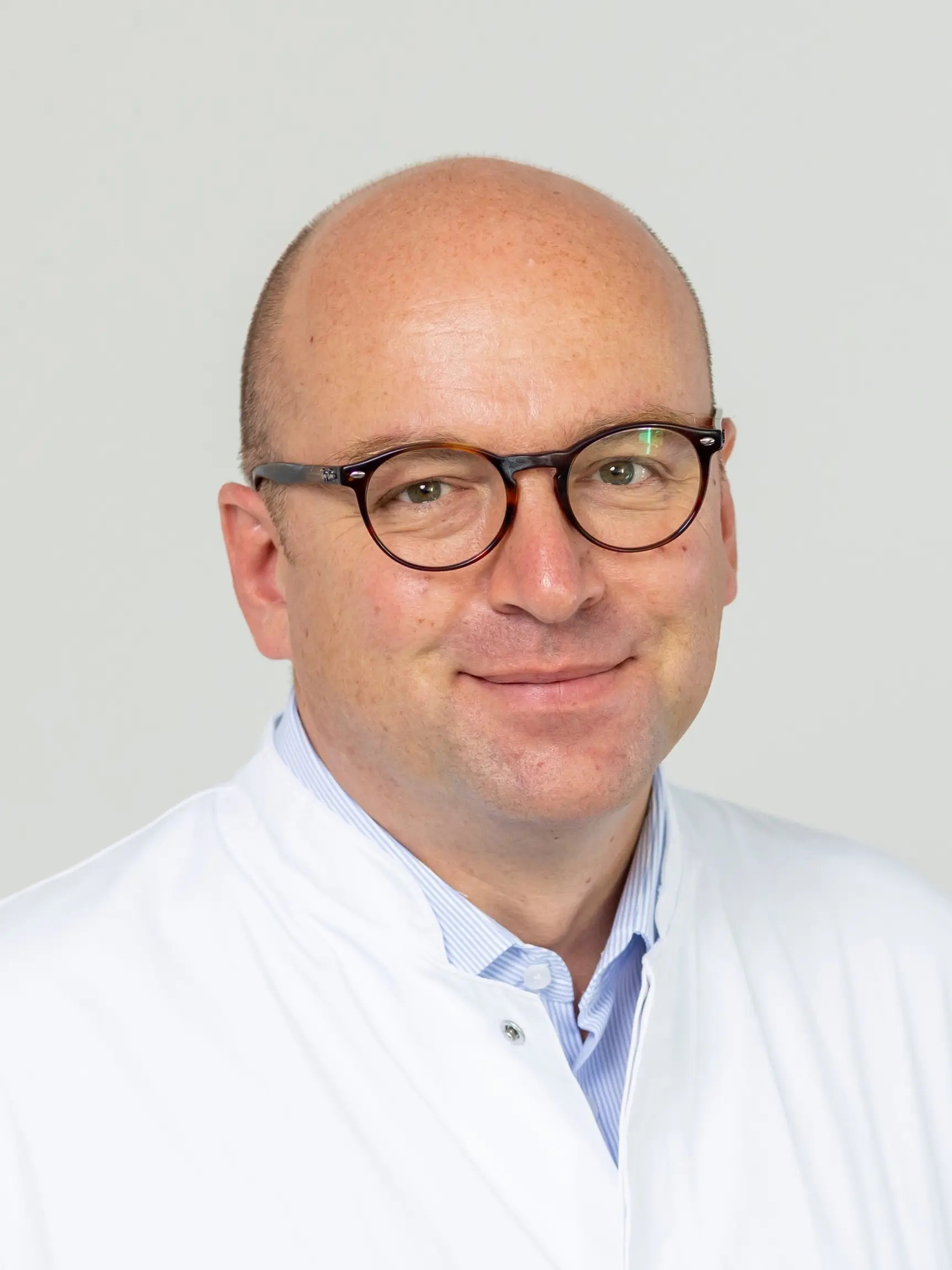
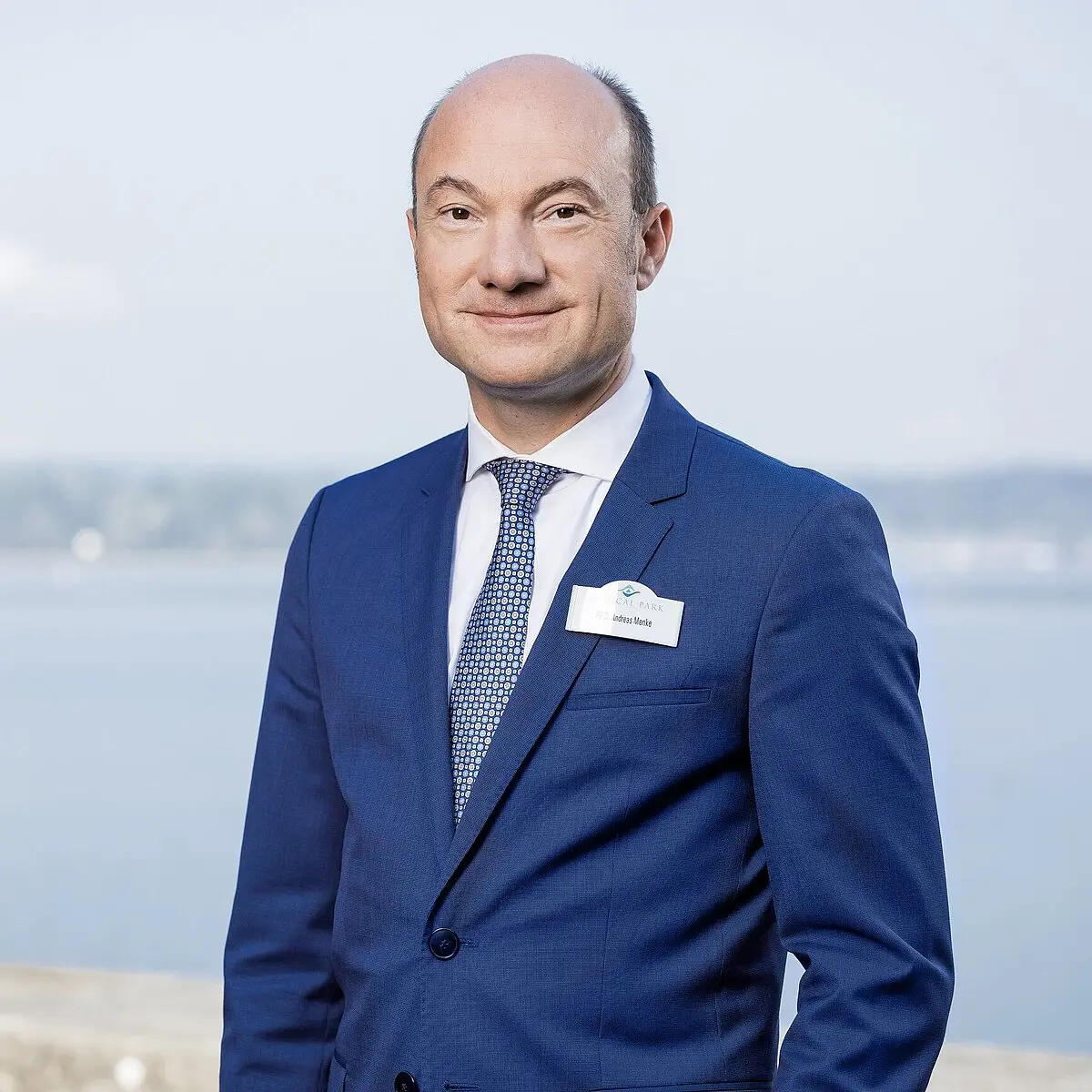
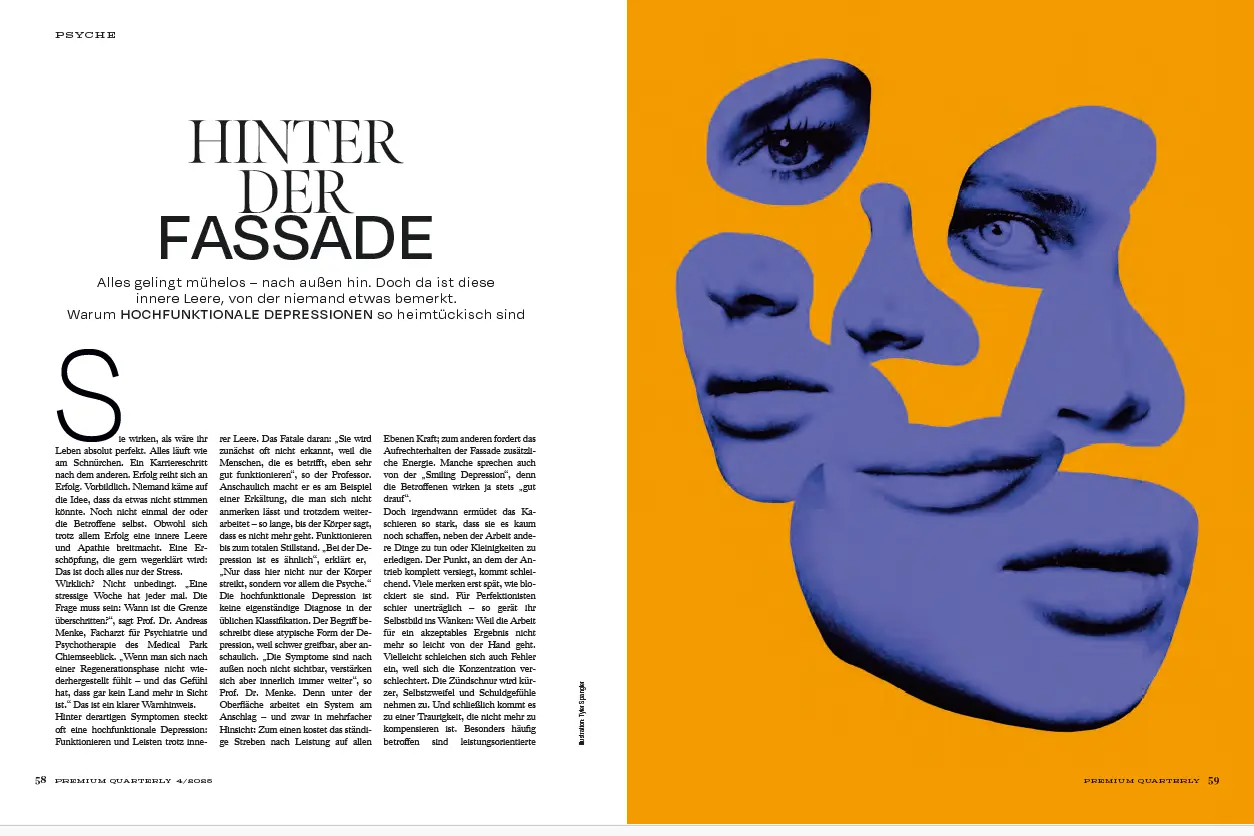
Success, control, perfection and yet an inner emptiness. In an extensive conversation, Premium Medical Circle member Prof. Dr. Andreas Menke, specialist in psychiatry and psychotherapy, talks about the insidious dynamics of so-called high-functioning depressions.
"It is often not recognized because the people affected function very well – until they can't anymore." In Premium Quarterly, he explains why high achievers are particularly at risk and what keeps them from their own exhaustion. One of the most important lessons – and this applies to all of us: You should take your psyche seriously. "Many people tend to rationalize everything, recognize and focus on the stressors. They are always looking for external reasons when they are sad. However, that is not the basic principle of the psyche," explains Prof. Dr. Menke.
"You don't need a reason for depression – that's a symptom of the disease." You should learn to understand that the psyche is vulnerable and resilience can be built up. It deserves as much attention as the body. And if it needs help, it is not a sign of weakness to accept it – but of courage.
© PR
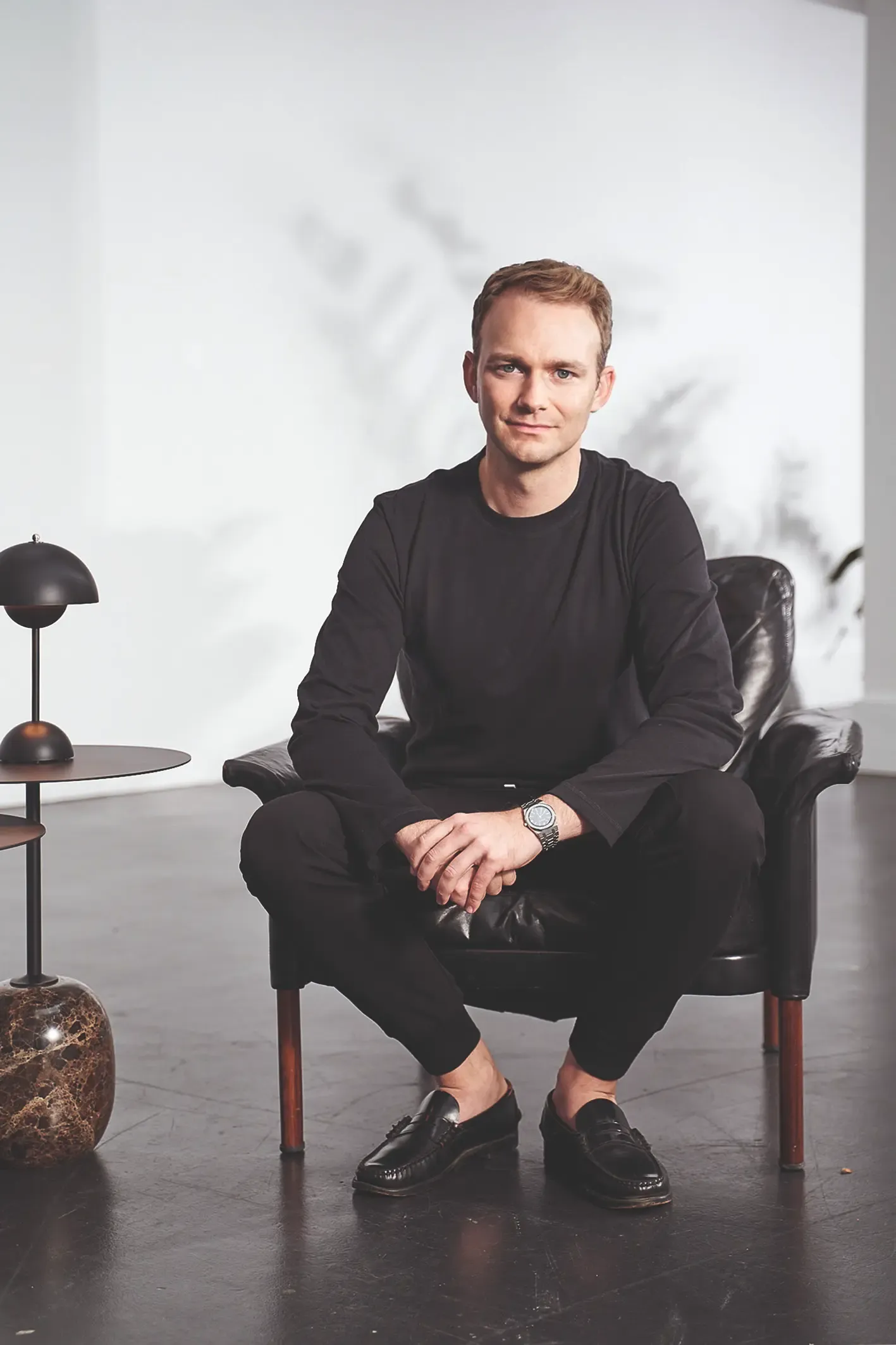
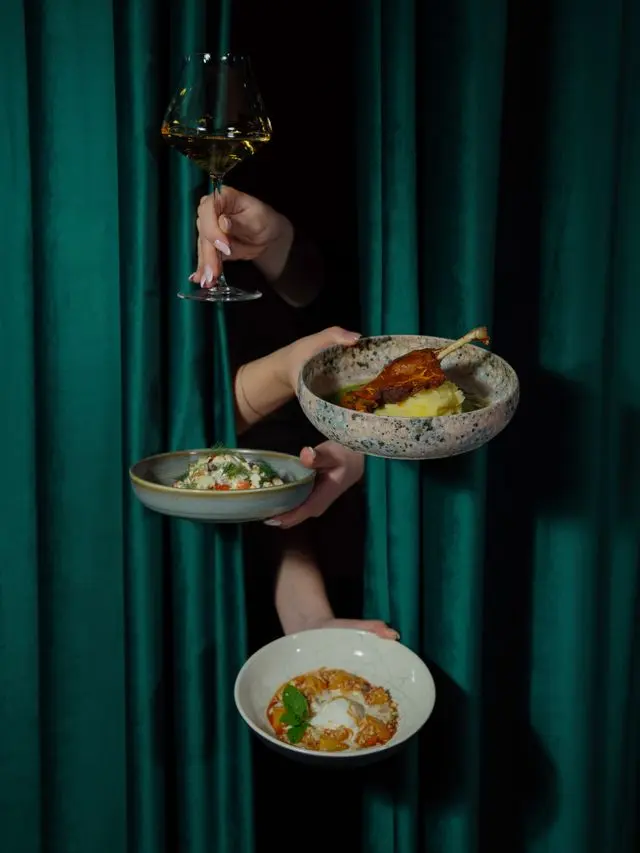
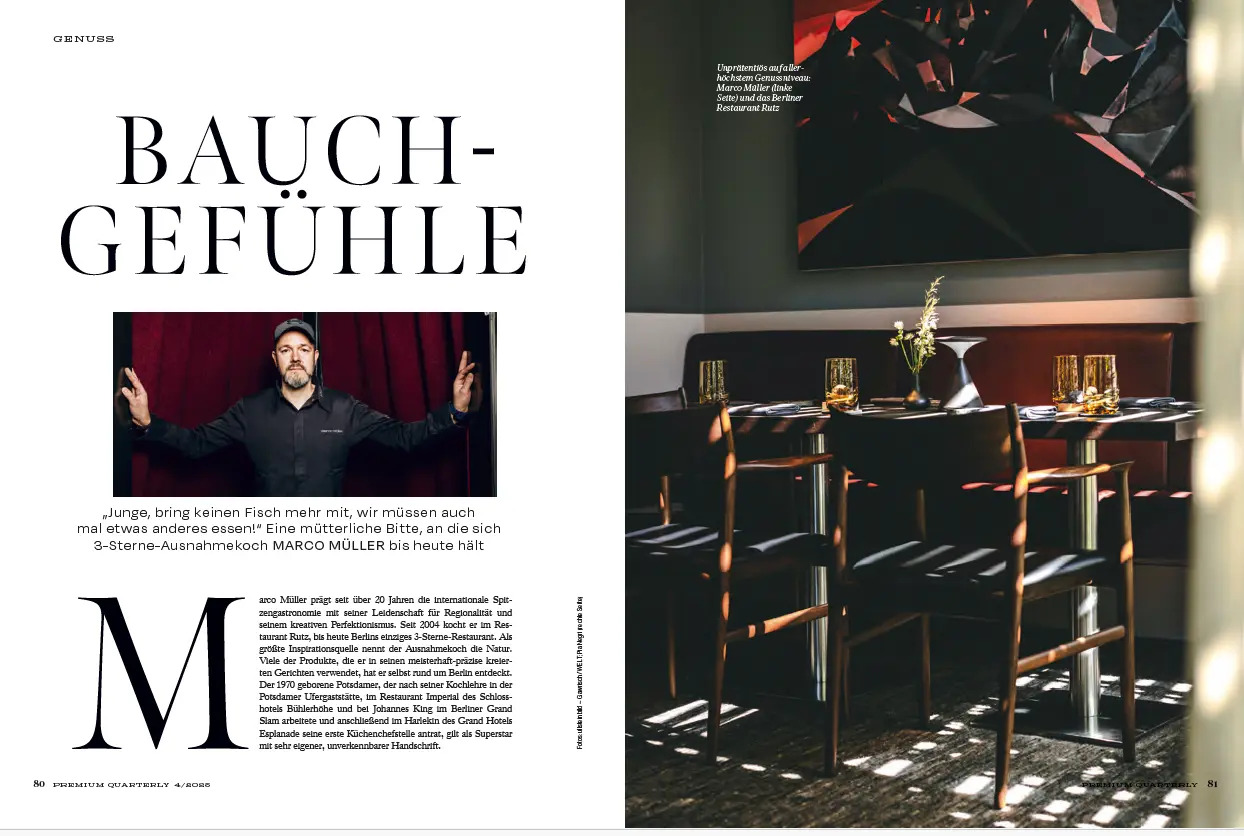
3-star chef Marco Müller shares insights into his childhood, philosophy, and journey to one of the most exciting regionally influenced cuisines in Europe in an interview with Premium Quarterly. Early on, he was shaped by flavors, scents, and textures, from the sweet taste of fresh grass blades to the smell of the neighboring sawmill. Today, he translates these memories into masterful dishes at the top Berlin restaurant Rutz. “I had an idea. A gut feeling. And then I found people who joined me.”
The fact that Müller consciously excludes trends makes his signature all the more unmistakable: "We have an Instagram creativity ban! Just kidding ... But I think anything inspired by external influences is not unique. The more everything adjusts globally, the more boring it becomes. Back when we started with our concept, there was no Instagram either. Trends come and go. The exciting thing about our profession is developing something unique and independent. I am often asked what the next trend in Berlin is. I don't really care, because what we do is not a trend, but a long-term development.”
© PR

 Find a Doctor
Search the network for suitable specialists and contact them directly
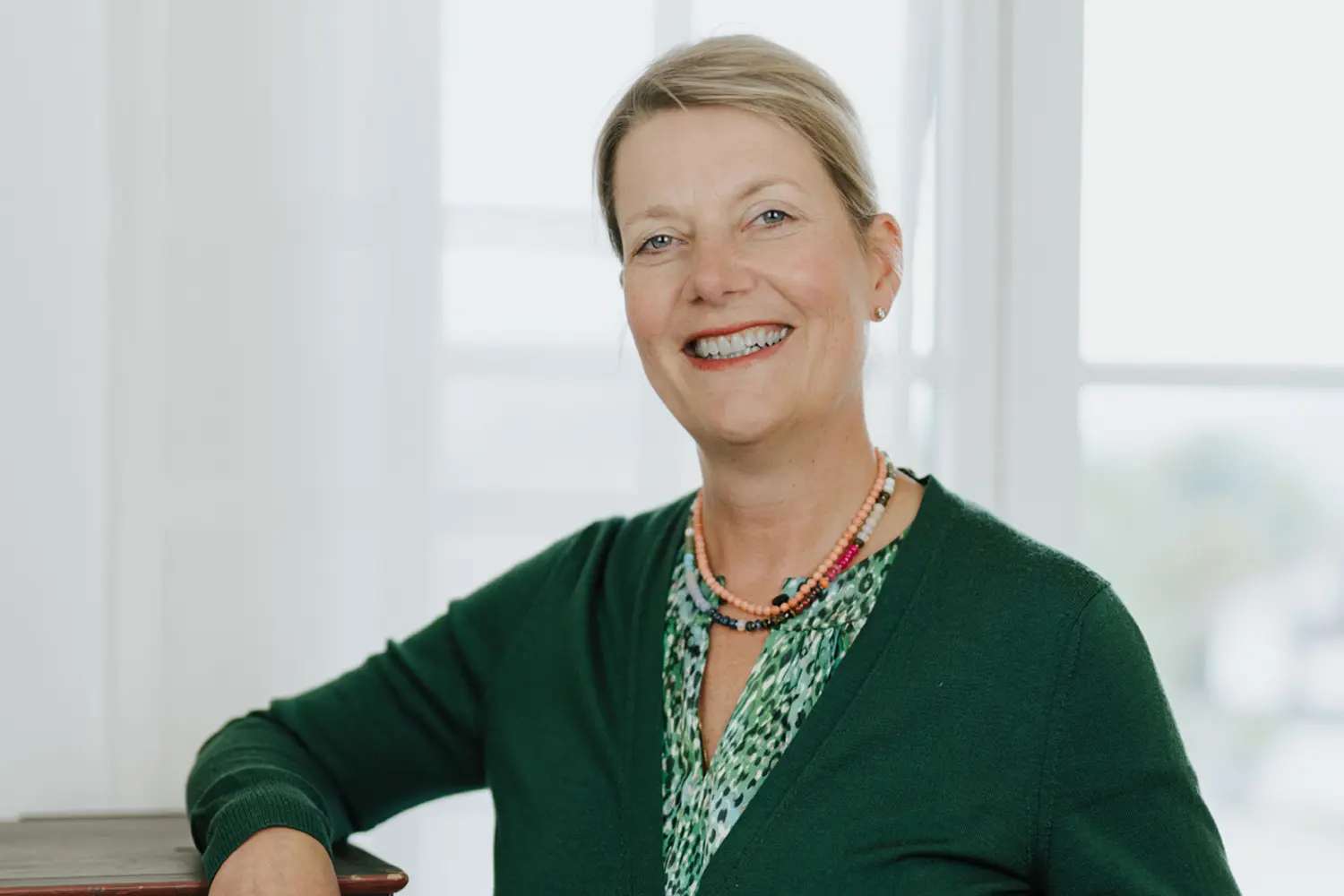
"Feel Good, Live Better" – in this podcast episode, Dr. Gesche Brannolte-Raab shares what each of us can do to reduce our risk of developing cancer.
Christine Bürg
An interview with
Dr. med. Gesche Brannolte-Raab

Deadline pressure, constant availability, little time to recover: stress is often unavoidable in everyday life. But when does it actually become a risk to the heart? Cardiologist Prof. Dr. Uwe Nixdorff explains why recovery is crucial — and how chronic stress can even be measured.
Christine Bürg & Marianne Waldenfels
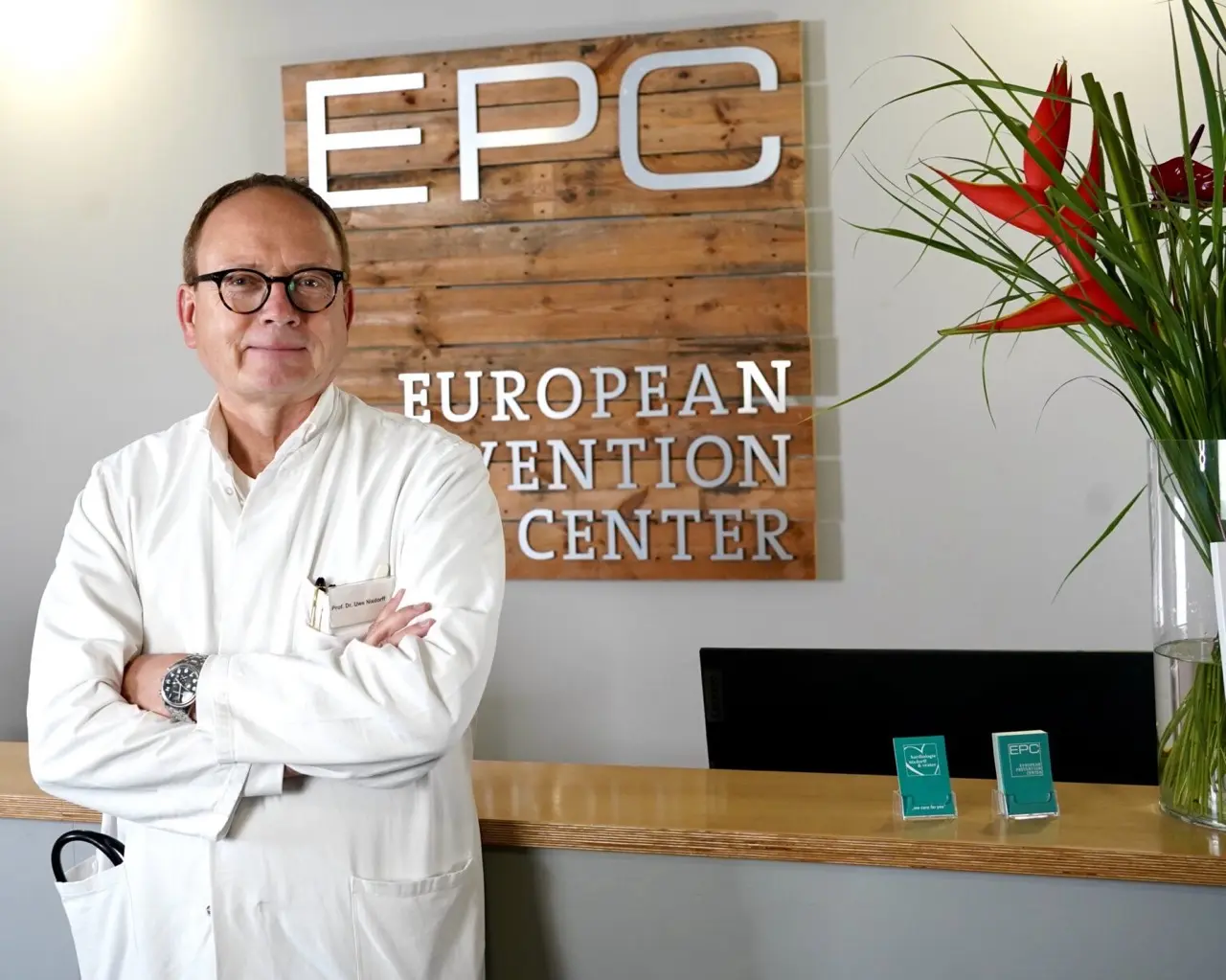
An interview with
Prof. Dr. Uwe Nixdorff