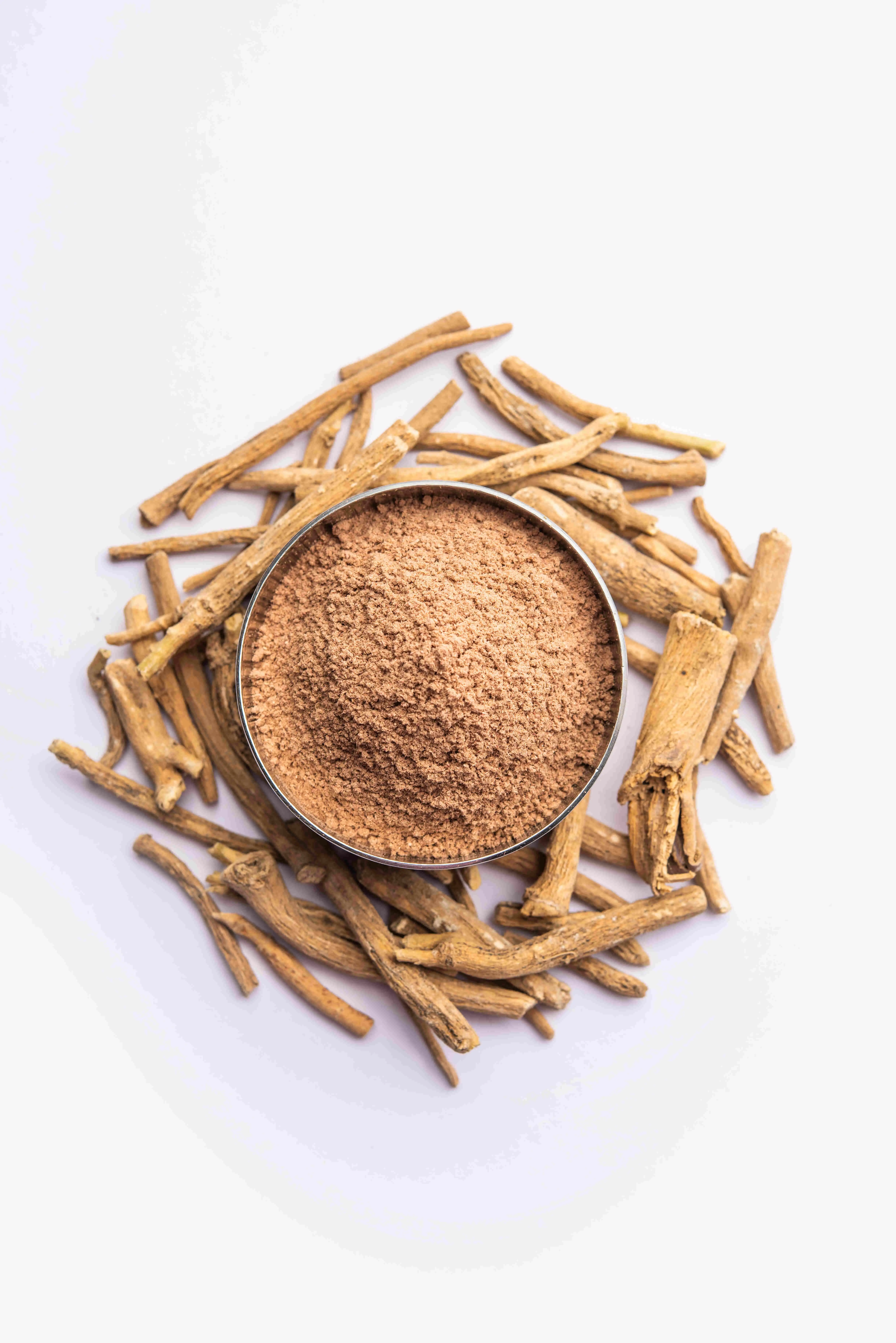
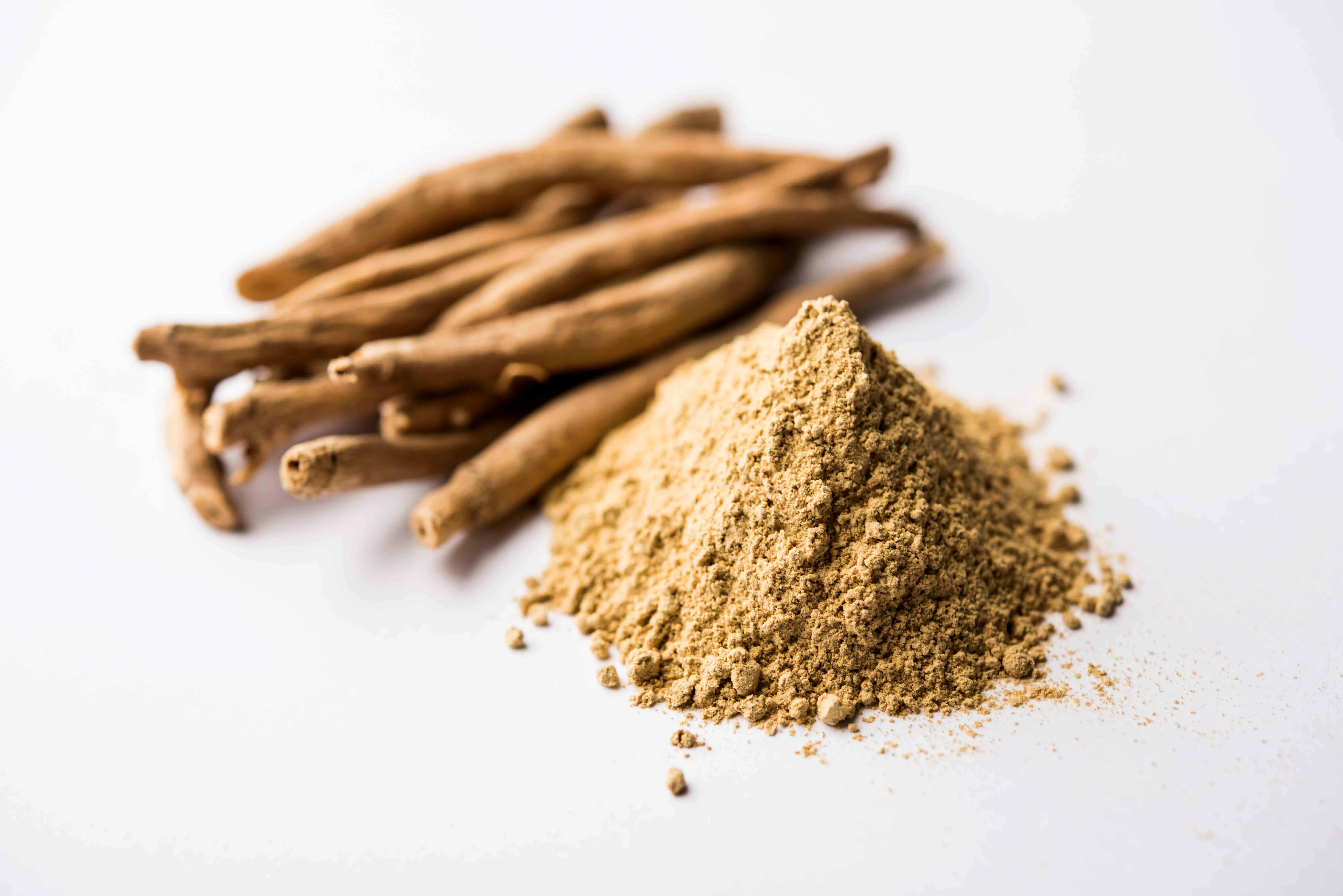
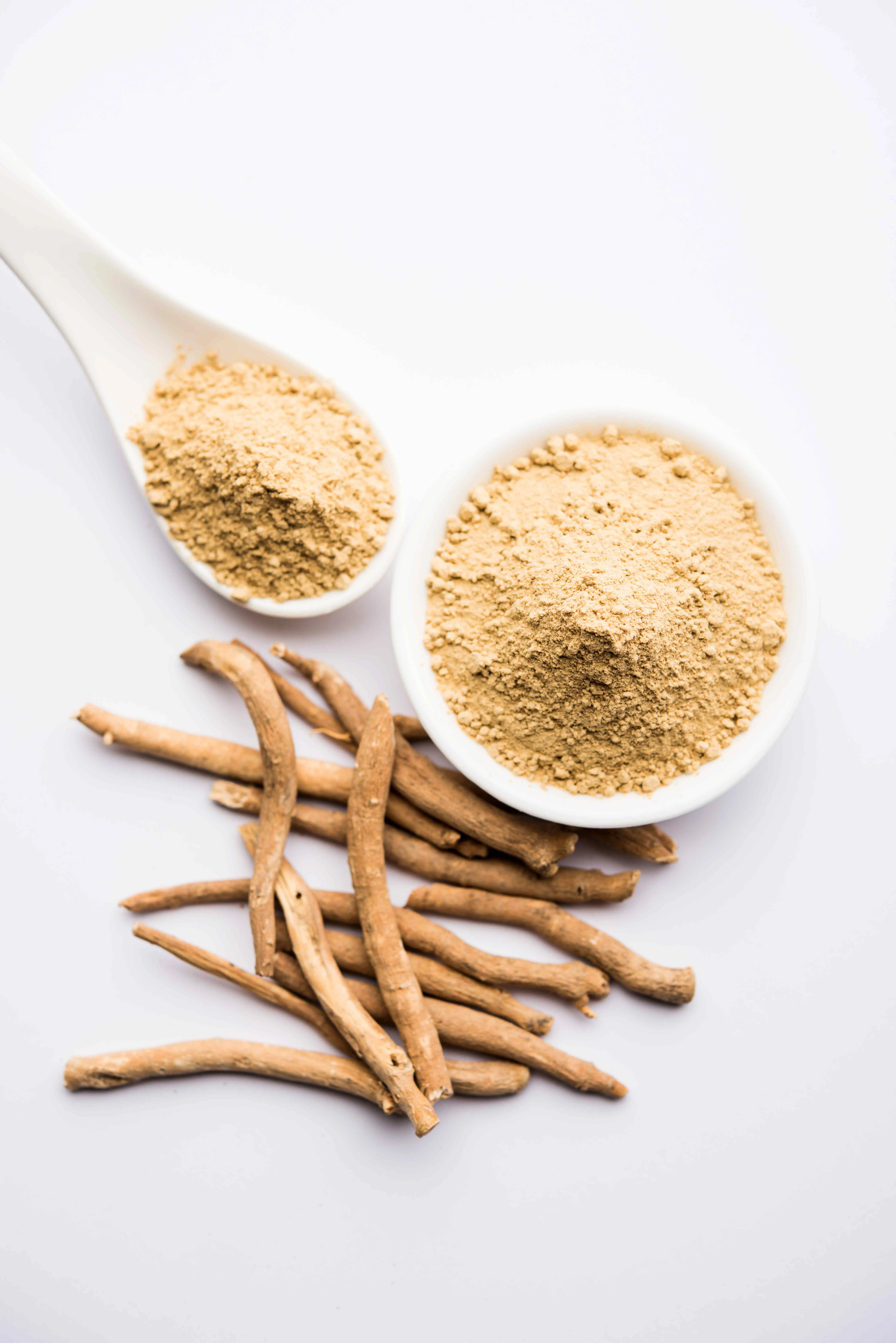
The medicinal plant Ashwagandha (Withania somnifera) is one of the best-known adaptogens from traditional Indian medicine (Ayurveda) and is often used for stress, sleep problems, and exhaustion. Clinical studies show that standardized Ashwagandha extracts can reduce stress, improve sleep quality, and support cognitive functions. Despite its "natural" origin, it is a pharmacologically active plant extract that Ashwagandha side effects and in rare cases can cause more serious complications.
This overview explains what risks are known, what side effects can occur, what studies say about safety—and who should better avoid Ashwagandha.
What is Ashwagandha?
Ashwagandha is a medicinal plant from Ayurvedic medicine used as an adaptogen—a plant substance that is supposed to help the body cope better with stress. Many people today take Ashwagandha as a dietary supplement, for example:
for stress and exhaustion
for improving sleep
to increase concentration and focus
in the area of fitness and recovery
In clinical studies, standardized extracts are often used in doses of about 300 to 600 mg per day over 6 to 12 weeks.
Common Ashwagandha side effects
In Studies and experiences are primarily mild side effects described, which usually occur at the beginning of intake or at higher dosages:
randomized, double-blind studies In stressed but otherwise healthy adults, doses of 300–600 mg of Ashwagandha extract daily primarily resulted in mild, transient discomforts. Many users take Ashwagandha deliberately in the evening because its calming effect can promote sleep – which can lead to fatigue or concentration problems during the day in sensitive individuals.
In addition to common, mostly mild side effects, rarer, more severe risks are also discussed in the medical literature.
Ashwagandha and liver damage
In recent years, isolated cases of liver damage after taking Ashwagandha supplementshave been reported. Affected individuals developed symptoms such as:
yellowing of the skin (jaundice)
dark urine
severe itching
pronounced fatigue or weakness
A case series from India described 23 patients with liver-related side effects, including cholestatic hepatitis and acute-on-chronic liver failure. In many cases, liver values improved after discontinuation of the preparation, indicating a possible causal relationship.
Whether ashwagandha itself or impurities in supplements were the sole cause is unclear in many reports. Nevertheless, the rule is: If you experience unusual symptoms, you should stop taking it immediately and seek medical advice.
Ashwagandha and the thyroid
Ashwagandha can affect the activity of the thyroid gland. In a double-blind, randomized
study involving people with subclinical hypothyroidism, 600 mg of ashwagandha root extract daily for eight weeks led to a significant increase in T3 and T4 as well as a decrease in TSH levels. For people with thyroid disorders – such as hyperthyroidism or Hashimoto's thyroiditis – this can be problematic because additional stimulation can amplify symptoms or complicate medication management. Therefore, intake should only occur after medical consultation and under monitoring of thyroid levels.
Ashwagandha and the immune system
Ashwagandha shows immunomodulatory and partially immunostimulatory effects in experimental studies. In healthy people, these are generally unproblematic – in autoimmune diseases however, they could play a role. Examples:
Multiple sclerosis
Rheumatoid arthritis
Systemic lupus erythematosus
Anyone suffering from an autoimmune disease should always consult a doctor before taking dietary supplements with immunomodulatory effects.
What do studies say about safety in stress and sleep?
Several clinical studies investigated Ashwagandha for stress and sleep disorders – and simultaneously provided data on tolerability:
A randomized, double-blind study with 130 stressed adults showed that 300 mg of Ashwagandha extract twice daily for 90 days reduced stress and cortisol without serious treatment-related side effects.
A study with 600 mg of Ashwagandha over six weeks in individuals with sleep disorders showed a significant improvement in sleep quality and duration with only mild, transient side effects.
A meta-analysis of five randomized controlled trials (a total of 400 participants) confirmed a positive effect on sleep quality with overall good tolerability.
This data suggests that Ashwagandha is relatively well tolerated by many healthy adults when used in moderate doses for short to medium-term periods – but it does not rule out rare individual cases such as liver damage.
Interactions: Ashwagandha and medications
Ashwagandha can interact with certain medications by enhancing or weakening their effects.
Sedatives and sleeping pills
Since Ashwagandha itself has a calming effect, it can enhance the effect of benzodiazepines (e.g., Diazepam, Lorazepam) and other sedatives – with possible consequences: increased drowsiness, prolonged reaction times, or in extreme cases, respiratory depression.
Blood pressure medications
Ashwagandha can slightly lower blood pressure. In combination with antihypertensives (e.g., ACE inhibitors, beta blockers, calcium channel blockers), the effect can become too strong, leading to low blood pressure.
Thyroid medications
People taking levothyroxine or other thyroid hormones should exercise caution: Ashwagandha can stimulate endogenous thyroid hormone production and thus affect the efficacy of existing hormone therapies.
Immunosuppressants
Due to immunomodulatory effects, Ashwagandha could theoretically counteract the effects of immunosuppressants – for example, after organ transplants or in autoimmune diseases.
In general: Those who take medication regularly should use Ashwagandha only after consulting a doctor.
Who should not take Ashwagandha?
Ashwagandha is generally not recommended for the following groups not recommended:
Pregnant and breastfeeding women (insufficient safety data, possible risks in animal models)
People with autoimmune diseases (e.g., MS, lupus, rheumatoid arthritis)
Persons with thyroid disorders (hyperthyroidism, Hashimoto's), especially without medical supervision
People with liver problems or unclear liver value deviations
People with multiple medications (e.g., sedatives, blood pressure medications, thyroid medications, immunosuppressants)
It is also recommended to discontinue Ashwagandha at least two weeks before surgery, as its calming effect could influence anesthesia.
How can risks be reduced?
Those who want to try Ashwagandha can observe the following precautions:
Start with a low dose: Many studies use 300–600 mg of extract per day. Slow titration can improve tolerability.
Pay attention to tested products: Quality seals, standardized extracts, and manufacturers with transparent certificates of analysis reduce the risk of contamination.
Take warning signs seriously: If the skin turns yellow, if there is severe itching, dark urine, severe stomach problems, or unusual tiredness, stop taking it immediately and consult a doctor.
Seek medical advice if in doubt: Especially for existing conditions (liver, thyroid, autoimmune diseases) or regular medication intake.
Conclusion: Realistically assess Ashwagandha side effects.
Ashwagandha is considered relatively well-tolerated for many healthy adults with moderate dosage and limited duration of use – supported by several randomized, placebo-controlled studies. At the same time, case reports of liver damage and data on the influence of thyroid function show that the plant extract should not be underestimated as a harmless wellness product. Those who want to use Ashwagandha should pay attention to quality, appropriate dosage, and possible pre-existing conditions – and seek medical advice in case of doubt.
Common questions about Ashwagandha side effects
What are the side effects of Ashwagandha?
The most common side effects are gastrointestinal complaints, drowsiness, and mild headaches. In rare cases, liver damage has been reported. Can Ashwagandha damage the liver?
? Yes, in some cases, liver damage has been documented after taking Ashwagandha. If symptoms like jaundice or dark urine appear, the intake should be stopped immediately.
Is Ashwagandha dangerous for thyroid problems? Ashwagandha can stimulate thyroid activity and is therefore only recommended with medical advice for hyperthyroidism or Hashimoto's.
Who should not take Ashwagandha? Pregnant women, nursing mothers, people with autoimmune diseases, thyroid disorders, or liver problems, as well as those on certain medications, should avoid Ashwagandha or only take it under medical supervision.
What should the Ashwagandha dosage be? Studies often use 300–600 mg of standardized extract per day. Higher doses increase the risk of side effects.