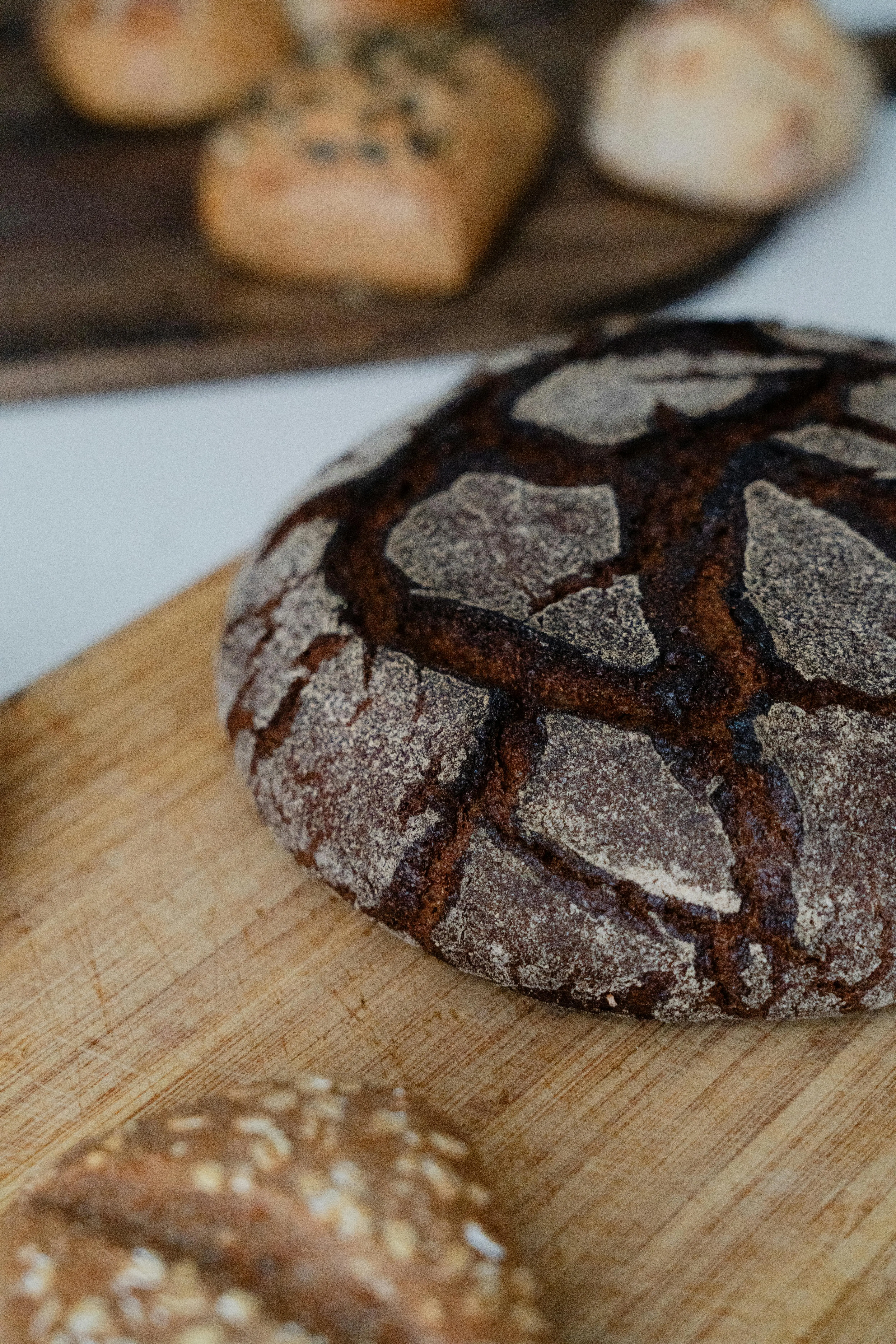
For years, a simple rule has applied: If you don’t eat more calories, you won’t gain weight. But that idea is now being challenged.
A new study suggests that bread and other carbohydrates may alter metabolism in a way that reduces the body’s energy use—potentially leading to weight gain even without eating more.
This is particularly notable because bread is a staple in many diets, especially in countries like Germany, where it is eaten throughout the day—from breakfast rolls to evening meals. Still, carbohydrates have long been suspected of contributing to weight gain.
Researchers at Osaka Metropolitan University set out to examine how foods such as bread, rice, and wheat flour affect energy balance. Their focus went beyond calorie intake to include eating behavior, energy expenditure, and underlying metabolic processes.
Mouse experiment: Weight gain despite the same calories
In the experiment, mice received different feed mixtures:
- Standard food as a control
- Supplemented with bread, rice, or wheat flour
- Partly combined with a high-fat diet
The results were unexpected:
- The animals developed a strong preference for carbohydrate-rich food
- Despite similar total calories, they gained significant weight and body fat
- Energy expenditure decreased significantly
This suggests that it's not just the amount of calories that matters, but how the body processes energy.
Metabolic effects: The body's "energy-saving mode"
The analysis showed concrete changes:
The mice had reduced energy expenditure – the body burned fewer calories and essentially switched to an "energy-saving mode." There were increased fatty acids in the blood, which facilitated fat storage. At the same time, the levels of essential , which impaired protein metabolism. More fat was produced in the liver (lipogenesis), supported by activated fat genes.