© Cottonbro Studios
May 24, 2026
Prof. Dominik Pförringer
Wearables, gyms, and the optimization craze: Orthopedist Prof. Dominik Pförringer explains why real health starts in everyday life — not in constant self-optimization

By
Univ.-Prof. Dr. med. Dominik Pförringer
Never have people had so many fitness apps, wearables and health gadgets – and at the same time so little natural movement in everyday life.
Sport is everywhere. Sport is unavoidable, yes, sport has become omnipresent. And how fit we've all become! But are we really? My impression as an orthopedist is mostly one of a clear imbalance – an unhealthy development.
People are lazier and more sluggish than ever for most of the day. Every floor is climbed with the elevator, every car trunk is closed with the electric motor ordered at usually a hefty extra charge, the shortest distances are covered with the e-bike or e-scooter.
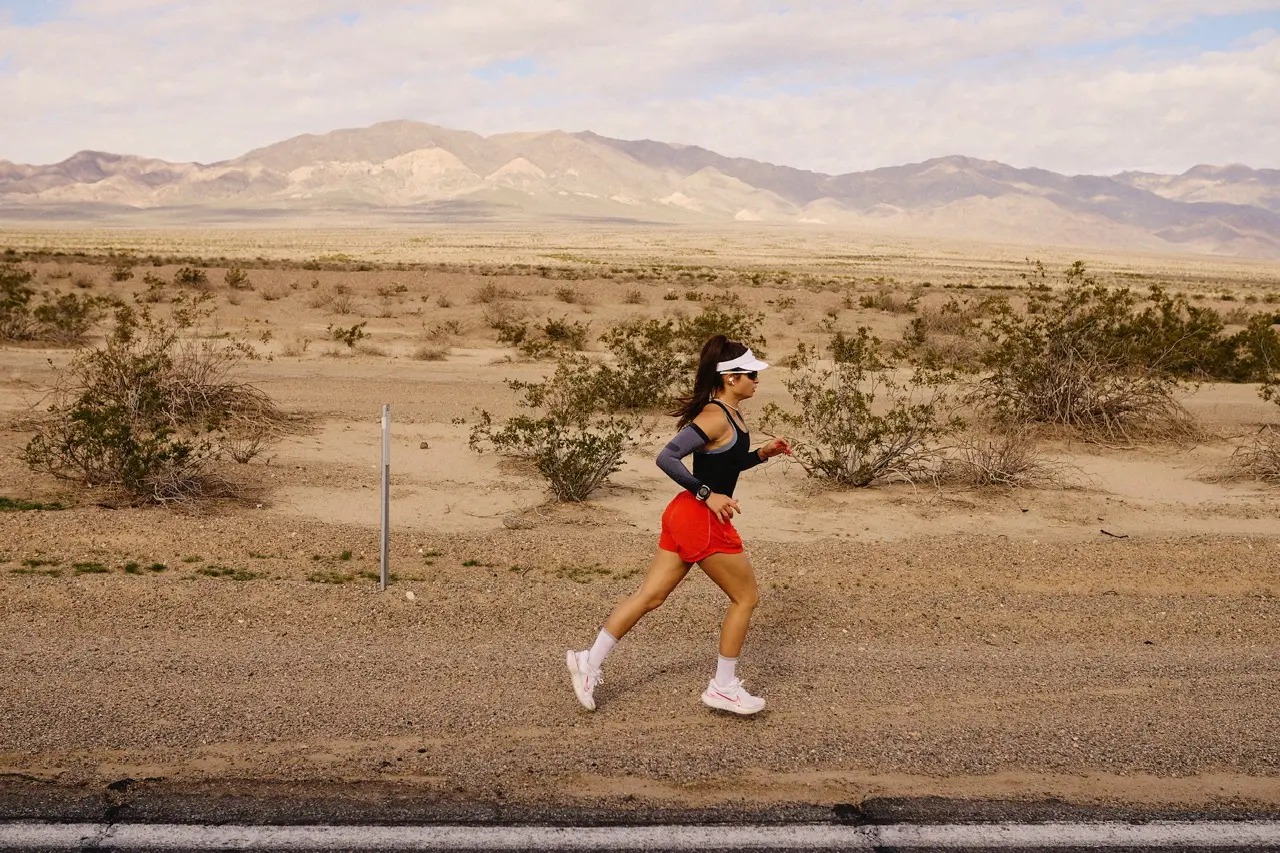
But then: For the statistically recorded average of three hours of physical activity a week, the average German tries to break all records. Following and emulating supposed role models – often from social media, where superbody self-optimization is elevated to a new religion.
You can't train dumber, you can't put more strain on your body in a worse way. It's about balance, the average load, what you do every day and continuously do to yourself and your body, what good you do for yourself.
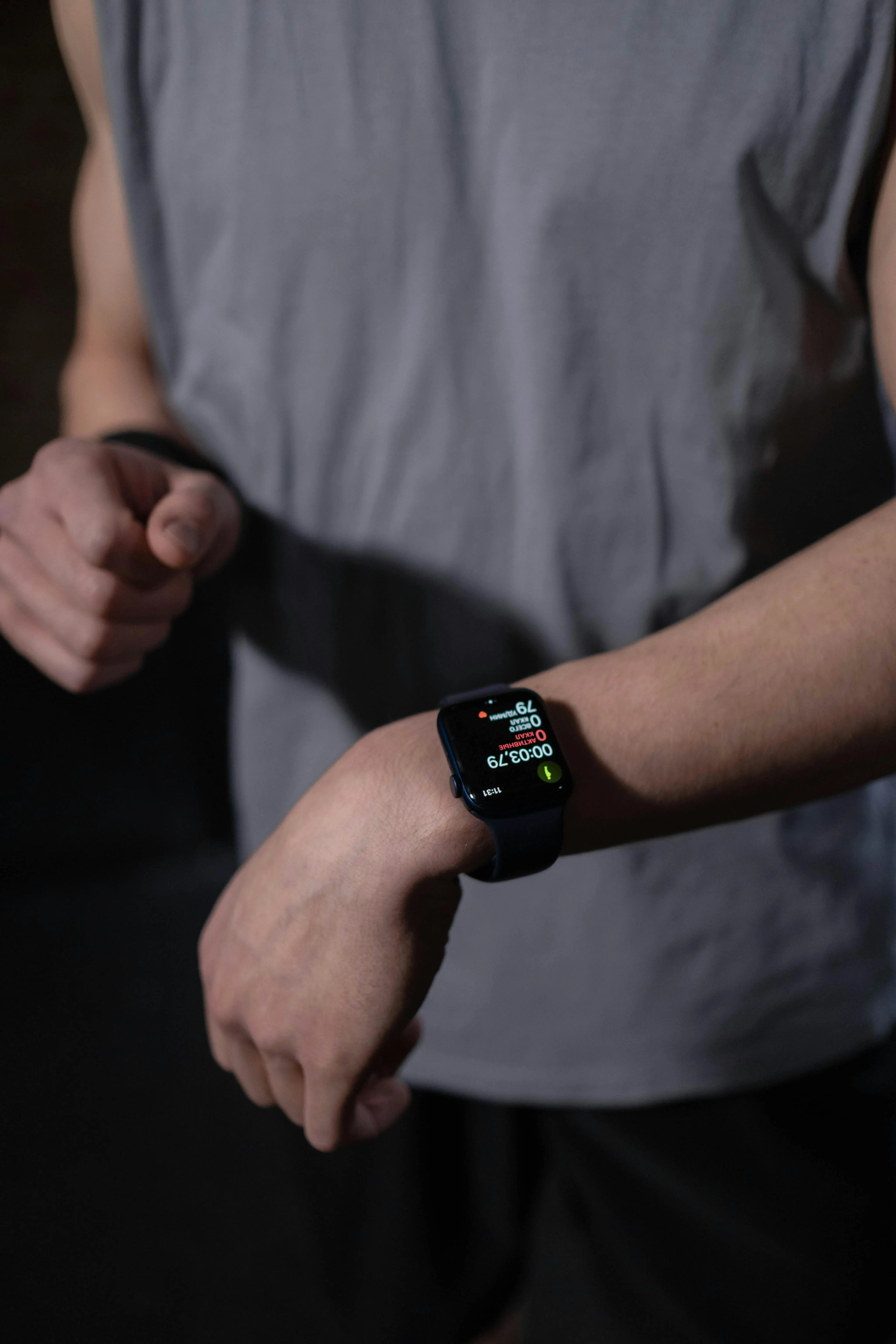
Modern city dwellers seek peak performance and love their tech toys, their wearables, their apps and fitness trackers – what gets lost is common sense. Health and fitness are a simple equation that is easy to understand.
You consume calories – that is, fuel. You burn this fuel through muscular strength. Lots of movement means lots of burned fuel, little movement means little consumption. But now there's an app, a gadget, a device for all of that. The brain is turned off, the industry collects data.
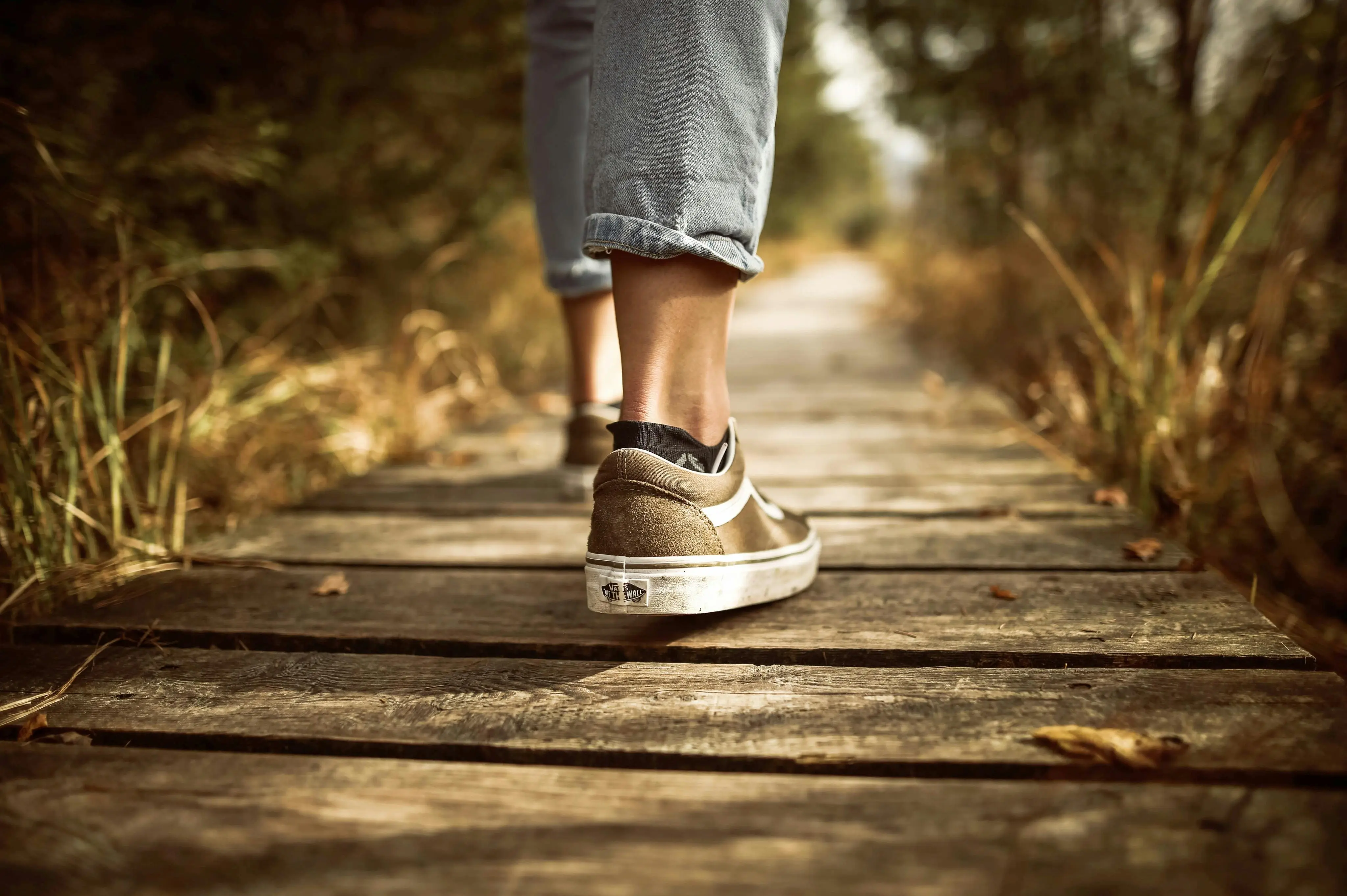
No reasonably healthy person needs an electric bike for daily commutes or has to have the smallest thing delivered. Because it's all a matter of motivation and attitude. We live in extremes and that is anything but healthy. Most people are capable of covering their daily routes on foot managing their purchases comfortably themselves to transport home.
But anyone who looks around in a big city sees the addicts: addicted to 'smart' phones, addicted to 'spa', addicted to 'organic' or 'eco'. The majority hardly knows what that means, but they labor all the more sustainably on numerous 'intolerances', many of which do not even exist medically and lack any scientific basis. The past two years at the latest have shown us how dangerous half-knowledge or ignorance in medical matters is.
Matcha vs. Oolong: Which tea is healthier, provides more energy — and what does the research say?
Marianne Waldenfels
It is high time to rethink. Movement is life, both in everyday life and in business. Let's stop ordering things online, interact continuously with the people around us, and shop locally. All of this helps us incorporate movement into everyday life, think clearly, and free ourselves from the sufferings of city dwellers or even avoid them a priori.
A smart man once said: “Prevention is the simplest medicine.” It's not about aftercare or care, no, many things can be very simply prevented by behaving smartly and sensibly in everyday life. Five minutes before the heart attack is much better than five minutes after the heart attack. The alert person does not need an app, a wearable, and certainly not a smartphone.
My personal medical advice is to stay as far away as possible from all technical topics and accesses in private life. How nice it is not to have Wi-Fi reception! Yes, that’s possible. The goal is not to spend little, but no time online privately. A good book or an intelligent magazine brings more joy and provides significantly more enjoyment than all the topics delivered online.
So don’t stream pointless, brainless series, but rather read on paper, invite the neighbor for dinner, and go out to a bar instead of virtually going on Tinder. This protects against disappointments and wasting time.
Let's use the sport of everyday life, the fun of managing life independently. You can and should carry the box of wine home – of course, primarily red for the coronary arteries. It’s joyful when not a search engine enriches life, but finding in everyday life represents an enrichment. Every minute we’re not online gives us more real life and true joy. More fitness, too.
Regarding the workload and the dose: as far as we can, as long as it’s fun, and as much as our body wants. It’s like that with most everyday joys and sorrows; you can overdo anything. Here in Bavaria, it’s often about the measure – in sports about moderation, so moderate enjoyment, in the glass as well as cycling in the fresh air – not spinning in the gym.
One doesn’t have to set world records, count calories, or measure them, but should simply keep moving. It doesn’t need an electric motor to close a tailgate or a delivery service for everyday life. What it needs is conversation between people.
Regarding Sport und Sportlichkeit verhält es sich ebenso: Kein Hometrainer, kein Studio, nein, der Alltag ist unser bester Trainingspartner. Der Tag macht Freude, wenn er mit Bewegung beginnt. Besser als mit einem Hund kann man nicht starten, und dieser zeigt uns, wie es sein sollte: immer wieder, in kleinen Dosen, ohne Zwang, mit Freude am Spazierengehen, für den Spaß an der Bewegung im Grünen.
Mir leuchtete es noch nie ein, wieso man auf einem Laufband in einem Studio besser als in der Natur seinem Bewegungs-drang nachgehen sollte. Ein Fitnessstudio mag auf einem Flugzeugträger oder in einer Raumstation sinnvoll sein, im regulären Alltag ist es meist nur eine Ausrede, eine Flucht, ein Sich-selbst-Belügen. Bewegen wir uns im Alltag, nicht im Studio. Das macht das Leben so viel schöner und abwechslungsreicher.
Beruflich kann uns die fortschreitende Digitalisierung enorm helfen, privat sollten wir uns gegenseitig helfen, sie so weit wie möglich aus unserem Leben rauszuhalten. Damit die Menschen mehr mit den Menschen sprechen – ohne Technik.