Biohacking and Osteopathy: Why the Body Must First Come Back Into Balance
Biohacking promises more energy, better recovery, and a longer, healthier life. Osteopath and physiotherapist Andreas Stollreiter explains which methods are scientifically sound and why osteopathy can serve as the foundation for successful biohacking
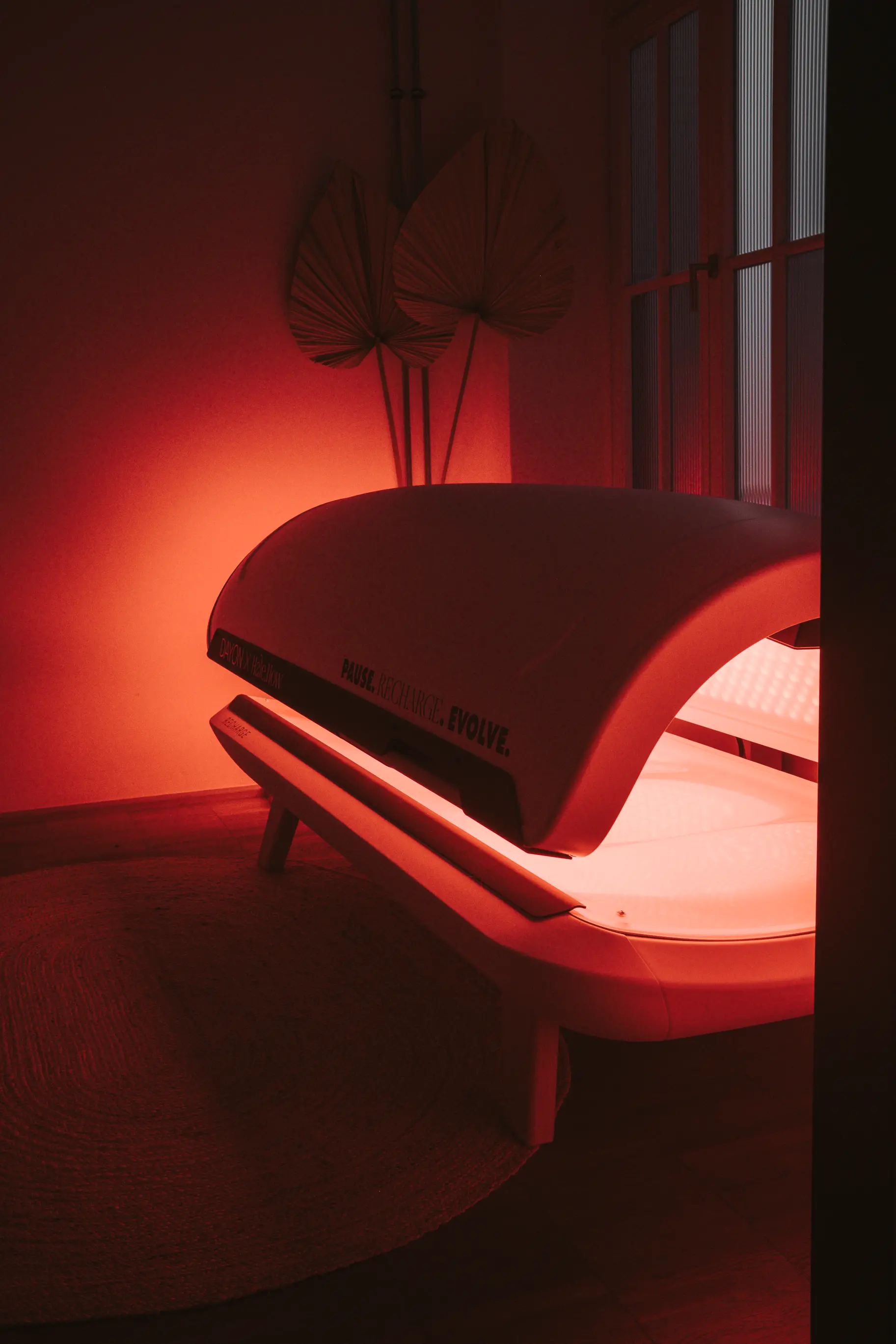
Biohacking is booming. Ice baths, altitude training, and red light therapy are widely regarded as keys to more energy, better recovery, and a long, healthy life. The goal of biohacking is to enhance physical and mental performance and to support the body's natural regulatory and self-healing processes.
But which methods are actually useful — and why are technical applications alone so often not enough?
Osteopath, physiotherapist, and naturopath Andreas Stollreiter takes a holistic approach. Through his Holy Physics Health concept, he brings together osteopathy, modern regulatory therapy, and carefully selected biohacking methods. In this interview, he explains why the body must first be brought back into balance, why stress is, in his view, the greatest health challenge of our time, and which simple measures anyone can incorporate into their daily life.
Biohacking: What's Really Behind the Health Trend?
Mr. Stollreiter, biohacking seems to be everywhere these days. What does the term mean to you?
At its core, it's about using science and technology to make our own bodily functions work more efficiently again. For me, biohacking is the art and science of shaping the environment around us and within us in such a way that we regain greater control over our own biology.
Why is this so important today? Because our bodies are exposed to countless stressors every day — environmental toxins, pesticides, herbicides, mental and physical stress, medications, and many other influences. Biohacking is intended to help steer the body back toward health and longevity.
Which biohacking methods do you use regularly yourself?
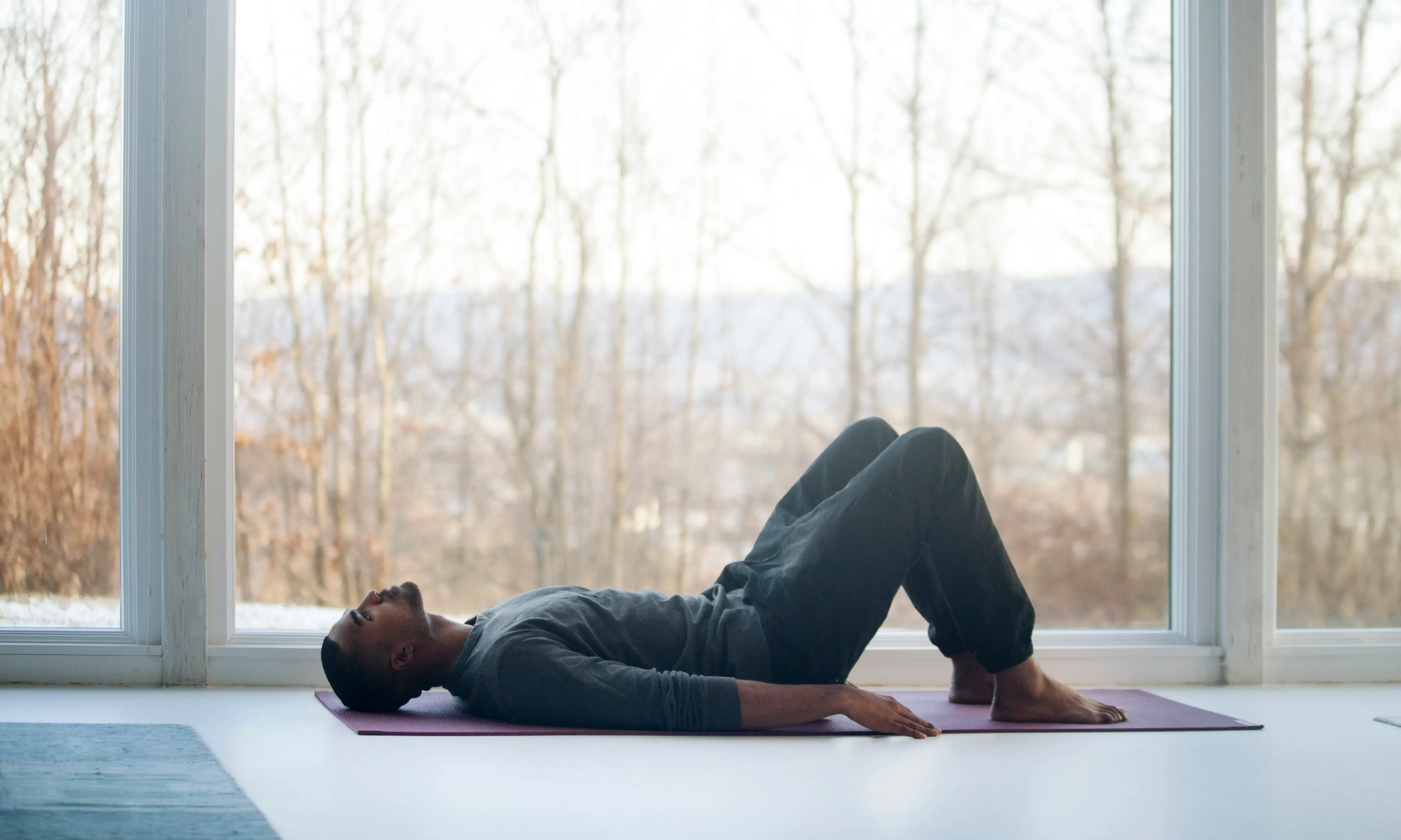
One of my most important methods is interval hypoxia-hyperoxia training — a specialized form of altitude training. You lie comfortably on a recliner wearing a breathing mask. The oxygen supply simulates conditions at high altitude — up to around 6,000 meters. As a result, oxygen saturation drops temporarily in a controlled way.
What's interesting is that within a very specific range of oxygen saturation, endogenous processes are activated that can have a positive effect on many bodily functions. Oxygen is then reintroduced. This interplay influences, among other things, the mitochondria and therefore the energy supply to the cells.
Who is this type of training suitable for?
The range is surprisingly broad. There's the older gentleman who wants to climb Kilimanjaro again with his son and is looking to prepare as well as possible. At the same time, people with high blood pressure come in, as do patients who are still dealing with reduced lung function following a Covid infection.
In general, the training has a particularly strong effect in three areas: the cardiovascular system, stress regulation, and cellular metabolic processes. Heart rate variability, for example, provides a very clear picture of how the body responds to stress, which allows the training to be tailored to each individual.
Older people and Parkinson's patients can also benefit from it. What is crucial, however, is knowing exactly how to apply the method correctly.
Many people associate biohacking primarily with ice bathing. You're also a big fan. Why?
Ice bathing is genuinely one of my go-to practices. Wherever I spend time regularly, I make sure I have access to ice bathing — at home, at the practice, or in the Zillertal. I try to get into cold water three to five times a week.
In winter, whenever the opportunity arises, I also use a lake or river. My wife already rolls her eyes whenever we're somewhere new and I immediately start scouting for a way to get into the water.
How long should you stay in ice water to get the health benefits?
From a medical perspective and based on the current body of research, around three to four minutes at a water temperature of three to four degrees is sufficient to achieve the positive effects on the body.
That said, I'm not a fan of turning it into a competition. Some people sit in ice water for six, eight, or even ten minutes. From a health standpoint, that simply isn't necessary. Far more important is actively warming the body back up afterwards — through movement, and not by immediately heading into the sauna or taking a hot shower.
That's why you often see people moving slowly or doing qigong-like exercises after ice bathing. This way, the body warms itself back up through its own effort.
What actually happens in the body during ice bathing?
The cold causes the core body temperature to drop slightly. Blood is first directed more strongly toward vital organs such as the heart and brain, and then pumped back out to the periphery. This stimulates the metabolism and the immune system, and the body activates its own regulatory mechanisms.
Another interesting effect involves fatty tissue. Regular cold stimuli can help activate more brown adipose tissue, which is considered more metabolically active than white fat and increases the body's energy expenditure. However, this doesn't happen after just two or three ice baths — it only occurs when cold exposure is regularly integrated into daily life.
How often should one ice bathe?
There are now studies showing that even one proper ice bath per week can be enough, provided you take cold showers on the other days. The effects achieved are similar to those from much more frequent ice bathing.
I think that's good news. Not everyone has daily access to an ice tub or a cold lake. One ice bath per week combined with cold showers on the other days is far more realistic for most people.
Not every biohacking method has been sufficiently studied scientifically. Are there trends you view with some skepticism?
I'm generally not a fan of quick fixes — measures aimed at undoing in the shortest possible time what you've put your body through over months or years.
Infusions are a good example. I try many things myself and do make use of such procedures. But the foundation should always be to first bring the body back into its own regulation — through detoxification, balancing the acid-base levels, gut health, and restoring proper cellular function.
Only when the cells are functioning well again do supplements or infusions truly make sense. There's little point in thinking: I've just spent three weeks at Oktoberfest, I'll get an infusion and everything will be fine again. That's not how health works.
Which biohacking methods do you consider to be the most scientifically well-supported?
I generally work according to the principle: perceptible, visible, and measurable. Of course, there are methods where the evidence is still limited. At the same time, I regularly see in practice that people benefit from certain measures. And sometimes the principle holds true: if it heals, it works.
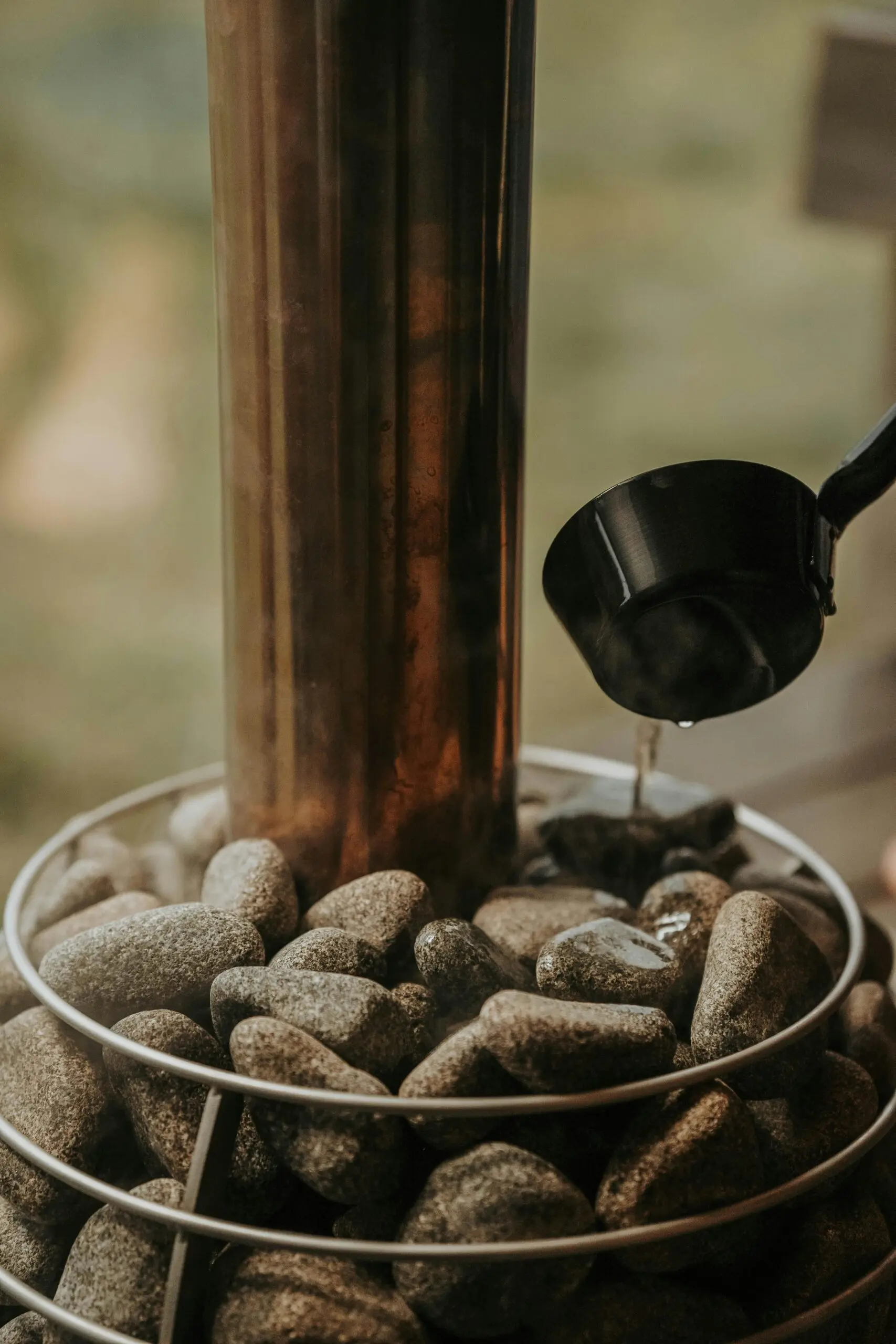
For the methods I use regularly myself — such as fasting, red light and infrared therapy, sauna, ice bathing, or interval hypoxia training — scientific research is available.
I also measure many parameters in my patients before and after treatment — such as body composition, heart rate variability, or stress markers like cortisol levels. This allows me to objectively track how the body responds to specific interventions.
Why Osteopathy Can Be the Foundation of Successful Biohacking
In your concept, you combine osteopathy with biohacking. Why do you see these two approaches as going hand in hand?
That is essentially the secret of my concept — and I believe it's precisely why it works so well.
What has always bothered me about osteopathy is the belief some hold that everything can be solved with hands alone. That simply isn't true. At the same time, osteopathy is capable of an incredible amount. For me, it is not a single treatment technique but a philosophy — one that always addresses body, mind, and soul, with the goal of bringing the organism back into its natural regulation.
In my view, that is precisely the prerequisite for biohacking to work at all. Osteopathy is, in a sense, the mother of biohacking.
What exactly do you mean by that?
Take fatigue or lack of energy — something a great many people struggle with today. They often immediately reach for supplements — milk thistle or similar products — hoping things will improve.
My first question is always: why isn't the body functioning optimally right now?
In osteopathy, we first try to create the right conditions. We restore mobility to the liver, for example, if it is restricted. We look at the intestines, the diaphragm as the body's most important pump, and the spine, through which the nerves supply the organs.
When all these structures are working well together again, the body is often far better able to make use of supplements or other therapeutic measures. That is why, for me, osteopathy and biohacking are inseparably linked.
Many people find osteopathy hard to grasp. How do you explain to your patients what is actually happening?
Osteopathy is indeed very philosophical. Many people picture someone simply placing their hands on the body. But it goes much deeper than that.
An osteopath develops a highly refined sense of touch over many years. I like to compare it to a blind person who, having to rely entirely on touch, perceives things that others don't even notice. In the same way, an osteopath learns to sense the subtlest tensions and movements in the body.
At the same time, we live in a world where people want to see numbers and measurable values. That's why I combine classical osteopathy with modern diagnostics and biohacking.
What does that look like in practice?
Before a treatment, for example, I measure heart rate variability. It gives a very clear indication of a person's stress level.
I then treat, among other things, the course of the vagus nerve, work osteopathically, and combine this with breathing techniques such as box breathing. Afterwards, I measure again. This allows me to see whether the body is better able to regulate stress on its own following the treatment.
For many patients, this makes visible what they had previously only felt. They don't just notice that they feel better — they can also see it reflected in objective measurements.
You also work with sound waves. What's behind that?
For many patients, this is one of the most fascinating applications. I work not only with light, oxygen, or fasting, but also with vibrations.
Music has an enormous influence on our bodies. Our tissues consist largely of fluid, and this fluid begins to vibrate — something that can be used therapeutically.
I have a special treatment table for this. Patients wear an eye mask, the table moves gently, and at the same time sounds — such as whale songs or other calming frequencies — are transmitted through the body.
Many people find it difficult to let go. Through this combination of movement, sound, and subsequent osteopathic treatment, they enter a state that resembles deep meditation. As a result, tissues and muscles relax significantly more, and I can reach much deeper with the treatment than I could with a body that is constantly under tension.
Here too, I simultaneously monitor heart rate variability, which allows me to see in real time how the autonomic nervous system shifts and how the body responds to the treatment.
Regulating Stress and Strengthening the Body's Self-Healing Powers
You say that stress is the greatest health challenge of our time. Why?
Stress is, in my view, truly the greatest challenge of our time. That is why modern regulatory therapy and stress management form the foundation of my entire concept.
The first step is to bring the body back into balance — supporting the detoxification organs, regulating the acid-base balance, stabilizing the hormonal system, and restoring the cells to their natural function.
Chronically elevated cortisol levels are a particular concern. We can see today that people are under constant stress from a very early age — through social media, constant connectivity, and a general sense of uncertainty about the world. This persistent stress affects the entire organism, which is why we need to address it before symptoms even appear.
What can people do on their own to help their bodies regulate more effectively?
What matters to me is that people understand why they're doing something — and that they actually enjoy it. There's no point in exercises that take an hour if that means they never get done.
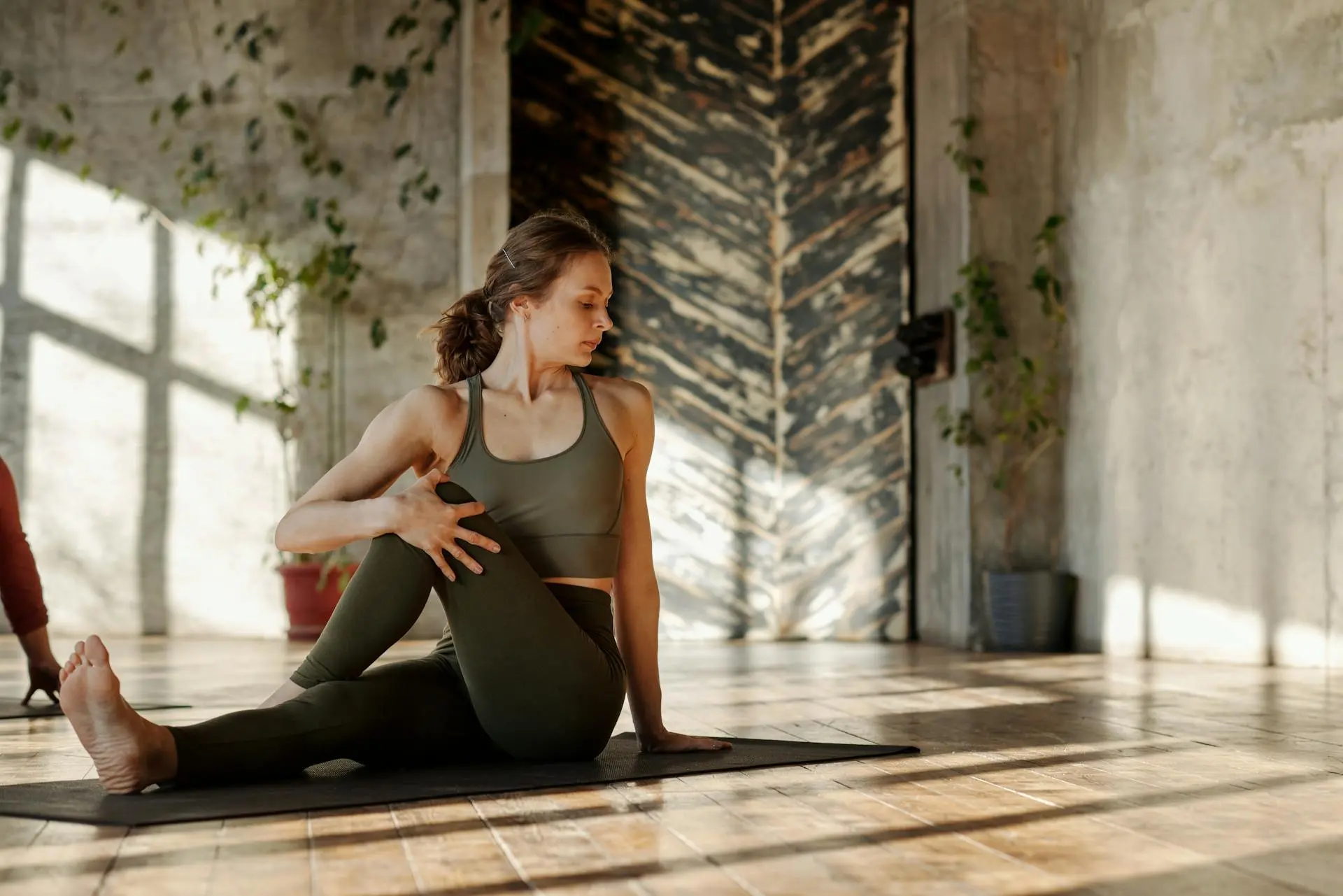
That's why I recommend short interventions that can easily be woven into daily life. These include breathing exercises, a brief yoga sequence, or a so-called moving meditation of around seven minutes. You can follow that with a few minutes of conscious breathing, a cold shower, and holding off on your first coffee right after waking up — ideally waiting about 90 minutes instead.
These are small changes that can add up to make a significant difference. Classical physiotherapy exercises also have their place, of course. But it is often precisely these simple routines that help the body return to better regulation.
"Health Means More Than the Body Simply Functioning"
Your holistic view of health has also been shaped by personal experience. Which periods of your life have had the greatest influence on you?
I wanted to become a physiotherapist even as a teenager. My father was a professional handball player, and from an early age I had the opportunity to see how elite athletes were treated. Later, I came to realize that classical physiotherapy alone wasn't enough for me. With osteopathy, I finally found an approach that continues to inspire me to this day.
I was also shaped by travel and by personal experiences at the limits of human endurance. During a stay in Tibet, I immersed myself in the spirituality of Tibetan monks. Later, I spent several weeks living among indigenous peoples in the Amazon region, where I discovered an entirely different perspective on nature and health.
On top of that, I survived several near-death experiences — first from cardiac arrest caused by a congenital heart defect, then from altitude sickness in Tibet, and finally during an Atlantic crossing by rowing boat when we were caught in a hurricane. These experiences permanently changed my outlook on life.
They showed me that health means far more to me than the body simply functioning. That is why I now strive to combine modern medicine, osteopathy, naturopathy, and mental techniques. My goal is to help people reconnect with their own capacity for self-healing.