Meditation for beginners doesn’t have to be complicated. If you want to learn how to meditate, just 5 to 10 minutes a day can be enough to start noticing positive effects. Many beginners wonder whether they are doing it “right” or if meditation really works. In fact, meditation is a simple, scientifically supported method to reduce stress, improve mental health, and bring more calm into everyday life.
In this article, you will learn how meditation works, which techniques are suitable for beginners, and how to start meditating step by step.
What is meditation?
Meditation is a mental exercise in which attention is deliberately focused on a specific focus - for example, the breath, a word, a sound, or one's own body. The goal is not to completely turn off the thoughts, but to perceive them without judging them.
In health research, meditation is increasingly recognized as an effective tool for stress reduction and promoting mental health. Numerous studies show positive effects on the nervous system, emotion regulation, and overall well-being.
Meditation for Beginners: Step-by-Step Guide
If you want to learn meditation, a clear guide helps you get started:
- Choose a quiet place
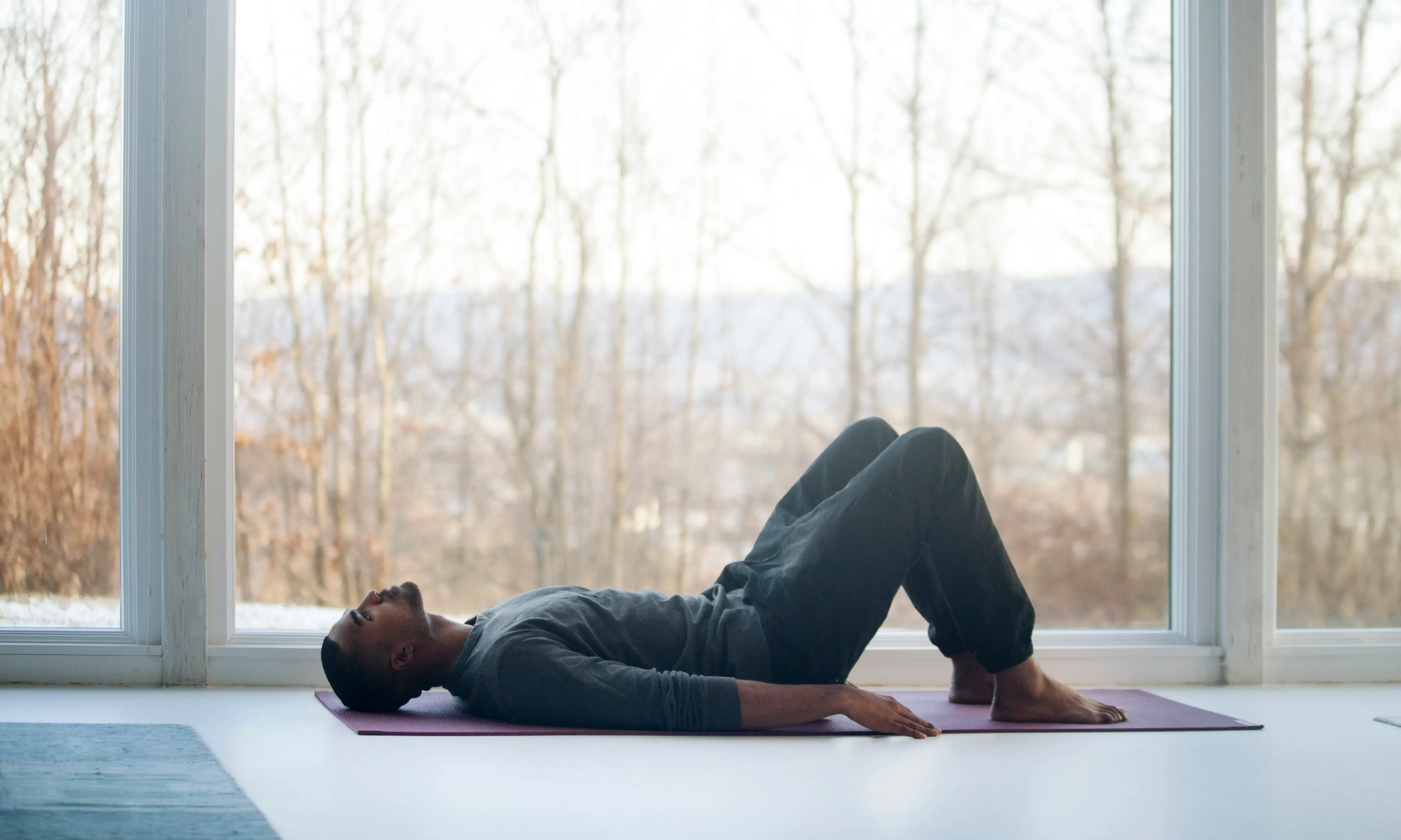
- Sit or lie down comfortably
- Close your eyes
- Focus your attention on your breath
- Observe inhales and exhales without altering them
- Let thoughts come and go
- Gently return to the breath if you wander off
Just a few minutes daily are enough to practice meditation as a beginner and gain initial experiences.
Benefits of meditation
- Stress reduction: Meditation activates the parasympathetic nervous system and promotes relaxation.
- Better concentration: Regular meditation can increase attention span.
- Improved Sleep: Meditation helps to calm down in the evening and interrupt ruminative cycles.