© Planet Volume/Unsplash
May 19, 2026
Marianne Waldenfels
Can you really stimulate the vagus nerve? This article reviews scientifically studied methods, from breathing exercises to meditation and vagus nerve stimulation devices
The vagus nerve is everywhere right now — in social media videos, podcasts, and wellness guides about stress, sleep, and mental health. Some claims make it sound as if anxiety, exhaustion, or digestive problems can simply be “stimulated away.” In reality, the science is far more nuanced.
Some methods linked to vagus nerve stimulation are reasonably well researched, while others remain speculative or are supported only by limited evidence.
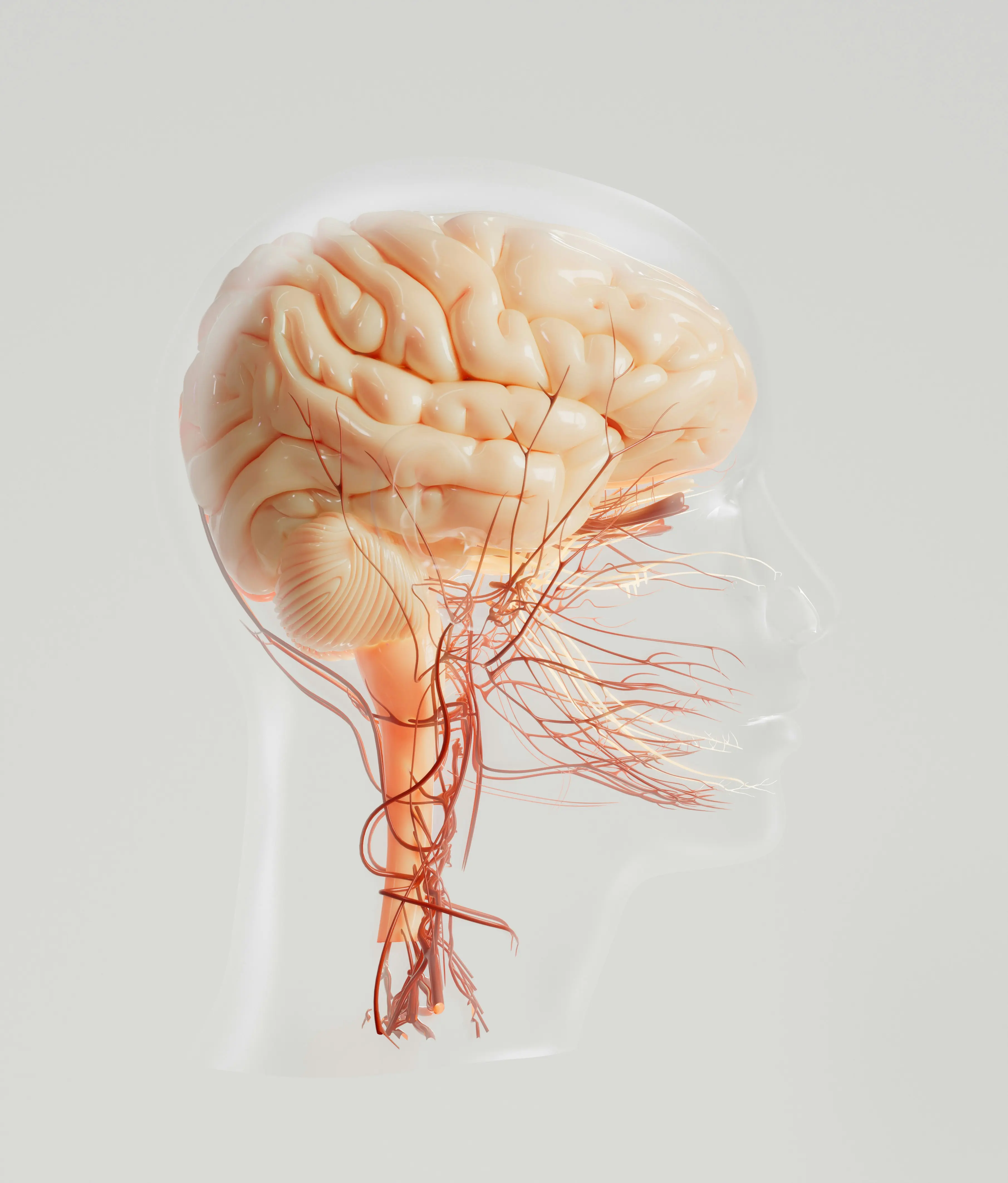
The vagus nerve is the longest cranial nerve in the body. It connects the brain with organs including the heart, lungs, and digestive tract, and plays an important role in the parasympathetic nervous system — the part of the nervous system associated with rest, recovery, digestion, and stress regulation.
In research, vagally mediated heart rate variability is often used as an indirect marker of parasympathetic activity, although the relationship is complex and not always interpreted consistently.
The term sounds more spectacular than it is. It usually refers to measures that promote processes related to parasympathetic activity, rest, and regeneration. Not every method marketed online as a "vagus nerve hack" is scientifically well-proven. Therefore, distinguishing between plausible approaches, good studies, and mere wellness promises is particularly important.
Slow, controlled breathing is one of the most well-researched methods in connection with stress regulation and vagal activity. Diaphragmatic breathing, prolonged exhalation, and breathing frequencies of about 5 to 6 breaths per minute are particularly relevant.
A systematic review with meta-analysis, which evaluated 223 studies, found consistent increases in vagal mediated heart rate variability during and after slow breathing as well as after several weeks of intervention. This makes it one of the strongest, low-threshold options in the entire field.
For whom interesting?
Meditation can influence stress responses and alter the activity of the autonomic nervous system. Studies often show an improvement in stress parameters, but the direct influence on vagally mediated HRV is not consistently clear.
A meta-analysis on mindfulness and meditation concludes that the evidence for a reliable improvement in vagally mediated HRV compared to control conditions is currently mixed. For practice, this means: meditation is useful and good for stress regulation, but should not be sold as a guaranteed "vagus reset."
Important to know: Positive effects usually appear with regular practice, not from a single session.
Regular Movement affects the cardiovascular system, inflammatory processes, and stress regulation. Endurance training is considered well-researched and is associated with improved parasympathetic activity associated.
Moderate, regular exercise such as brisk walking, cycling, swimming, or light jogging seems particularly helpful. The effect is usually not spectacular, but physiologically understandable and long-term relevant.
Suitable activities:
Chronic lack of sleep is associated with increased stress levels and changes in the autonomic nervous system. Poor sleep can shift the balance between the sympathetic and parasympathetic systems, while adequate sleep supports recovery.
Practically, fixed sleep times, a cool sleep environment, less screen light in the evening, and a stable daily rhythm are especially helpful. Sleep is not a quick technique for vagus activation, but one of the most important foundations for a balanced nervous system.
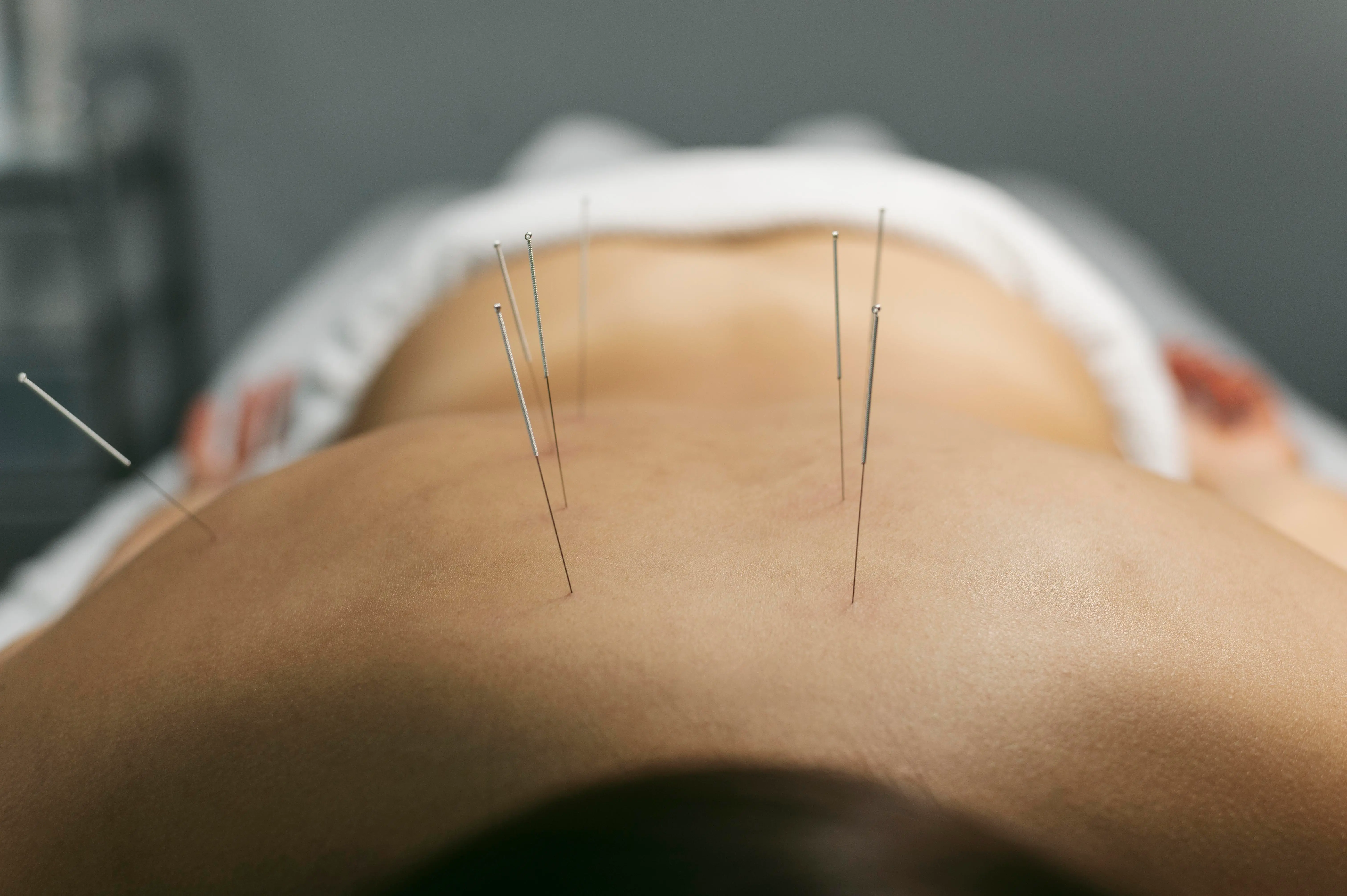
Transcutaneous auricular vagus nerve stimulation, abbreviated as taVNS or tVNS, stimulates specific ear areas with electrical impulses. The approach is being intensively researched, among other things, for depression, epilepsy, pain, and inflammatory processes.
A recent scoping review summarizes the clinical application and shows: The method is promising, but protocols, parameters, and reporting are not yet sufficiently standardized. This is important because many wellness devices should not be equated with clinically researched applications.
Important: taVNS is exciting, but not a miracle cure. The scientific data is growing but still not conclusive.
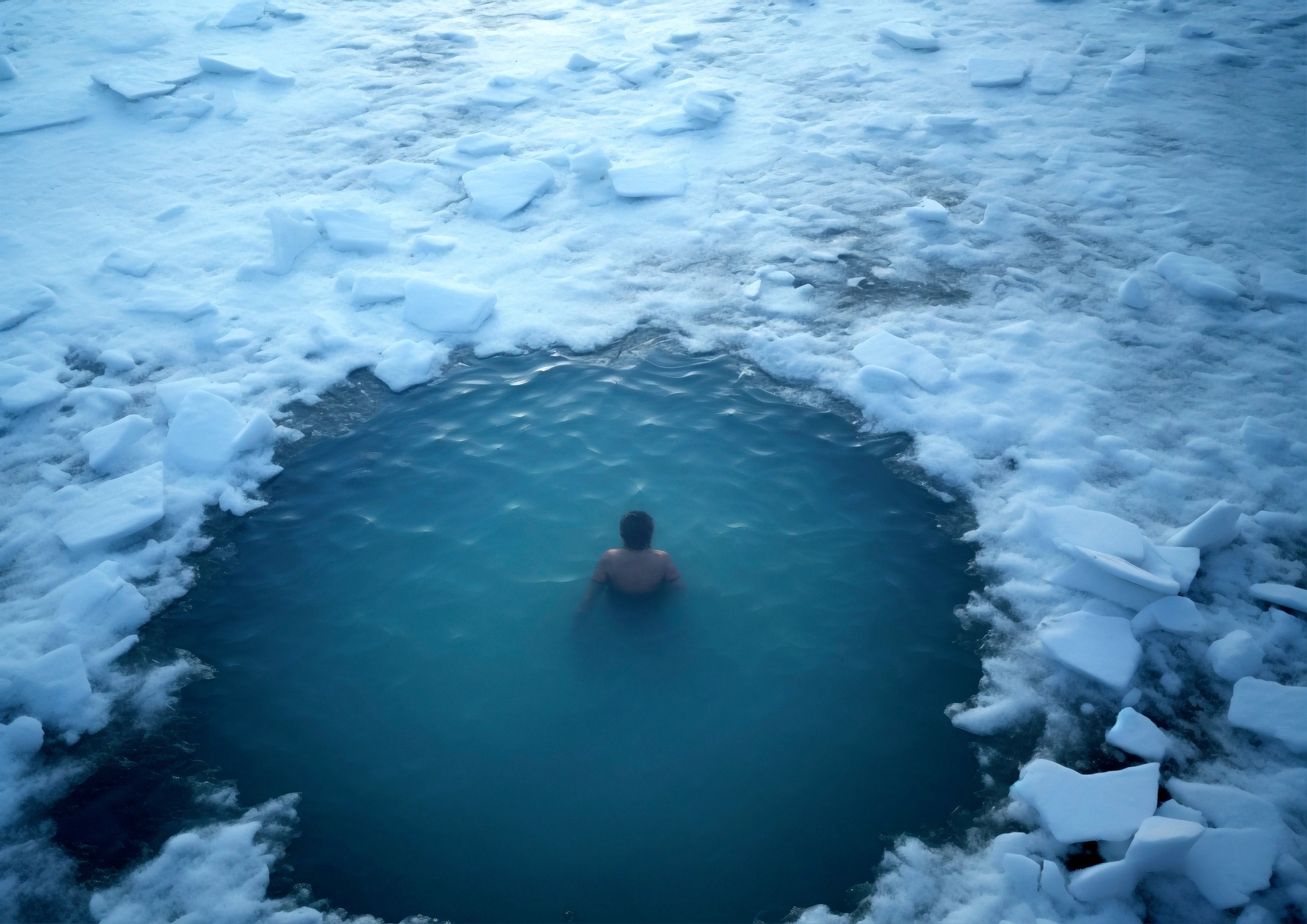
Cold showers or cold water are often marketed online as direct vagus stimulation. Behind this is the idea that cold stimuli can trigger short-term autonomic responses.
However, the current evidence is not sufficient to derive a reliable therapeutic effect from it. Therefore, the rule is: Cold can be an interesting stimulus, but it is not a scientifically proven 'magic switch' for the vagus nerve.
The theory behind it is simple: Since the vagus nerve runs in the area of the larynx and pharynx, vibrations or muscle activities there could have an influence. In practice, however, the data is scarce.
There are smaller studies and theoretical models, but no strong clinical evidence for large effects. Many people still find humming or singing calming, probably also due to slower breathing and the relaxing effect on the whole system.
The vagus nerve is also associated with emotional regulation and social behavior. Positive social interactions, safety, and Relaxation demonstrably influence stress reactions in the body.
However, these connections are complex and cannot be reduced to the vagus nerve alone. Social closeness is therefore more an important part of healthy stress regulation than an isolated "vagus technique."
Online, the impression quickly arises that the vagus nerve is the cause of almost all ailments — from anxiety to digestive problems. There is no scientific basis for this.
The classification is important:
Particularly well-studied are:
Much less supported are:
The hype around the vagus nerve contains both serious research and many exaggerations. Some methods to influence the nervous system — such as slow breathing, exercise, sleep, and meditation — are actually scientifically studied and can help reduce stress responses.
However, one should remain skeptical of quick healing promises or alleged miracle techniques. The most sensible approach is probably not "vagus nerve hacking" but rather a lifestyle that is good for the nervous system as a whole: adequate sleep, exercise, stress reduction, and social stability.
Yes, but usually indirectly. Well-studied scientifically are primarily slow breathing, exercise, sleep, and medical forms of vagus nerve stimulation.
It depends on the method. With slow breathing, acute physiological effects can appear relatively quickly, whereas with sleep, exercise, and meditation, regular application is more important.
It can be a short-term stimulus, but it is not a well-documented method for sustainable vagus nerve stimulation.
The best proven method is slow breathing with extended exhalation, because it can quickly affect stress reactions.
No. Clinically examined taVNS/tVNS approaches are not equivalent to many commercially available wellness devices, whose evidence is often significantly weaker.