© Freepik
February 25, 2026
PMC Redaktion
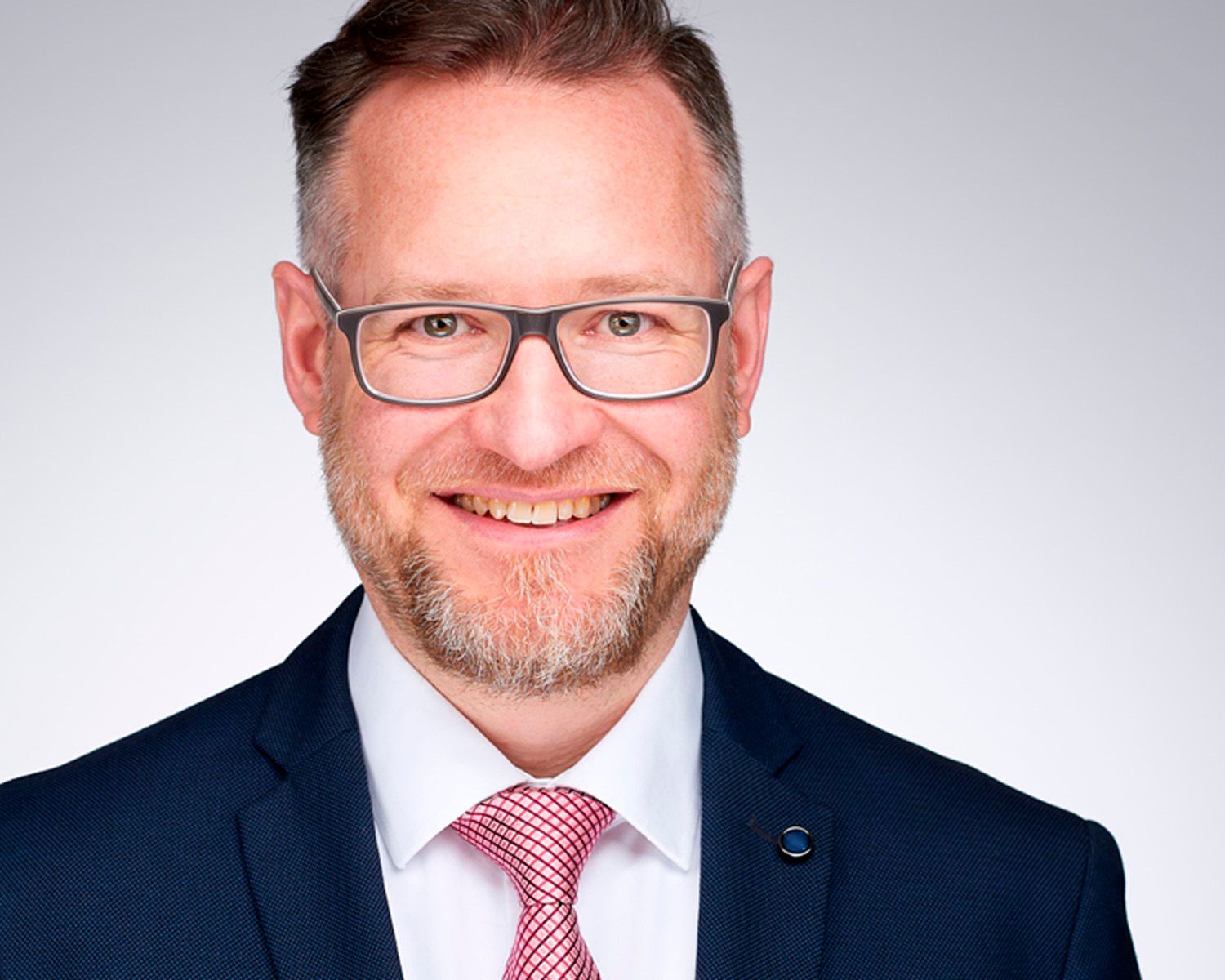
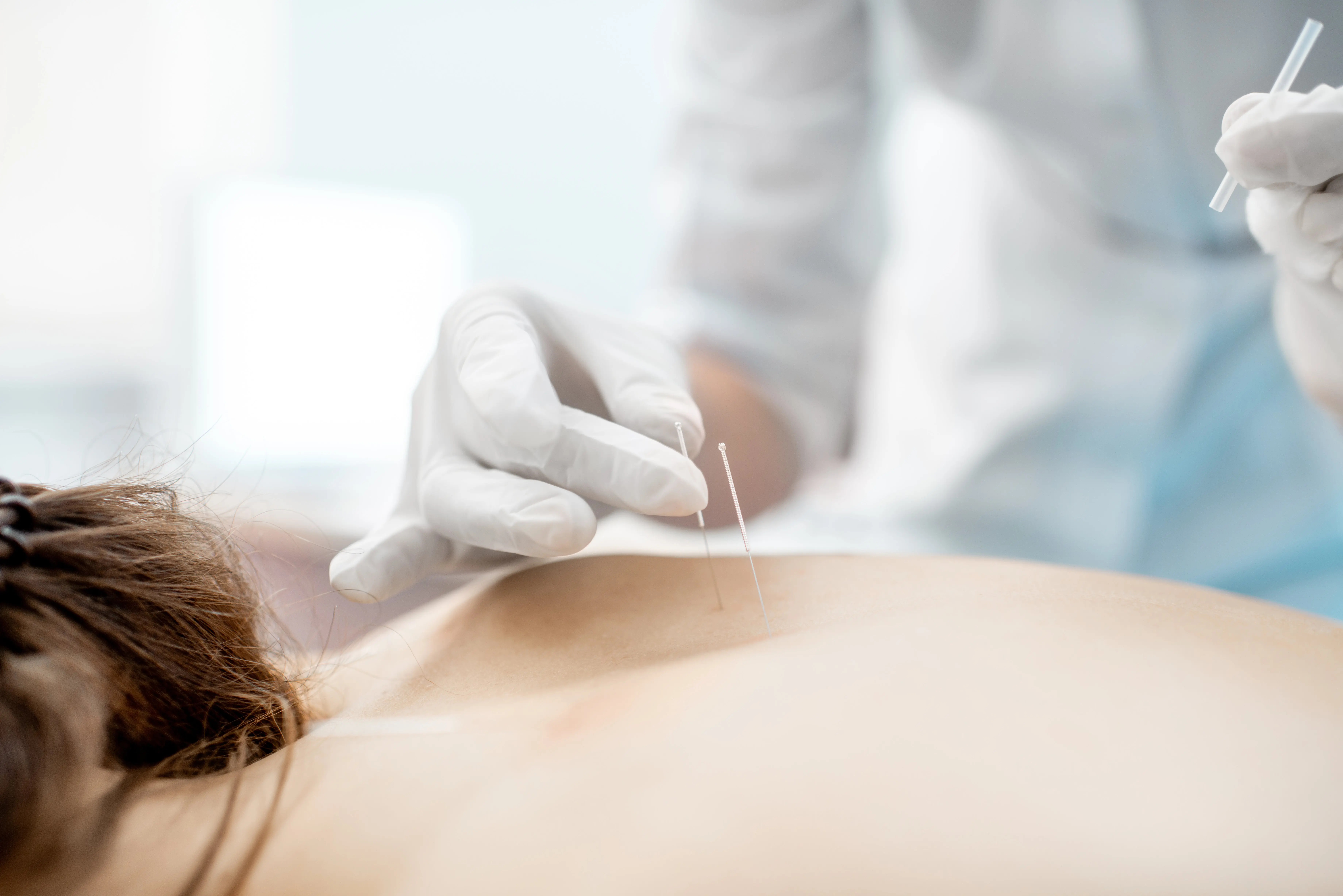
PD Dr. Richard Musil combines Western psychiatry with acupuncture – and demonstrates how trauma can be physically resolved. Evidence, case studies & the process of a session.

With
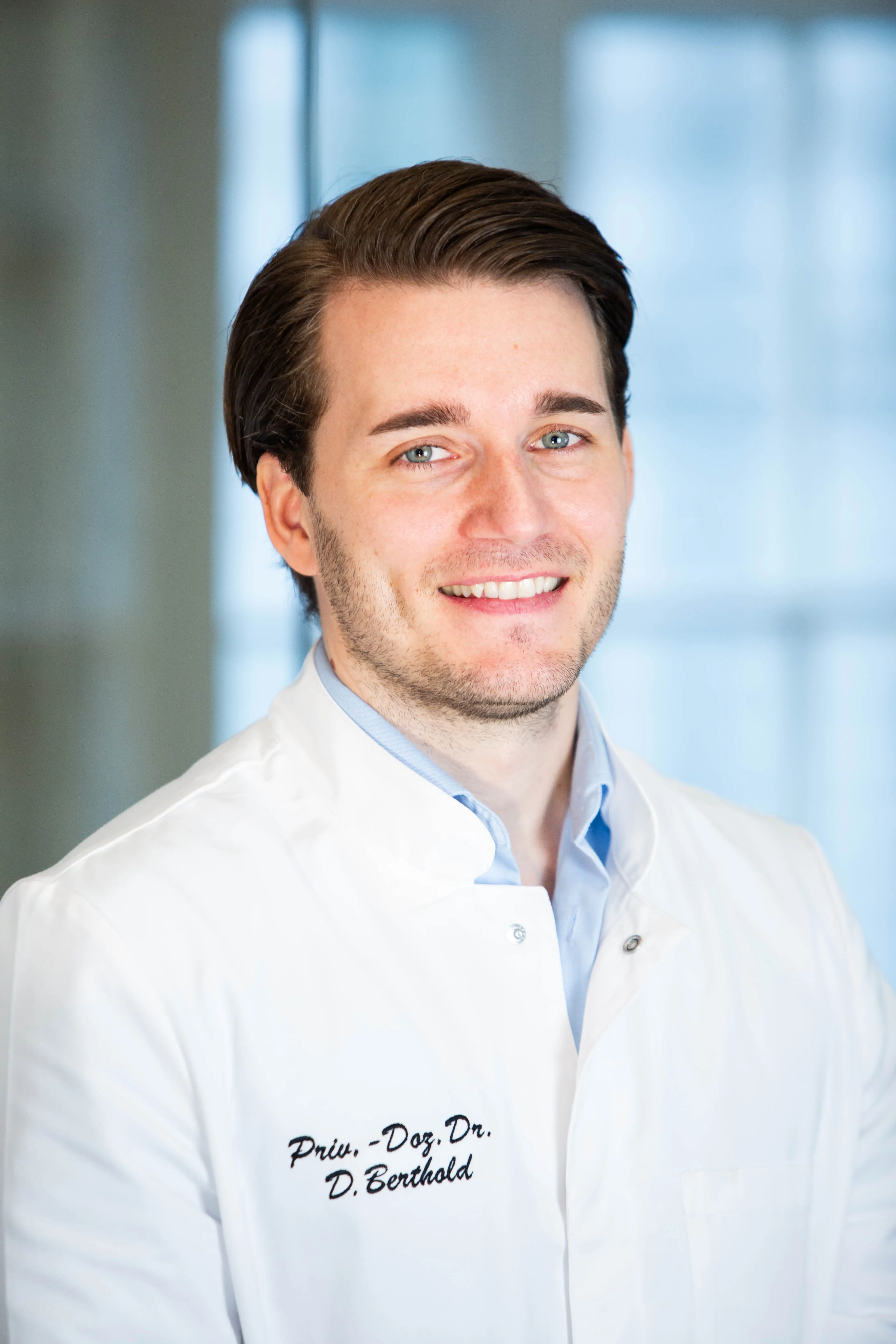
Priv.-Doz. Dr. Richard Musil
In a society where depression and post-traumatic stress disorder (PTSD) affect millions, many seek paths beyond pure medication or talk therapy. PD Dr. med. Richard Musil, specialist in psychiatry and psychotherapy, offers a unique perspective here.
With nearly 20 years of experience at the psychiatric clinic of LMU Munich and for two and a half years as head of the Oberberg Specialized Clinic for Private Psychosomatics in Bad Tölz, he combines Western psychiatry with traditional Chinese medicine. As a 16-year-old, he discovered acupuncture through Qigong and Tai Chi – with the clear goal of integrating it into the treatment of mental illnesses.
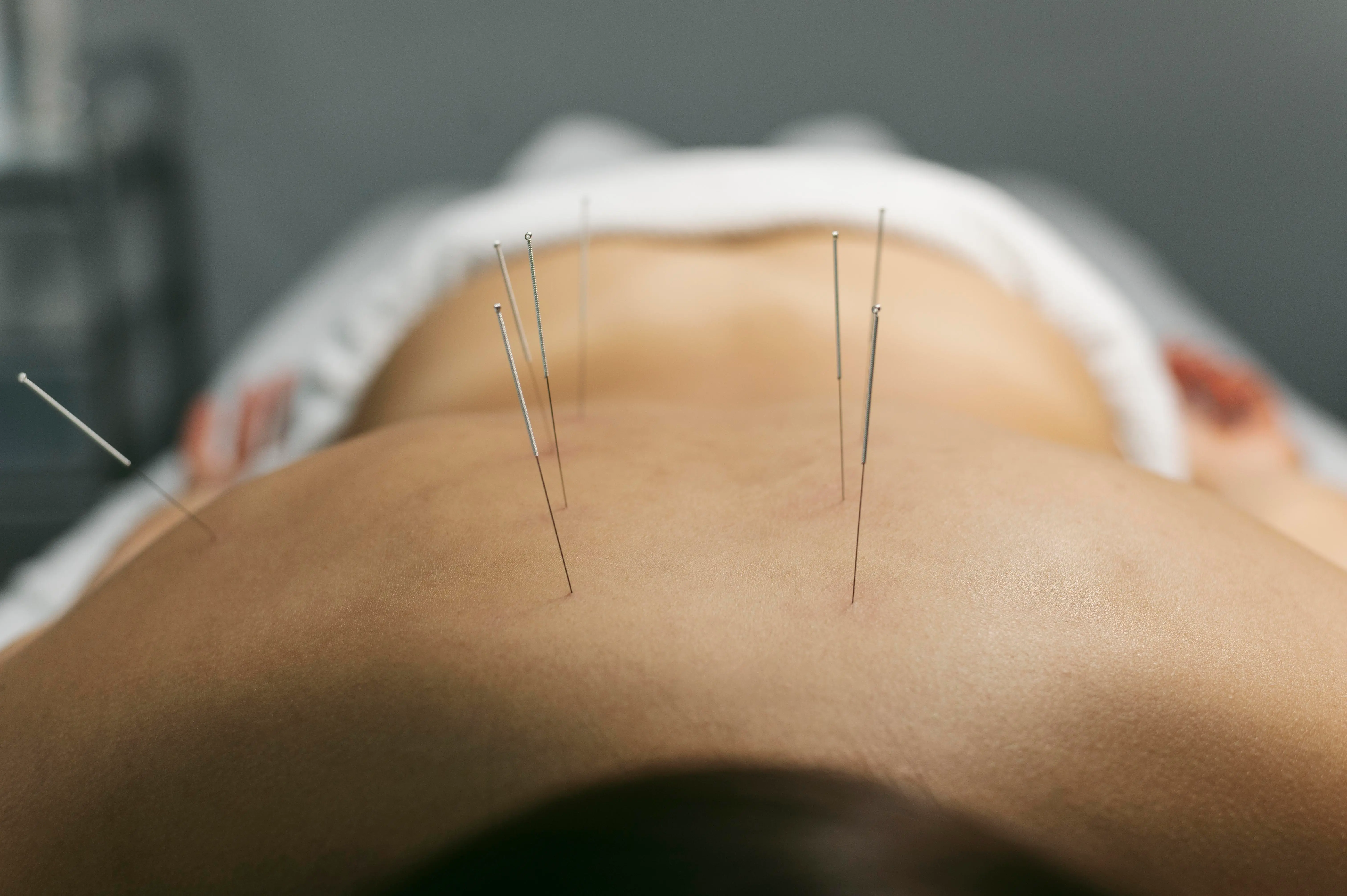
In a lecture of the Premium Medical Circle (PMC) series, he presented his trauma-focused acupuncture concept: "Trauma enters the body – and must also be physically released." This thesis runs like a red thread through his work. Trauma is not pure information but a deep physical experience. Acupuncture offers a direct access to release blocked emotions and memories.
Case study: The sudden loss that blocked tears
Ms. R. experienced the shock of her life on vacation: Her husband suddenly died of cardiac arrest after a bicycle accident. Blue lights, the rushing daughter, police interviews – all fragmented. There was no time for mourning. A year later she came to the clinic: unable to cry, internally frozen, severely depressed.
After just three sessions of trauma-focused acupuncture, everything changed. Disturbing images were processed; in a guided imagination, she was able to say goodbye. Tears flowed for the first time. The patient was so impressed that she now regularly travels from Düsseldorf – for short intensive therapies on other topics.
Such stories are not isolated cases. Musil emphasizes: Many patients report that “the image is gone” – the intensity of the memory fades sustainably.
A trauma permanently changes life. Affected individuals become fragile, vulnerable, change their behavior. Clinically, PTSD is defined by the classic symptom triad:
Depressionen zeigen sich primär in depressiver Verstimmung, Interessen- und Freudverlust sowie Antriebsmangel. Nebenkriterien wie geringes Selbstwertgefühl, Suizidalität, Erschöpfung, Appetit- und Schlafstörungen bestimmen den Schweregrad (leicht bis schwer).
Biologisch sind beide Erkrankungen Multisystemerkrankungen: Entzündungsprozesse im Immunsystem, Dysregulation der HPA-Achse (Stresshormone wie Cortisol), autonome Nervensystem-Imbalance und Veränderungen im Darmmikrobiom spielen eine Rolle. Diese Faktoren erklären die hohe Komorbidität mit Volkskrankheiten wie metabolischem Syndrom – und warum ein rein kognitiver Ansatz oft zu kurz greift.
Musil gliedert die Anwendung in drei Phasen, alle mit wachsender wissenschaftlicher Untermauerung:
Current studies support this: A 2023 meta-analysis (Frontiers in Behavioral Neuroscience) found that acupuncture alleviates PTSD symptoms (CAPS, PCL-C, HAMD) better than pharmacotherapy or psychotherapy alone. A 2025 study on veterans showed large effects on anxiety, depression, and sleep – even with sham acupuncture, indicating strong placebo-plus effects, but verum often outperformed.
On average, 5 sessions (outpatient) are often sufficient. Musil's case series (around 60 patients treated by Dr. J. Schottdorf): Significant reduction on Impact of Event Scale; usually no PTSD criteria after 3 months. Effect sustainable – images return weaker.
Acupuncture does not replace evidence-based psychotherapy (e.g., TF-CBT, EMDR) but ideally complements it for symptoms "stuck in the body." Where exposure alone is too stressful, simultaneous needling helps make the process more tolerable. Meta-analyses in 2024/2025 show: Combinations reduce side effects in the treatment of depression and improve response rates.
The method is experimentally used for obsessive-compulsive disorders (trigger desensitization), complicated grief, or varying degrees of trauma severity.
Challenge: There are few doctors with expertise in acupuncture and trauma. Musil's solution: A pilot project to train psychotherapists in acupressuretechniques (no needling allowed) to create broader availability.
Conclusion: Physical bridge between East and West
Trauma and depression are multisystem disorders – the therapeutic approach must (also) be physical. Dr. Musil's trauma-focused acupuncture combines exposure with ancient technique: After a few sessions, images fade, emotions flow, symptoms sustainably decrease. Evidence is growing – from meta-analyses to pilot studies.
Who is affected: Talk to qualified professionals. Acupuncture is safe, has few side effects, and is a promising addition – especially when traditional methods alone are not sufficient.
FAQ – Frequently Asked Questions about Acupuncture for Trauma and Depression