Podcast Depression: Which therapies work
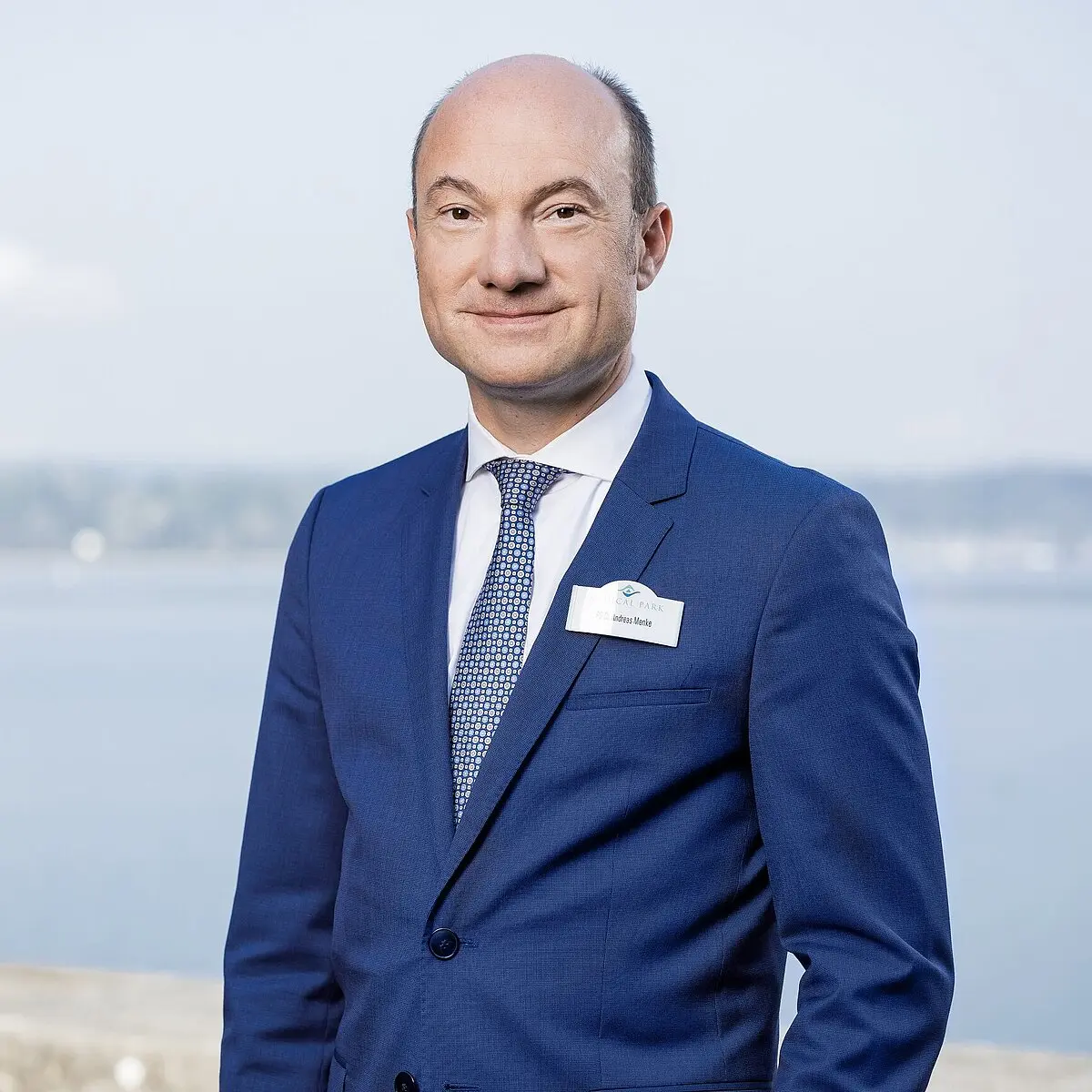
"Feel good, live better" – the health podcast from Premium Medical Circle. Prof. Dr. Andreas Menke explains that some people are more susceptible to depression than others and what role the growing uncertainty around us plays in this.
Feel good, live better
In the podcast "Feel good, live better," Stephanie Neureuter, editor of Premium Quarterly, talks with doctors, nutrition and mental health experts, and other interesting personalities. Like in the print magazine "Premium Quarterly," the focus is on health and wellbeing and how we can lead a happy long life - personal, inspiring, informative. Always on Wednesdays, on Spotify, Google Podcasts, Deezer, Amazon Music, and Audible.
The podcast of Premium Medical Circle
In the first season, PQ editor Stephanie Neureuter meets, among others, the dermatologist Dr. Timm Golüke, the orthopedic and digital health expert Dr. Dominik Pförringer, the sports dental medicine specialist Dr. Siegfried Marquardt, die Unternehmerin Stephanie Neumann sowie die Plastische Chirurgin Dr. Caroline Kim.
Depressionen. Ein Podcast mit Prof. Dr. Andreas Menke
Rund fünf Millionen Menschen in Deutschland leiden an einer Depression – immer häufiger sind auch Jugendliche davon betroffen. In der aktuellen Folge von „Feel good, live better“ spricht Prof. Dr. Andreas Menke Discussing the role that increasing uncertainty around us plays and whether certain people are more susceptible to this illness than others.
The Medical Director of Medical Park Chiemseeblick, a specialist clinic for psychosomatic medicine and psychotherapy, also offers hope. With the right therapy, depression is curable.
Listen now!