© Elly Fairytale
August 22, 2026
Christine Bürg & Marianne Waldenfels
Isotretinoin for acne — and a slimmer nose? The medication is being hyped on social media as a beauty hack. Dermatologist Dr. Elisabeth Zott explains what isotretinoin can actually change about the nose.

With
Dr. med. Elisabeth Zott-Schuhmachers
An unusual beauty claim is gaining traction on TikTok and Instagram: low-dose isotretinoin is said to not only clear up acne, but also make the nose appear smaller and narrower. Under hashtags such as “Accutane Nose Job” and “Isotretinoin Microdosing,” users are sharing before-and-after photos that seem to show a slimmer nose.
The trend gained further attention after Kendall Jenner addressed speculation that she had undergone a nose job, pointing instead to her history of acne and treatment with Accutane, the US brand name for isotretinoin. Since then, the question of whether the acne drug can actually change the appearance of the nose has taken off on social media.
The short answer: isotretinoin is no substitute for a nose job. But the idea behind the trend isn’t entirely unfounded.
"The nose doesn't shrink because of it, of course," explains dermatologist Dr. Elisabeth Zott. Isotretinoin changes neither bone nor cartilage — the structures that largely determine the shape and size of the nose.
What can change, however, is the skin over it. "Isotretinoin reduces sebum production and skin keratinization. In people with very oily skin, the nose can appear minimally smaller while taking it," says Zott.
In a study of 40 acne patients, the skin at various points on the nose was examined by ultrasound. After four months of isotretinoin therapy, the dermis and underlying soft tissue had decreased in thickness at several measurement points. The bony and cartilaginous structure of the nose, however, remained unchanged.
A recent review on the so-called "Accutane rhinoplasty" examined both the existing body of research and TikTok videos in which users reported a smaller-looking nose after taking isotretinoin. The authors found evidence that isotretinoin can reduce skin thickness, but concluded that this does not support the medication as a non-surgical alternative to rhinoplasty.
These studies offer a plausible explanation for the before-and-after effects circulating on social media. How pronounced such changes are, however, likely depends heavily on skin type.
Isotretinoin belongs to the retinoid class and has been one of the most effective treatments for severe acne for decades. "It reduces sebum production, making pores appear smaller and cleaner. It also reduces keratinization, giving the skin a finer and thinner appearance," explains Zott. Its anti-inflammatory effect adds to these benefits.
These changes tend to be most visible in areas rich in sebaceous glands — and the nose is one such area. "People with oily skin will see the best effect," says Zott.
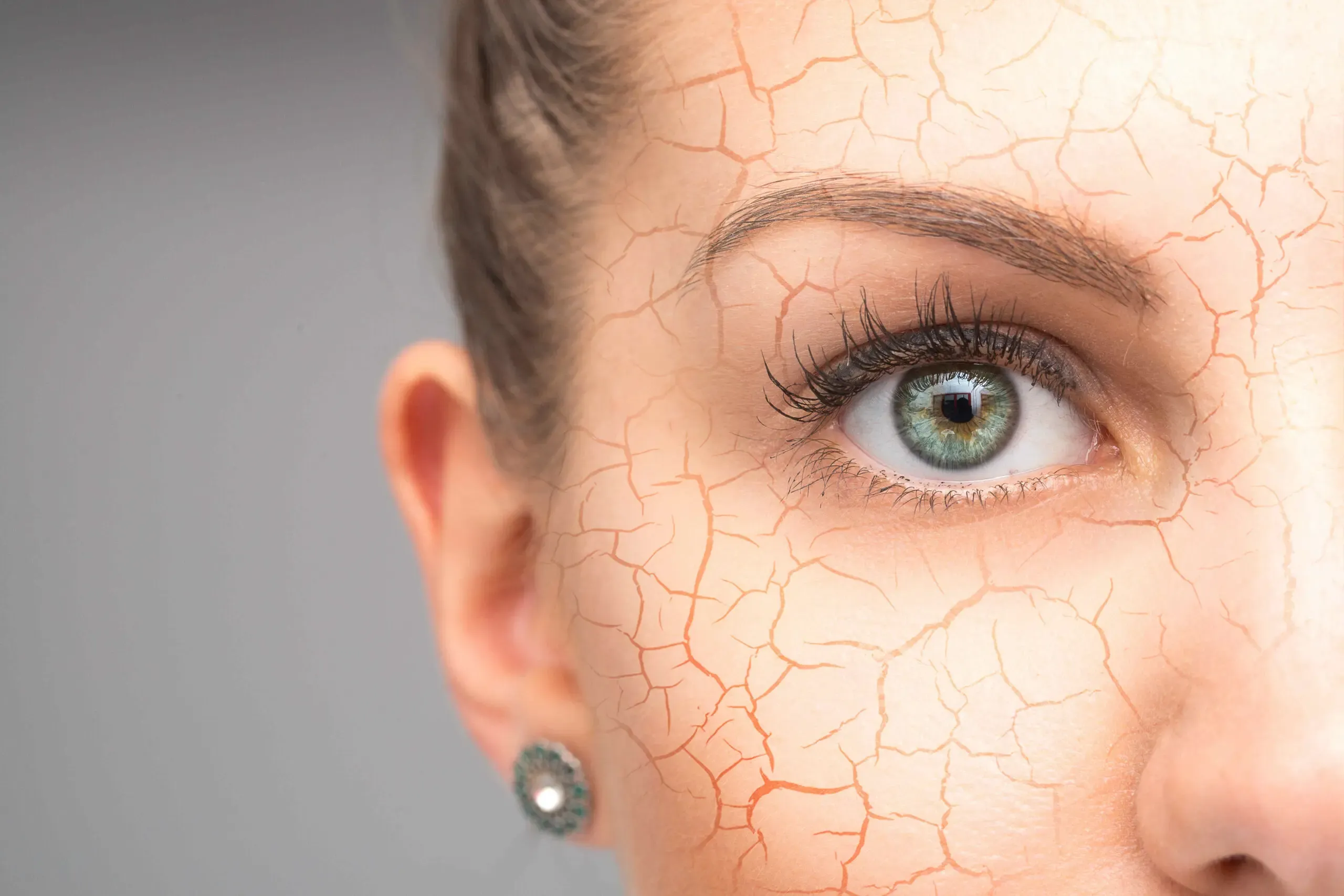
People with dry skin do not benefit from the treatment, in Dr. Zott's assessment — she advises against low-dose therapy for this group. The trend that broadly promotes isotretinoin as a beauty tool entirely overlooks these differences between skin types.
Dermatologists prescribing isotretinoin at lower doses is nothing new. What is new, above all, is that this established medical strategy is being repackaged on social media as a beauty hack under the label "microdosing."
Zott notes that she has been using low doses with selected patients for many years. "For acne and rosacea, isotretinoin in small doses can work well as a follow-up to successful therapy or when a standard dose is not tolerated. You simply need to take it for longer and have a bit more patience than with guideline-recommended dosing."
Isotretinoin has an established role in medical acne therapy. The current European EuroGuiDerm guideline recommends the active ingredient particularly for severe forms of acne.
A medically supervised lower dosage is not, however, the same as the self-directed "microdosing" promoted on social media. The appropriate dose and duration of treatment depend on the individual's skin condition, the specific diagnosis, and personal tolerability.
The term "microdosing" in particular can create the impression that a very small amount of the medication is largely harmless. With isotretinoin, this is a problematic oversimplification.
A lower dosage can reduce some dose-dependent side effects, but isotretinoin remains a prescription medication that must be used under medical supervision. Common side effects include dry lips, dry skin and mucous membranes, and dry eyes. Changes in liver values and blood lipids are also possible.
Of particular importance is the active ingredient's strongly teratogenic effect. During pregnancy, isotretinoin must not be taken; strict contraception requirements therefore apply to all patients who could become pregnant.
A smaller dose does not turn a medically prescribed acne medication into a straightforward beauty product. Anyone considering isotretinoin based on TikTok videos — to minimize pores or make the nose appear narrower — is using a potent drug for an effect that neither equals a nose job nor was ever intended as a cosmetic treatment for nose shape.
The social media trend is built on an interesting half-truth: isotretinoin can change the skin of the nose and, in some people, even make it measurably thinner. But the nose itself does not "shrink" as a result.

Isotretinoin for acne — and a slimmer nose? The medication is being hyped on social media as a beauty hack. Dermatologist Dr. Elisabeth Zott explains what isotretinoin can actually change about the nose.
Christine Bürg & Marianne Waldenfels

With
Dr. med. Elisabeth Zott-Schuhmachers

Sun damage often develops long before it becomes visible. Dermatologist Dr. Hanna Halter explains which treatments and skincare ingredients really work – and which changes cannot be reversed.
Christine Bürg & Hanja Niederhammer

With
Dr. med. Hanna M. D. Halter

Lasers, retinol, biostimulators: which anti-aging methods actually work? Dermatologist Dr. Susanne Steinkraus breaks down which procedures are backed by science and what it really takes to maintain healthy skin.
Christine Bürg & Marianne Waldenfels

An interview with
Dr. med. Susanne Steinkraus

Why surgical experience matters in rhinoplasty, what risks nasal surgery involves, and how natural-looking results can be achieved. Professor Dr. Johannes Veit discusses modern rhinoplasty and individualized aesthetics.
Christine Bürg and Marianne Waldenfels

An interview with
Prof. Dr. med. Johannes a. Veit

From tanning beds to viral skincare trends: dermatologist Dr. Hanna Halter explains the most common skincare mistakes.
Sophie Rodewyk

An interview with
Dr. med. Hanna M. D. Halter

Retinol in summer: Dermatologist Dr. Elisabeth Zott-Schuhmachers explains why the ingredient isn’t necessarily harmful — and the mistakes many people make in the sun
Christine Bürg & Marianne Waldenfels

With
Dr. med. Elisabeth Zott-Schuhmachers