Skin Tightening Without Surgery: What New Treatments Can – and Can't – Do
Radiofrequency, ultrasound, micro-coring: How much can the latest skin-tightening treatments achieve without surgery? Plastic surgeon Dr. Lukas Kohler explains which methods show promise, where they fall short, and why some treatments can even make the face look older.
Over the years, the face loses its definition: the skin becomes less firm and the jawline softer. For a long time, Botox and hyaluronic acid were the treatments of choice. For genuine tightening, there was often no way around a facelift. Today, new devices and methods are constantly entering the market, from combined ultrasound protocols to muscle stimulation and exosomes. Many are marketed with big promises, while the scientific evidence often lags behind.
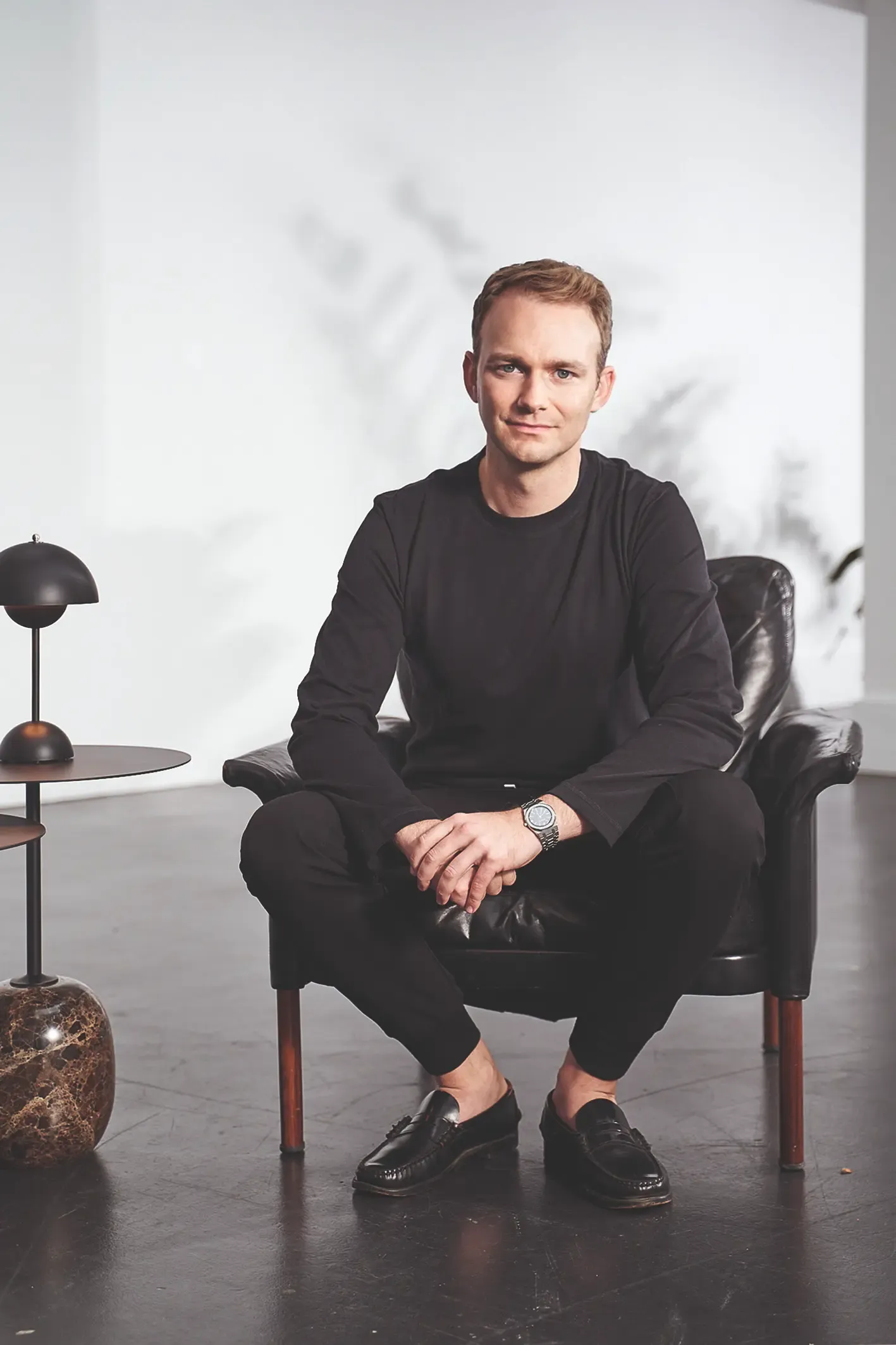
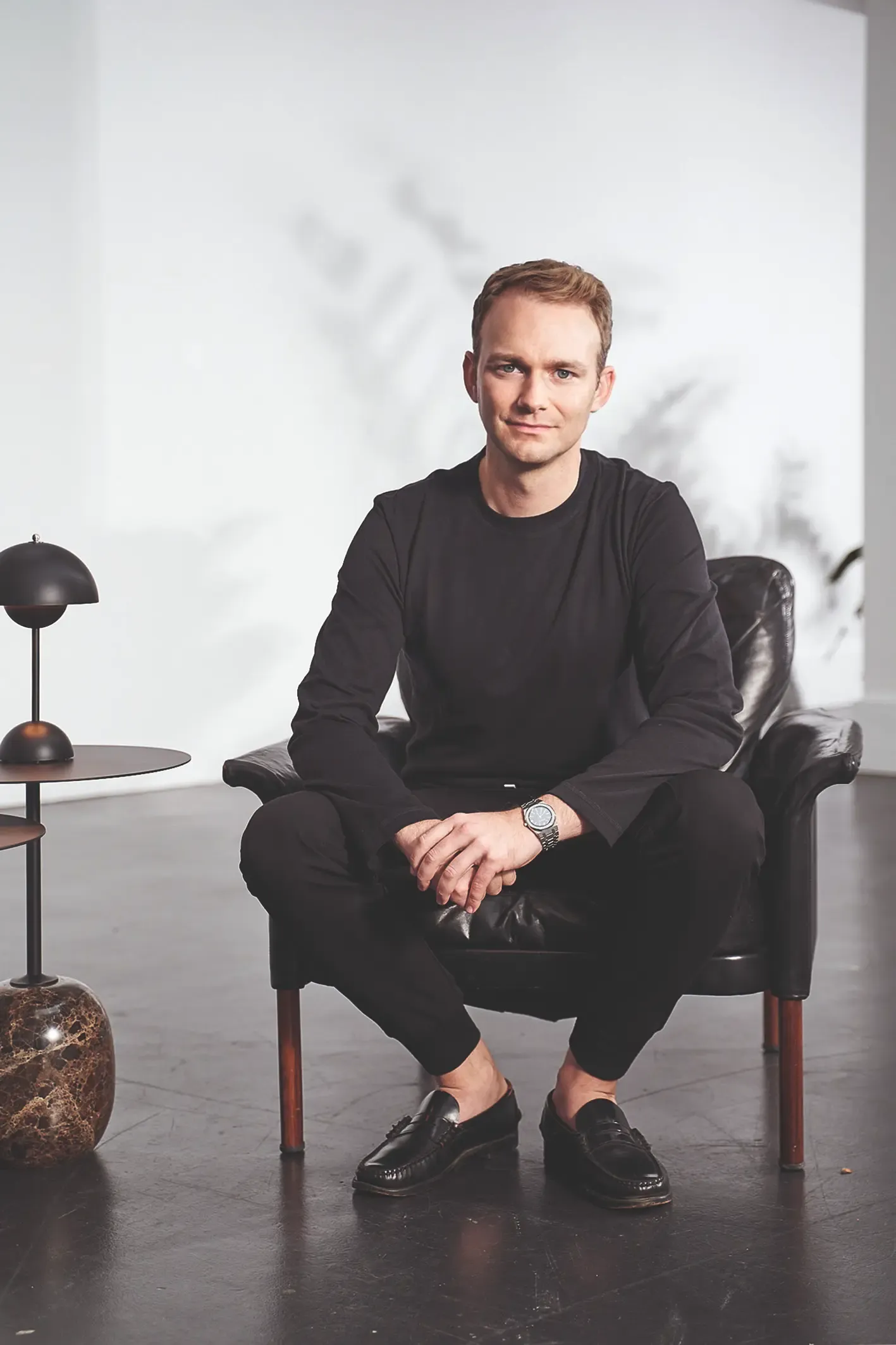
Dr. Lukas Kohler is a board-certified specialist in plastic and aesthetic surgery and the founder of LVATE. In this interview, he explains which new anti-aging treatments he considers promising, why he cautions against unrealistic expectations, and where modern aesthetic medicine reaches its limits.
Why the Face Loses Definition with Age
Dr. Kohler, for a long time Botox and hyaluronic acid were considered the primary tools against visible skin aging. Now new technologies promise to tighten the face rather than fill in wrinkles. Are we witnessing a shift in aesthetic medicine?
Yes, I do think we are currently experiencing a paradigm shift. For many years, aesthetic medicine was heavily focused on smoothing individual wrinkles or restoring lost volume with fillers. Today we understand facial aging in a far more nuanced way. It's no longer just about wrinkles, but about skin quality, the firmness of connective tissue, and changes in the overall facial architecture.
I find the development of energy-based technologies particularly exciting – technologies that activate the body's own regenerative processes and can improve collagen structure. This means we are increasingly addressing the underlying causes of certain visible signs of aging, rather than simply their appearance.
Botox and hyaluronic acid remain important tools. But the trend is clearly moving away from treating individual wrinkles in isolation and toward a holistic, regenerative approach. The goal is not to change a face, but to preserve its natural structure and quality for as long as possible.
Why does our face lose its contours over the years? And which of these changes can actually be corrected without surgery?
Facial aging is a complex, multilayered process. As we age, collagen production decreases, elastic fibers change, and the skin loses its elasticity. At the same time, the superficial and deep fat compartments change: some lose volume, others shift or become more prominent. On top of that, the retaining ligaments, the musculature, and even the bony facial structure all undergo changes.
As a result, the face gradually loses its originally defined contours. The cheek area appears less sculpted, the jawline softens, and the characteristic jowls begin to develop.
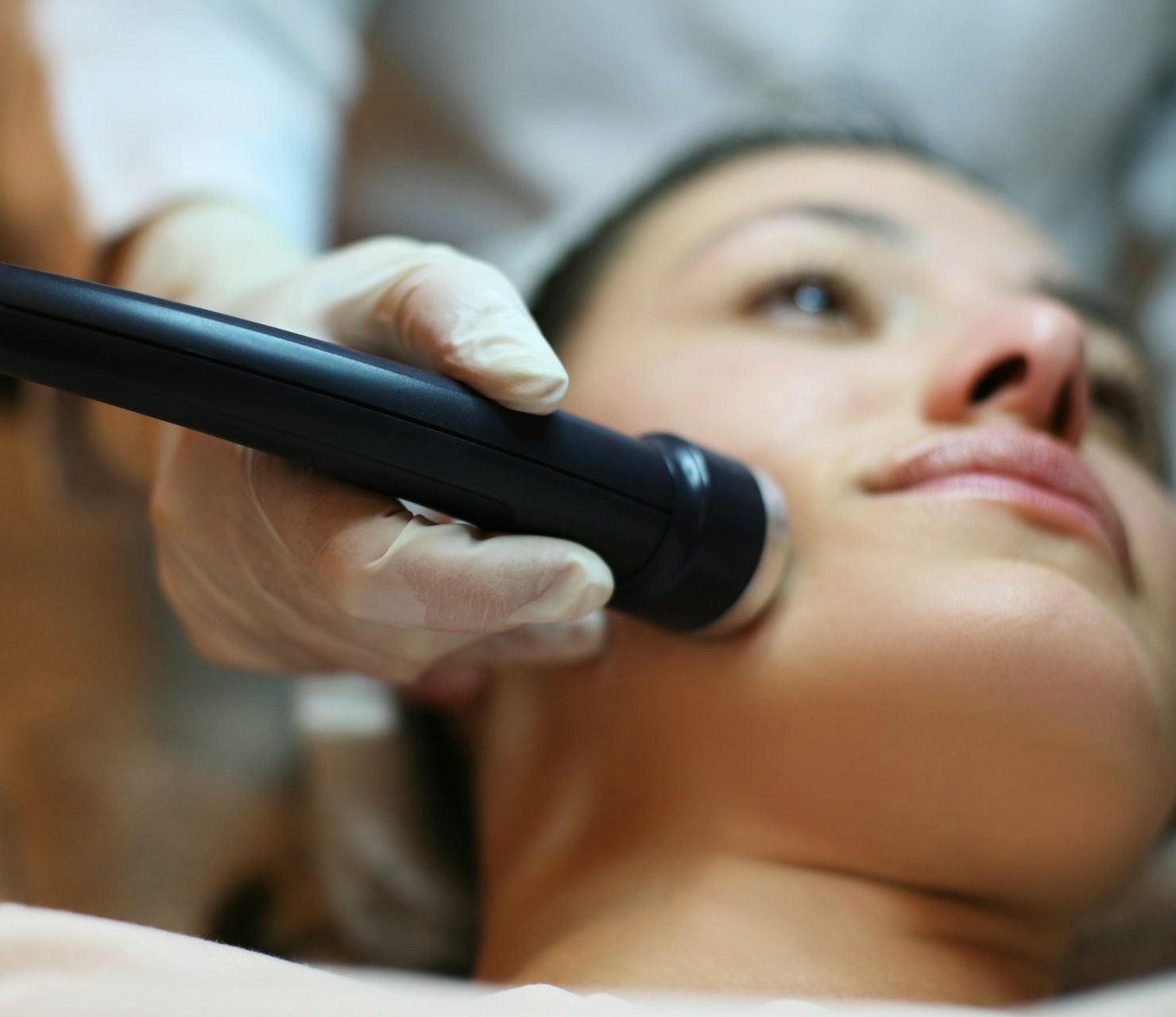
Non-surgical procedures are particularly well suited to improving skin quality and addressing mild to moderate tissue laxity. Modern radiofrequency and ultrasound technologies deliver targeted thermal stimuli that trigger remodeling processes in the connective tissue. What they cannot do, however, is fully reverse pronounced tissue displacement or age-related bone remodeling.
That is why correctly identifying the cause of an altered facial contour is so important. Not every face needs more volume, and not every sagging jawline can be corrected by skin tightening alone.
New Treatments Put to the Test: Do They Deliver?
In so-called micro-coring, tiny skin cylinders are removed in order to tighten the skin. Is this an advancement over existing procedures?
From a medical perspective, micro-coring is a remarkably interesting approach because it differs fundamentally from conventional energy-based procedures. Rather than stimulating collagen remodeling purely through heat, microscopically small skin cylinders are mechanically removed. The aim is to actually reduce the surface area of the treated skin, which then tightens during the subsequent healing process.
The reasoning is logical: if excess skin is a significant component of aging, a targeted reduction of the skin surface may make more sense than simply stimulating its collagen production.
That said, I currently view the procedure with some nuance. The results are promising, but we need more robust long-term data – particularly regarding the degree of tightening that can realistically be achieved, possible pigmentation changes, and the quality of wound healing. The large number of small injuries and the associated recovery period must also be factored in.
I see micro-coring as an exciting addition to our treatment portfolio, but not yet a new gold standard. The key question is whether the additional benefit over established technologies justifies the more invasive approach.
A recent study examined whether combining focused ultrasound with radiofrequency microneedling can tighten the face more effectively than either procedure alone. What conclusions can be drawn from the results?
I generally think multimodal treatment concepts make a great deal of sense, because facial aging takes place across different tissue layers. Focused ultrasound and radiofrequency microneedling do not work in the same way: while ultrasound can deliver targeted thermal stimuli at defined depths, radiofrequency microneedling primarily treats the dermal and, depending on the settings, subcutaneous tissue structure as well.
The current study shows that the combination can achieve more pronounced short-term changes to the lower facial contour than either procedure on its own. Interestingly, however, the results tend to converge after several months. This suggests that a combination is not automatically superior over the long term. Transient neurological side effects were also observed with ultrasound-based treatments.
For me, the key is not to combine as many technologies as possible, but to select the right procedures for each individual's anatomy. More energy does not automatically mean more tightening. With slender faces in particular, we need to be careful not to inadvertently reduce fatty tissue and thereby actually accentuate the signs of aging.
In my view, the future lies in intelligent, individualized treatment combinations – not in the most comprehensive device protocols possible.
Many women want a firmer jawline and more defined facial contours. Which procedures deliver the best results – and when is a facelift actually the better solution?
For early laxity in the lower face, I see great potential particularly in modern radiofrequency technologies. At LVATE, we work with Endolift, a laser therapy, and the XERF, a technology that combines two radiofrequencies to target different tissue depths. The advantage is a comparatively comfortable, needle-free treatment that typically involves no significant downtime.
The goal is to improve collagen structure and achieve a visible firming of the tissue – something that can be especially beneficial for early changes along the jawline. Depending on the anatomical findings, focused ultrasound or radiofrequency microneedling may also be considered.
It is important, however, to distinguish between lax skin and tissue that has genuinely descended. With mild to moderate laxity, we can achieve truly beautiful, natural improvements without surgery. But when pronounced jowls, significant excess skin, or marked tissue displacement are present, the technology reaches its limits.
I therefore tell my patients very clearly: we can improve the contours, but we cannot replicate a surgical facelift with a device. Realistic expectations are, for me, an essential part of good aesthetic medicine.
Radiofrequency is now being combined with targeted muscle stimulation. Can you actually tighten a face by training its muscles?
The approach is fundamentally interesting, because facial aging is not purely a skin issue. The musculature and its functional interaction with the overlying tissue also shape our facial contours.
While radiofrequency primarily targets the dermal and connective tissue structure, electrical muscle stimulation is intended to additionally activate the musculature – giving rise to the idea of simultaneously addressing different components of facial aging.
From a medical standpoint, however, we need to distinguish between improved muscle activity and an actual lifting effect. The facial mimetic muscles are anatomically organized quite differently from, for example, the skeletal muscles of the arms or abdomen. A stronger muscle contraction therefore does not automatically lead to an elevation of descended fat compartments or lax retaining structures.
I see this as a promising complementary approach, but I would first like to see convincing long-term data demonstrating just how significant the additional effect of muscle stimulation actually is. Not every technologically plausible combination automatically translates into a clinically meaningful benefit.
Exosomes are being marketed as the next generation of skin rejuvenation. How much science actually stands behind these claims?
Exosomes are certainly among the most exciting areas of research in regenerative medicine. They are small vesicles released by cells that carry proteins, lipids, and genetic information, among other things, and are thereby involved in cell-to-cell communication.
Experimental studies show that certain extracellular vesicles can influence processes relevant to skin aging – for example, inflammatory responses, wound healing, and fibroblast activity. This is biologically highly interesting.
However, we must be very cautious about translating these findings directly into commercial anti-aging treatments. Clinical evidence is limited so far, the products in use vary considerably, and questions around standardization, dosing, and long-term safety have not been adequately resolved.
I see considerable scientific potential in exosomes, but also a substantial gap between research and marketing. Invasive applications in particular should not be presented as already-established regenerative therapies.
My position is clear: a new technology must not only sound innovative – it must also demonstrate its efficacy and safety in high-quality clinical studies.
What’s Realistic and What’s Overrated
Many anti-aging procedures aim to stimulate the body's own collagen production. How much visible tightening can actually be achieved this way?
Stimulating the body's own collagen production is one of the most important approaches in modern aesthetic medicine. Collagen forms a major part of the structural framework of our skin. When we trigger remodeling processes through controlled thermal or mechanical stimuli, we can improve the firmness and quality of the tissue.
However, the term collagen stimulation is often equated with a significant lifting effect in marketing materials. This is not medically accurate.
These procedures can improve skin density, elasticity, and firmness, and deliver a visible tightening effect in suitable patients. The effect typically develops over several weeks to months and varies considerably from person to person.
What we cannot expect is a complete repositioning of descended tissue structures. The formation of new collagen is a biological regenerative process, not a mechanical repositioning.
Yet therein also lies the strength of these procedures: they can help the skin look firmer, more even, and healthier over the long term, without altering natural facial expressions or individual features.
Which new anti-aging technologies impress you most right now? And which procedures do you think are overrated?
I currently see the greatest advances in energy-based procedures, particularly in the ongoing development of radiofrequency technology. Modern systems allow for more refined energy delivery and increasingly individualized treatment protocols. I find technologies especially compelling that combine effective tissue stimulation with minimal patient burden and short recovery times.
At the same time, I see an important advance in our understanding of facial aging. Today we no longer treat individual wrinkles in isolation, but consider skin quality, volume distribution, tissue firmness, and anatomical changes within a broader context.
I am critical of the sometimes excessive use of fillers – particularly when the aim is to optically lift sagging tissue using ever-larger volumes. This may improve certain contours in the short term, but can lead to unnatural proportions over time. Some regenerative procedures are also currently being marketed far more aggressively than their scientific evidence warrants.
In the coming years, I will be watching the development of regenerative medicine particularly closely – that is, technologies that specifically influence cellular repair mechanisms. I also find the increasing precision of energy-based procedures and the ability to treat different tissue layers with greater anatomical selectivity very exciting.
I believe the future of aesthetic medicine lies not in ever more aggressive interventions, but in more precise, individualized, and biologically intelligent treatments.
Skin Tightening at 50 Without a Facelift: What the Expert Recommends
A 50-year-old woman wants to tighten her facial contours but does not want a facelift. What would you recommend?
First, I would take a very close look at what has actually caused the changes in her facial contours. Has she primarily lost skin elasticity? Are fat compartments shifting? Is there a lack of volume in the mid-face, or is there already a visible excess of skin? These distinctions are essential for determining the right course of treatment.
For a patient with mild to moderate laxity, I would often begin with a modern radiofrequency treatment – XERF, for example. The aim would be to improve tissue firmness and gently define the lower face. Depending on skin quality and the initial findings, I might also recommend radiofrequency microneedling or other collagen-stimulating procedures.
Where there is also significant volume loss, a conservative, anatomically targeted volume correction may be appropriate. That said, I would never attempt to compensate for pronounced tissue laxity with large quantities of hyaluronic acid.
A consistent skincare routine, daily UV protection, and a long-term strategy for maintaining skin quality are equally important to me.
Above all, I would have an honest conversation with the patient about what is realistically achievable. My goal would not be to make her look ten or fifteen years younger, but to preserve her individual features and refine her contours as naturally as possible.
To me, good aesthetic medicine is not defined by the fact that a treatment is visible, but by the fact that a face looks fresh, harmonious, and like itself – just as it always has.