© Adobe Stock
October 24, 2026
Birgitta Dunckel
Zinc tablets are among the most popular dietary supplements during cold season. But most products on store shelves are a far cry from what has actually been tested in studies. And whether the trace element helps at all is still a matter of debate among researchers.
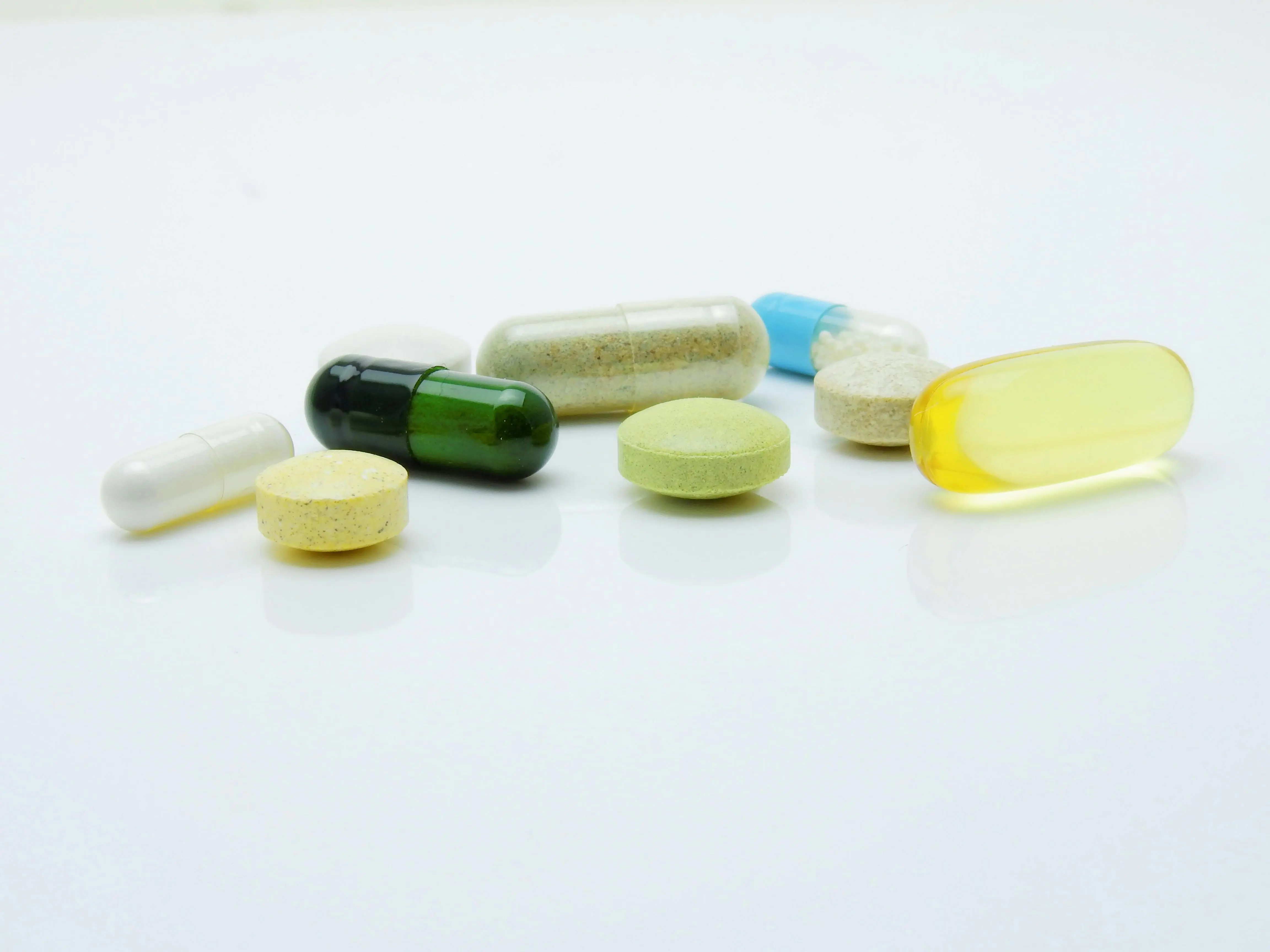
At the first sign of a scratchy throat, many people reach for zinc. The trace element is widely regarded as an immune booster, and pharmacies and drugstores stock it in the form of capsules, effervescent tablets, and lozenges. Zinc is indeed essential to life: the body needs it for hundreds of enzymes, for cell division, and for the proper functioning of the immune system. The body cannot produce zinc on its own or store it in any meaningful amount — it must be supplied regularly through food.
Can extra zinc help fight off an oncoming cold more quickly? That is precisely what researchers have been debating for years. And the answer depends on details that most product labels never mention.
The most comprehensive analysis to date was published in May 2024: a team led by Daryl Nault of the Maryland University of Integrative Health analyzed, for the Cochrane Collaboration, 34 randomized trials involving a total of 8,526 participants. The results were sobering.
When taken preventively, zinc made little or no difference to whether someone actually caught a cold. As a treatment after symptoms appeared, it shortened the duration of a cold by an average of just over two days — however, the authors rated the quality of this evidence as low. The eight treatment studies analyzed differed considerably from one another: in the zinc compound used, the dose, the form (lozenge or nasal spray), and even the definition of what counted as a cold. Zinc had no demonstrable effect on symptom severity.
At the same time, mild side effects were more common with zinc, particularly nausea, gastrointestinal complaints, and an unpleasant taste in the mouth. The authors' conclusion: the evidence is insufficient to recommend zinc for the prevention or treatment of colds.
Few scientists have studied zinc and colds as intensively as Harri Hemilä of the University of Helsinki. Together with Elizabeth Chalker, he published a detailed critique of the Cochrane review in Frontiers in Medicine in October 2024.
His central objection: the review lumps together too many disparate things — children and adults, nasal gels and lozenges, preparations that release zinc effectively and those that barely release it at all. The rationale behind lozenges is that free zinc ions act directly in the throat, where cold viruses multiply. If zinc is swallowed instead, or is tightly bound within the tablet, this local effect is lost.
When only the lozenge studies in adults are combined, Hemilä and Chalker arrive at a considerably clearer result: the cold was on average 37 percent shorter. Studies using more than 75 milligrams of zinc per day from zinc acetate or zinc gluconate showed a reduction of around one third.
Even for zinc advocates, however, the picture is not entirely straightforward. In 2020, Hemilä himself conducted a double-blind trial of a commercially available zinc acetate lozenge. The results were published in BMJ Open: 253 working adults in Finland were given a pack of zinc or placebo lozenges in advance, to be taken six times a day for up to five days at the first signs of a cold — a total of 78 milligrams of zinc per day.
The result: among the 87 participants who actually fell ill, zinc users did not recover faster than those in the placebo group. They did, however, report side effects considerably more often. The researchers concluded that a better understanding of what makes a lozenge effective would be needed before it could be broadly recommended.
Overall, the picture is mixed: there are indications that certain lozenges at high doses may slightly shorten a cold. However, a reliable effect for every product available on store shelves has not been established.
For consumers, one practical conclusion stands out above all others: those who want to try zinc for a cold will find the strongest evidence behind slowly dissolving lozenges taken at the very first signs of symptoms. There is considerably less support for capsules and effervescent tablets that are swallowed. These may correct a deficiency but do not act locally in the throat.
Experts generally advise against zinc-containing nasal sprays and nasal gels. In the United States, the FDA warned against certain zinc nasal products as early as 2009, after users reported a sometimes permanent loss of their sense of smell.
Timing also matters: in the studies, participants began taking zinc within 24 hours of the first symptoms. Those who start on the third day of a cold can, based on current knowledge, expect little benefit.
The European Food Safety Authority (EFSA) sets the tolerable upper limit for total daily zinc intake in adults at 25 milligrams — combining both food and dietary supplements. The doses used in cold studies are many times higher than this figure.
The German Federal Institute for Risk Assessment (BfR) therefore recommends a maximum of 6.5 milligrams of zinc per day from dietary supplements. The reasoning: many people already get enough zinc through their diet, and those who already eat a zinc-rich diet could exceed the upper limit by taking high-dose supplements. According to the Verbraucherzentrale, zinc medications at or above 25 milligrams per day are available by prescription only in Germany. For children and adolescents, it considers zinc as a dietary supplement to be generally unsuitable.
In the short term, high doses primarily cause nausea, stomach pain, and diarrhea. More dangerous is a persistently excessive intake sustained over weeks and months: zinc then displaces copper during absorption in the intestine. A review article by Schoofs et al. in the journal Molecules (2024) describes possible consequences of such zinc-induced copper deficiency as anemia, a shortage of certain white blood cells, and even nerve damage.
Anyone wishing to try zinc at the doses used in cold studies should therefore do so for only a few days and consult a doctor or pharmacist beforehand — especially in cases of kidney disease, during pregnancy and breastfeeding, or when taking other medications regularly.
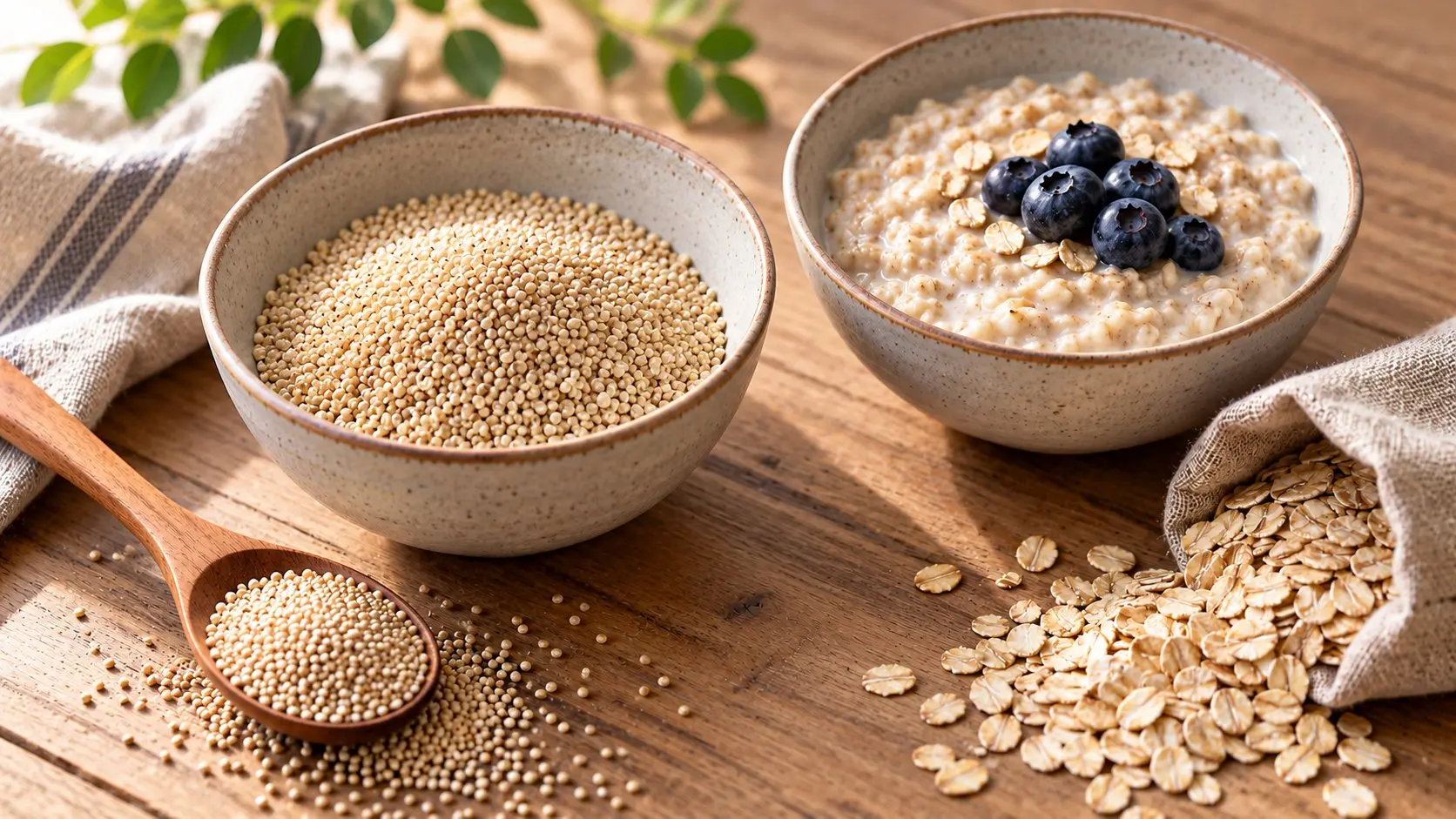
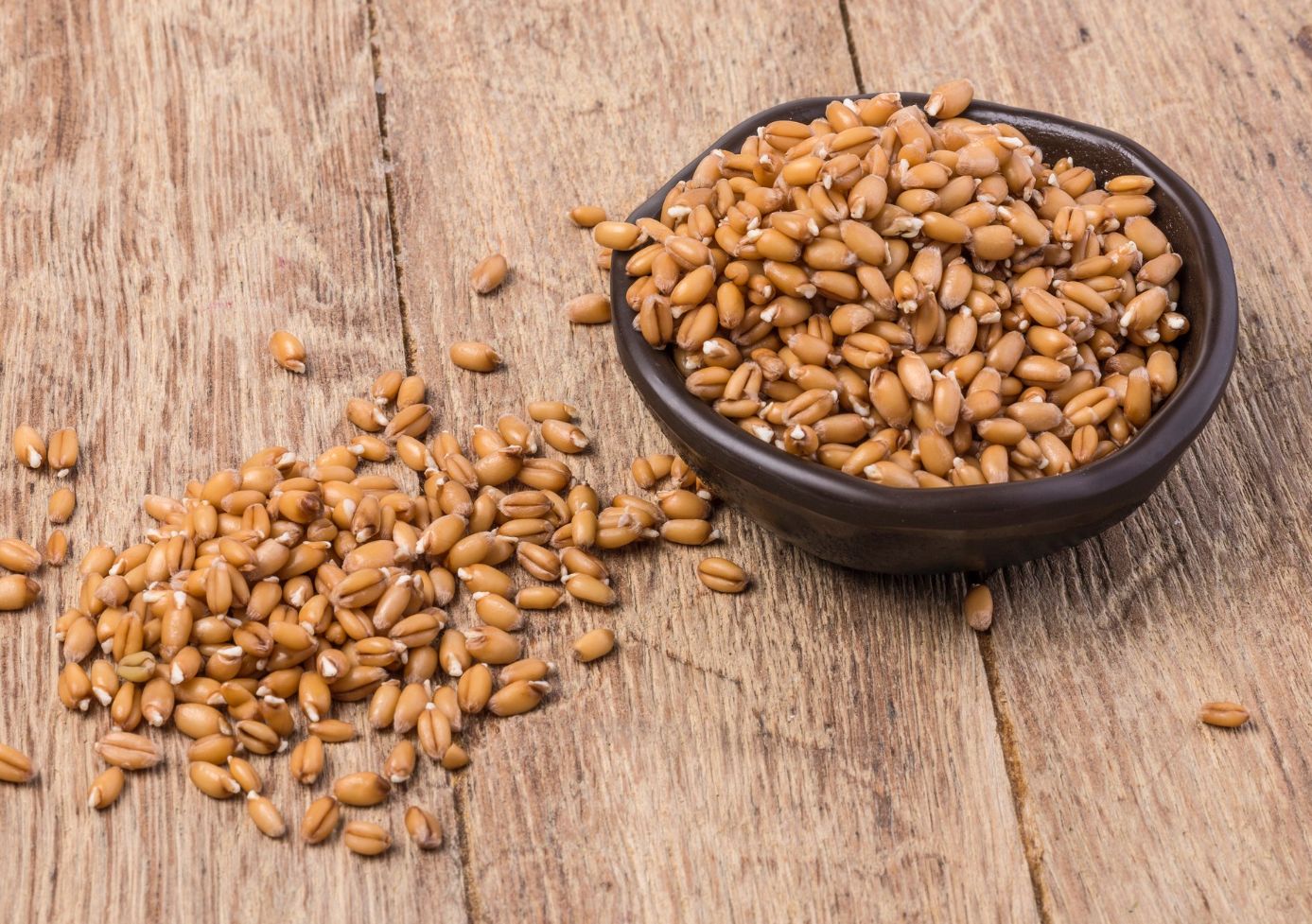
For most people, a balanced diet is the better source of zinc. The German Nutrition Society (DGE) has recommended since 2019 that women consume 7 to 10 milligrams and men 11 to 16 milligrams per day. The range depends on how much phytate a person eats. This plant compound is found mainly in whole grains and legumes, binds zinc in the intestine, and can reduce its availability by up to 45 percent according to the DGE. With a typical, balanced diet, the requirement is 8 milligrams per day for women and 14 milligrams per day for men.
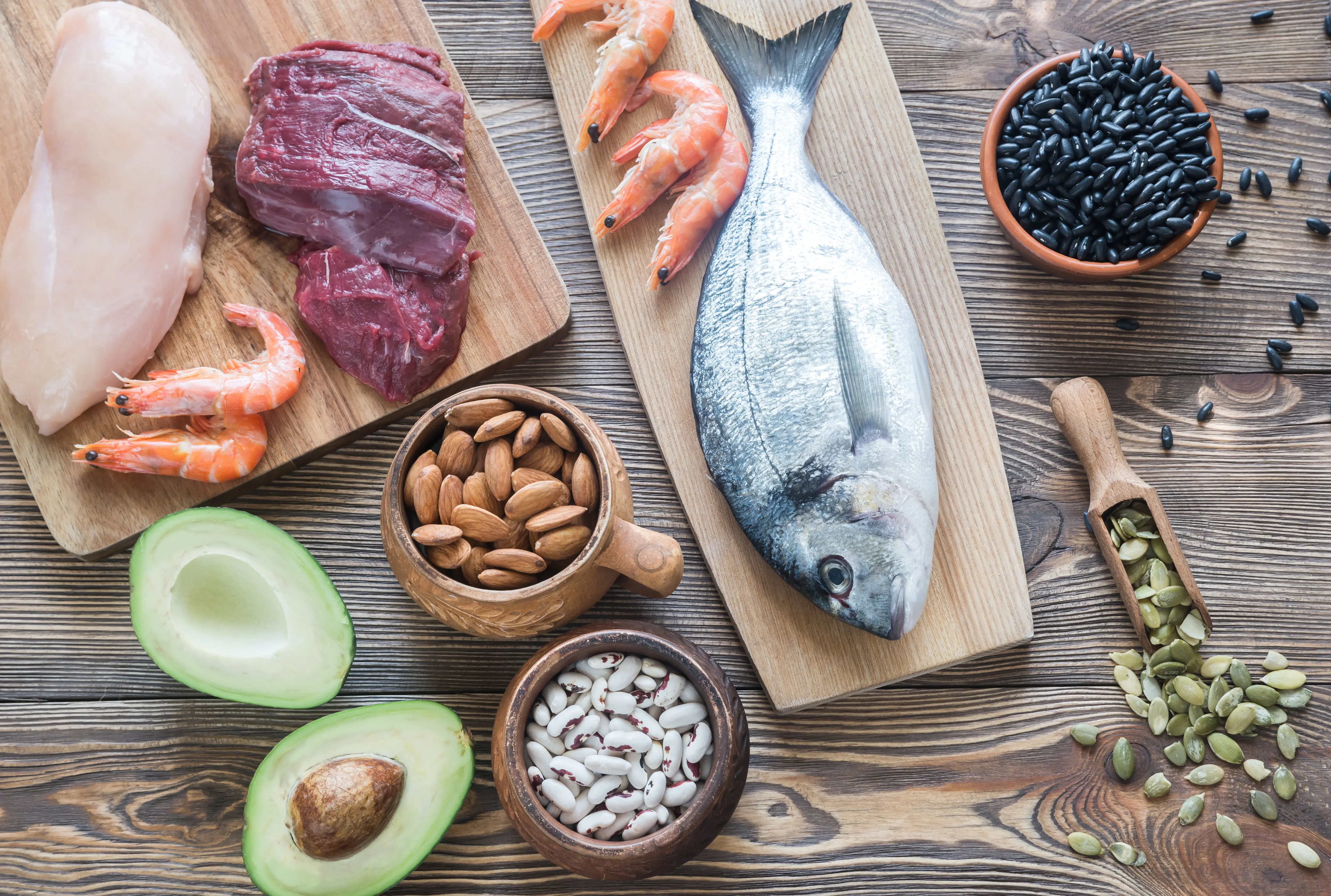
Good sources of zinc include:
The body absorbs zinc from animal foods more readily than from plant-based sources. Vegetarians and vegans therefore have higher requirements, as do pregnant and breastfeeding women. Those who eat a largely plant-based diet can compensate: soaking and sprouting legumes, and using sourdough for whole grain bread, break down phytate and thereby improve zinc absorption.
Zinc deficiency usually develops gradually. Possible signs include:
· frequent infections
· dry, flaky, or inflamed skin and poorly healing wounds
· hair loss and brittle nails
· loss of appetite and taste disturbances
· fatigue and exhaustion
None of these symptoms is definitive, and all can have many other causes. Blood zinc levels are also only partially informative, since a reliable marker for mild zinc deficiency is currently lacking. Anyone who suspects a deficiency should have it investigated by a doctor rather than supplementing at high doses on a hunch.
If a supplement is taken, it is best taken about half an hour before a meal. Iron, calcium, and copper supplements, as well as coffee and black tea, should be taken at a different time, as they can reduce zinc absorption. Zinc can also interact with certain antibiotics — if in doubt, consult a pharmacist.
Alongside tablets, zinc has been used externally for decades, most commonly as zinc oxide in ointments and pastes. These form a protective layer on the skin that keeps out moisture and irritants, and have a mildly drying and anti-inflammatory effect. Zinc ointment has proven particularly useful for sore skin such as diaper rash, for mild skin irritations, and for the care of small, superficial wounds. Deep, weeping, or infected wounds, however, require medical treatment.
Zinc is indispensable for the immune system, and a deficiency increases susceptibility to infections. However, it has not been proven that extra zinc shortens a cold in everyone. The evidence most strongly supports high-dose lozenges taken immediately at the first signs of symptoms — yet even here researchers disagree, and the amounts involved are far above the safety recommendations for dietary supplements.
People who are healthy and eat a balanced diet generally do not need additional zinc. Those who still want to try it should do so briefly, in a targeted way, and after consulting a professional.

When cancer runs in the family, questions about one's own risk often follow. In the first installment of her column, geneticist Dr. Laura von der Heyden explains how inherited genetic variants influence the risk of breast, colorectal, and prostate cancer — and how this knowledge can change preventive care.
Dr. med. Laura von der Heyden
By

Implant or your own tissue, now or after treatment — or perhaps no reconstruction at all? Plastic surgeon Dr. Juliane Bodo explains what role radiation plays, what risks to expect, and why no one should make this decision under pressure.
Christine Bürg & Marianne Waldenfels

An interview with
Dr. med. Juliane Bodo