© Kamakshi
October 10, 2026
Marianne Waldenfels
Psyllium husks, konjac powder, and special drinks promise less hunger and easier weight loss. But everyday foods may be the smarter choice. What does the research actually show?
Fiber has become the new hope for weight loss. On TikTok and Instagram, people are experimenting with psyllium husks, konjac powder, and special drinks under the hashtag "fibermaxxing." These products claim to keep you fuller for longer, curb cravings, and support weight loss. But do you actually need expensive specialty products to achieve that?
The science is well-established that fiber can play a role in weight loss. In a study of 240 adults, a relatively simple guideline proved sufficient: participants were asked to eat at least 30 grams of fiber per day. After one year, they had lost an average of 2.1 kilograms — alongside regular nutritional counseling sessions.
That study did not look at fiber powders, though. And this is precisely the distinction that tends to get lost in the current hype: it matters whether fiber comes from oats, lentils, and beans or is consumed as an isolated additive.
What does this mean for people trying to lose weight? And how well do the heavily marketed powders actually hold up in studies?
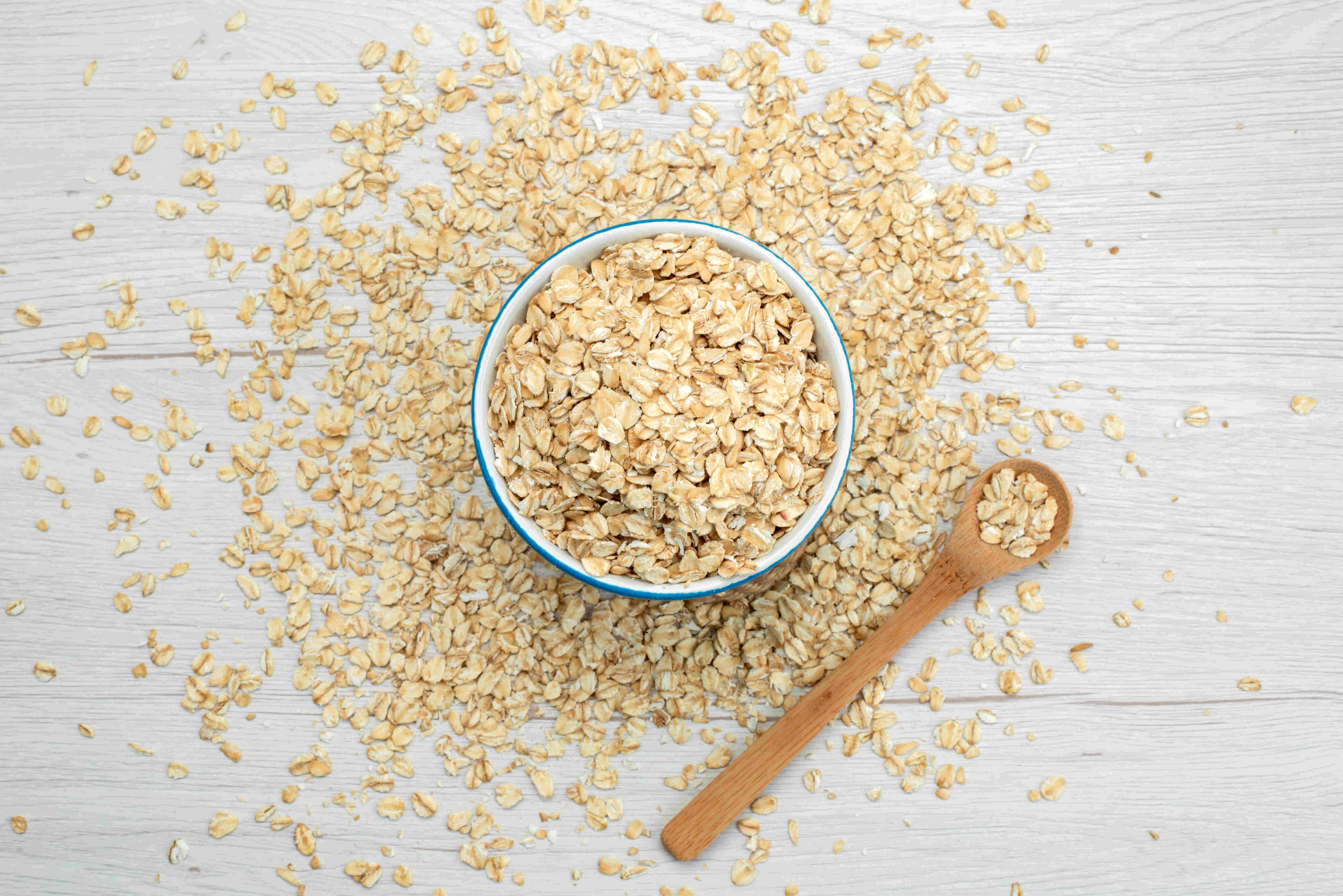
Oats contain beta-glucan, a soluble fiber that forms a gel-like substance when combined with water. This can slow gastric emptying and extend the feeling of fullness. A systematic review of 48 studies found that fiber from oats and rye in particular can have a beneficial effect on hunger. Whether this actually leads people to eat fewer calories, however, is less straightforward.
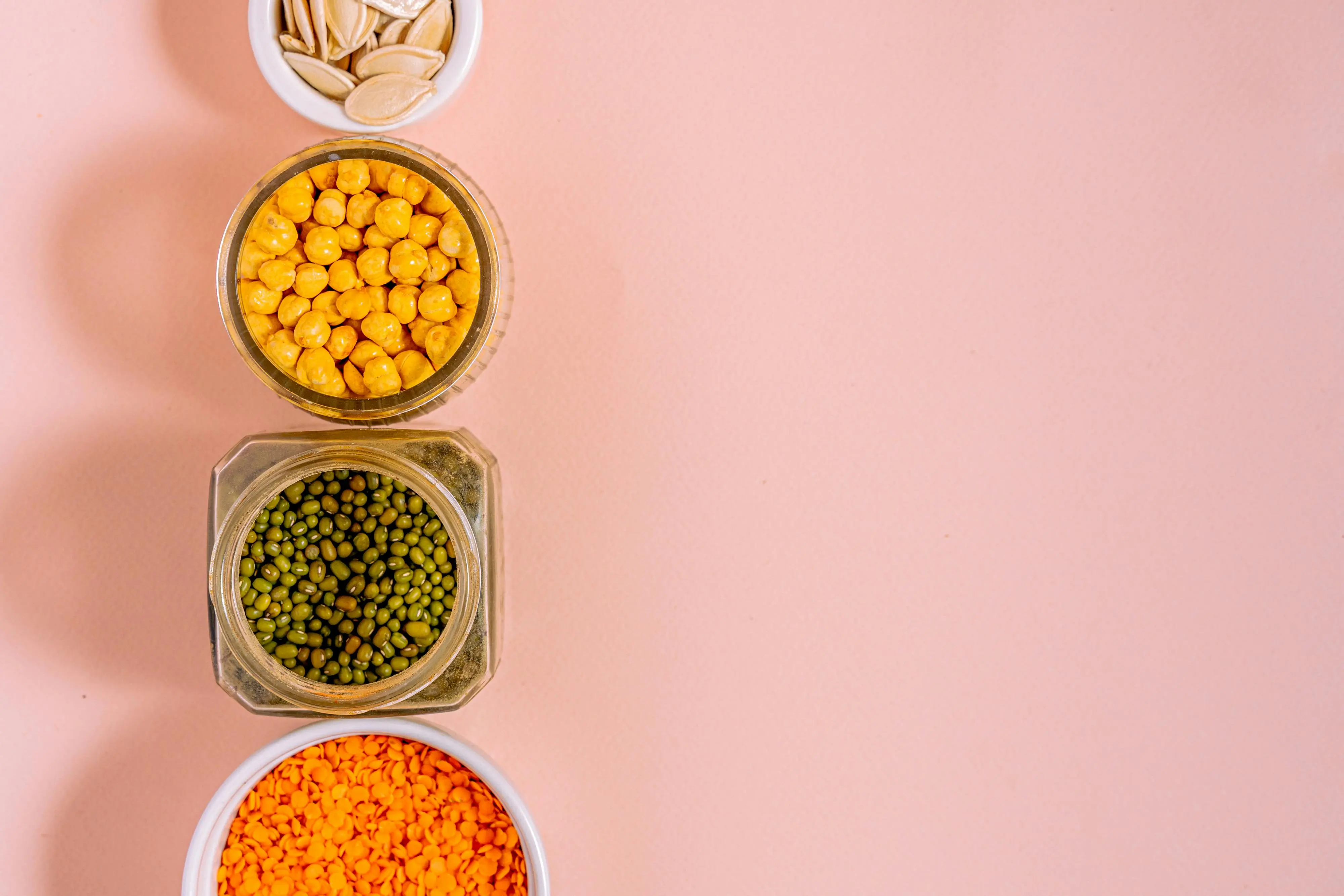
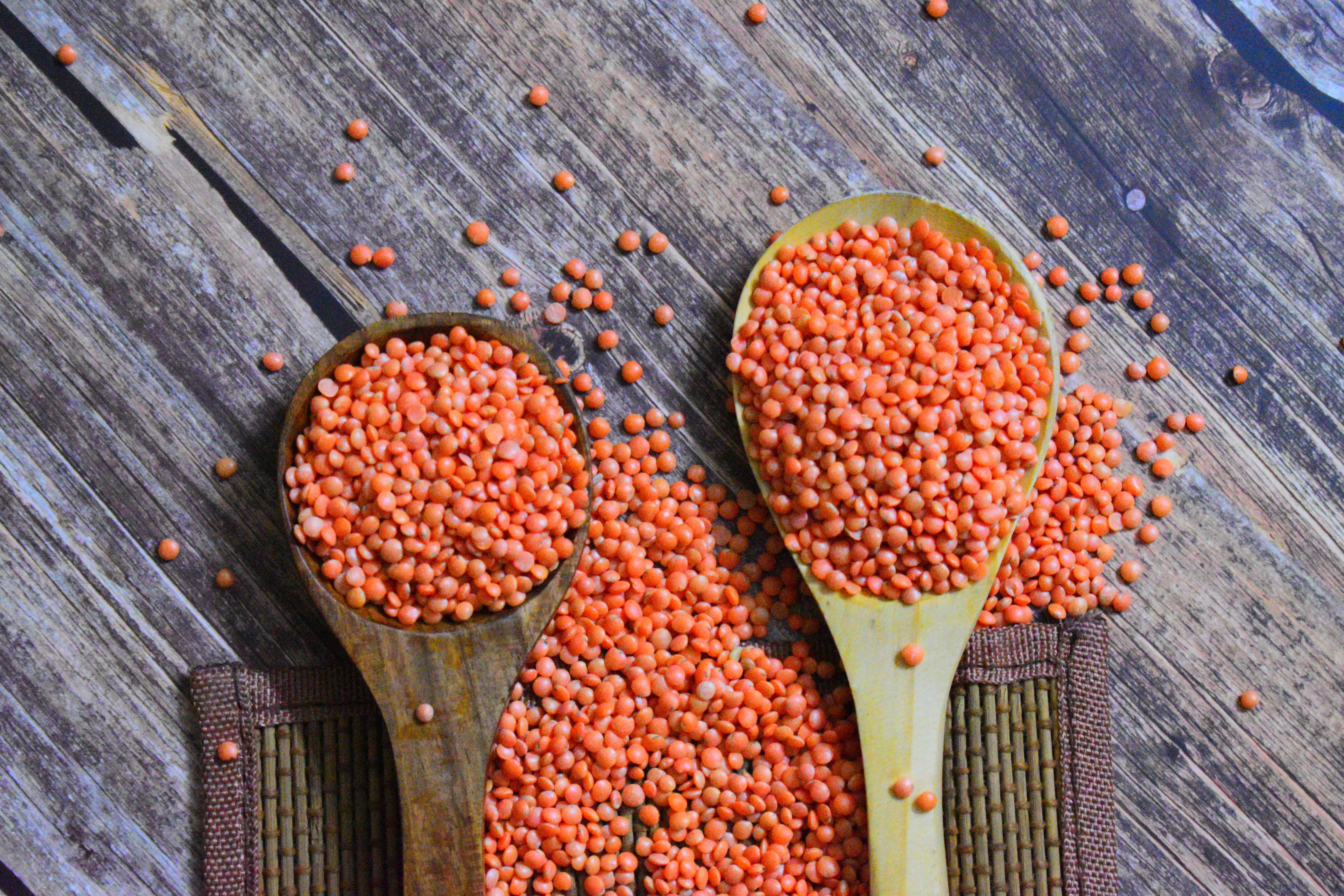
Lentils and beans offer a different combination. They provide fiber, plant-based protein, and complex carbohydrates, making them a satisfying base for many dishes. Eating a portion of lentils means you are not simply consuming an isolated substance, but a whole food with multiple nutrients that can work together to promote satiety.
The physical structure of food also plays a role. A plate of legumes, vegetables and whole grains requires more chewing than a fiber-enriched drink. The texture and volume of a meal can also influence how filling we find it.
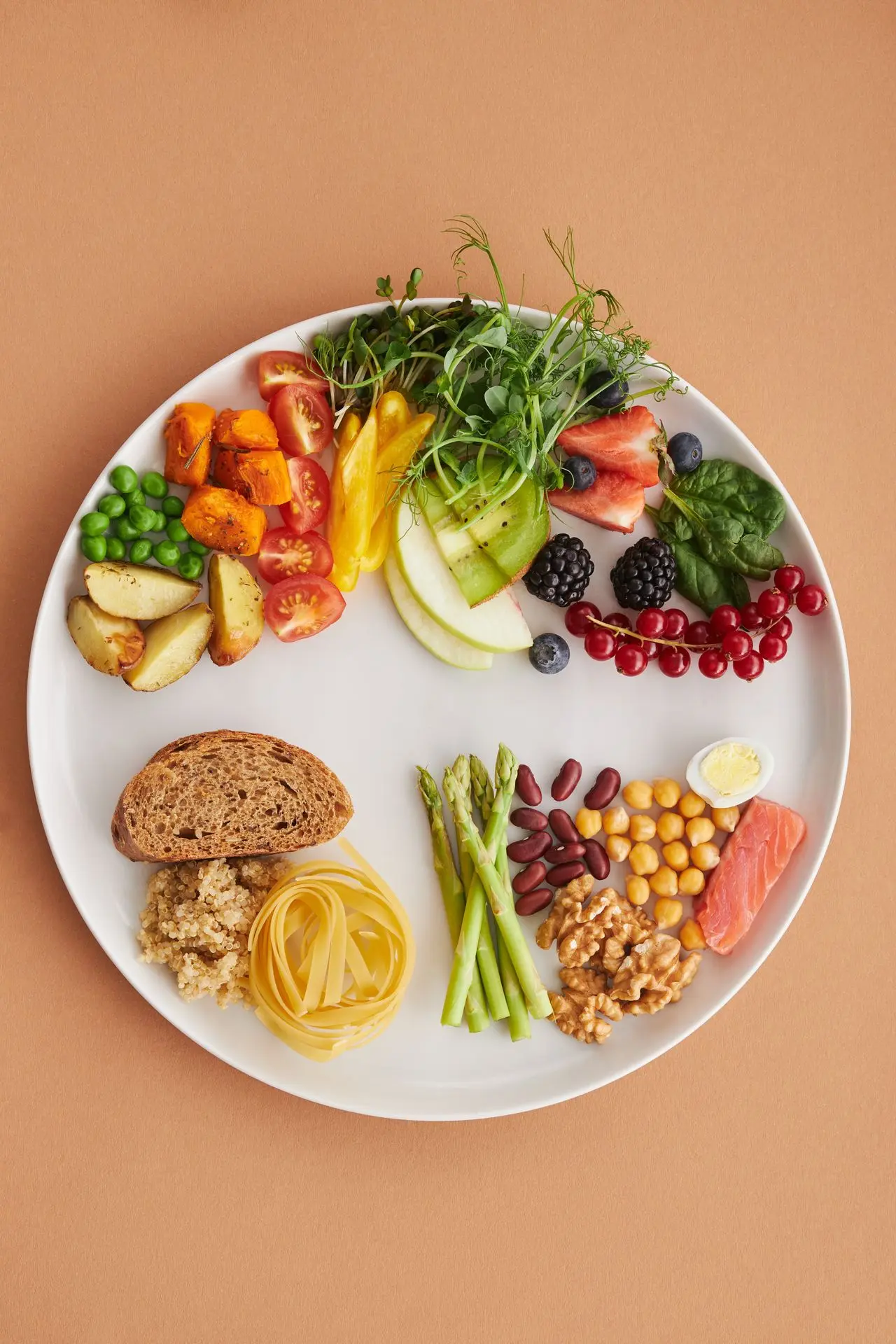
What matters most for weight loss, however, is what high-fiber foods replace. Someone who starts their morning with oats, plain yogurt, and berries instead of a sweet croissant is simultaneously changing the protein, fiber, and overall nutrient content of their meal.
That fiber can make a measurable difference even without a comprehensive dietary overhaul is shown by a meta-analysis of 62 controlled studies, which focused primarily on gel-forming, so-called viscous fibers.
On average, participants who increased their intake of these fibers lost around 330 grams more than the comparison groups. Waist circumference also decreased slightly. Participants were not required to follow a prescribed calorie-restricted diet. The effect was real, but quite modest.
The idea behind fiber powders sounds appealing: a spoonful stirred into yogurt or a drink taken before a meal is supposed to curb hunger without requiring major changes to your eating habits. This is particularly attractive for people with busy schedules.
Psyllium husks do have properties that benefit digestion. They can absorb large amounts of water, swell up, and help regulate stool consistency, which is why they are also used for certain digestive complaints.
When it comes to weight loss, however, the evidence is less clear-cut than the hype suggests. A 2023 meta-analysis found an average weight loss of 2.1 kilograms compared to control groups in people with overweight or obesity. A more recent analysis of 27 studies, however, reached a considerably less favorable conclusion. How much psyllium husks actually help with weight loss therefore cannot be reliably predicted at this time.
The picture is even more striking with glucomannan, derived from the konjac root. This fiber carries an approved health claim for weight loss in the European Union — but it comes with precise conditions: three grams per day, divided into three portions taken before meals, with plenty of water, and as part of a calorie-reduced diet.
A 2014 meta-analysis nonetheless found no statistically clear additional weight loss compared to placebo.
This does not mean such products are entirely without merit. Psyllium husks, for example, can be a useful addition for anyone looking to increase their fiber intake or support their digestion.
A powder does not, however, automatically provide the plant-based protein found in a portion of lentils, the broad range of nutrients in a whole grain meal, or the satisfying structure of a whole food. Nor does it replace a less nutritious meal on its own.
In addition, strongly swelling products require adequate fluid intake. Glucomannan in particular can be problematic if taken incorrectly — for example, by people with swallowing difficulties. Following dosage instructions is therefore important.
The German Nutrition Society recommends that adults consume at least 30 grams of fiber per day. This figure is not a specific weight loss target, but a general reference value for a health-promoting diet.
People who want to lose weight by eating more fiber do not need to reach for psyllium husks or konjac powder first. It is often more effective to eat oats, legumes, and whole grain products more regularly. These foods can support satiety while also providing nutrients that isolated fiber supplements simply cannot offer.

Less stress, better focus, greater peace of mind: EXOMIND aims to improve mental resilience through magnetic stimulation. Dr. Neda Nabavi explains how the treatment works, what changes she has observed in her patients, and why she considers brain health essential to longevity medicine.
Christine Bürg & Marianne Waldenfels

An interview with
Dr. med. Neda Nabavi

Cut out sugar, reduce carbohydrates, avoid certain foods: there’s no shortage of advice about diet and cancer. Oncologist Dr. Gesche Brannolte-Raab explains what the evidence shows – and what she recommends to her patients.
Christine Bürg & Marianne Waldenfels

An interview with
Dr. med. Gesche Brannolte-Raab