© Magnific
November 22, 2026
Marianne Waldenfels
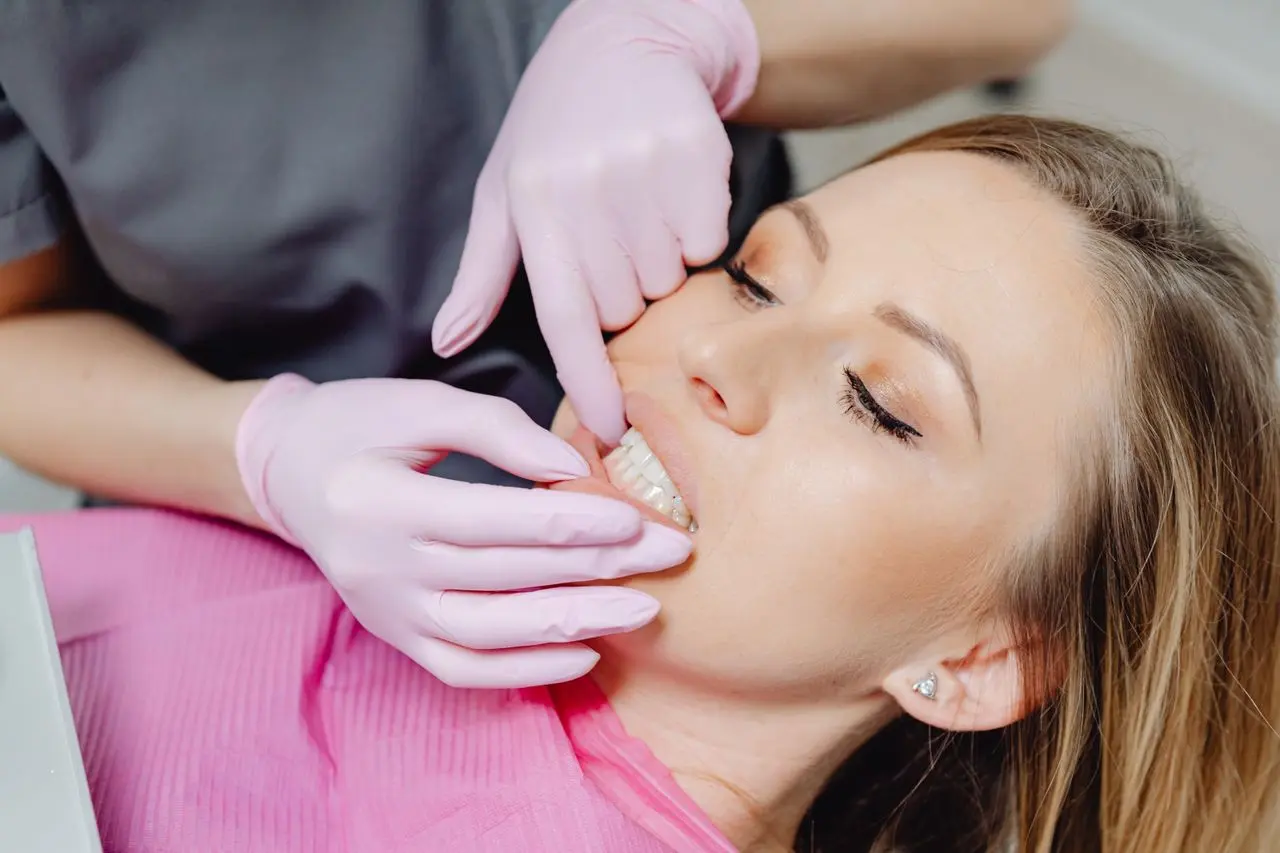
Whether at a Christmas service or gathered around the tree at home, singing together may do more than lift your spirits. Researchers have investigated what happens in the body during singing — and found measurable changes after just one hour.
There's a moment during the Christmas Eve service, just before the organ begins to play "Silent Night." A few hundred people draw breath at the same time. Some sing loudly, others just hum along, and a few don't even know the second verse. Yet something happens that goes beyond the music: a sense of connection with the strangers sitting in the next pew.
What happens in the body when people sing together can be measured — in heart rhythms, saliva, and stress hormone levels. Scientists have even investigated why singing together helps strangers bond so quickly.
At the University of Gothenburg, a team led by musicologist Björn Vickhoff set out to discover what happens to the heart during choir singing. The researchers recorded the heart rates of 15 young choir members as they sang a variety of pieces.
A striking pattern emerged. When everyone sang the same melody, the fluctuations in their heart rates fell into alignment. The hearts did not beat at exactly the same moment, but their rhythms followed a similar course — and the more clearly structured the piece, the stronger the effect.
The explanation lies in breathing. When singing, air flows out slowly and in a controlled manner. The heart rate slows during exhalation and rises again on the inhale. This is regulated in part by the vagus nerve, the principal nerve of the calming parasympathetic nervous system. Vickhoff therefore describes singing as a form of guided breathing. Someone singing "O Christmas Tree" is, without realizing it, essentially doing a breathing exercise.
In Frankfurt, musicologist Gunter Kreutz pursued a different question: can the effects of singing be detected in biological markers? He followed the amateur choir of a Frankfurt church congregation as they rehearsed Mozart's Requiem for an upcoming performance. Before and after a one-hour rehearsal, the researchers collected saliva samples and recorded the singers' moods.
The results, published in the Journal of Behavioral Medicine, showed that after singing, the concentration of immunoglobulin A in saliva had increased, mood had improved, and negative feelings had decreased. This antibody plays an important role in mucosal defense, including in the mouth and airways.
A week later, the same choir members simply listened to the Requiem. This time, there was no rise in antibody levels. Listening was not without effect, however — it did produce a drop in cortisol levels. Active singing and passive listening therefore trigger different responses. Whether the antibody increase actually offers any protection against colds was not investigated; what was measured was a short-term change only.
Just how powerfully singing affects the stress system was demonstrated a few years later by a larger British study. Psychologist Daisy Fancourt of the Royal College of Music in London, working together with the cancer charity Tenovus Cancer Care, examined 193 members from five choirs, including cancer patients, their relatives, and bereaved individuals.
After one hour of singing together, stress hormones such as cortisol had fallen significantly, and levels of cytokines — proteins of the immune system — had increased. The greatest improvement in mood was seen in those who had been in the worst psychological state at the outset.
Researchers at the University of Oxford, led by psychologist Eiluned Pearce and evolutionary scientist Robin Dunbar, wanted to find out whether this sense of connection could be measured. They followed newly established courses over seven months, including singing groups as well as writing and craft classes. In the singing groups, a sense of connection developed particularly quickly — something the scientists dubbed the icebreaker effect.
After several months, participants in the other courses had formed similarly close bonds as well. Singing does not necessarily create deeper connections overall, but it accelerates the process of getting to know people enormously. Body chemistry plays a role here too: in a further study, the researchers also observed changes in pain thresholds.
This could suggest that the body's own endorphin system is involved in communal singing as well — though the messengers themselves were not directly measured.
There is also the matter of shared rhythm. When people sing together, they listen to one another, adapt to each other's tempo, and share an experience that requires no lengthy conversation. The Gothenburg researchers suspect this is one reason why communal singing features in religious rituals all over the world.
Just how valuable this social effect can be in later life is illustrated by a randomized study from the University of California, San Francisco. A team led by nursing scientist Julene Johnson divided 390 people aged 60 and over into two groups. One group began weekly choir rehearsals straight away, while the other started six months later.
After six months, the choir singers reported feeling significantly less lonely and showed greater interest in life. Physically and mentally, however, they did not become fitter through singing. For older people whose social circles have shrunk over the years, a choir is nonetheless a valuable way to build new relationships. And especially at Christmas, when loneliness can feel particularly acute, an open Advent singing event can be a wonderful place to start.
Medicine has also begun to deliberately draw on singing techniques in the treatment of breathing difficulties. The English National Opera, working with doctors at Imperial College London, developed the ENO Breathe program for people with Long Covid. Over six weeks, participants practiced breathing techniques drawn from singing lessons online.
In a randomized study in The Lancet Respiratory Medicine, this led to improvements in mental quality of life and in certain aspects of breathlessness. A structured therapeutic program is, of course, a very different thing from singing "Silent Night" around the Christmas tree.
Singing together lifts the mood, steadies the heartbeat through controlled breathing, and draws people closer to one another. The fact that measurable physical changes accompany all of this makes the familiar Christmas ritual all the more remarkable. Many of the studies are small, but their findings are surprisingly consistent.
Whether someone hits every note is beside the point. Most of these studies were conducted with amateur singers. And perhaps that is the most heartening finding of all: you don't have to be a good singer to benefit.

Glucosamine is said to protect cartilage, collagen to strengthen joints. But how much do these supplements actually help with osteoarthritis? Orthopedic surgeon Dr. Florian Pfalzer explains what the research shows, which risks are often overlooked — and what works better than supplements.
Christine Bürg & Marianne Waldenfels

An interview with
Dr. med. Florian Pfalzer

Veneers promise flawless teeth – but not every treatment is as gentle as many people think. Dentist Dr. Oliver Brendel explains which risks are often underestimated, when he advises against a treatment and what really makes a beautiful smile.
Christine Bürg & Marianne Waldenfels

An interview with
Dr. med. dent. Oliver Brendel