© Magnific
October 6, 2026
Marianne Waldenfels
Sleep apnea often goes undetected — and it doesn't only affect overweight men. Dr. Carlos Nunez explains which symptoms are frequently overlooked, why nighttime breathing pauses can be dangerous, and which treatments can help.
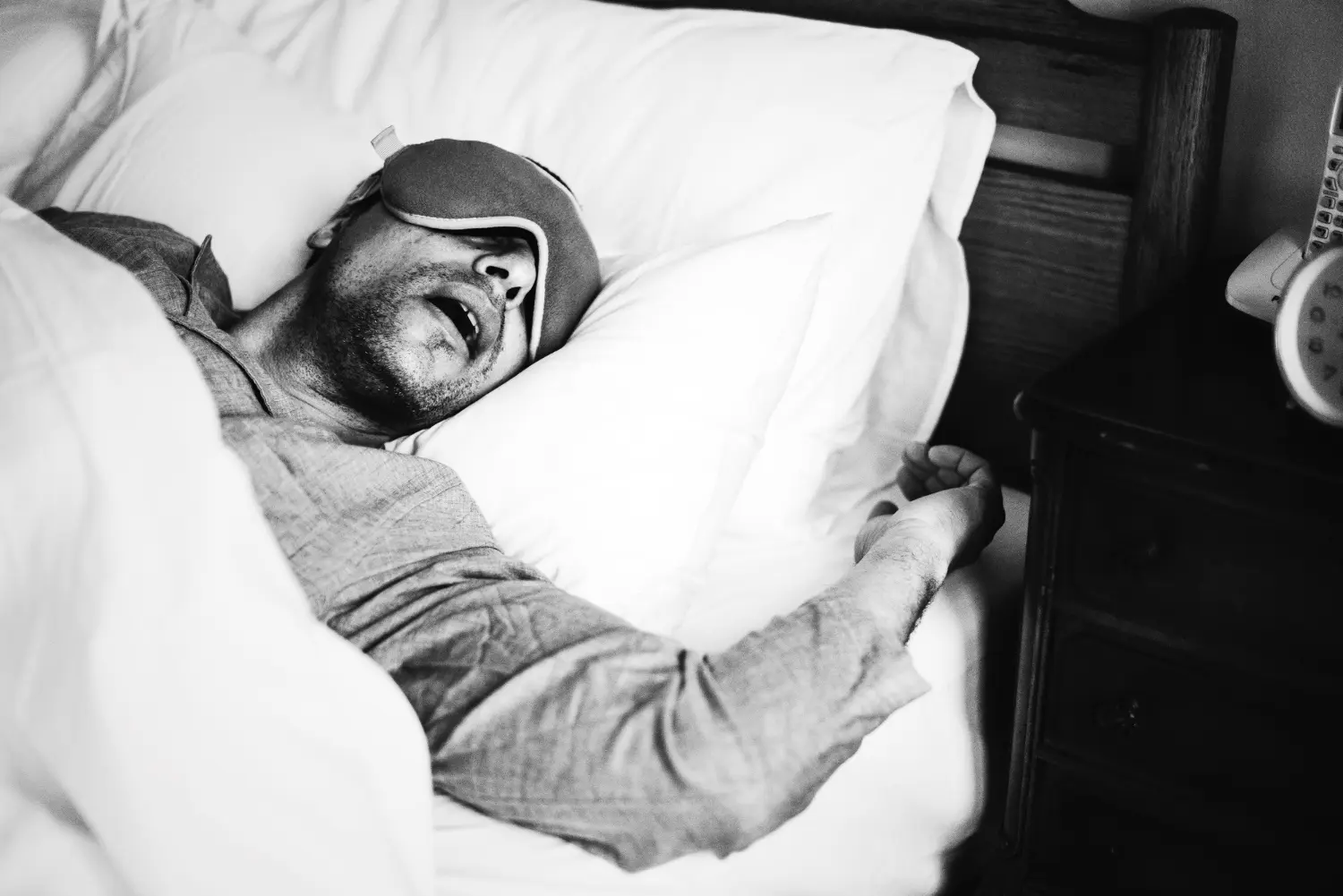
You're asleep — and completely unaware that your breathing keeps stopping. That's exactly what makes sleep apnea so insidious: many people have no idea for a long time, while their body is put under strain night after night. And the condition can also affect people who don't fit the classic risk profile.
How do you find out whether you're affected? What are the consequences of nightly breathing pauses for the heart and brain? And could a new pill one day replace the CPAP mask? Dr. Carlos Nunez, physician and Chief Medical Officer at ResMed, explains what we know about sleep apnea today — and which new treatment approaches are currently being researched.
If a patient comes to you because they snore, feel exhausted during the day, or their partner has noticed pauses in their breathing, what happens next? Can you walk us through the typical journey from the first consultation to diagnosis and treatment?
Snoring, feeling exhausted during the day, or having a partner notice pauses in breathing during sleep can all be symptoms of obstructive sleep apnea. The initial provider assessment looks at the patient’s symptoms, sleep habits, medical history and overall health to evaluate risk of sleep disorders.
If sleep apnea is suspected, the next step in Germany typically involves an overnight home-based sleep study, known as polygraphy (PG). Depending on the findings, a more comprehensive sleep study in a sleep laboratory, known as polysomnography (PSG), may follow to confirm the diagnosis and determine its severity
Once diagnosed, positive airway pressure (PAP) therapy, including continuous positive airway pressure (CPAP), is a well-established standard treatment, particularly for moderate to severe OSA. In Germany, PAP therapy is typically initiated and adjusted under specialist supervision in a sleep laboratory. The important message is that sleep apnea is treatable, and the right treatment can make a meaningful difference to symptoms and quality of life.

© Resmed
Dr. Carlos Nunez, physician and Chief Medical Officer at ResMed
Sleep apnea is strongly associated with being overweight. Can slim and otherwise healthy people develop it too – and who is particularly at risk?
Excess weight is a risk factor for sleep apnea, but it is far from the only one. Age, family history, airway anatomy and certain medical conditions can all play a role.
For too long, sleep apnea has been associated with the stereotype of a middle-aged man who snores loudly. In reality, it can affect people of all ages and body types, including slim and otherwise healthy individuals. Women are also frequently underdiagnosed because they may experience symptoms such as fatigue, insomnia, brain fog or mood changes rather than, or in addition to, the more classic symptoms people associate with sleep apnea.
What actually happens to the heart and brain when breathing repeatedly stops during the night – and what can untreated sleep apnea mean for long-term health?
Sleep is the foundation of health, alongside nutrition and exercise. When breathing repeatedly stops during the night, oxygen levels can drop and sleep is repeatedly disrupted. This puts the body under stress, affecting the cardiovascular system and preventing the brain and body from getting the restorative sleep they need.
Over time, untreated sleep apnea has been linked to serious health conditions including high blood pressure, cardiovascular disease, type 2 diabetes and stroke. That is why it is important to think of sleep apnea as more than a snoring problem. It is a chronic health condition that can have a meaningful impact on both daily wellbeing and long-term health
What actually happens to the heart and brain when breathing repeatedly stops during the night? What long-term consequences can untreated sleep apnea have?
Sleep is, alongside nutrition and exercise, a cornerstone of our health. When breathing repeatedly stops during the night, blood oxygen levels can drop and sleep can be continually disrupted. This places strain on the body, stresses the cardiovascular system, and prevents the brain and body from getting the regeneration they need.
In the long term, untreated sleep apnea is associated with serious conditions such as high blood pressure, cardiovascular disease, type 2 diabetes and strokes. That's why sleep apnea should not be viewed merely as a "snoring problem." It is a chronic condition that can significantly impact both daily well-being and long-term health.
Many patients are prescribed a CPAP mask but find it difficult to sleep with one. What are the most common problems – and what can patients try before giving up on CPAP?
Common challenges include mask comfort, air leaks and simply getting used to sleeping with therapy. The good news is that these issues can often be addressed. Today there are many different mask styles available, including nasal masks, full-face masks and newer designs featuring soft, fabric-wrapped components that can improve comfort for some users. Patients should work closely with their healthcare provider to find the option that fits them best. Patient engagement tools, including personalised apps directly connected to their therapy, can also be a way to support a person’s therapy journey, especially early on when they are getting used to it. I always encourage people not to give up too quickly. Support, coaching and gradual adjustment can make a real difference, especially during the first few weeks of therapy
A new pill called AD109 has now shown promising results in Phase 3 trials. What makes this treatment so different from the options we have had until now?
AD109 represents a new medication-based approach to treating obstructive sleep apnea (OSA).The clinical effectiveness of pharmacological options on the broader OSA population is still being evaluated but reflects ongoing efforts to expand treatment options for people living with sleep apnea.
For someone who struggles every night with a CPAP mask, the obvious question is: Could a pill like AD109 eventually replace it?
It is still too early to know what role any new therapy may ultimately play in clinical practice. Sleep apnea affects people in different ways, and newer treatments may be approved options for some patients. CPAP continues to be the proven, widely recommended first-line therapy for obstructive sleep apnea, offering immediate symptom relief (when used correctly) and decades of clinical validation in real-world settings.
What can people with sleep apnea actually do themselves? Can losing weight, changing sleeping position, avoiding alcohol or other lifestyle changes make a meaningful difference?
For many people, lifestyle changes, like practicing good sleep hygiene, can make a meaningful difference in sleep quality, and those with sleep apnea can likewise benefit. Maintaining a healthy weight, staying physically active, and limiting alcohol and caffeine, particularly in the evening, can help with achieving a good night’s rest. Some patients may benefit from avoiding sleeping on their back, though it is important to remember that lifestyle measures alone are not always enough for those living with sleep apnea. Anyone with symptoms or a diagnosis of sleep apnea should seek a proper medical evaluation and work with their healthcare provider to determine the most appropriate treatment plan to achieve healthy sleep.
Can an app, a smartwatch or sleep tracker provide useful clues, or is a sleep study still necessary for a reliable diagnosis?
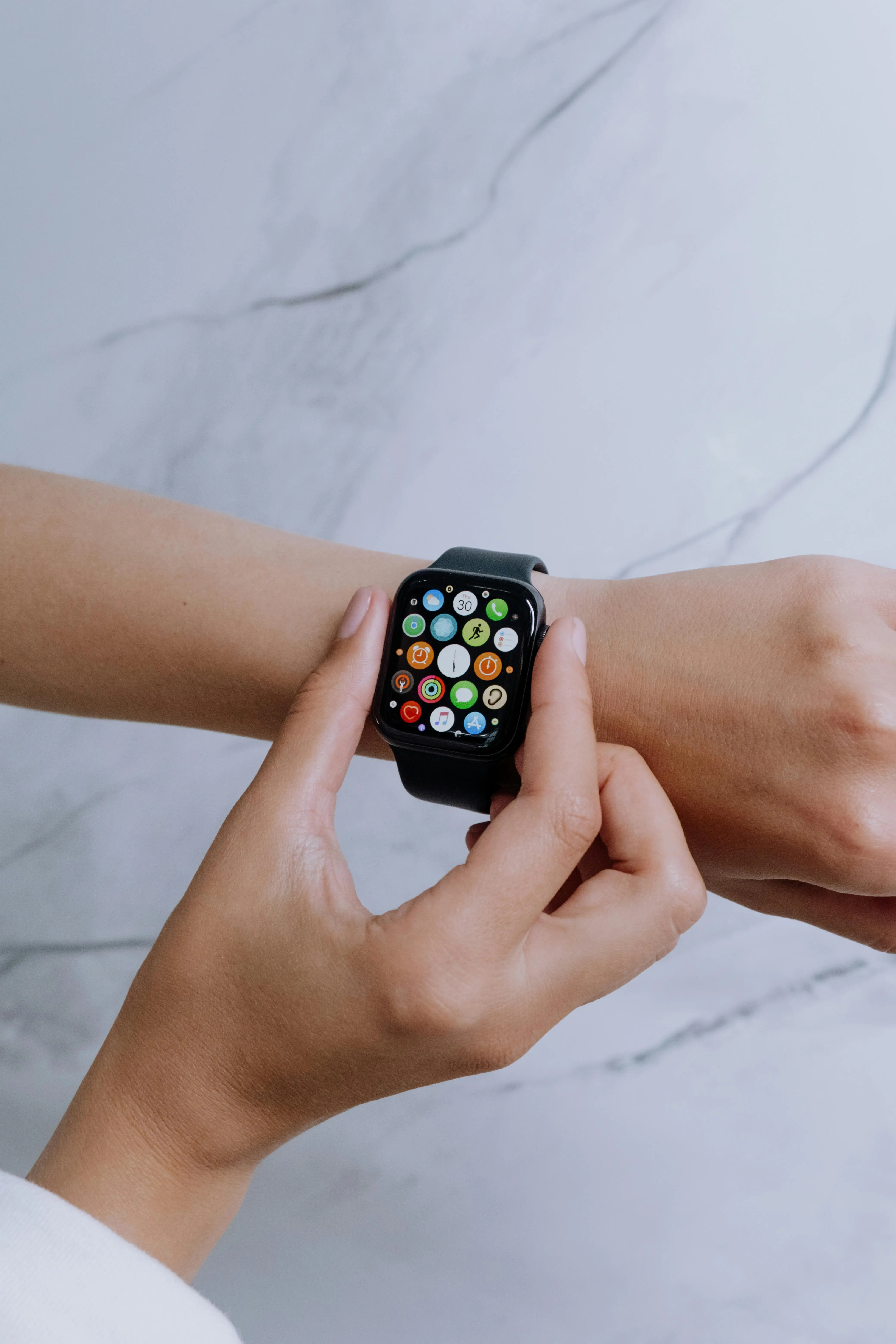
Wearables and sleep trackers can be helpful because they encourage people to pay more attention to their sleep health. They may also highlight patterns or changes that are worth discussing with a healthcare professional, and can provide useful information that a person can use to have a data-driven discussion about their sleep with a healthcare provider.
However, data from a consumer device should not replace appropriate clinical care, and cannot currently be used directly for a diagnosis on its own. If sleep apnea is suspected, a clinical assessment and appropriate sleep testing are important to confirm the diagnosis and understand its severity.
I think the biggest benefit of these technologies is that they help people become more aware of their sleep, potentially uncover previously unknown and unrecognized sleep trends, and help start conversations with their doctor that they might not otherwise have had.