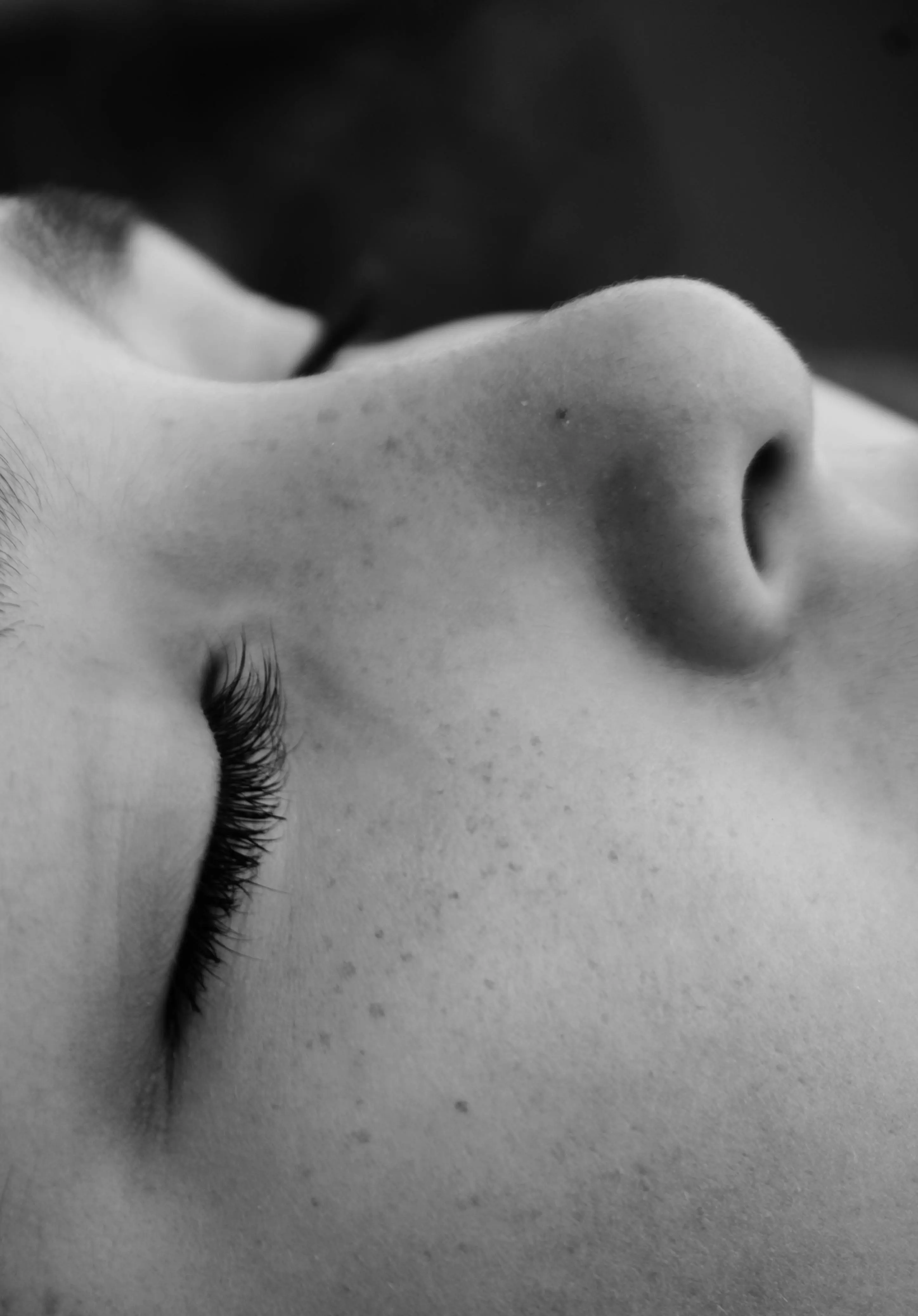
© Fabian Moller/Unsplash
March 29, 2026
Marianne Waldenfels
These 5 proven signs reveal if your breathing is behind your stress, fatigue, and poor sleep – plus a simple breathing exercise
5 Signs You’re Breathing Wrong
These signs often appear together and develop gradually over time. Many people don’t notice them at first – even though they can already affect stress levels, sleep quality, and overall performance.
The human body takes around 20,000 breaths a day – mostly unconsciously. That’s exactly where the problem lies: many people develop poor breathing habits without even realizing it.
A constantly slightly open mouth, especially during rest phases, indicates chronic mouth breathing. This dries out the airways, promotes snoring, and enhances shallow, rapid breathing. The nasal breathing on the other hand, filters, moisturizes, and tempers the air optimally, playing a crucial role in airway and sleep health.
Tip: Try to consciously breathe through your nose during the day – even during sports.
If mainly your chest rises when you inhale while your belly remains calm, you are using your diaphragm too little.
This shallow chest breathing can:
The goal is the diaphragmatic breathing (abdominal breathing):
When inhaling, the stomach rises, the shoulders remain relaxed.
Quick test: Place one hand on your stomach – if it barely moves, you are probably breathing too shallowly.
Chronic fatigue can also be a sign of inefficient breathing be. Breathing too shallowly reduces oxygen supply to the brain, keeps the autonomic nervous system in permanent stress mode and impairs concentration. suggest that controlled breathing improves cognitive functions and attention.
Breathing and the nervous system are closely interrelated. Short, rapid breaths activate the Sympathetic nervous system ("fight-or-flight" mode), while slow, conscious breathing strengthens the parasympathetic nervous system - the recovery mode. A study showed that slow, deep breathing increases heart rate variability - an indicator of better stress regulation.
Therefore, it is said: Your breathing is one of the fastest ways to calm your nervous system.
Those who breathe through the mouth at night snore more often and sleep more restlessly. Shallow breathing can trigger micro-arousals that prevent deep sleep. Improved nasal breathing and diaphragm activity are associated in studies with deeper, more restful sleep.
Incorrect breathing rarely occurs consciously – it often develops over years due to habits and lifestyle.
The most common causes include:
Important to know: Your body adapts—even to unfavorable patterns. That's why incorrect breathing often goes unnoticed.
Breathing is a direct switch for the nervous system:
Therefore, it applies: With every breath, you actively influence your physical and mental well-being – without drugs or aids.
This exercise helps to improve your breathing directly:
Effect: Exhaling longer activates the vagus nerve and calms your nervous system.
Many people breathe incorrectly without realizing it. The good news:
Even small changes like conscious nasal breathing and slow breathing can have noticeable effects on stress, energy, and sleep.
Typical signs of unhealthy breathing include mouth breathing, shallow chest breathing, frequent fatigue, inner restlessness, and restless sleep. If you notice these signs in yourself, it's worth taking a conscious look at your breathing technique and simple breathing exercises.
Nasal breathing filters, humidifies, and tempers the air and can improve oxygen utilization and sleep quality. Mouth breathing, on the other hand, promotes dry mucous membranes, snoring, and can be associated with sleep disorders.
Yes. Slow, deep breathing activates the parasympathetic nervous system and increases heart rate variability – a marker for better stress regulation. Studies show that voluntary slow breathing can lower heart rate and blood pressure and bring the nervous system out of chronic stress mode.
Working groups from the neuroscience show that breathing influences neural networks associated with attention and cognitive performance. Calm, steady breathing can improve attention and cognitive performance in certain tasks.
More stable nasal breathing can reduce snoring and be associated with better sleep quality and less daytime fatigue. Those who breathe less through the mouth at night and breathe more shallowly often report deeper, more restorative sleep.
If you:
you should have this checked medically.