Why Protein Matters More During Menopause — Especially for Weight Loss
During menopause, protein plays a bigger role than many women realize. It can support muscle health, help manage hunger, and make weight loss easier — especially as estrogen levels decline
Suddenly, belly fat becomes more stubborn, the number on the scale creeps up despite eating the same way, and losing weight no longer seems to work like it used to. Many women experience exactly this during menopause. One often overlooked reason: not getting enough protein.
As estrogen levels decline, the body goes through significant changes. Muscle mass decreases more quickly, metabolism slows down, and fat is more likely to be stored around the abdomen. Studies show that hormonal changes during menopause are closely linked to muscle loss.
That’s exactly why protein becomes more important during this stage of life. A high-protein diet may help preserve muscle mass, keep you feeling full for longer, and support a healthy metabolism—especially when combined with strength training. As a result, many experts recommend higher protein intake for women after menopause than the standard general guidelines.
Menopause and weight gain: What's Causing It?
Many women are familiar with the phenomenon: Even though nutrition and movement has changed little, a few more kilos suddenly creep onto the scales. The belly becomes rounder, the metabolism slower – and it feels like it's happening overnight.
The reason for this lies in the hormonal balance. During menopause, the estrogen level drops significantly. This has far-reaching effects on the body: The basic metabolic rate decreases, fat is preferentially stored in the belly, and the body begins to lose muscle mass.
Many women then believe they just need to eat less. However, this can become a problem in the long term: Those who reduce calories too much often lose not only fat but also valuable muscle mass – and thus slow down their metabolism even further.
Muscles are real energy consumers. Even at rest, muscle tissue burns significantly more calories than fat tissue. If you lose muscle mass, your calorie needs decrease – and you gain weight faster, even if you eat the same as before.
From the age of 40, the body slowly begins to lose muscle mass. During menopause, this process is further accelerated due to hormonal changes. Researchers now describe menopause as an important factor for so-called sarcopenia – age-related muscle loss.
The good news: Sufficient protein in the Nutrition can help maintain muscle mass – especially when combined with regular strength training. Several studies show positive correlations between higher protein intake and better muscle mass in postmenopausal women.
How Protein Affects the Body During Menopause
Protein is the main building block for muscles, hormones, enzymes, and immune cells. During menopause, a protein-rich diet has several advantages:
1. Maintain and build muscle mass
Protein provides the amino acids the body needs to repair and maintain muscle fibers. Those who consume enough protein daily protect their muscle mass – and thus their metabolism.
Researchers also believe that older adults develop a so-called 'anabolic resistance': The body responds less sensitively to protein and muscle stimuli than in younger years. Therefore, many women over 50 benefit from higher protein intake.
2. Stay full longer
Protein satisfies more strongly and longer than carbohydrates or fat. This is because the digestion of protein takes more time and energy.
Those who have a protein-rich breakfast often feel less hungry throughout the day – and are less likely to reach for snacks. Especially during menopause, this can help better control cravings and hormone-related blood sugar fluctuations.
3. Stabilize blood sugar
Protein slows the absorption of sugar into the blood. This prevents strong blood sugar fluctuations that can trigger cravings – a common problem during menopause.
4. Use the thermogenesis effect
Digesting protein consumes a lot of energy. Some of the calories consumed are used directly for digestion. This supports metabolism and can help with weight loss.
5. Protect bone health
With decreasing estrogen levels, the risk for osteoporosis increases. Protein, along with calcium and vitamin D, is an important building block for healthy bones.
Many experts now emphasize that protein is crucial not only for muscles but also for mobility, stability, and healthy aging.
How much protein do women need during menopause?
The general recommendation of the German Nutrition Society is 0.8 grams of protein per kilogram of body weight daily. For women in menopause – especially when losing weight or strength training – this amount is often considered too low today.
As a rough orientation applies:
If you want to maintain your weight: about 1.0 to 1.2 grams of protein per kilogram of body weight daily.
If you want to lose weight: approximately 1.2 to 1.5 grams of protein per kilogram of body weight daily.
If you do regular strength training: approximately 1.5 to 1.8 grams of protein per kilogram of body weight daily.
An example: A woman weighing 70 kilograms who wants to actively lose weight should consume approximately daily. 84 to 105 grams of protein target.
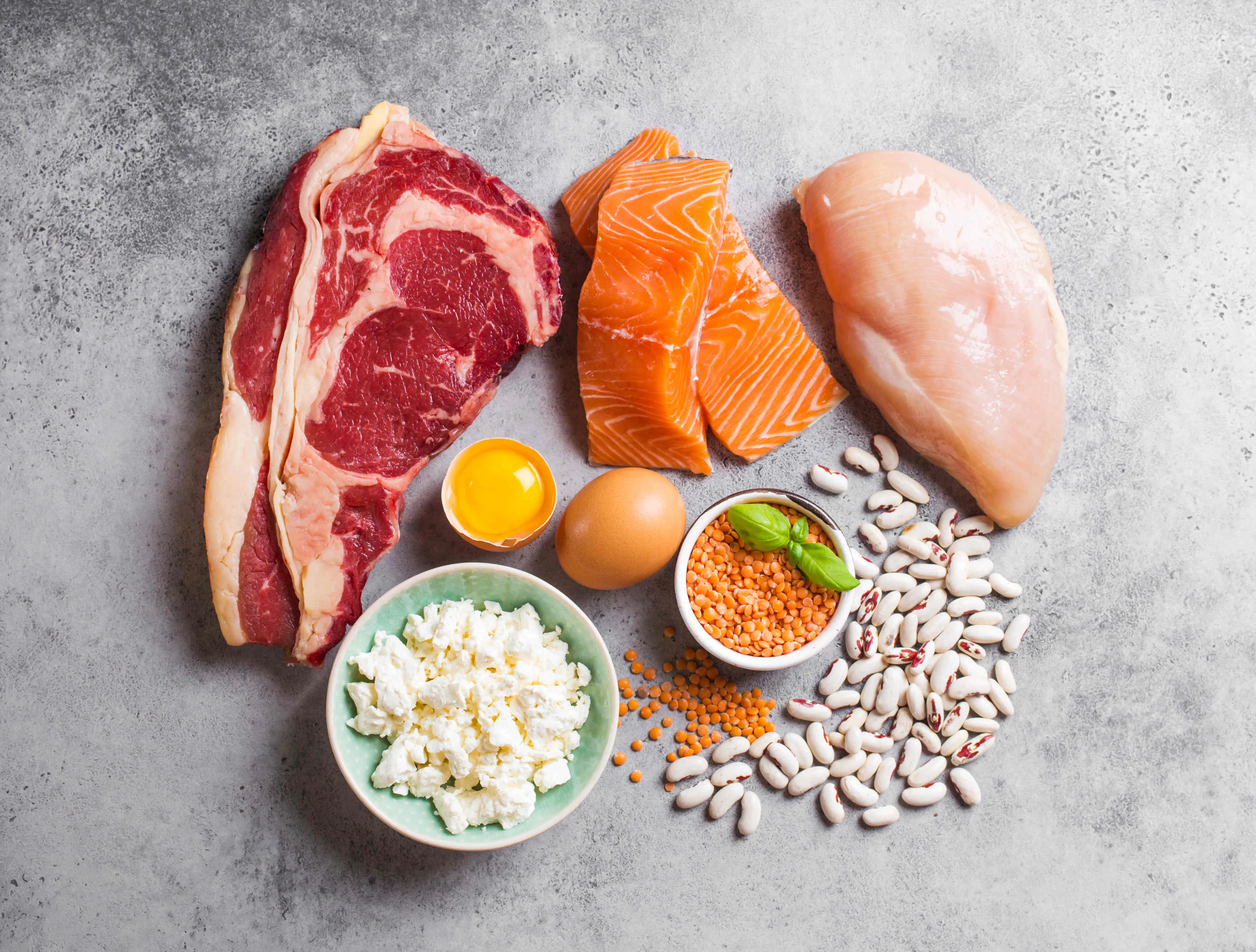
The best protein sources – animal and plant-based
A good protein supply can usually be achieved well through diet. A combination of different animal and plant protein sources is particularly useful.
Animal protein sources
Chicken breast (100 g): about 31 g of protein
Salmon (100 g): about 20 g of protein
Low-fat quark (150 g): about 18 g of protein
Cottage cheese (150 g): about 19 g protein
Eggs (2 pieces): about 13 g protein
Greek yogurt (150 g): about 15 g protein
Animal products usually provide a lot of essential amino acids that the body can absorb well.
Plant-based protein sources
Lentils (100 g cooked): about 9 g protein
Chickpeas (100 g cooked): about 9 g protein
Edamame (100 g): about 11 g protein
Tofu (100 g): about 8 to 15 g of protein
Tempeh (100 g): about 19 g of protein
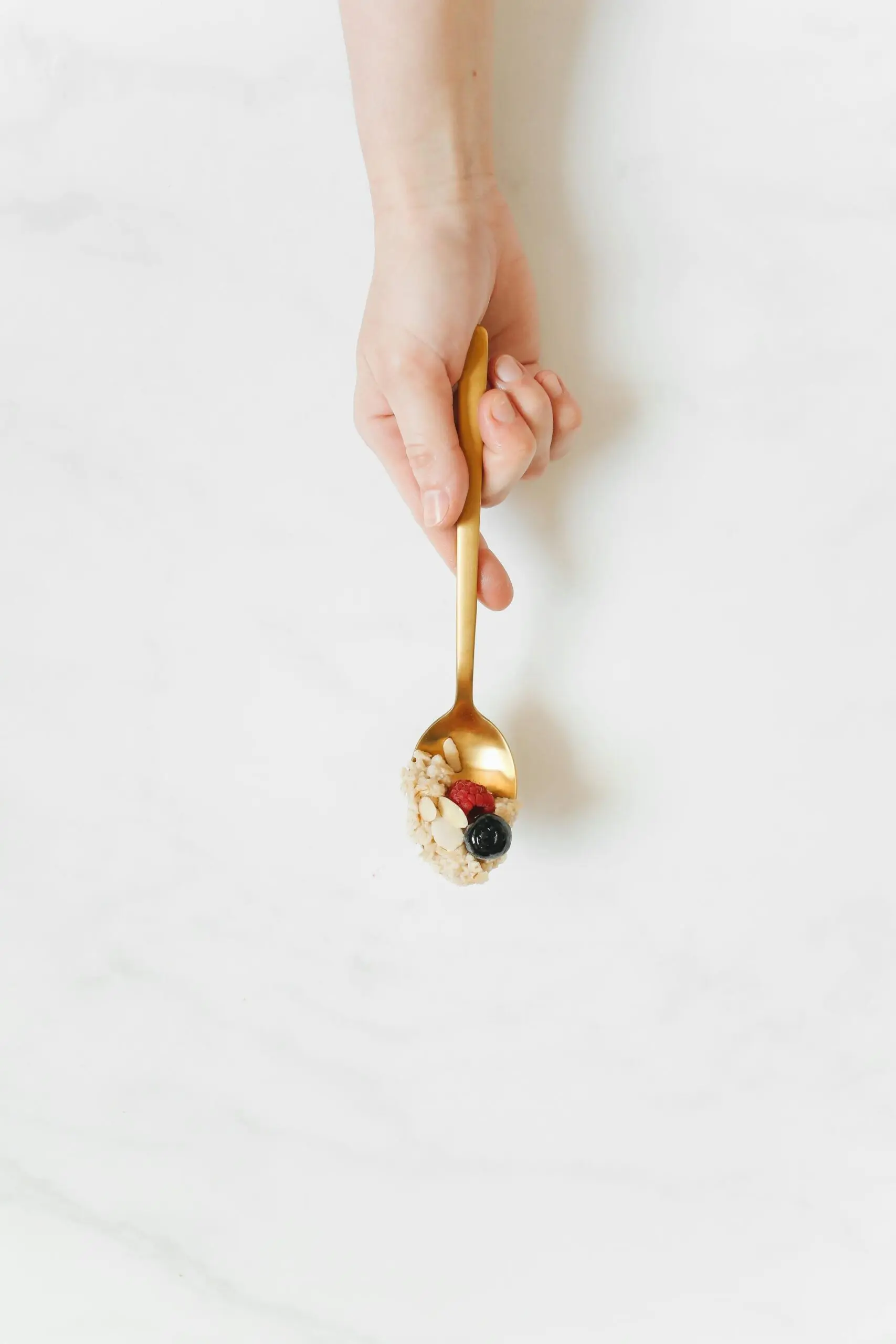
Oats (50 g): about 7 g of protein
Plant-based protein sources also provide fiber and phytochemicals. Legumes, in particular, can therefore be a useful addition during menopause.
Tip for everyday life: It often helps to deliberately combine each meal with a protein source – for example, yogurt or eggs for breakfast, legumes in the salad, or fish or tofu in the evening. This makes it much easier to achieve the daily protein intake.
Protein alone is not enough – this is how it works best
A protein-rich diet is not a sure thing. To really help during menopause, it depends on the right combination.
Strength training: Muscles don't grow just from protein – they also need the right stimulus. Two to three times a week strength training, even with your own body weight, can help maintain muscle mass and keep the metabolism active.
Distribute protein throughout the day: Instead of eating most of the protein only in the evening, it makes more sense to distribute protein intake across several meals. Experts often recommend about 25 to 40 grams of protein per meal.
Drink enough fluids: Those who consume more protein should also ensure sufficient fluid intake. Usually, about 1.5 to 2 liters are recommended. Water daily – unless there are medical reasons against it.
Keep an eye on calories: While protein helps with satiety and muscle building, it does not replace a balanced diet. For weight loss, a moderate calorie deficit remains crucial.
Common mistakes women make during menopause
Too little protein, too many crash diets: Those who drastically reduce calories often lose not only fat but also muscle mass. This can further slow down metabolism in the long term.
Only eat protein in the evening: Many women consume little protein during the day and only eat larger amounts in the evening. It is more sensible to distribute it evenly throughout the day.
No strength training: Without regular movement stimuli, the body can use protein less effectively to maintain muscles.
Too one-sided protein sources: Those who rely solely on chicken or protein shakes miss important nutrients. A combination of plant and animal protein sources usually ensures a more balanced supply.
FAQ: Frequently asked questions about protein during menopause
Can protein help against belly fat?
Protein alone leaves Belly fat does not disappear. However, it can help maintain muscle mass, keep you fuller longer, and support metabolism. This often makes sustainable weight loss easier.
Are protein shakes useful?
Protein shakes can be convenient if the daily requirement is difficult to meet through normal nutrition. However, they do not replace a balanced diet with real foods.
What is better: animal or plant protein?
Both can be beneficial. Animal sources often provide many essential amino acids. Plant protein sources, on the other hand, contain additional fiber and secondary plant substances.
Can you eat too much protein?
For healthy people, a high-protein diet is generally considered unproblematic. However, those with kidney diseases or who are unsure should consult a doctor about their protein intake.
Conclusion: Protein is not a trend during menopause but a key component.
During menopause, the body undergoes fundamental changes: muscle mass decreases faster, metabolism slows down, and fat is more frequently stored in the abdominal area. That's why protein becomes more important than before.
A protein-rich diet can help you maintain muscle, stay full longer, and support the body in healthy weight loss – especially in combination with regular strength training. Many experts therefore recommend a higher protein intake for women after menopause than the general standard recommendation.
The key is not to eat as little as possible, but to provide the body with the right nutrients. Because those who lose muscle mass while losing weight often slow down their metabolism in the long term.
Protein is therefore not a short-term diet trend, but an important building block for energy, strength, bone health, and well-being during menopause.