© Wallace Chuck
March 16, 2026
PMC Redaktion
- Health
- Food
Warm Water in the Morning: Healthy Habit or Hype?
TikTok trend meets TCM: Why people drink warm water in the morning – and what science says
Share article:
© Wallace Chuck
March 16, 2026
PMC Redaktion
TikTok trend meets TCM: Why people drink warm water in the morning – and what science says

 Find a Doctor
Search the network for suitable specialists and contact them directly
What is currently circulating on TikTok is actually anything but new. Many people drink warm water in the morning because it is said to stimulate digestion, balance fluid levels, and ease into the day. But what is really behind it? We show what advantages warm water in the morning can have, what TCM and Ayurveda say about it, and where possible risks lie.
In Traditional Chinese Medicine, warm water is considered essential for the health of the digestive system. Cold drinks are viewed as a burden on the body because, according to TCM teachings, they weaken the so-called "fire of the center" – that is, the power with which the body processes food and gains energy.
In Ayurveda – the traditional Indian medicine – warm water helps to kindle the so-called Agni (digestive fire). A strong Agni is considered the foundation for physical health, clear thoughts, and emotional balance. Warm water in the morning is thus far more than a beverage – it is a conscious ritual that brings body and mind into harmony.
Both traditions consistently recommend: no ice-cold water, especially not on an empty stomach. Instead, the temperature of the water should be as close to body temperature as possible or slightly above – between 40 and 50 °C is considered ideal.
So far, there are only a few clinical studies that directly compare water of different temperatures. A 2016 study showed that patients developed bowel activity more quickly after surgeries when they drank warm water – but the difference was statistically small. Gastroenterologists emphasize: It is not the temperature, but the act of drinking itself that activates the digestive reflex.
What is clearly documented, however, is that fluid intake in the morning, in any form, promotes bowel peristalsis, supports metabolism, and improves concentration. Waking up dehydrated (which is naturally the case after eight hours of sleep) can be countered with a glass of warm water, doing your body a real favor.
After eight hours of sleep, the body can be slightly dehydrated—often more than we realize. A glass of warm water gently refills the fluid storage, prevents headaches and morning fatigue, and supports concentration for the day ahead.
Several studies prove: Adequate hydration improves skin moisture and noticeably reduces dryness. In studies with about 2 liters of additional water per day, measurable improvements in skin moisture and elasticity were observed after 2–4 weeks, especially in people who previously drank little. Drinking enough daily supports the skin's natural renewal process—from the inside out. Regular drinking is one of the most underestimated beauty routines ever.
The warm water creates a meditative moment – without a phone, without hustle, without immediate information overload. Many people report more inner peace, clarity, and calmness in the morning after just a few days. This psychological effect should not be underestimated: A calm start influences the mood and productivity of the entire day.
The classic hot water is versatile – and can be easily adjusted according to preference and goal. Here are the three most popular variants compared:
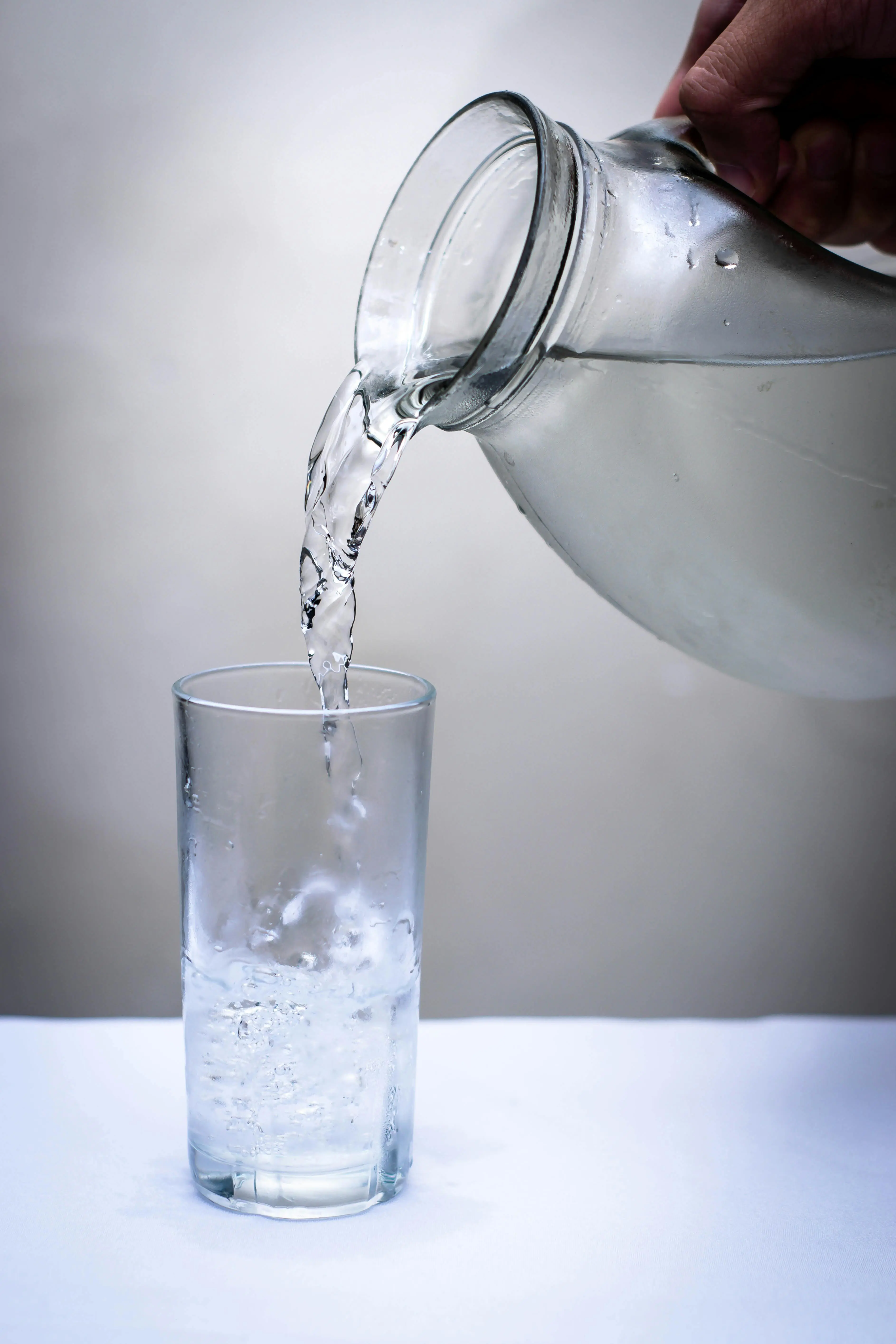
The simplest and most neutral option. Ideal for people with a sensitive stomach or acid-sensitive esophagus. According to TCM, pure warm water is the "purest" form of the morning ritual – without additional stimuli for the body.
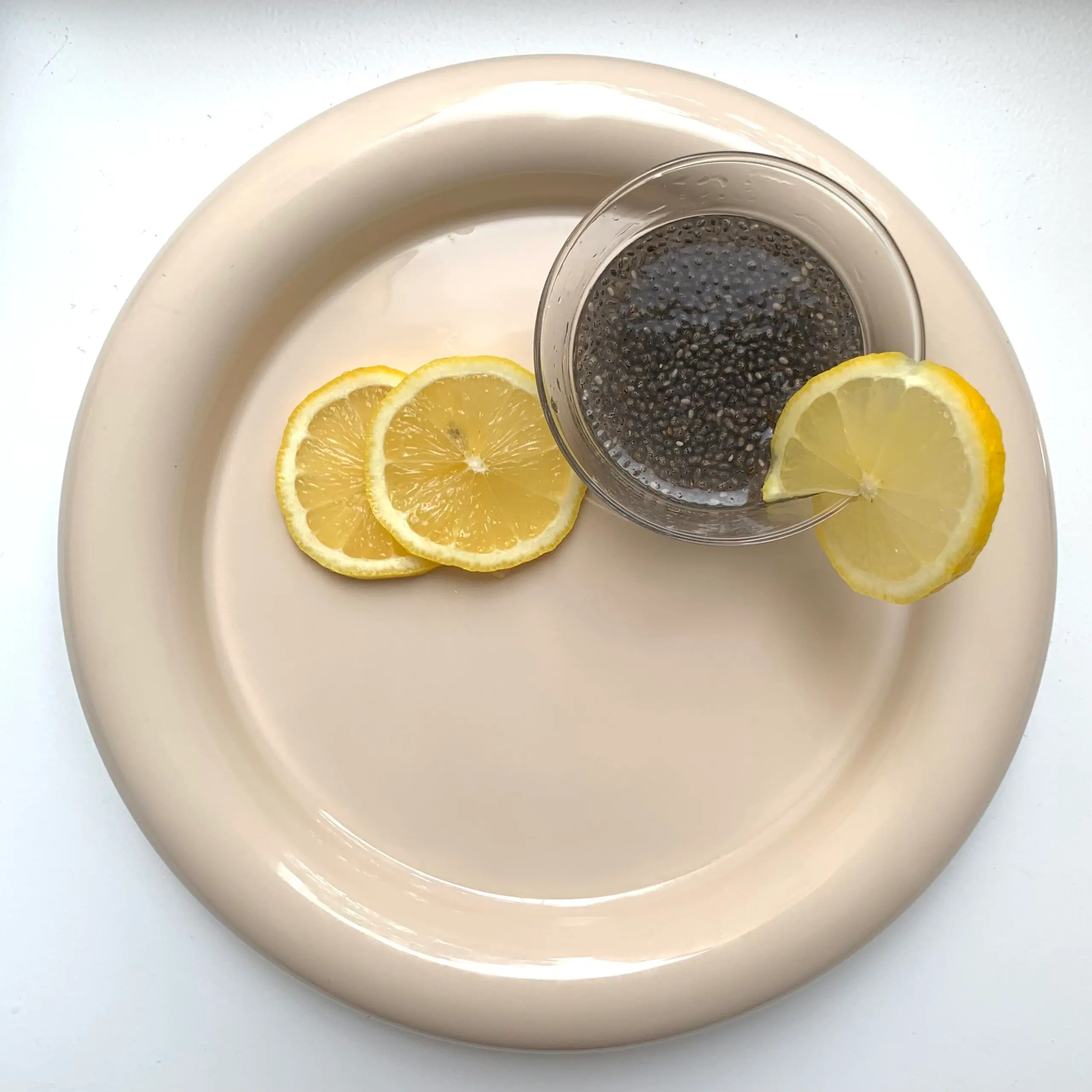
A splash of fresh lemon provides vitamin C, gives the water a pleasant taste, and can stimulate bile secretion – which further supports digestion. Make sure to use real lemons, no ready-made concentrate. Limitation: With heartburn or reflux, acid can aggravate symptoms.
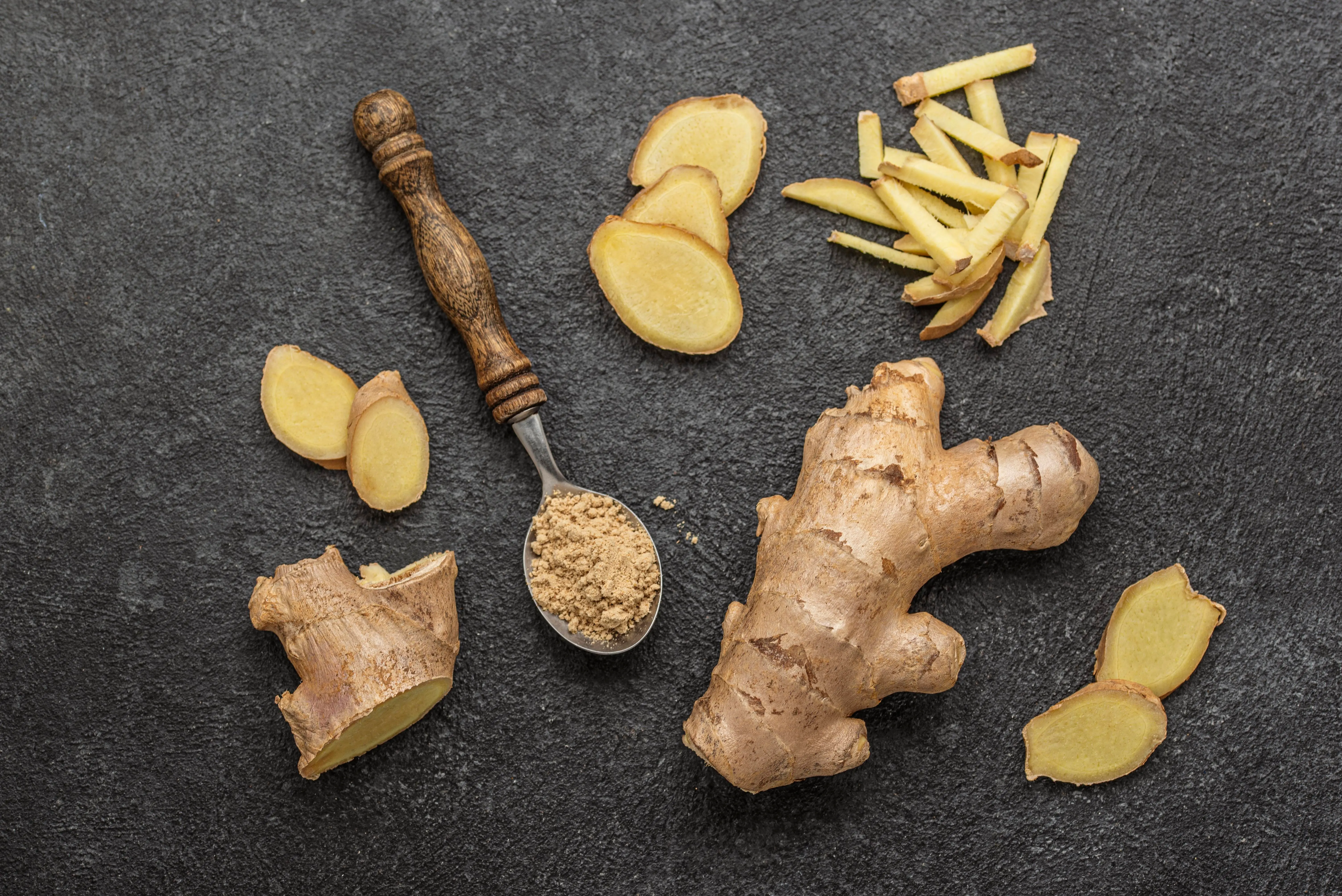
Ginger is considered a warming and digestive spice in both TCM and Ayurveda. A few slices of fresh ginger in hot water can relieve bloating, stimulate circulation, and support the immune system. This variant is especially recommended in the winter months.
As simple as the ritual sounds – there are situations where caution is advised:
• Drinking water that's too hot: Water above 60°C can irritate the mucous membranes of the mouth, esophagus, and stomach, and increase the risk of esophageal diseases with regular consumption. Always adhere to the recommended 40–50°C.
• Heartburn and reflux: Very hot liquids and especially the lemon variant can exacerbate symptoms in people with gastroesophageal reflux (GERD). In this case, lukewarm water is recommended.
• Pregnancy: Ginger water should only be consumed in moderation during pregnancy. Consult your doctor if unsure.
• Kidney diseases: If kidney function is impaired, the total daily fluid intake should be discussed with a doctor.
In general: Hot water in moderate amounts (1–2 glasses daily) is safe and well-tolerated for healthy adults.
1. Boil & Cool Water: Boil fresh water and let it cool to 40–50 °C – pleasantly warm, not hot.
2. Drink Right After Waking: Drink 250 ml on an empty stomach – before coffee, tea, or breakfast.
3. Choose a Variation: Plain, with lemon, or with ginger – depending on taste and tolerance.
4. Drink in Peace: Take 5 minutes. No phone, no checking messages. The ritual works best in silence.
5. Stay Consistent: Stick with it for at least 5–7 days. Many report less bloating, clearer skin, and a calmer morning.
Warm water in the morning can be a simple way to gently hydrate the body after the night. After several hours of sleep, the body's fluid balance is slightly negative, which can manifest in some people as fatigue, headaches, or concentration problems.
A glass of warm water right after waking up can help offset this loss and gently get the circulation going. While it is not scientifically proven that warm water is generally healthier than cold, many people find it more pleasant and better tolerated in the morning.
From a scientific perspective, the difference between warm and cold water is usually smaller than many assume. The key for the body is primarily that enough is drunk overall. However, warm water has the advantage that many people find it gentler in the morning and it is less irritating to the stomach.
Especially with a sensitive digestion, feeling of fullness, or a sensitive stomach feeling, warm water can be more pleasant than very cold drinks. It's less about warm water being objectively "better," and more about what is individually well-tolerated.
Warm water can support digestion in a gentle way, especially when drunk on an empty stomach in the morning. Fluid in the morning stimulates the natural bowel reflex and can help get digestion going. Many people report feeling less bloated and having a more pleasant stomach feeling after a glass of warm water.
A clear scientific proof that warm water is significantly more effective than cold is still lacking. Nevertheless, it can be a helpful ritual in everyday life, especially if you tend to have sluggish digestion.
Ideally, water should be warm to lukewarm, feeling comfortable when drinking. A temperature of about 40 to 50 degrees Celsius is considered a good guideline. The water should not be boiling hot and should not burn unpleasantly. Very hot drinks over 60 degrees Celsius can irritate the mucous membranes of the mouth, esophagus, and stomach in the long run. Therefore, a temperature that is pleasantly warm without additionally burdening the body is best.
For most people, a glass of about 200 to 300 milliliters is completely sufficient in the morning. Those who tolerate the ritual well can gradually increase the amount to two glasses. It is important not to drink as much as possible at once, but to drink calmly and consciously. This makes it easier for the body to absorb the liquid, and the ritual can be better integrated into everyday life. Ultimately, the total amount of drinking throughout the day remains decisive.
Warm water alone does not cause the body to burn more fat or automatically lose weight. However, it can be indirectly helpful for weight loss if it replaces calorie-rich drinks such as soft drinks, juices, or sweetened coffee beverages.
Additionally, a conscious morning ritual can help to start the day more mindfully and develop better eating habits overall. The positive effect is therefore more in the behavior surrounding it than in the temperature of the water itself.
The term “detox” is often used misleadingly. Warm water does not directly detoxify the body, as the liver, kidneys, and intestines are primarily responsible for the breakdown and excretion of metabolic products. However, drinking enough supports these organs in their normal work and is therefore fundamentally important for health. Warm water can be part of a healthy routine but does not replace the body's own detoxification processes and does not act as a miracle cure.
Warm water with lemon is primarily a flavorful variation that makes it easier for many people to drink in the morning. Lemon juice provides some vitamin C and a fresh note that can be perceived as invigorating. However, a major additional health effect compared to plain warm water is not automatically given.
Those who are prone to heartburn, reflux, or a sensitive stomach should be cautious, as the acid can aggravate symptoms. In such cases, plain warm water is usually the more tolerable choice.
Ginger is traditionally appreciated in many cultures as warming and digestive. A few slices of fresh ginger in warm water can be pleasant in the morning, especially in the colder months or with a sluggish stomach feeling. Many people find ginger water soothing and stimulating.
However, ginger is not equally well tolerated by everyone: those with a sensitive stomach or who are pregnant should use it only in small amounts and seek medical advice if unsure. For healthy adults, warm water with ginger can be a good addition to the morning ritual.
Drinking hot water is not a miracle cure – but it is one of the simplest, most affordable, and effective rituals to gently activate the body in the morning. It improves hydration, naturally supports digestion, and creates a mindful moment to start the day.
The variant – whether plain, with lemon, or ginger – can be chosen according to your taste and tolerance. The most important thing is regularity: those who consistently integrate the ritual into their morning will notice a difference in a short time.
Whether you're doing it because of TikTok, Ayurveda, or simply as a routine – drinking regularly remains perhaps the most underestimated health habit of all. And the best news: It costs nothing.