The spicy tuber from Asia has made it: Ginger has been named Medicinal Plant of the Year 2026. The Study Group for the Development History of Medicinal Plant Science and the Society for Phytotherapy have awarded this accolade – and not without reason. The reassessment of its health-promoting effects by the European Medicines Agency and its millennia-old tradition as a remedy make ginger one of the most fascinating natural remedies of our time.
What exactly is ginger?
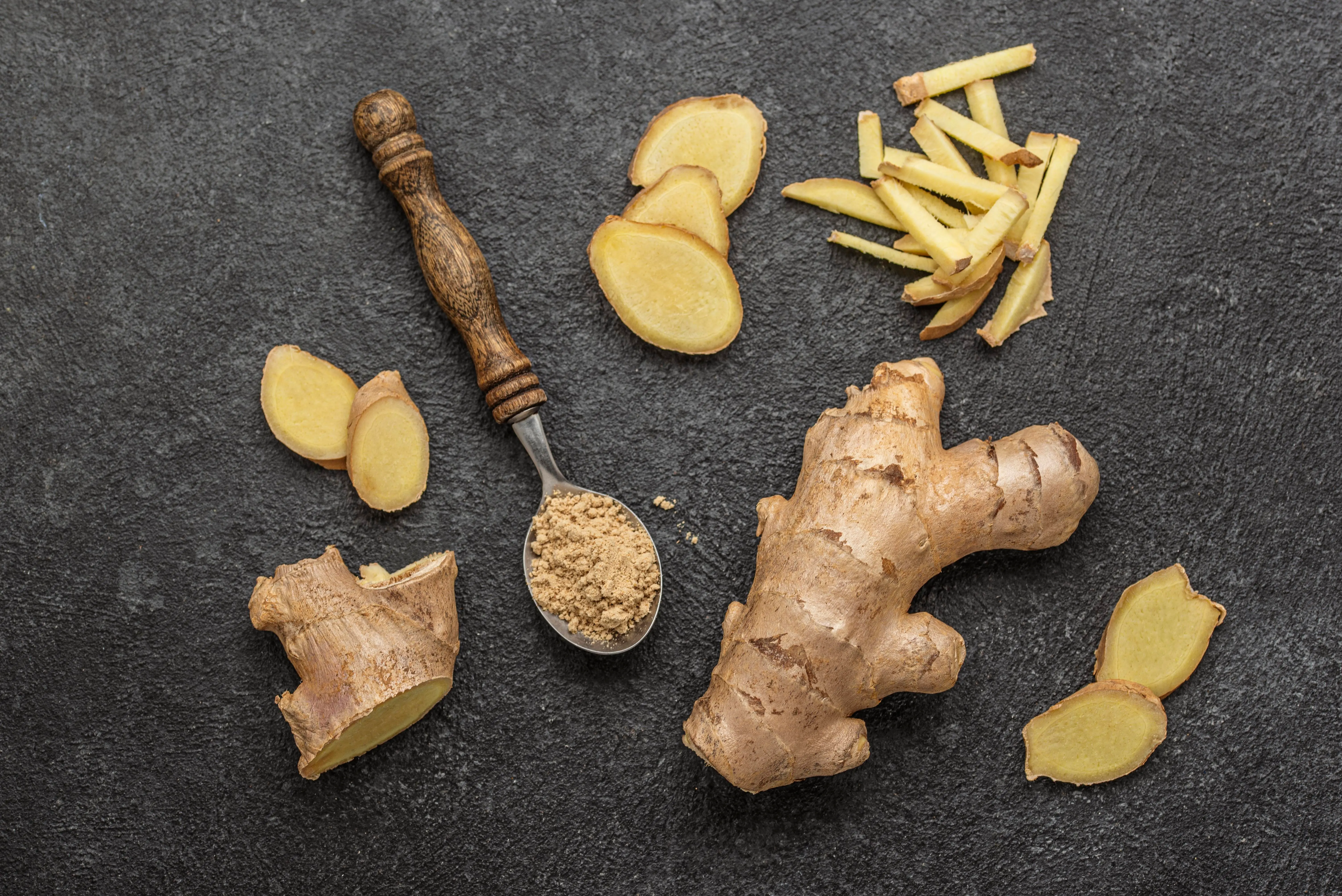
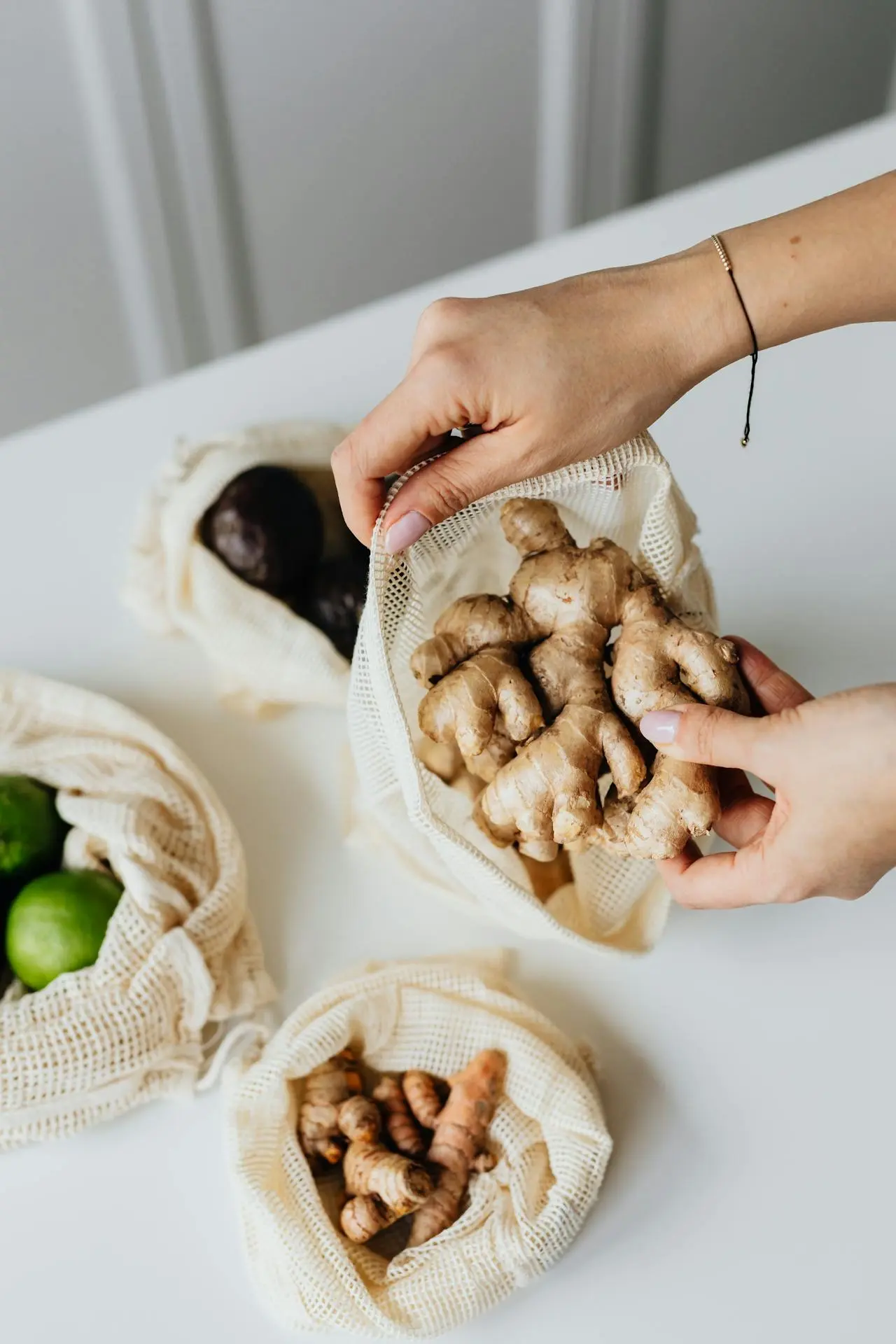
Ginger (Zingiber officinale) is a perennial plant from the ginger family. The plant itself can grow over a meter tall and has long, reed-like leaves. However, of particular interest to health is the underground rhizome – the knobby root that we colloquially refer to as ginger. This branched rhizome grows horizontally in the ground and is yellowish on the inside with an intensely aromatic scent.
The original wild form of ginger is unknown today. For centuries, the plant has been cultivated in South Asia and has spread from there to the entire world. Today, the largest producers are India, Nigeria, and China, with the global annual production at an impressive five million tons. Interestingly, cultivation is also becoming established in Germany, Austria, and Switzerland in recent times.
The valuable ingredients of ginger
The health effects of ginger are based on a complex interplay of various ingredients. The characteristic burning-spicy taste comes from gingerol, the most important active ingredient of the tuber. This substance is not only responsible for the taste but is also considered particularly valuable medically.
Furthermore, ginger contains:
Essential oils like zingiberene and zingiberol, which give ginger its typical aroma
Pungent compounds such as shogaol and zingerone
Digestive-promoting substances like borneol and cineol
Vitamins and minerals: vitamin C, magnesium, iron, calcium, potassium, sodium, and phosphorus
Particularly interesting: The composition and concentration of these ingredients varies significantly depending on the origin of the ginger. Nigerian ginger, for example, is characterized by an above-average gingerol content and thus by special spiciness. Indian ginger, on the other hand, contains a lot of limonene and impresses with a pronounced citrus aroma. Jamaican ginger as well as Australian and Bengali ginger are considered to be of particularly high quality.
The European Medicines Agency fundamentally updated its assessment of ginger in 2025 and included three new areas of application. This scientific reassessment was crucial for the selection as the medicinal plant of 2026.
Against motion sickness and nausea
The preventive use against motion sickness with nausea and vomiting is recognized as an established application. Studies show that ginger is superior to placebo and achieves the effectiveness of other medications against motion sickness. The antiemetic (nausea-inhibiting) effect is presumably due to a direct effect on the gastrointestinal tract. Additionally, an interaction with serotonin receptors is discussed.
Ginger also shows moderate effects against postoperative nausea and vomiting. Many sailors swear by the root's effectiveness against seasickness, and a study with Danish naval cadets confirmed that ginger could significantly reduce the incidence of vomiting at sea.
For gastrointestinal complaints
Traditionally, ginger is used to treat mild, cramp-like gastrointestinal complaints associated with bloating. Its digestive and stomach-strengthening effects have been known since ancient times and are now supported by scientific evidence.
Newly recognized applications
In 2025, three new areas of application were included in the evaluation:
For temporary loss of appetite: Ginger can stimulate the appetite and is recommended as a traditional remedy for short-term appetite loss.
To relieve mild joint pain: The anti-inflammatory properties of ginger can provide relief from mild joint discomfort.
For cold symptoms: Ginger can help alleviate typical cold symptoms such as cough and mild respiratory discomfort.
Antioxidant effect
Studies suggest that ginger has antioxidant properties. Antioxidants protect the body's cells from free radicals, which can accelerate aging processes and promote inflammation. This property makes ginger a valuable component of a health-conscious diet.
Ginger in Traditional Medicine: A Millennia-old History
As early as antiquity, the plant was used for stomach, intestinal, and respiratory ailments. The Greek physician Dioscorides described the drug around 70 AD as warming, digestive, and stomach-strengthening. Galen, one of the most important doctors of antiquity, also classified ginger as a warming medicine, whose effect started more slowly than that of pepper but lasted longer.
In the Middle Ages, ginger played an important role in monastic medicine. The Lorsch Pharmacopoeia from the year 800 contained ginger in about 10 percent of the nearly 500 recipes – for stomach and intestinal ailments, diseases of the liver, spleen, and kidneys, as well as intermittent fever.
Particularly noteworthy is the differentiated view of Hildegard of Bingen in the 12th century. She already recognized that ginger is not equally suitable for everyone - an insight that was far ahead of her time and still holds true today.
In Traditional Chinese Medicine
In TCM, ginger is valued as a warming remedy that is supposed to promote energy flow in the body and help with so-called "inner cold." It is considered a Yang tonic and is used to strengthen digestive power.
In Ayurvedic medicine
Ayurvedic medicine has valued ginger for centuries, especially for strengthening the digestive fire (Agni) and detoxifying the body. In India, it is considered a universal remedy and is used for numerous ailments.
How is ginger best used?
As a fresh root
Fresh ginger is available in most supermarkets. For medicinal purposes, it is recommended to use about 2 to 4 grams of fresh ginger daily. This corresponds to approximately a piece the size of a walnut. The ginger can be:
- Brewed as tea (pour hot water over a few slices)
- Eaten raw
- Blended into smoothies
- Used as a spice in dishes
As powder or capsules
Ginger powder and capsules are convenient alternatives to fresh ginger, especially on the go. However, there are significant quality differences. In a study of dietary supplements, gingerol content ranged from 0.0 to 9.43 milligrams per gram. Therefore, when purchasing, one should look for high-quality products and pay attention to quality seals such as organic certifications or pharmaceutical quality.
Ginger shot and ginger water
Ginger shots have become particularly popular in recent years. They contain concentrated ginger juice, often combined with lemon and honey, and are supposed to boost the immune system. They can be easily made at home by juicing fresh ginger and mixing it with lemon juice and some honey.
Caution: Possible side effects and contraindications
Although ginger is considered very safe, it can cause side effects in some people. The European Medicines Agency lists stomach upset, burping, heartburn, and nausea as possible side effects.
Who should be cautious?
People with stomach problems: For those with a sensitive stomach or existing stomach ulcers, the spiciness of ginger can be problematic.
People taking blood-thinning medication: Ginger can affect blood clotting. Intake should be discussed with a doctor before surgery.
Pregnant women: Ginger should be consumed in moderation during pregnancy. While it can help with morning sickness, the dosage should be coordinated with a doctor.
People with gallstones: Ginger stimulates bile production, which can be problematic with gallstones.
The right dosage
Doctors and nutritionists recommend limiting daily consumption to a maximum of two to four grams. This amount is considered safe and sufficient to achieve health-promoting effects.
Ginger in modern research
Scientific research on ginger is far from complete. Current studies are investigating further potential applications:
Anti-inflammatory effects: Ginger shows promising results, especially in osteoarthritis and rheumatic complaints.
Support for diabetes: Some studies suggest that ginger may positively affect blood sugar levels.
Cardiovascular system: The circulation-promoting properties of ginger could have a positive effect on the cardiovascular system.
Cancer research: In laboratory tests, ginger ingredients showed effects against certain cancer cells. However, these results have not yet been transferable to humans and require further research.
Future of ginger research
A focus of current work is to evaluate ginger not only as an acute remedy for nausea but also as long-term support for chronic inflammation and metabolic disorders. Of particular interest is how standardized extracts - as opposed to fresh ginger - affect parameters such as inflammatory markers, blood sugar, and blood fats.
Research groups are also examining whether ginger can be combined with other medicinal plants like turmeric to exploit potential synergistic effects. Initial experimental data suggest that such combinations could enhance antioxidant and anti-inflammatory effects, but there are no conclusive clinical recommendations yet.
Quality makes the difference
An important aspect emphasized by the study group on the developmental history of medicinal plants is the quality of ginger products. The enormous fluctuations in gingerol content in dietary supplements show how important it is to pay attention to quality.
When buying fresh ginger, one should look for:
Firm, plump tubers without mold or soft spots
Organic quality to avoid pesticide exposure
Freshness (the fresher, the higher the essential oil content)
For ginger preparations, it is recommended:
Pharmaceutical quality
Certified products
Transparent information about gingerol content
Reputable manufacturers
Ginger in everyday life: Practical tips
Storage of fresh ginger
Fresh ginger keeps in the fridge for about three weeks. It can also be frozen and grated frozen when needed – this is particularly practical for tea.
Peel ginger or not?
With organic ginger, the peel can be used as it contains many valuable nutrients. Conventional ginger should be peeled due to possible pesticide residues.
Recipe ideas
Classic ginger tea: Pour 250 ml of boiling water over 3-4 thin slices of fresh ginger and let it steep for 10 minutes. Refine with honey and lemon to taste.
Golden milk: A traditional Ayurvedic drink with ginger, turmeric, cinnamon, and plant milk – especially soothing in the evening.
Ginger shot: Mix 50 g of fresh ginger, juice of 2 lemons, 1 tsp of honey. Makes about 3-4 shots for the week.
Conclusion: Ginger – more than just a spice
The designation as Medicinal Plant of the Year 2026 honors the exceptional health properties of ginger and its millennia-old tradition as a remedy. The scientific re-evaluation by the European Medicines Agency underscores that ginger is more than a kitchen spice – it is a valuable natural remedy with diverse applications.
From alleviating travel sickness to supporting digestion, relieving cold symptoms, and mild joint pain, ginger shows an impressive range of effects and is generally well tolerated. However, it is important to pay attention to quality, adhere to the correct dosage, and consult a doctor if you have existing illnesses or are taking medication. Then the spicy tuber from Asia can unfold its full health-promoting power and contribute to well-being.