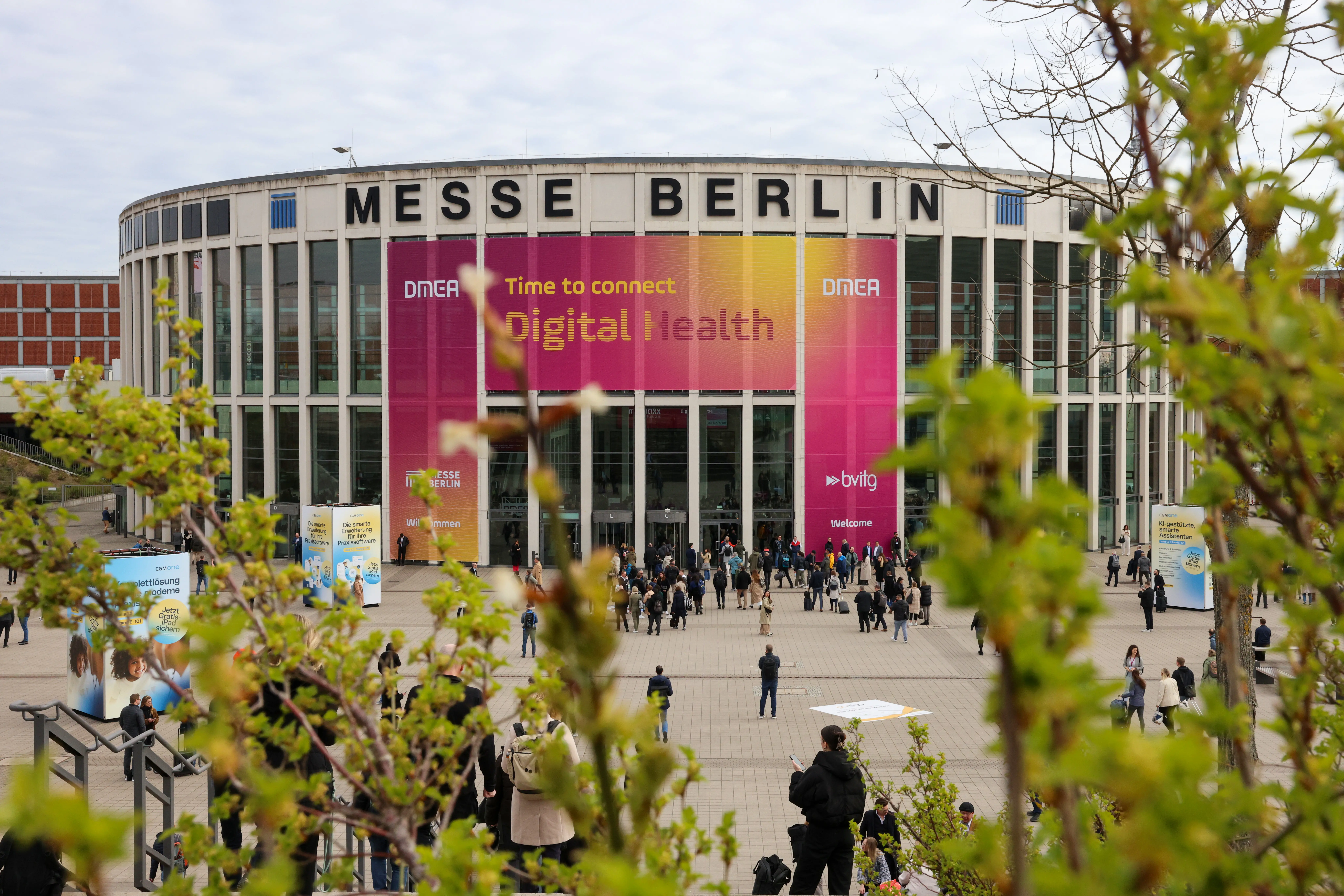
© PR/Dmea
April 24, 2026
Moira Hammes
- Health
Digital Health 2026: key insights from DMEA Berlin
ePA, AI, prevention, and health literacy – what shaped the congress this year and what it means for the future of healthcare
Share article:
© PR/Dmea
April 24, 2026
Moira Hammes
ePA, AI, prevention, and health literacy – what shaped the congress this year and what it means for the future of healthcare

 Find a Doctor
Search the network for suitable specialists and contact them directly
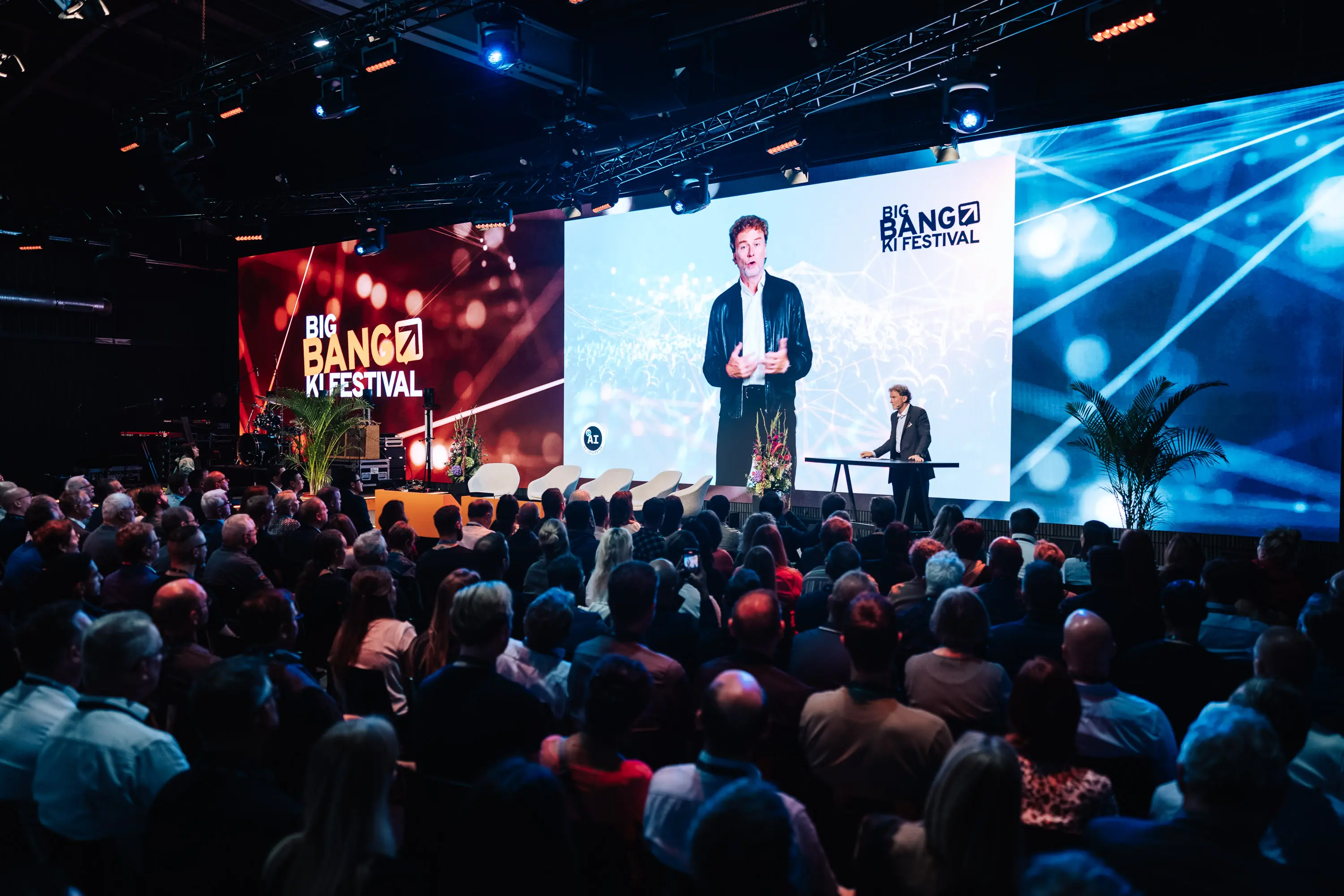
Three days of DMEA in Berlin, Europe's largest digital health event, and for me each time a good opportunity to pause and observe where we as a system actually stand. What was different this year: "Connecting Digital Health" felt less like a motto and more like a real question that the entire field is seeking an answer to—together and with noticeable pressure.
The conversations have changed. They seem more mature, less defensive, more solution-oriented. The ePA is no longer a controversial topic, as it was last year – Annette Bennert, a specialist from Dortmund, summed it up well: We have moved from "How does it work?" to "How do we use it?"
The focus is now on whether data actually flows, whether processes work in everyday life, and whether doctors actually find something in the record that improves their decisions.
That this development is politically desired and actively driven was made clear by Federal Health Minister Nina Warken in her opening keynote. More than 70 million people with statutory insurance now have the ePA – for Warken, a clear signal that the path is right. Her credo for the legislative period: "We want to save not on, but with digitalization."
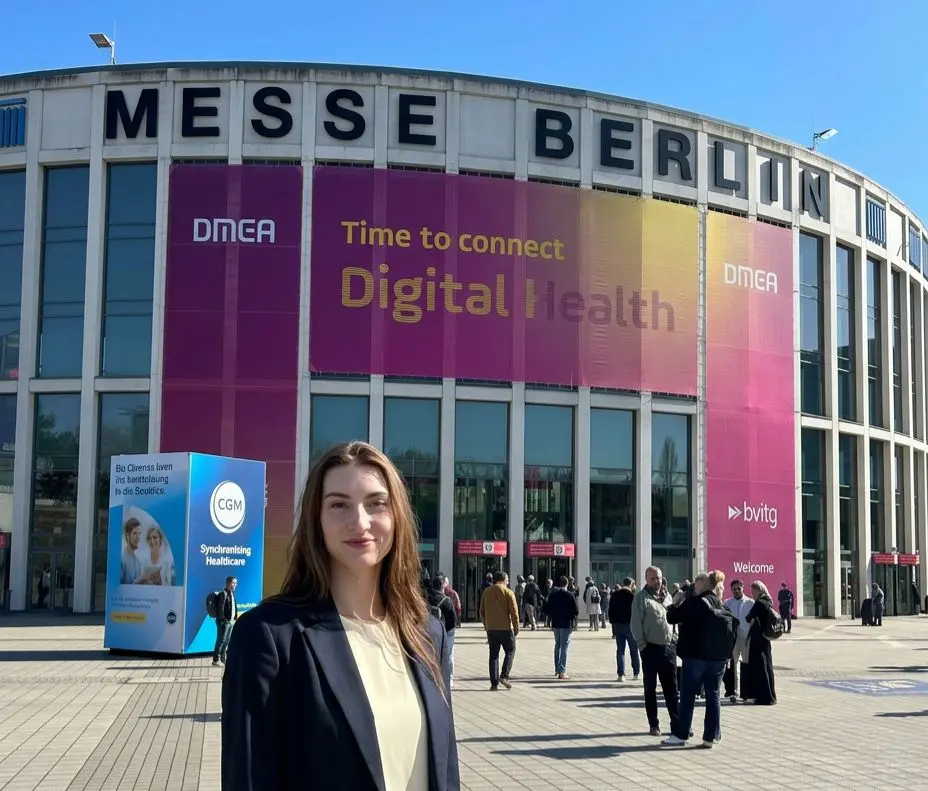
© Moira Hammes
PMC editor Moira Hammes at the DMEA
In the long term, the ePA is to become the central point of contact for outpatient primary care – from initial assessment to appointment scheduling, supplemented by a full-text search planned for the end of the year, and opportunities for personalized prevention offers from the insurers.
Dr. Florian Fuhrmann, managing director of gematik, also took a remarkably clear stance on the DMEA stage. He compared the healthcare system to an orchestra that has forgotten how to play together – with too many data silos, redundant examinations, and rigid structures that slow down innovations.
The Digitalization he sees as a catalyst, but not as the sole solution: Political guidelines, practical relevance, and digital intelligence must come together, and gematik sees itself less as a conductor, but rather as the one who ensures that playing can take place at all. His wish for the future summed up the mood of the entire congress well: “The system has to be as good as the people who provide us within it.”
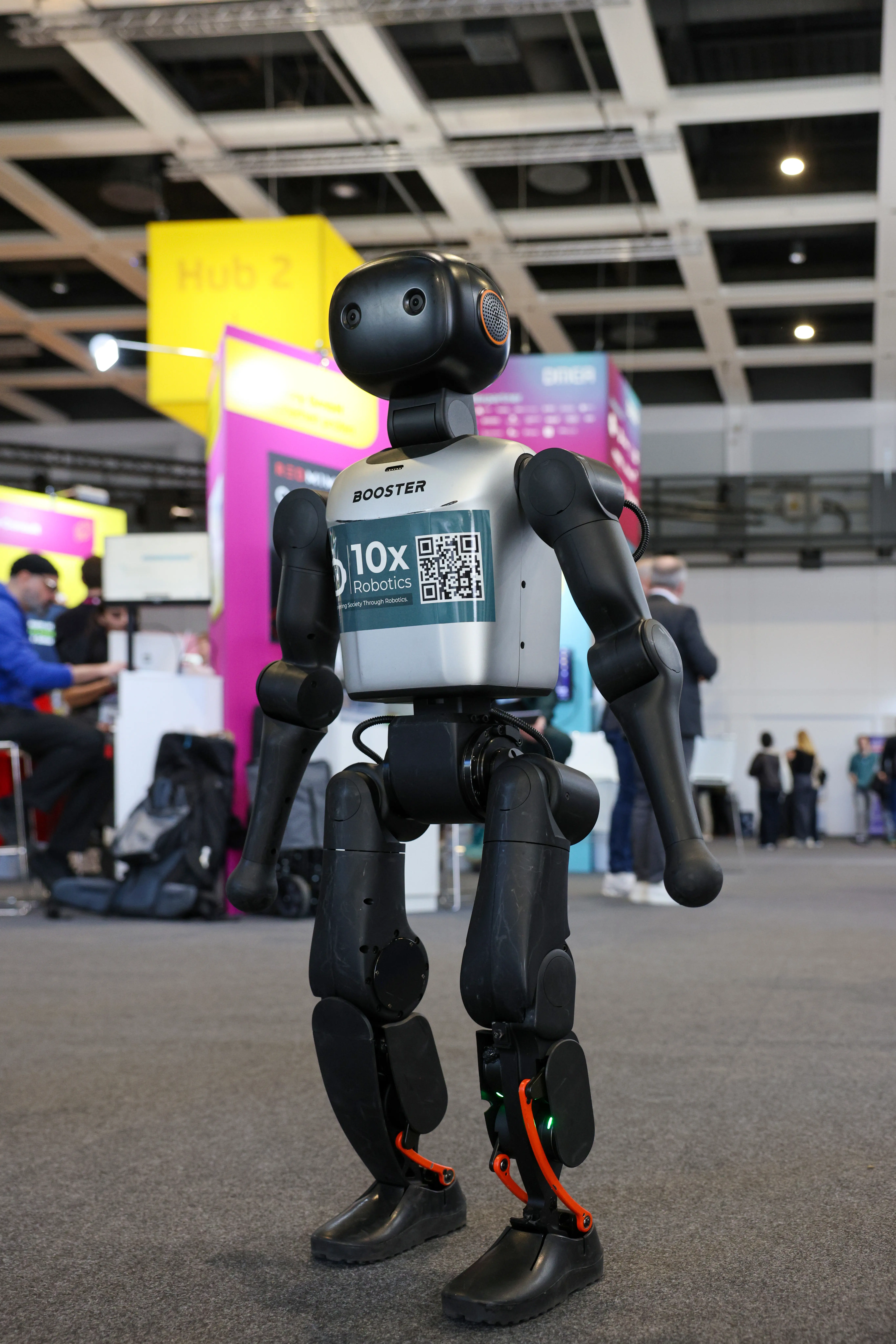
Anyone who walked through the halls of DMEA this year and last year could not overlook one thing: Artificial Intelligence is ubiquitous. It felt like every second booth showed AI-supported solutions and by far the most common application was documentation. Voice assistants that transcribe medical letters in real-time, systems that structure anamneses, tools that relieve nursing staff of administrative tasks.
The promises sounded familiar, but the solutions seemed significantly grown. In addition, robots were presented that are intended to assist in the care or logistics of clinics, still close to the prototype, but not far from deployment.
In discussions, an important caveat was repeatedly expressed: AI systems can make suggestions, take over documentation, and recognize patterns, but without digital competence and critical thinking in the team, deskilling and dependencies threaten. The responsibility remains with humans, and this was also a real substantive focus at DMEA 2026.
© PR/DMEA
One of the most impressive keynotes came from Judith Gerlach, Bavarian State Minister for Health, Care, and Prevention. Her topic: Healthy Longevity and her central argument was as simple as it was uncomfortable: Germany does not have a health system; it has a disease system. We repair instead of preventing, and at a cost that is not sustainable in the long run.
Longevity, according to Gerlach, must not remain an elite trend, nor a topic for people who can afford expensive supplements and biohacking programs. It should mean something much more fundamental: extending healthy years of life, physically and mentally, and that for all population groups.
Bavaria has developed a "Master Plan for Prevention" with around 250 measures—from exercise programs in elementary schools to municipal outdoor sports offerings to strength and balance training in care facilities. What is striking: The measures are deliberately kept low-threshold and close to everyday life, because as Gerlach himself said, the most beautiful political strategy is of no use if it does not reach practical application.
A number that stuck with me at the congress: 55% of people in Germany have low health literacy. According to Kathrin Hammes, a speaker in the AOK's Care/Medicine division, it is even 63% of the insured.
What the combination of subjective surveys with GKV routine data shows is sobering - those who do not understand the system use it more often, more expensively, and often not purposefully. Digitization without health literacy quickly becomes a cost driver: An ePA, a digital medication plan, AI-supported assistance systems – all of this only works if people can find, classify, and apply information.
This thought led directly to the keynote by Louis Teichmann, paramedic and SPIEGEL bestselling author, who made an urgent appeal: If 73% of people have difficulty assessing the trustworthiness of health information, it is not enough to correct misinformation after the fact, because misinformation in the digital space is faster, louder, and more emotional than any press release.
Hospitals, insurers, and doctors must provide guidance before false facts go viral, not after. His appeal, therefore: "Act instead of react."
From the question of health literacy, a deeper question followed at the DMEA in an Oxford Style Debate on the Gender Health Gap: Can digital medicine also become fairer medicine – not only with regard to gender, but also in terms of ethnicity, age, and socioeconomic status, discussed Brenya Adjei, managing director of gematik, Dr. med. Mertcan Usluer, doctor and journalist, Beatrice Aretz, HealthTech CEO & Founder, and Bernd Fiedler, Senior Director Siemens Healthineers.
Algorithms and data spaces are never neutral, and when we digitize a system that structurally disadvantages certain groups, we not only reflect these injustices, we scale them. At the same time, this is where a real opportunity lies: With diverse data collection, good governance, and interdisciplinary and diverse teams, digital applications can make care gaps visible and close them.
Whether digitization amplifies or reduces discrimination depends on how consistently intersectionality is considered in the development, regulation, and practice of digital medicine.
My personal conclusion after three days: The most exciting digital health questions in 2026 are no longer about what technology can do. They are about how we design data spaces, communication, and skills so that people can truly work with this system, and we as a society can actually benefit from it. That is the real task. And it was more evident at the DMEA this year than ever before that the industry is aware of this.

"Feel Good, Live Better" – in this podcast episode, Dr. Gesche Brannolte-Raab shares what each of us can do to reduce our risk of developing cancer.
Christine Bürg
An interview with
Dr. med. Gesche Brannolte-Raab
Deadline pressure, constant availability, little time to recover: stress is often unavoidable in everyday life. But when does it actually become a risk to the heart? Cardiologist Prof. Dr. Uwe Nixdorff explains why recovery is crucial — and how chronic stress can even be measured.
Christine Bürg & Marianne Waldenfels
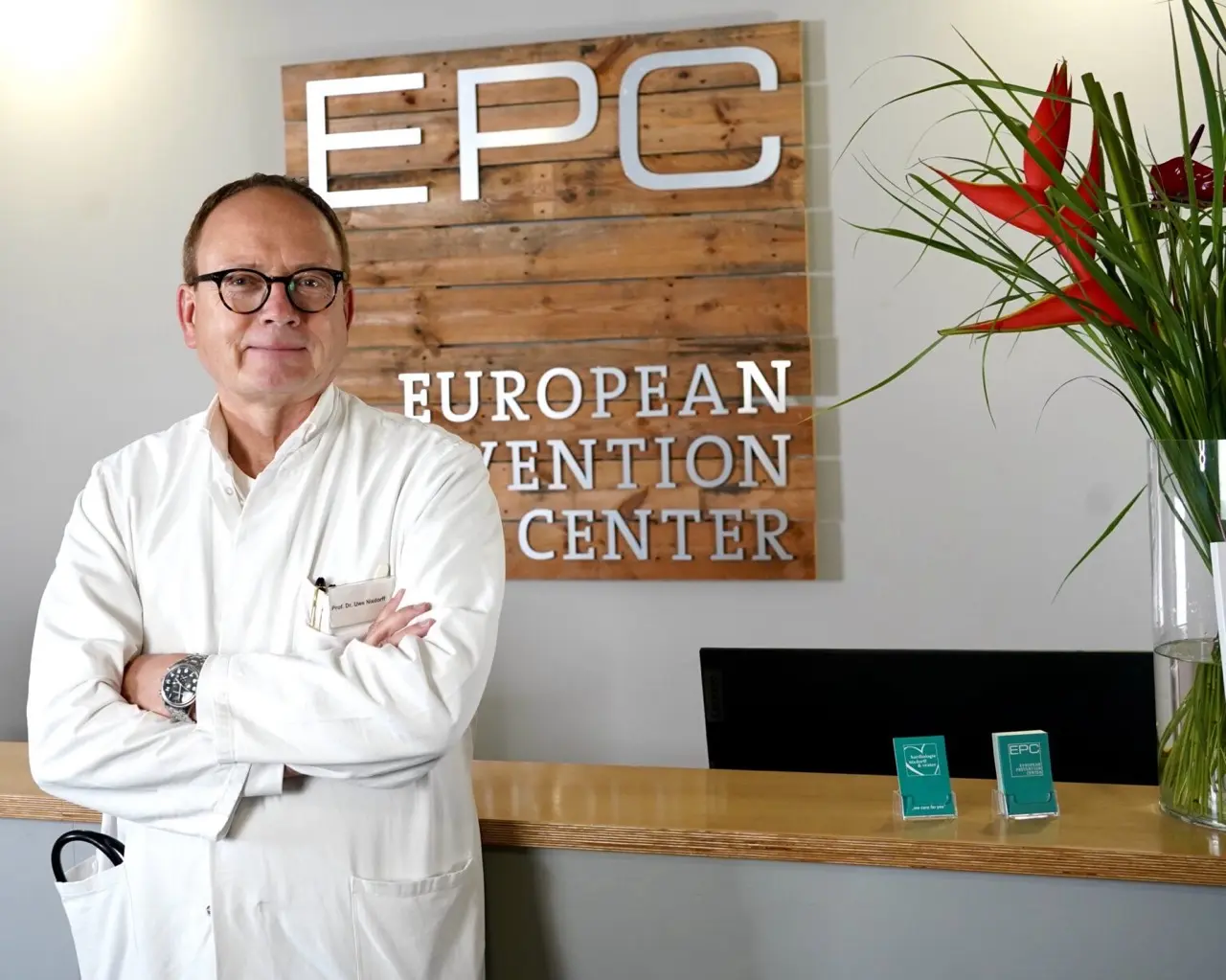
An interview with
Prof. Dr. Uwe Nixdorff