© Freepik
January 8, 2026
Christine Bürg / Robert Emich
Three medical professionals report on digital health in everyday practice: How AI, robotics, and digitization are revolutionizing dentistry, surgery, and ophthalmology—and where the boundaries lie.
With
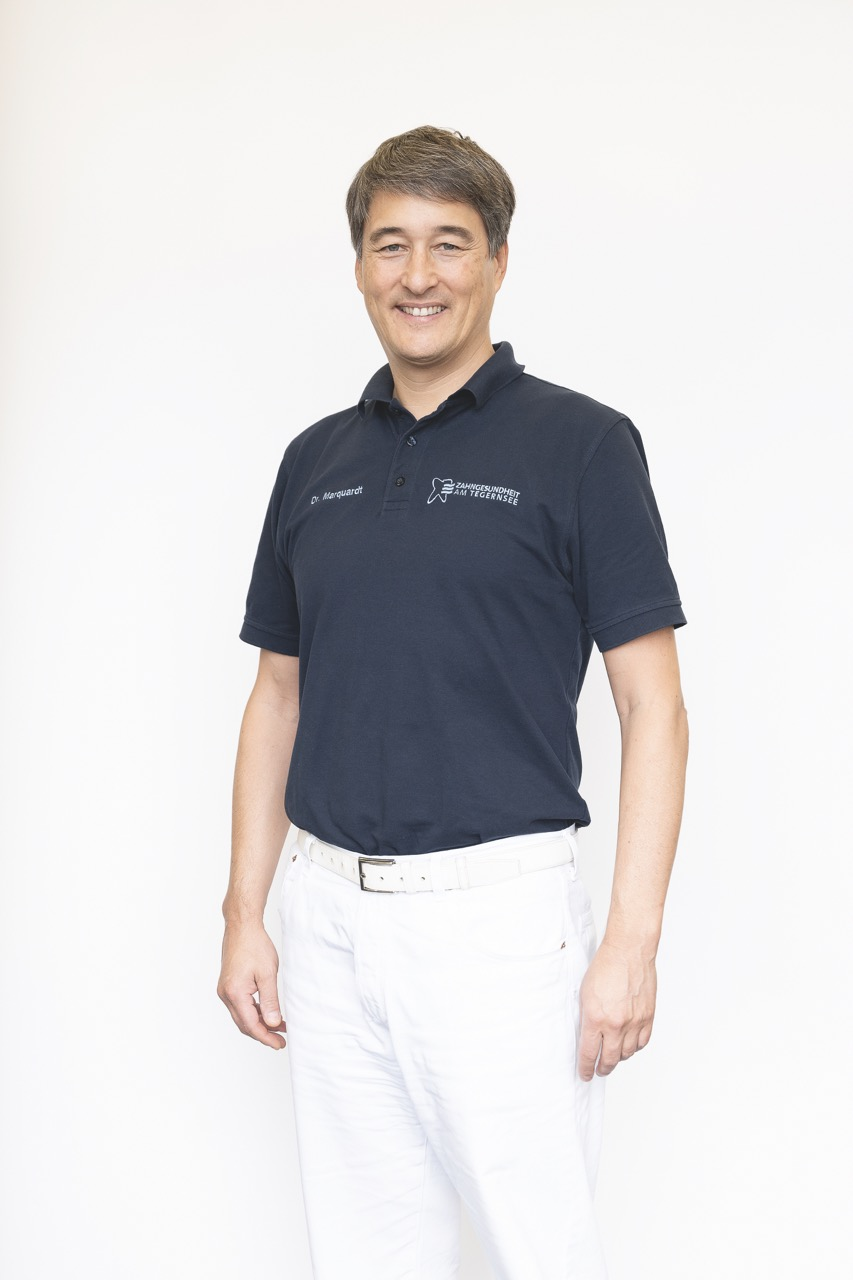
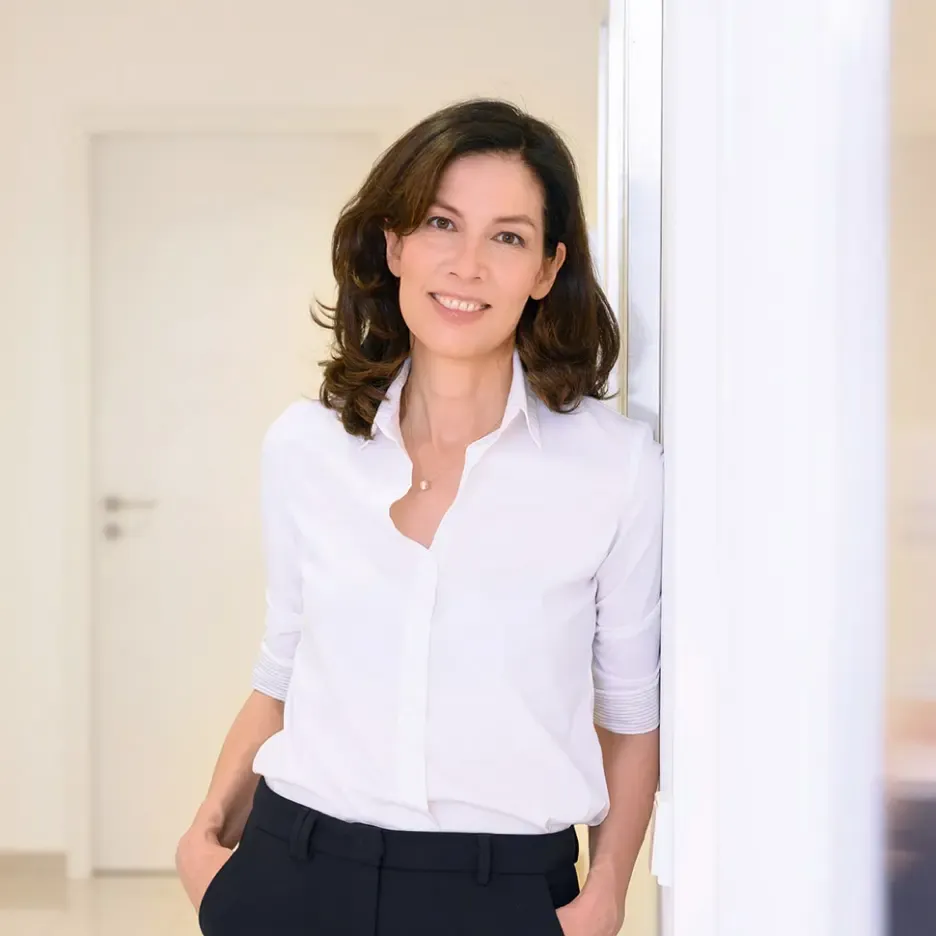
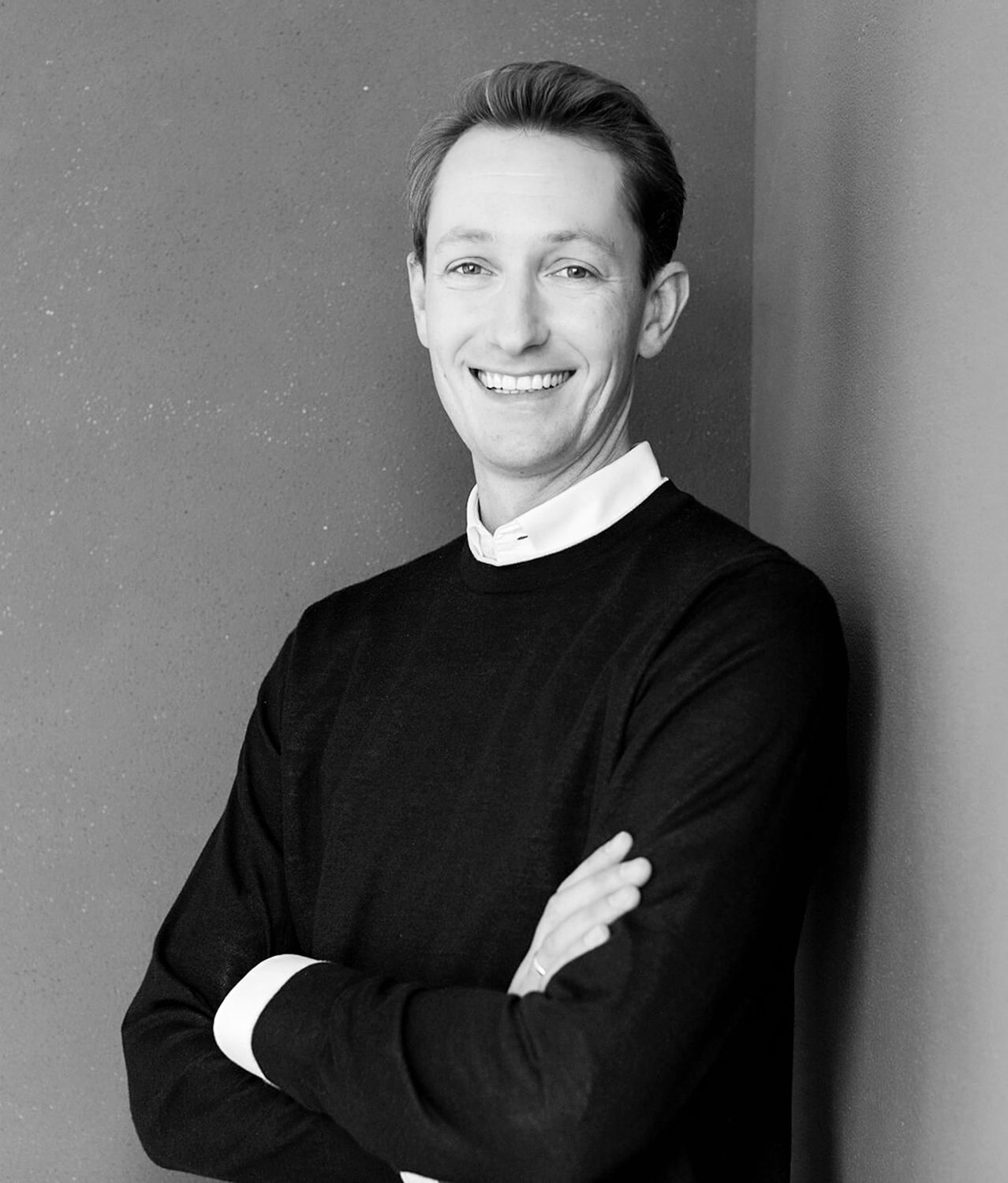
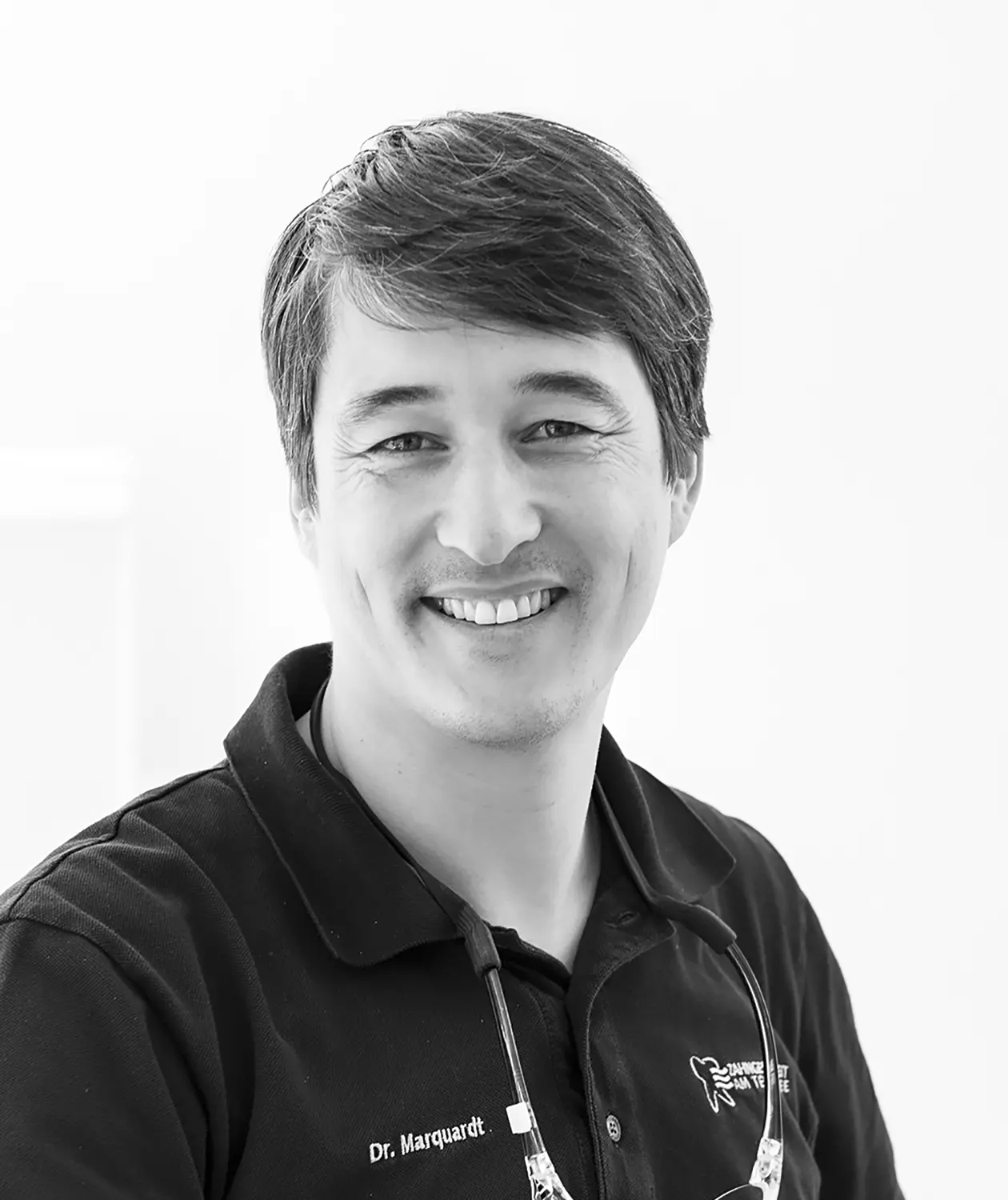
Dr. med. dent. Siegfried Marquardt, Dr. med. Caroline Kim and Raphael Neuhann (FEBO)
Digital Health is revolutionizing modern medicine – but what does that mean specifically for doctors and patients? Three leading physicians from dentistry, plastic surgery, and ophthalmology provide exclusive insights into how artificial intelligence, robotics, and digital diagnostics are transforming their daily practice.
From AI-supported implantology with immediate care to precise surgery simulations and laser technology in ophthalmology – find out firsthand where Digital Health is already improving patient care today, what costs practices face, and where analog expertise remains indispensable. An honest report on opportunities, technical limits, and the digital future of medicine.
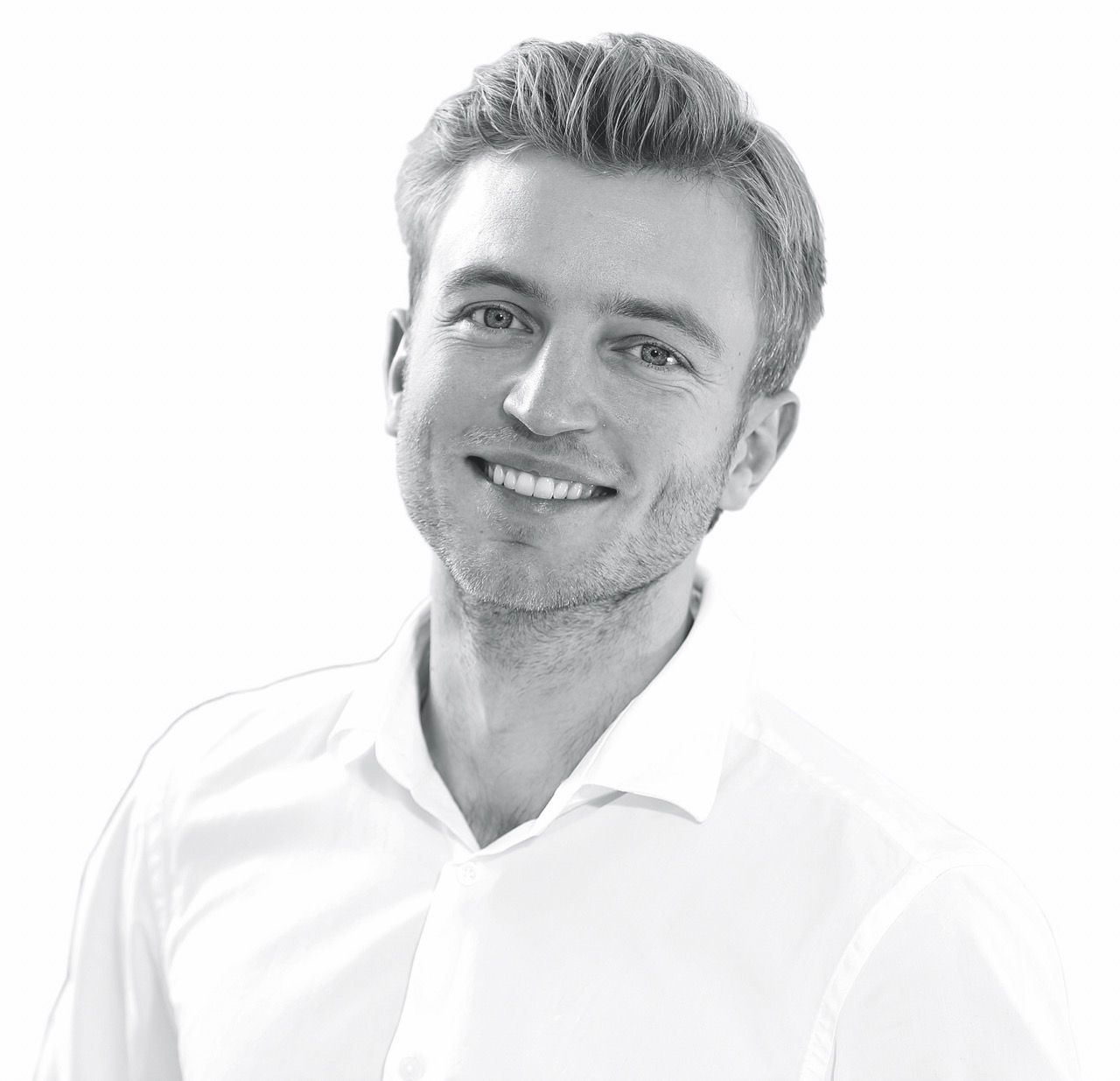
Dr. Siegfried Marquardt – Dentistry:
Patients today have high expectations regarding the use of digital technology. However, it is crucial to differentiate exactly when the digital revolution is a blessing and where it reaches its limits. At the moment, there are many great individual aspects. For example, in implantology. You can wonderfully place an implant, scan its position immediately afterward, send this data to the technician within minutes, and screw the finished crown onto the implant after three or four hours.
That is truly revolutionary, and the accuracy is now perfect and suitable for everyday use. However, as soon as we have three, four, or five implants, it becomes critical. Inaccuracies creep in, and you need more analog crutches to help digitalization along.
Or: if a patient gives me a smile that doesn’t fit because it is somehow "crooked" due to dental misalignments, the entire head, including its movements, can be completely digitized with the face scanner, and an avatar can be created. We can then morph and discuss with the patient what we would change for a perfect restoration.
When I look in the mouth, I find: difficult. Because the position of individual teeth is so unfavorable that you cannot outsmart nature. That means implementing the ideal concept of digital morphing into reality doesn't always work in the end.
We also work a lot with modern Invisalign and Align technology, the Teslas of dentistry. The market leader Invisalign has the most data worldwide because there are more than 14 million cases. And the amount of data is crucial for AI. Orthodontic treatments, jaw adjustments, and teeth straightening based on AI work perfectly in planning and execution.
Also regarding functional problems in the temporomandibular joint, we can digitally determine incredible things that we used to only be able to palpate manually. Even if I take an impression today, i.e., work analogically, the technician puts the model in his scanner and digitizes it.
For planning – especially in complex cases – digitization is a great help because I can foresee certain things that I didn't see in an analog world. But digitization requires a learning curve of six months to a year so that I know where the flaws of a device are, how I need to behave, why this error message occurs, and so on. There are computer-savvy people who have access to it, and then there are others, especially older colleagues, who say, "I won't touch that anymore." The young ones, in turn, who come from university, want to do everything digitally. And then realize: "Oops, it doesn't work the way I imagined!"
What also works really well is the intraoral scan. Patients with a gag reflex during a classic dental impression flock to our practices because their old dentist doesn't have this scanner. But if a good dentist masters his craft in the analog form, as a digital expert, I wouldn't dare say my work is better. We are not there yet.
Digitization, therefore, does not replace a good doctor. This is even more important in dental technology. This could become a problem in the future because young dental technicians almost only sit at the computer and don't know how a chewing organ works and how to shape a tooth so everything fits together. For example, that the chewing surfaces are not too high. Therefore, I advise every dental technician: "Please first go through the apprenticeship and still do the old school. Then you can understand and implement the function in a digital world much, much better."
Regarding robotics in dentistry: To use a robot, everything must first be digitized. Then the template is inserted and it turns out that the patient has different gingival thicknesses in axes four and five, which the device could not calibrate precisely. And the robot still has an accuracy of maybe 98 percent. A 2 percent error rate in a nerve path means about 0.5-1 millimeters.
If I have this one millimeter planning error, then I'm in the nerve, and there is a risk of paralysis. That makes no sense. When I, as an experienced doctor, place an implant, it takes about 20 minutes, I need to prepare briefly, inform the patient, take a 3D image so that I know where the nerve is. And that's it.
The robot needs an estimated day of preparation, afterwards it has to be programmed and navigated by someone who can handle the joystick. That is not affordable at all. Therefore, robotics currently makes no sense when it comes to preparing a tooth or placing an implant.
Dr. Caroline Kim – Plastic Surgery
Digitization in plastic, aesthetic, and reconstructive surgery helps us both with surgery planning and in the operating room itself. With apps and camera systems, we can already simulate in advance what effect a breast correction, for example, would have. In the operating room itself, we still work with X-rays and MRIs. It would be helpful here if we could directly project a fracture onto the surgical field with the help of glasses after an accident.
In plastic surgery, AI and big data are a topic, just as they are in breast diagnostics for mammary carcinomas. The idea is that with the help of devices that learn from experience, we could recognize certain findings—perhaps even faster and more efficiently than a radiologist. In radiology, AI currently only works in a supportive role, but it's only a matter of time before machines can take over independently and we then release the decision to the AI. Developments like Chat GPT can relieve us of some of the bureaucracy, such as with medical letters and insurance applications.
For a solo practice, where there aren't millions of research funds available like at a university clinic, there are other facets of digitalization and modernization that we can utilize. For us, everything must be immediately implementable and bring an immediate patient benefit because we can't experiment. Of course, I look at what's happening internationally—especially in Asia and the USA—and then decide whether to follow a particular path.
Ultimately, I always want to continue developing—to the benefit of the patients. One should always be open to developments, stay up to date, and engage with colleagues. I find it dangerous when people say, "I've always done it this way." Arrogance is fundamentally reprehensible. One should always look with a certain humility at what can be improved. Patients today are also significantly better informed.
Personally, my work has become easier over the course of my career. On one hand, because I have a lot of experience and can better assess situations and patients. On the other hand, due to the mentioned digital possibilities, but also developments in non-digital areas of medicine. There have been many improvements in devices, anesthesia, and medications. If we compare the development with what was 20 years ago, a lot has certainly happened.
Even though we still need a little patience with digital health until it arrives in therapy, I am convinced that robotics will prevail in the OR in many areas. Small movements that a surgeon makes can be translated by a robot into even smaller, precise movements. In the field of microsurgery, this will definitely be an aid.
A facelift by a robot will not be available for a long time, but maybe someday it will be. I think visualization will come first before robotics is used on a large scale. After all, a 3D headset is cheaper than a robot. I believe that we experience progress every day, sometimes just not so consciously.
100 years ago, children still died from diabetes, then came insulin, and now it's commonplace for them to measure blood sugar via their phone. Another example is tranexamic acid, with which we can stop bleeding. Today, it is completely normal for me to come on rounds and the patients after a facelift or eyelid surgery have almost no hematomas.
A major topic is stem cell therapy—whether in the aesthetic or regenerative field. We have been trying for years to reconstruct organs. Stem cells will play a major role here. I also work with stem cells almost every surgery day within the framework of legal requirements because we have a lot of them in our own fat. I use this potential for scars, reconstructions, breast augmentations, and skin treatments.
Another big future topic is longevity. Patients are getting older with an ever-higher quality of life. I have many patients over 80 who are still active and fit and want to maintain that. These are also the ones who have time and a certain purchasing power. Age discrimination should not take place here. Especially smaller surgeries are in demand even among 80-year-olds—eyelid lifts, for example, and wrinkle injections, but also sometimes a facelift.
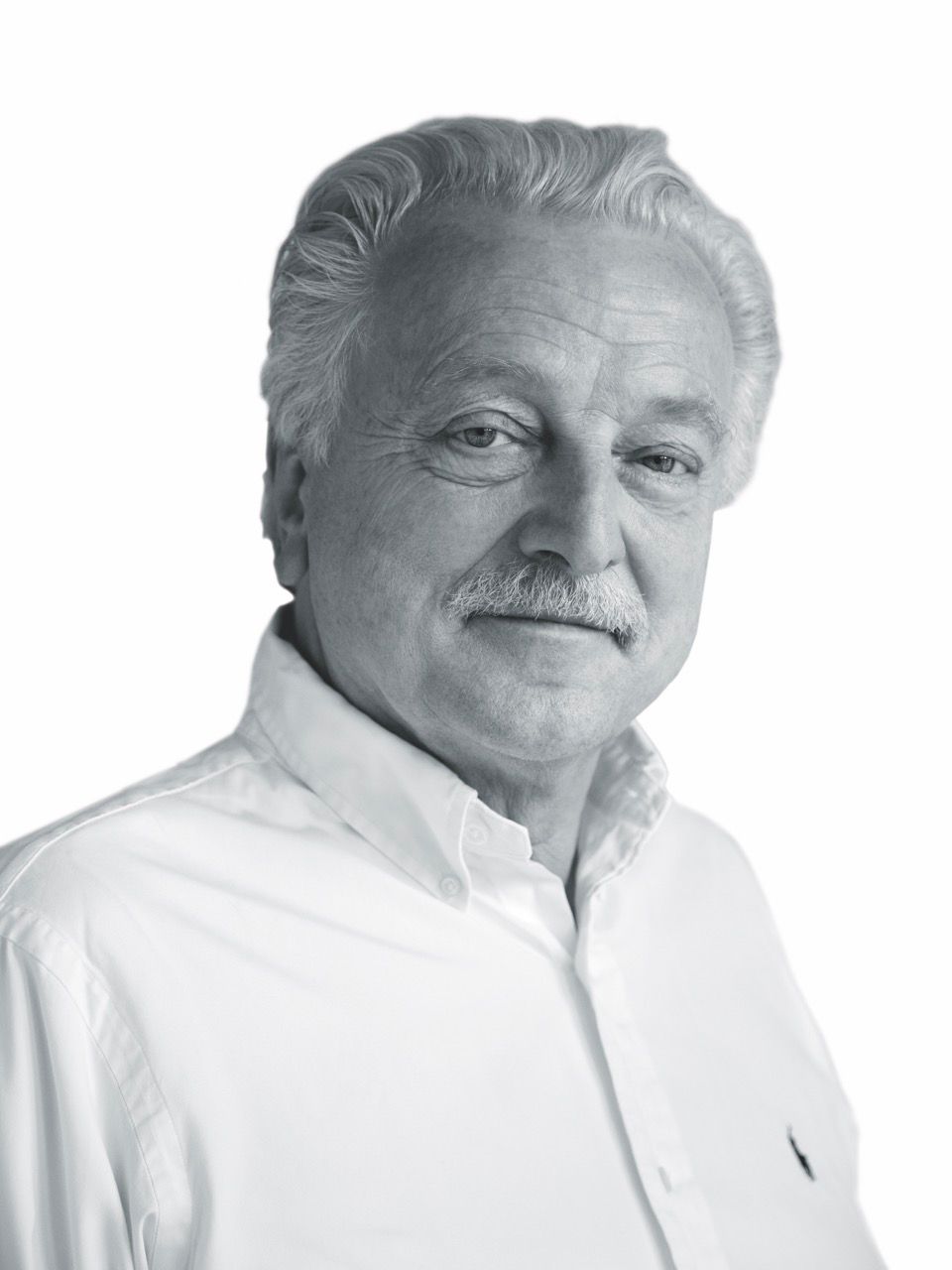
Raphael Neuhann – Ophthalmology:
When we talk about digital health, we have to differentiate between the medical part and communication with patients. In ophthalmology, digital work has been done for many years, keyword laser technology and lens replacement. But we still have problems using the vast amount of data we gain effectively.
The diagnosis usually has to be printed out and placed on the fax. Example: macular degeneration, which affects many older patients: they need an injection every month for about a year. The injection itself takes maybe five minutes. But scheduling the initial diagnosis, the follow-up appointments afterward, which cannot all be coordinated from the start—this is where stronger digitization would help.
Regarding corneal laser surgery, the classic removal of glasses in younger patients, it can be safely claimed that today this is one of the safest digitally supported treatments on humans and the most frequent. However, even the most modern laser systems are sometimes still delivered with a printer to print out the treatment protocol on paper. Connecting the practice system directly to the laser system is possible, but often not as trivial as one might think.
And if the doctor who referred the patient wants the treatment data, they still have to be printed out and sent manually or faxed, so that this doctor can scan and transfer them to their system. This means that communication between doctors is poor because there are no standardized patient records, although this would be technically possible.
It's similar on the supplier side. We have excellent technology for performing surgeries, but there are still issues in networking all the information and making the workflow efficient. Today, we have highly individualized lenses. On a surgery day, 20 different lenses might be implanted.
It is therefore important that the implants can be correctly assigned to individual patients. Each lens has a barcode that is scanned, but analog checks are still needed to ensure that the patient receives the correct lens in the correct eye. There are many hurdles in between because the software of devices from different manufacturers is not compatible.
However, technology is already extremely helpful. The fact that blind people can see again through a retinal chip is still future music, but research is being conducted intensively. For example, there is already a chip that allows people who have lost their vision to recognize structures in a room and orient themselves better.
Keyword macular degeneration: Here I believe in developments in preventive medicine. The ability to analyze and predict with algorithms how the risk for macular degeneration can be reduced. If someone has the genetic predisposition for it, active prevention cannot prevent the disease, but it can slow its progression and control macular disease to the extent that no significant impairments occur. As of February 2023, the first drug for the treatment of dry macular degeneration (geographic atrophy) has been approved..
Most ophthalmologists are very tech-savvy. The cost factor is immense, but if you want to keep up with the times, you have to invest in new technologies. You could probably buy a significantly improved cornea laser every five to eight years, while still using other devices, even if they are from 1980. Sometimes the improvement of a device does not justify the financial expense and the benefit to the patients.
There is much more happening in diagnostics; you could buy new devices every year. There are constantly new functions and technologies. The biometrics of the anterior segment of the eye, for example, was always camera-based. For some time now, there has been a laser with high-resolution scans. It's sensational because we can see things we've never seen before.
New is often better, faster, less stressful for the patient. But there is always the transition phase from established to new technology. Even if some say that doctors are no longer needed for certain diagnoses or treatments, they are all the more important to the patients – to alleviate fears, to explain. But also to listen and to be there from person to person.

 Find a Doctor
Search the network for suitable specialists and contact them directly
© PMC

"Feel good, live better" This podcast episode with Prof. Dr. Helen Abel is all about hands and how to keep them mobile – even with arthritis
Christine Bürg
An interview with