Imaging diagnostics: Will AI replace the doctor?
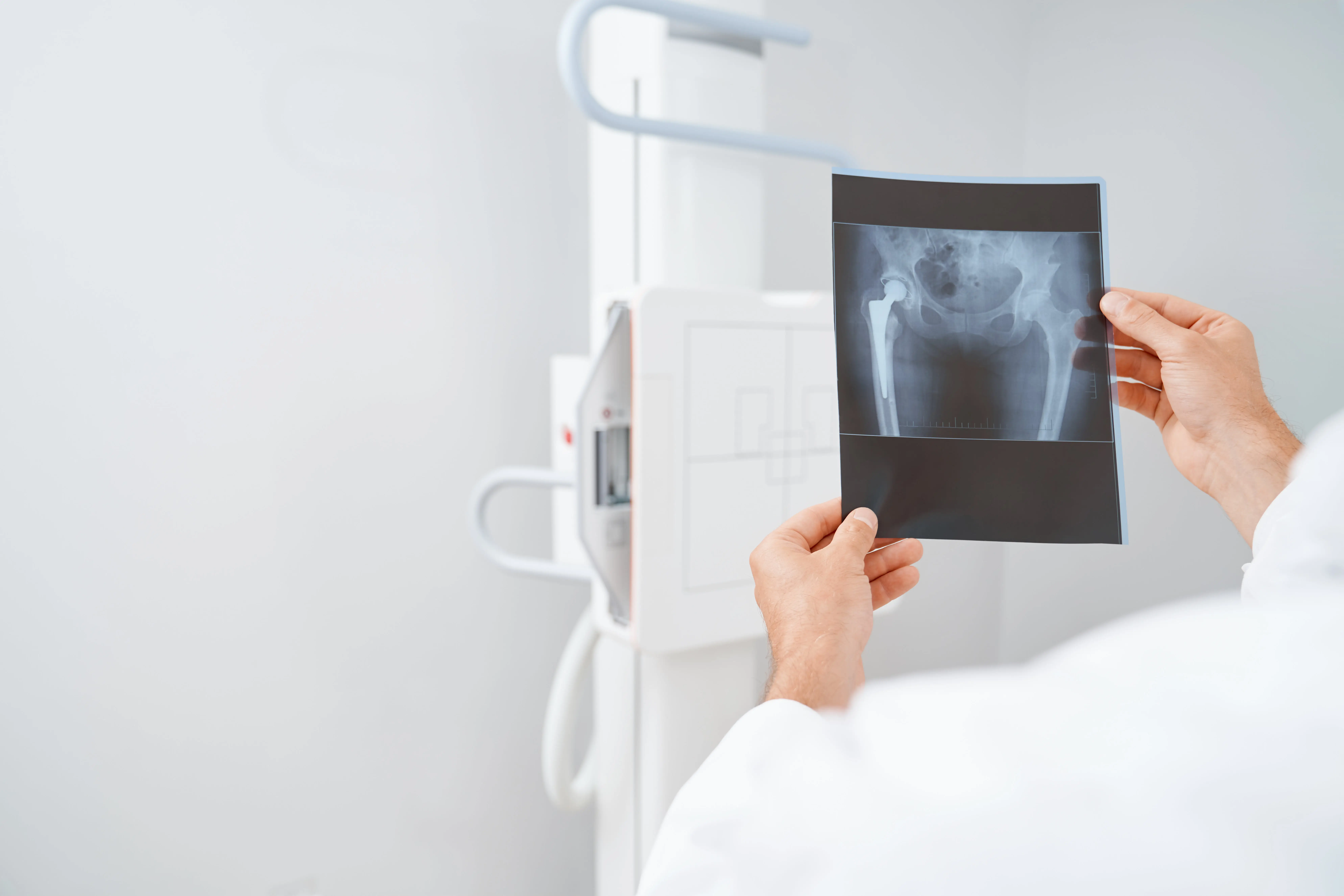
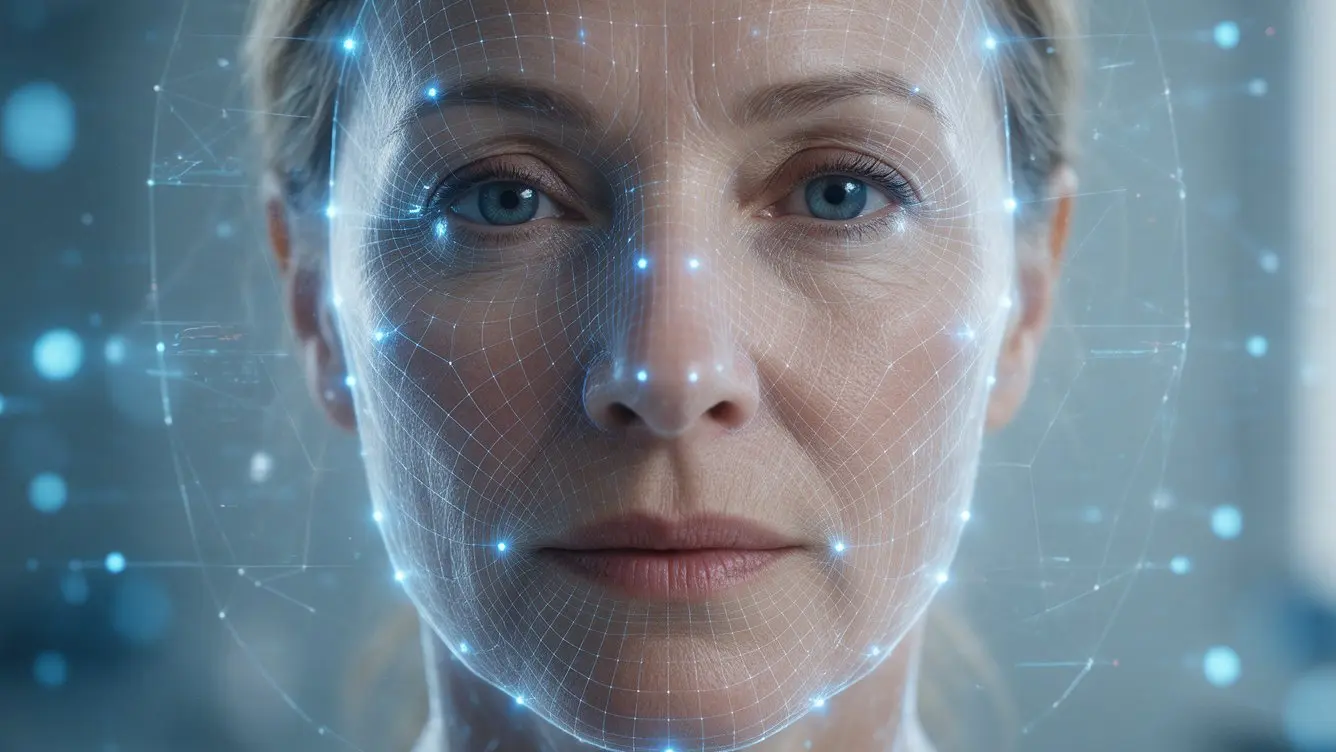
Artificial intelligence is revolutionizing medicine. Particularly in radiology, the potential of AI systems is impressive: they analyze X-rays, CT scans, and MRI images with remarkable speed and precision. But does this mean the end of medical imaging diagnostics? The answer is more nuanced than many assume.
AI in radiology: Current possibilities
Modern AI algorithms have made significant progress in imaging diagnostics. Deep learning systems can now identify lung nodules on CT images, detect fractures on X-rays, and identify brain hemorrhages on MRI scans. In controlled studies, some systems achieve diagnostic accuracy comparable to or even surpassing that of experienced radiologists.
The strengths of AI lie primarily in speed and consistency. An algorithm doesn't get tired, is available around the clock, and always applies its learned criteria consistently. In routine tasks such as screening for certain pathologies, AI can significantly accelerate the diagnostic workflow and act as a valuable assistant.
The indispensable role of the doctor
Despite these impressive capabilities, there are significant reasons why AI will not replace radiologists. Medical imaging diagnostics is far more than just recognizing patterns in images. Doctors bring context that no AI can currently provide: they know the patient's medical history, understand the clinical questions, and can interpret unusual findings that go beyond the AI's training material.
A crucial factor is the medical judgment. When a finding is ambiguous or when different diagnoses are considered, medical expertise and experience are needed to draw the correct conclusion. Radiologists do not evaluate individual images in isolation but integrate information from various examinations, laboratory values, and the overall clinical picture.
In addition, there is the communicative dimension: doctors discuss findings with colleagues, explain diagnoses to patients, and provide recommendations for further action. This interpersonal component of medicine cannot be replaced by algorithms.
AI as a tool, not a replacement
The most realistic vision of the future is a collaboration between humans and machines. AI becomes an intelligent assistant supporting radiologists, relieving them, and pointing out critical findings. Systems can, for example, pre-sort images, mark conspicuous areas, or facilitate comparisons with previous images.
This support can increase efficiency and potentially enhance diagnostic security. Especially in times of staff shortages, AI could help maintain radiological care. Doctors gain time for complex cases, interdisciplinary discussions, and patient communication.