© Freepik
March 1, 2026
Marianne Waldenfels
Vegans have lower creatine levels—and therefore benefit particularly strongly from supplements. Everything about effects, dosage, and vegan products.
Vegans and vegetarians are proven to have lower creatine levels than meat-eaters – and therefore often benefit even more from supplementation. Here you will learn why this is so, which creatine is suitable for you, and how to take it correctly.
Creatine is a natural compound made from the amino acids arginine, glycine, and methionine. It is mainly synthesized in the liver and kidneys and then transported to muscle cells, where it serves as a rapidly available energy store.
In the form of phosphocreatine it helps regenerate ATP (adenosine triphosphate) – the body's main energy carrier – in a flash. This is particularly relevant for short, intense exertions: sprints, strength training, explosive movements.
The body can produce creatine itself, but only in limited amounts: about 1-2 grams per day. Der Rest wird normalerweise über die Nahrung aufgenommen – und genau hier liegt das Problem für Menschen, die kein Fleisch oder Fisch essen.
Creatine is found exclusively in animal foods The best natural sources are:
Plant-based foods contain virtually no creatine. This means: those who eat vegetarian or vegan consume little to no creatine and rely entirely on the body's own synthesis.
Studies clearly confirm this. Vegetarians and vegans have compared to omnivores:
That sounds like a disadvantage at first – but it is also a great opportunity.
Here an interesting phenomenon comes into play: Those who already have high creatine levels in the muscle can store less additional creatine. Those with lower baseline levels benefit more.
Several studies show that vegetarians after creatine supplementation see greater improvements than meat-eaters – both in physical performance and cognitive tests. A 2003 study (Watanabe et al.) found that vegan subjects achieved significantly better results in memory tests after taking creatine – an indication that the brain also benefits from higher creatine levels.
In short: As a vegan or vegetarian you might respond better to creatine than someone who eats meat daily.
This is one of the most common questions – and the answer is pleasantly clear:
Yes, synthetic creatine is vegan.
Creatine is produced in the lab from sarcosine and cyanamide – so completely without animal raw materials.
What you should still pay attention to:
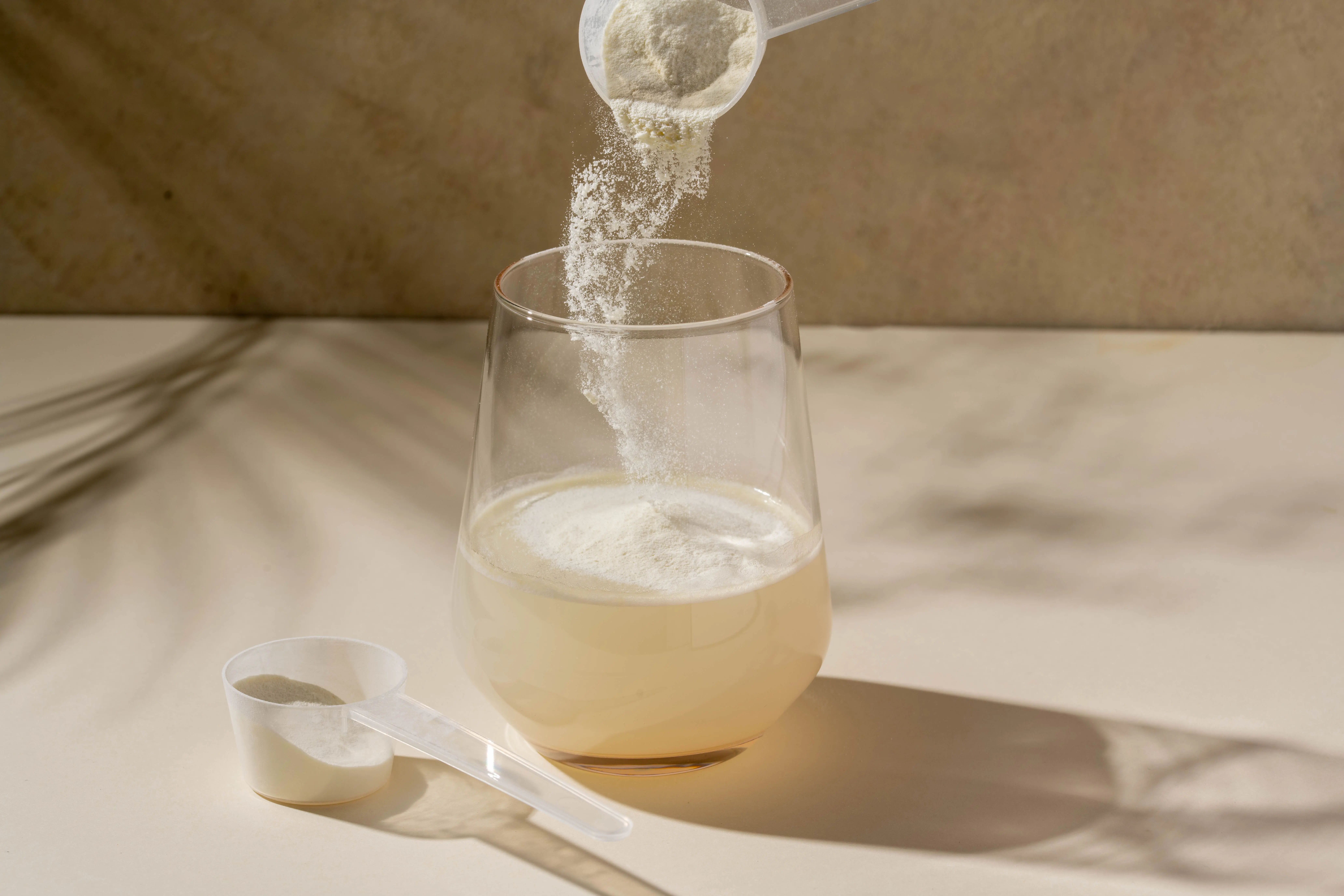
When in doubt: buy powder, add water or plant milk – done.
There are many creatine variants on the market: monohydrate, HCl, ethyl ester, buffered creatine (Kre-Alkalyn), and more. What is really recommended?
The most researched form by far is creatine monohydrate. Hundreds of studies prove its effectiveness and safety. It is cheaper than all alternatives and at least as effective.
Those who have stomach problems with creatine monohydrate (this affects a minority) can switch to micronized creatine monohydrate switch – it dissolves better and is absorbed a little faster.
Creatine hydrochloride dissolves better in water and is used in smaller doses. An option for people with sensitive stomachs – but more expensive and not better proven than monohydrate.
Products like "Kre-Alkalyn" or "Creapure Tri-Phase Fusion" sound impressive, but are hardly better than simple monohydrate – at a significantly higher price. Save your money.
Recommendation for vegans: Creatine monohydrate, preferably in powder form with vegan certification. Quality brands like Creapure (produced in Germany) offer very pure creatine.
Since baseline levels are lower with a vegan diet, supplementation is particularly effective. Here are two proven approaches:
The loading phase quickly fills the creatine stores. Note: Some people experience water retention in the muscle or slight gastrointestinal discomfort during this phase.
A bit slower, but equally effective—and usually more tolerable. After about 4 weeks, the stores are also full.
When to take? The timing is less crucial than consistency. Many take creatine directly before or after training. Studies slightly suggest that taking it after training might be minimally more advantageous—but the difference is marginal. More important: Take it daily.
What to combine with? Creatine is better absorbed when taken with carbohydrates or a meal. A smoothie, oatmeal, or fruit juice are good options.
The scientific evidence is clear. Creatine is one of the most well-researched supplements ever.. The benefits at a glance:
The brain consumes a lot of energy and benefits from sufficient creatine. Studies show:
Especially for vegans and vegetarians, whose brain creatine levels tend to be lower, this effect can be particularly noticeable.
Creatine is also being researched outside of sports - including for the prevention of age-related muscle loss (sarcopenia), heart health, and even support in depression (early studies show promising results).
Myth 1: Creatine harms the kidneys This myth persists - but is not scientifically proven. Numerous studies show that creatine in normal doses for healthy individuals has no negative effects on kidney function . People with existing kidney conditions should consult a doctor first.
Myth 2: Creatine is a steroid No. Creatine is a natural compound that the body produces itself. It has nothing in common with anabolic steroids – neither chemically nor in its mode of action.
Myth 3: Creatine causes bloating In the first few weeks, creatine can slightly increase water retention in the muscle – which may show as a weight gain of 1-2 kg. This is not swelling, but intracellular water directly in the muscle cell. It looks good (fuller muscles) and is harmless.
Myth 4: Creatine is only needed for bodybuilding Creatine is relevant for everyone who wants to perform intense sports activities – whether endurance sports, team sports, or martial arts. And as mentioned above: the brain also benefits.
If there is one supplement that really suits vegans/vegetarians, it is creatine. The reasons:
Anyone who has not yet tried creatine as a vegan or vegetarian is probably missing out on one of the most effective and safest dietary supplements ever.
Can I take creatine as a vegan without worry? Yes. Synthetic creatine monohydrate is vegan and safe. Choose powder instead of gelatin capsules.
How long does it take until I feel an effect? With loading phase: after 5–7 days. Without loading phase: after 3–4 weeks of daily intake.
Do I need to take creatine permanently? No – but the effect fades when you stop. Creatine stores deplete again within 4–6 weeks. However, permanent intake is possible without problems.
Is creatine suitable for women? Absolutely. Creatine works just as well for women as it does for men – and is particularly interesting for vegan female athletes.
Which creatine is best for vegans? Creatine monohydrate in powder form. Quality brands with Creapure raw material or explicit vegan certification are a good choice.