Ashwagandha: How Many mg Per Day? All Forms and How Winter Cherry Works
Ashwagandha for stress or sleep problems? Here you will find scientifically oriented dosage recommendations for powders and extracts, tips for taking it (morning/evening), and what to watch out for.
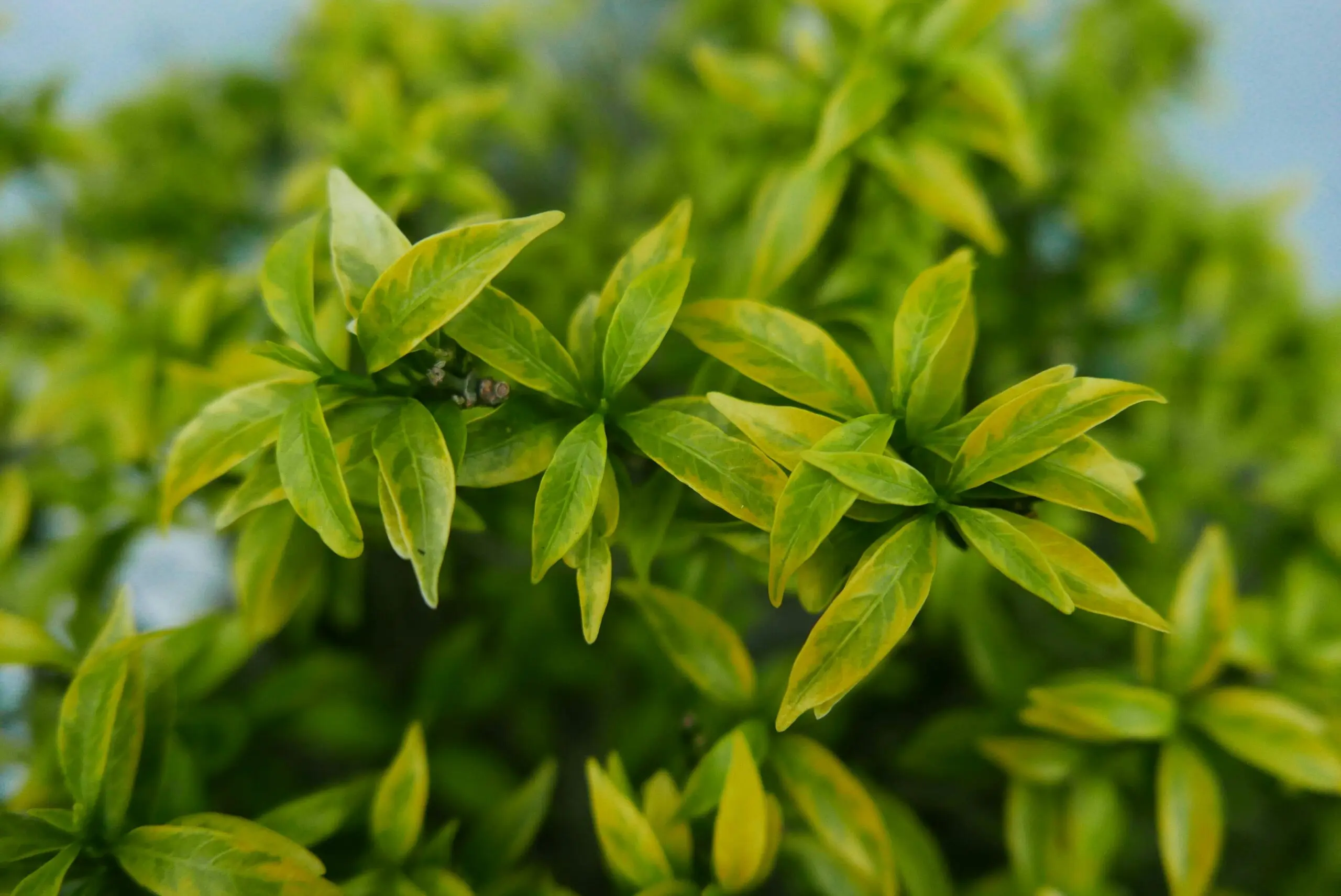
Ashwagandha is one of the most well-known plants in traditional Ayurvedic health teachings. The winter cherry, botanically called Withania somnifera, has been used in India for over 3000 years to support the body and mind and is considered one of the most important adaptogens in Ayurvedic medicine.
Adaptogens are plant substances that are supposed to help the organism better cope with stress, by promoting physical and mental adaptability. Currently, Ashwagandha is experiencing a strong resurgence as the winter cherry is often mentioned in connection with stress, sleep quality, and emotional balance.
The main active ingredients of the plant are so-called withanolides, which are mainly found in the root and can affect various body systems.
Here you will find out how Ashwagandha can be dosed, when its intake is sensible, and which form of administration is suitable for which situation.
Ashwagandha forms: powder, capsules, or extract?
Ashwagandha is available in different forms, each with its own advantages and disadvantages. The choice depends on whether you prefer a more traditional application or if convenience, taste, and precise dosage are more important.
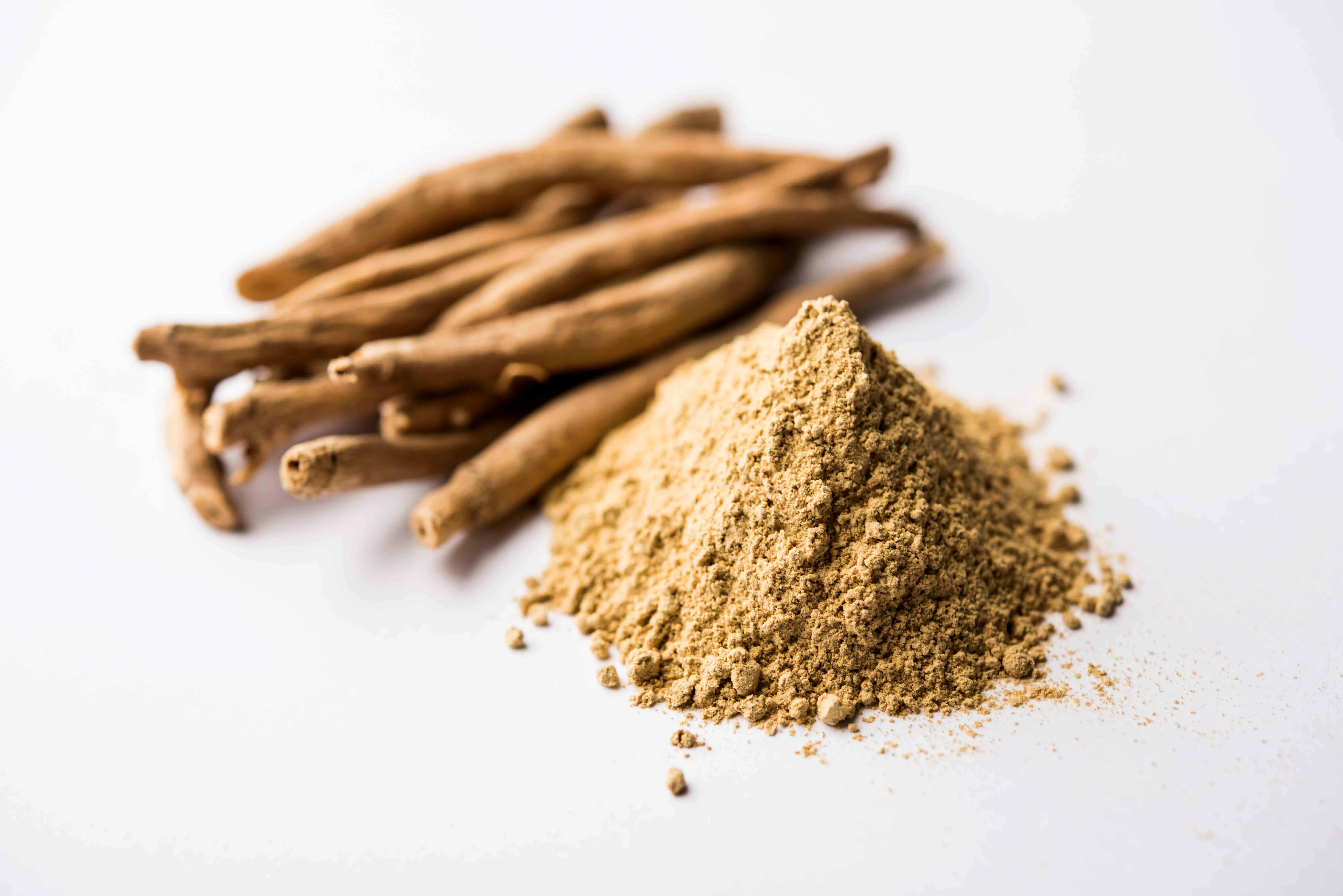
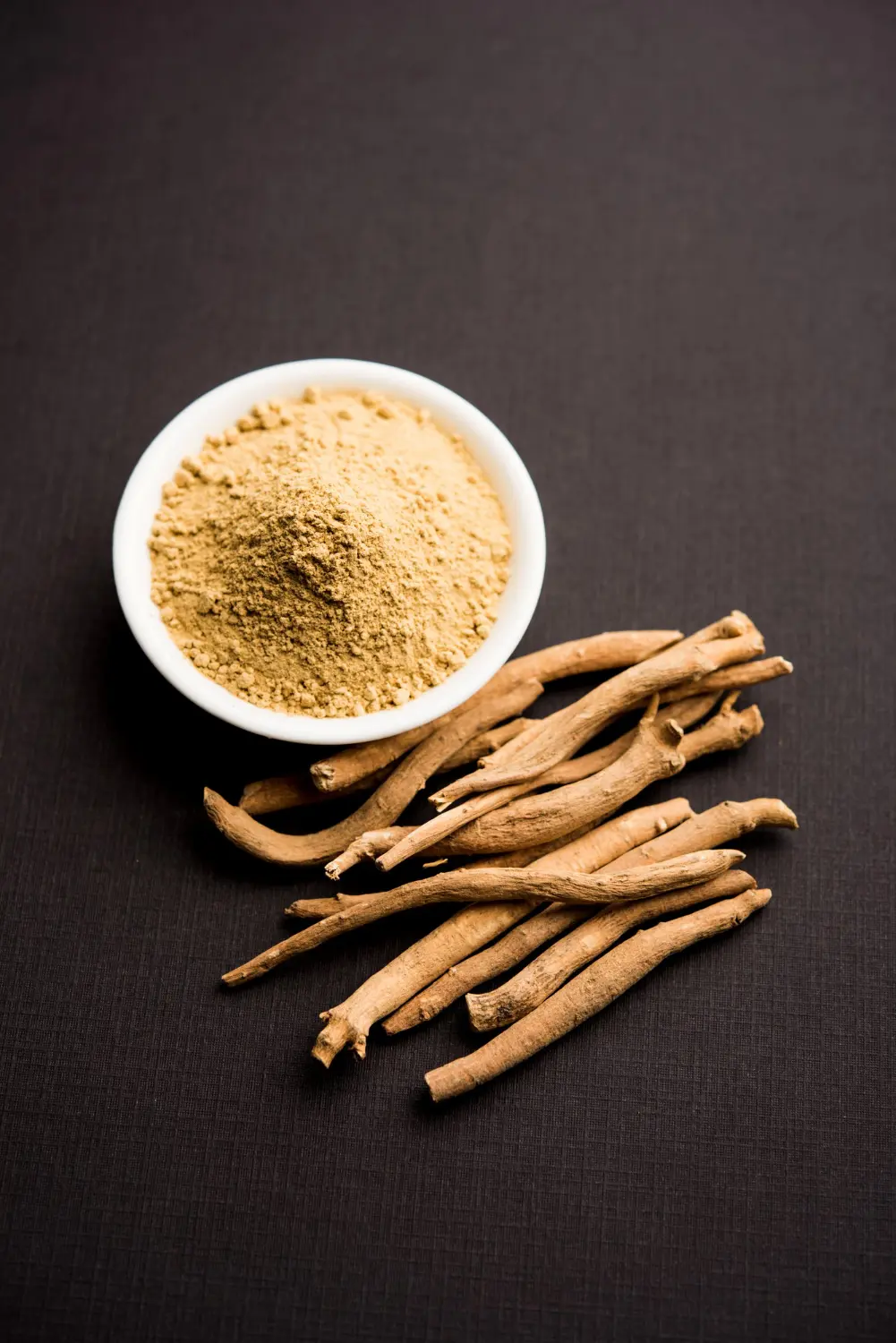
Ashwagandha powder
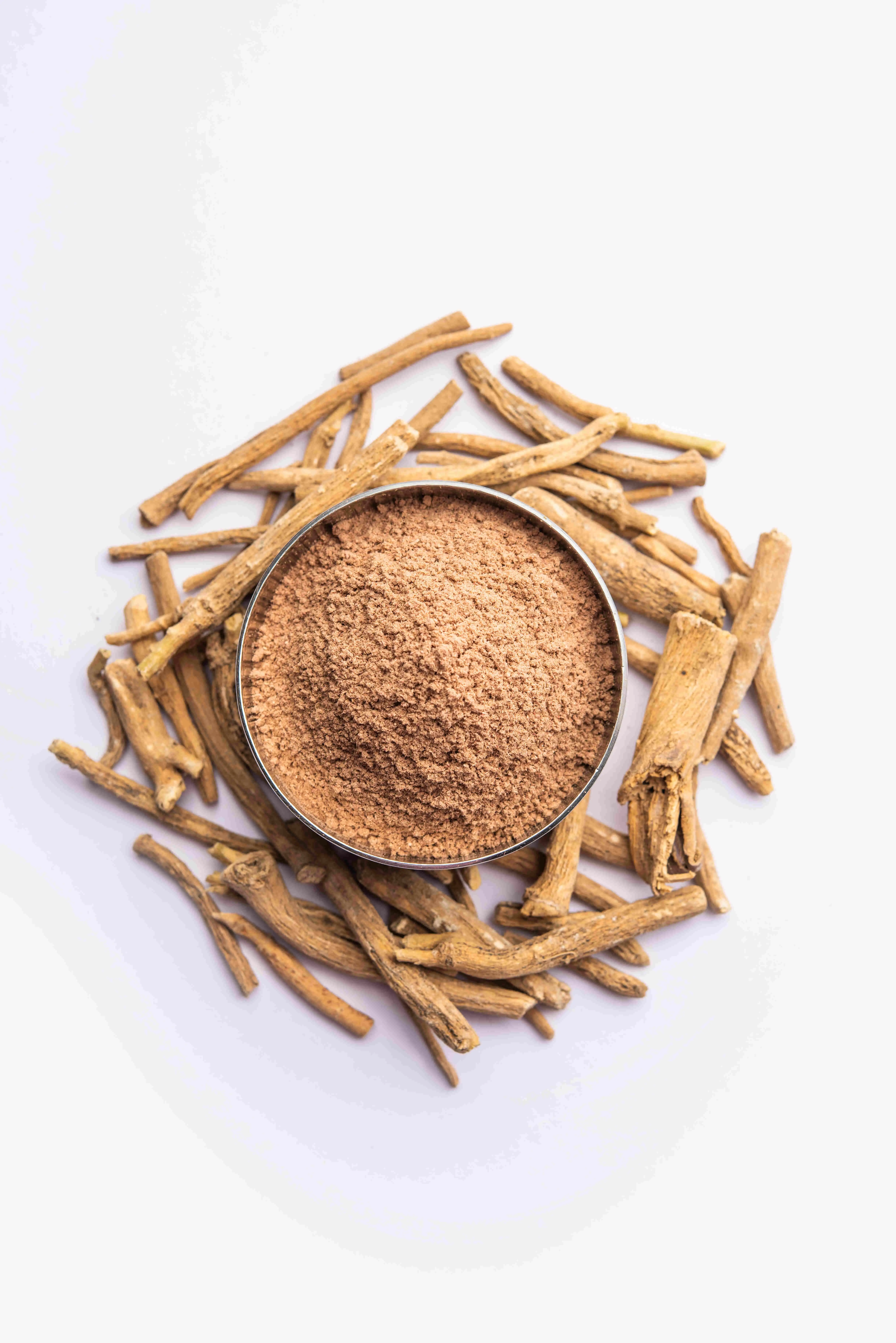
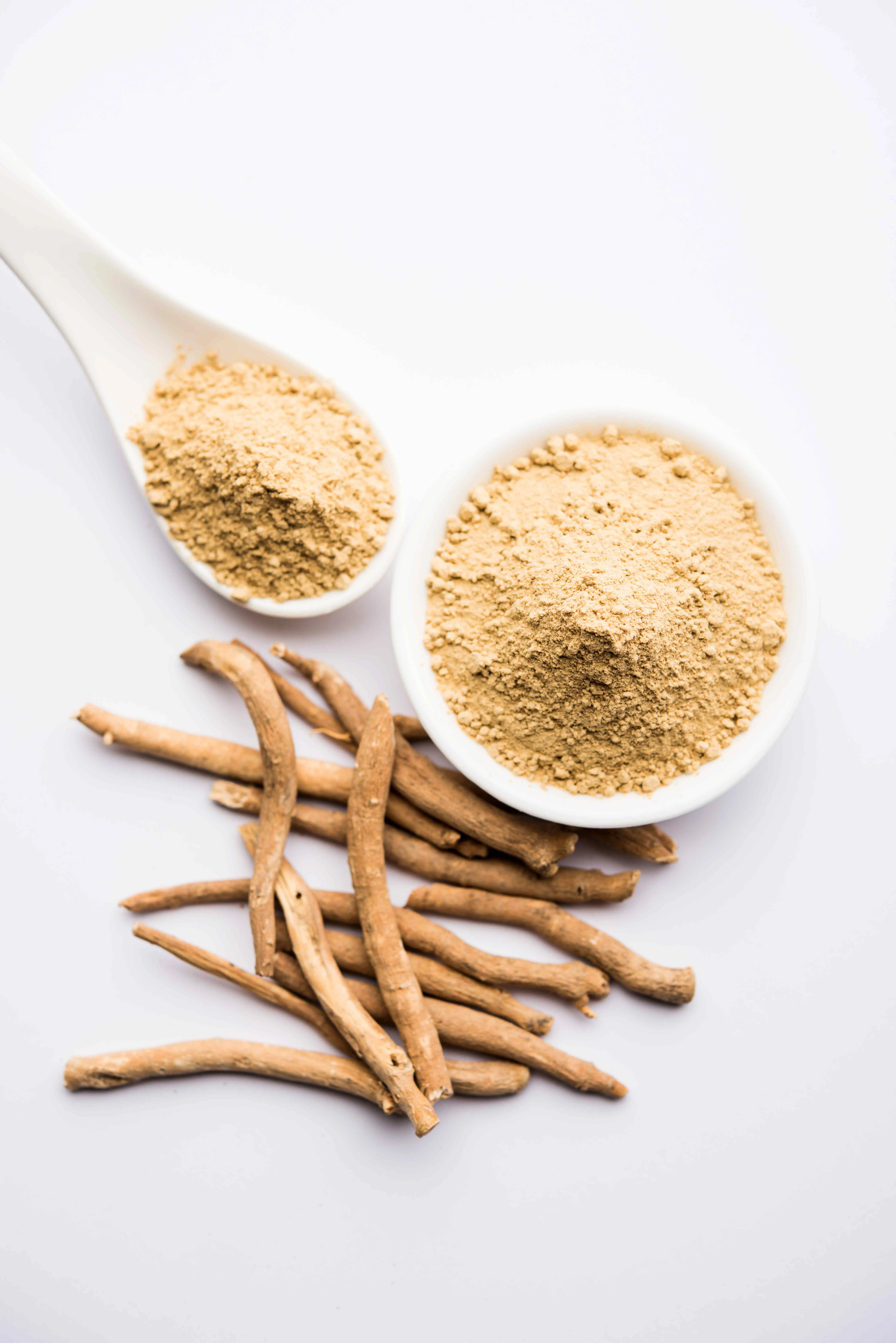
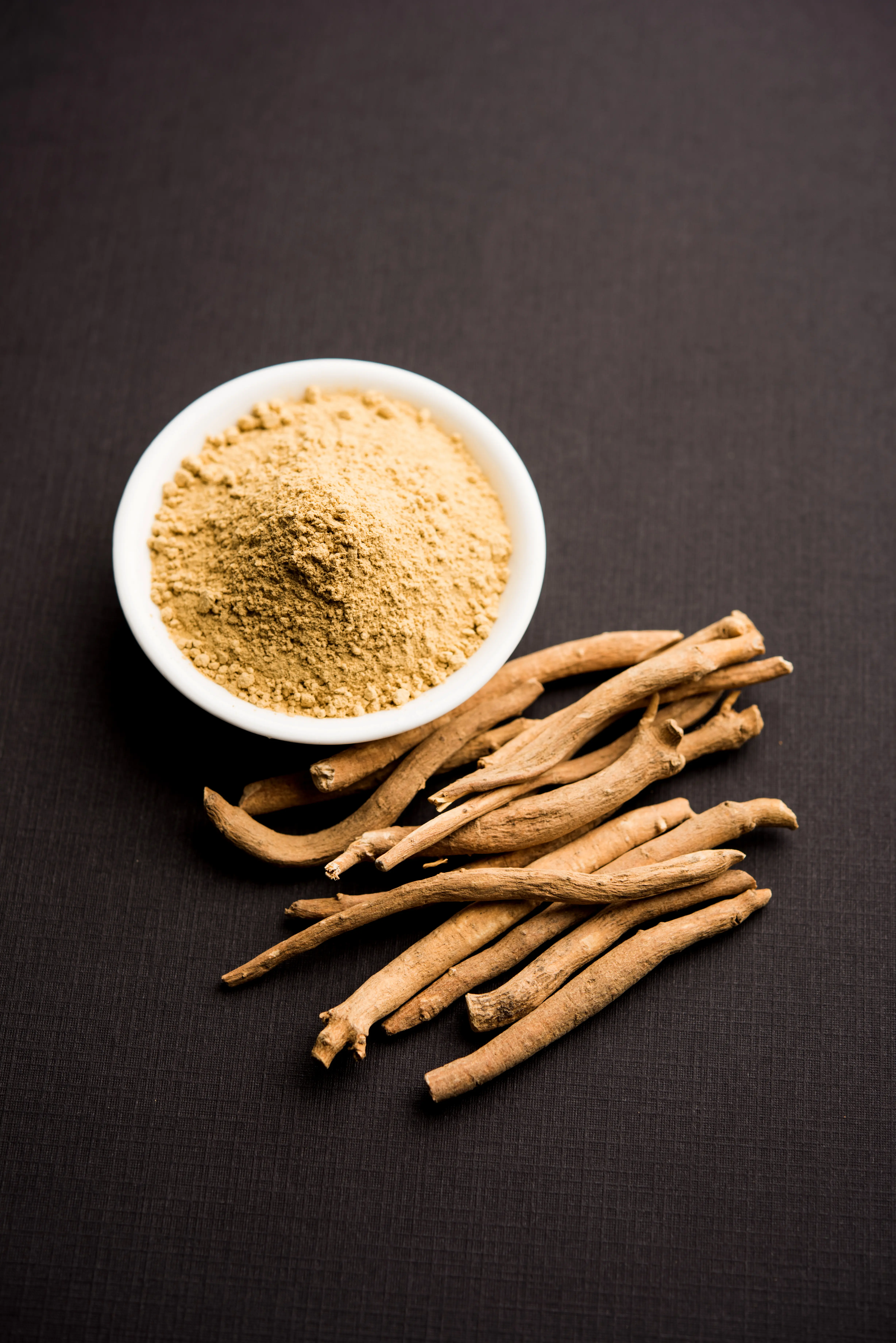
Powder is the most traditional form. It mixes well into warm drinks, smoothies, or foods and has an earthy, slightly bitter taste. Since powder is less concentrated, a higher amount is needed compared to extracts.
Advantages:
natural, traditional form
versatile integration into drinks and foods
often cheaper than extracts or capsules
Disadvantages:
earthy, acquired taste
less precise dosing
higher daily amounts required
Ashwagandha extract
Extracts have a significantly higher concentration of active ingredients, which means smaller milligram amounts are often sufficient. They are considered a modern and particularly effective form, as they are often standardized to a specific withanolide content.
high concentration and consistent active ingredient amount
small mg amounts are sufficient
standardized withanolides for precise dosage
Disadvantages:
usually the most expensive option
less “natural” than pure powder
more intense effect, sensitive individuals should start slowly
Ashwagandha capsules
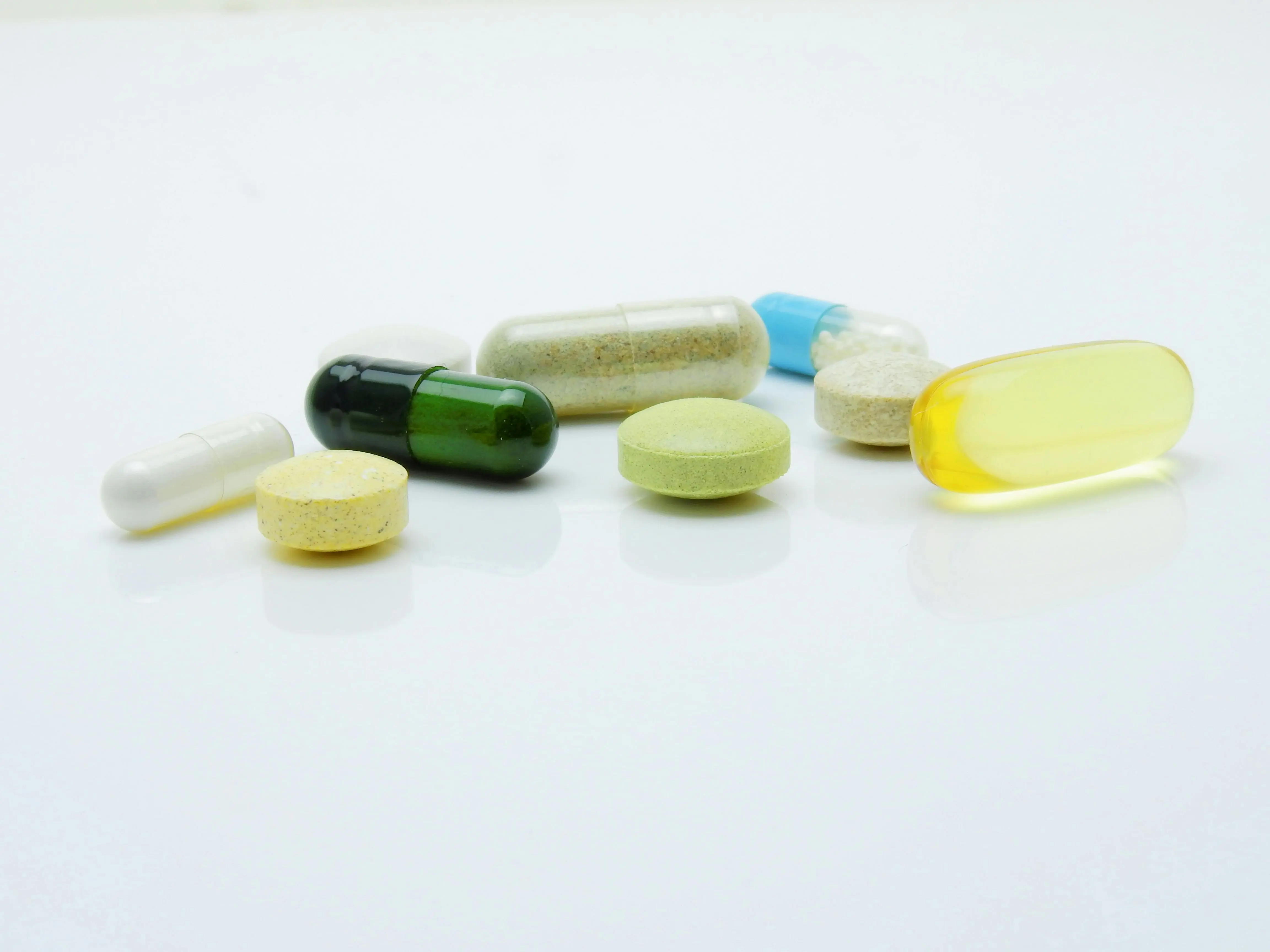
Capsules are the most practical and tasteless form. They can contain either powder or extract. Many products are standardized to ensure a consistent content of withanolides.
Advantages:
neutral in taste and easy to take
exact dosage possible
ideal for on the go and for a fixed daily routine
Disadvantages:
often more expensive than pure powder
quality depends heavily on the raw material and fillers used
less flexible in dosage than loose powder
Ashwagandha dosage: How many mg per day?
The appropriate dosage depends heavily on the form of administration and the specific product. Each form has a different concentration, so the recommended amounts vary significantly. Too little can be ineffective, too much increases the risk of unwanted effects.
Typical guidance ranges for adults with healthy organ functions are:
Extract: about 300–600 mg daily
Powder: usually 3–5 g daily
These figures are general guidelines. Products differ in quality, extraction methods, and active ingredient content, so the manufacturer's recommendations should always be carefully observed. Many people start with a lower dose and gradually increase to observe individual tolerance and effect.
Standard dosages at a glance (guidance values)
300–500 mg daily: often for beginners and general support in mild stress
500–600 mg daily: range used in many studies for targeted applications
up to about 600–1200 mg daily: higher dosages used in individual studies for greater stress or pronounced sleep problems; this should be clarified individually and ideally medically
Important: The withanolides are the main active ingredients of Ashwagandha. The higher the standardized withanolide content, the lower the total amount required can be.
Example dosage depending on the form of administration
Ashwagandha extract (standardized)
Depending on the standardization, the following guidelines often apply:
300–600 mg daily at about 5% withanolides
200–400 mg daily at about 10% withanolides
150–300 mg daily at about 15% withanolides
The exact amount should always be adjusted to the manufacturer's specifications and personal perception.
Ashwagandha powder (not standardized)
For non-standardized root powder, the following amounts are typically mentioned:
about 3–5 g daily (approximately 1–2 teaspoons)
natural withanolide content usually in the range of about 1–2% (guideline value, product-dependent)
How long does it take for Ashwagandha to work?
The effect of Ashwagandha does not usually occur immediately but develops gradually. Many users report initial changes after one to two weeks, with more noticeable effects often perceived after about four to six weeks.
Ashwagandha thus differs from substances that become active immediately. Its properties build up more gently and unfold especially when the preparation is taken consistently and regularly. Irregular intake may result in significantly weaker effects or none at all.
Ashwagandha intake: morning, evening, or both?
The right time to take it depends on your goals and individual response.
Intake in the evening: Many people prefer taking it in the evening when rest and relaxation are the focus. Taking it later in the day can help to "switch off" better after a demanding day and unwind.
Intake in the morning: Those who want to use Ashwagandha to support emotional balance and stability throughout the day often choose the morning. Taking it before the day begins can help face challenges more calmly.
Split dosage: Some users opt for a split intake – morning and evening – to achieve a more consistent availability throughout the day.
Which option fits best usually becomes clear after a few days to weeks. Pay attention to your body feelings, sleep quality, and daily form to find the ideal rhythm.
Read the package insert correctly
Ashwagandha products should always include a package insert or dosage recommendations. These notes are important because concentration, extraction methods, and the root-to-extract ratio can vary greatly.
Typical information includes:
recommended daily amount
Notes on the timing of intake
Extract ratio (e.g., 10:1, 15:1)
declared amount of withanolides
Safety instructions and contraindications
The extract ratio plays a central role: A 10:1 extract means that 1 g of extract is obtained from 10 g of root. As a result, a seemingly small mg amount can still possess high efficacy. The package insert helps you interpret the manufacturer's recommendation correctly and choose an appropriate amount.
Ashwagandha for beginners: gentle start
For people using Ashwagandha for the first time, the following steps have proven effective:
start with a low dose to test personal tolerance
choose capsules or standardized extracts if easy and precise handling is desired
take daily at the same time if possible to establish a stable routine
observe effects and well-being for at least four to six weeks
consider the specific manufacturer information carefully – especially for extracts
A gentle start makes it easier to find the right dosage and realistically assess the effects.
Example of a dosage buildup
Week 1–2: Acclimation phase
start with about 300 mg extract daily
carefully observe tolerance
preferably take with a meal
Week 3–4: Adjustment phase
if well tolerated, increase to about 500–600 mg daily possible
adjust timing (morning/evening) to goals and feeling
pay attention to changes in sleep, stress levels, and mood
from week 5: maintenance dose
stay at the dose perceived as comfortable
for many, this is between about 500 and 600 mg per day
if necessary, a slightly higher dose can be used temporarily in consultation with a doctor
safety, side effects, and contraindications
Like any effective natural product, Ashwagandha can also cause side effects, especially at higher doses or individual sensitivity. Possible reactions can include gastrointestinal complaints, fatigue, or headaches.
People with existing conditions – especially thyroid diseases, autoimmune diseases, or certain mental illnesses – should clarify the intake medically beforehand. The same applies to the simultaneous intake of medication to exclude possible interactions.
Children, pregnant and breastfeeding women should not take Ashwagandha as a precaution unless explicitly recommended by a doctor.
Anyone who wants to try Ashwagandha should pay attention to high-quality, ideally standardized extracts and, if in doubt, consult a doctor or alternative practitioner.
FAQ: The most common Ashwagandha questions
How much Ashwagandha per day is healthy? For beginners: 300 mg extract (5% Withanolides). Standard: 500-600 mg. For sleep problems up to 1200 mg – always clarify with a doctor.
Take Ashwagandha in the morning or evening?
In the evening for better sleep, in the morning for daily balance. Split dose (morning+evening) for constant effect over 24h.
When does Ashwagandha take effect?
Initial effects after 1-2 weeks, full effect after 4-6 weeks of consistent intake. Sleep improvement usually noticeable first.
How long can I take Ashwagandha?
6-12 weeks intake, then 1-2 weeks break. Long-term data limited – regular breaks recommended.