Few plant-based substances have received as much attention in recent years as Ashwagandha. The root, which has played a significant role in Ayurvedic tradition for centuries, is considered by many to be a natural companion for stress, sleep problems, and internal unrest. At the same time, scientific interest in its bioactive components, the so-called withanolides, which are said to be responsible for many of the described effects, is growing.
Studies suggest that the plant may have an impact on the stress hormone cortisol and thus moderately alleviate physical and mental stress reactions. Possible effects on sleep quality, hormonal processes, and cognitive resilience also contribute to its popularity.
But popularity does not replace facts. The decisive factor is which effects are scientifically verifiable, how different extracts work, and which dosages seem sensible. Equally relevant are possible risks, interactions, and quality differences – because not every product delivers what it promises.
What is Ashwagandha?
In Sanskrit, it is called Ashwagandha, its scientific name is Withania somnifera, and in German, it is also known as sleeping berry, winter cherry, and Indian ginseng.
The plant belongs to the nightshade family and mainly grows in the dry regions of India, North Africa, and the Middle East. In Ayurvedic tradition, it has been used for over 3,000 years as a Rasayana – a substance that is supposed to promote longevity, increase vitality, and improve general well-being.
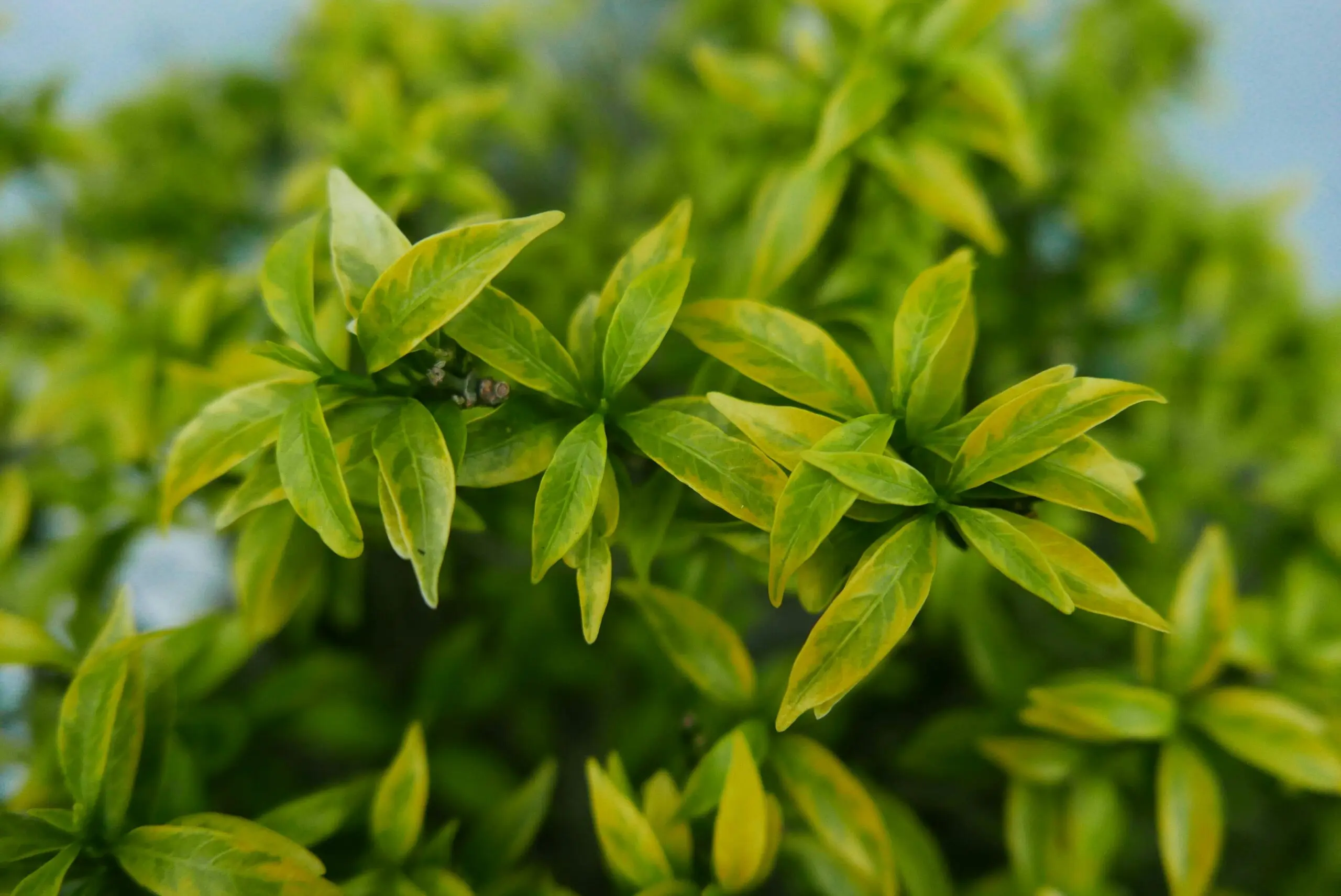
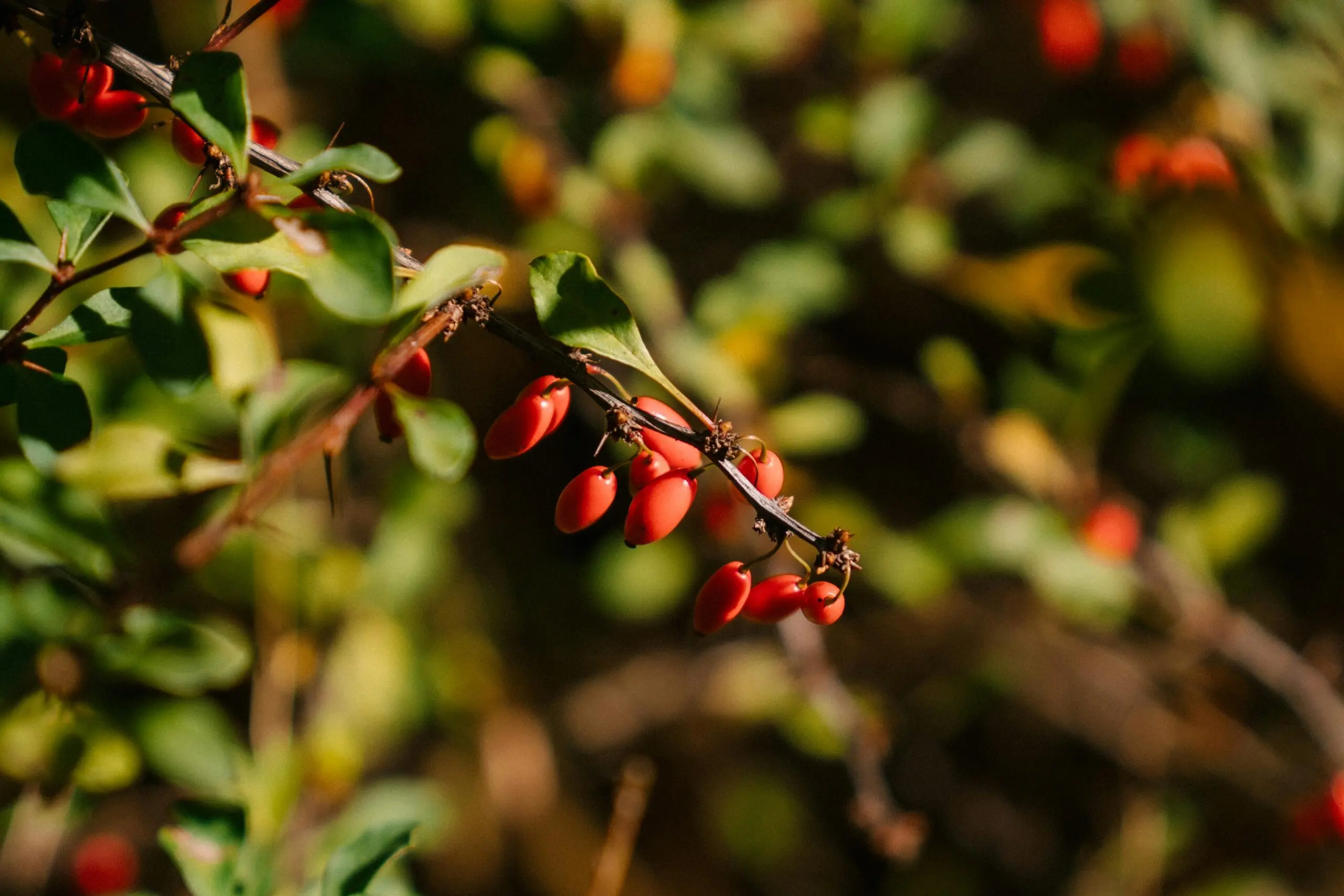
Botanically, it is a small shrub with oval leaves and yellow flowers that bears red berries. Medically, primarily the roots are used, sometimes also the leaves.
Modern science regards the plant as a source of bioactive compounds that could influence various physiological processes. These include withanolides, alkaloids, saponins, and withaferin A, which occur in different combinations and vary greatly depending on the extract.
Parallel to its traditional use, a significant market for dietary supplements has emerged in recent years, where Ashwagandha is available in the form of capsules, powders, or liquid extracts. This variety makes quality characteristics particularly important, as ingredient amounts and purity can differ significantly depending on the product.
Proven effects of Ashwagandha
Stress reduction and cortisol lowering:
The stress-reducing effect of Ashwagandha is one of its best-documented properties. Several clinical studies show that regular intake can significantly lower cortisol levels. Cortisol, often referred to as the "stress hormone," is released by the adrenal glands in response to stress. Chronically elevated cortisol levels can lead to numerous health problems, including weight gain, sleep disturbances, and a weakened immune system.
Research suggests that Ashwagandha modulates the hypothalamic-pituitary-adrenal axis, the body's central stress response system. This results in a more balanced stress response and lower cortisol levels in the blood. Study participants frequently report an improved sense of calm and increased stress resilience.
Improvement of sleep quality:
Ashwagandha has proven effective in improving sleep quality, especially in people with sleep disorders or stress-related sleep problems. The calming properties of the herb promote falling asleep and support deeper, more restful sleep. Studies show improvements in both the time to fall asleep and the overall sleep duration and efficiency. People with insomnia seem to benefit particularly.
Anxiety and depression symptoms:
The anxiolytic (anxiety-reducing) properties of Ashwagandha are explained by various mechanisms of action. The plant influences several neurotransmitter systems, including serotonin and GABA, which are central to mood regulation. Clinical studies report significant improvements in anxiety symptoms, measured by standardized scales such as the Hamilton Anxiety Rating Scale.
Studies also show positive effects on mild to moderate depressive symptoms.
Libido and sexual function:
Traditionally, the winter cherry is used as an aphrodisiac, and modern research confirms positive effects on sexual function. In men, improvements in sperm quality, motility, and concentration have been demonstrated. Testosterone levels may also increase slightly, especially in men with initially low values.
Cognitive functions and memory:
Ashwagandha appears to have neuroprotective properties and can improve cognitive functions. Studies report improvements in attention, information processing speed, and memory performance.
Ashwagandha: Forms of intake as powder, extract, capsule, and tincture
Powder:
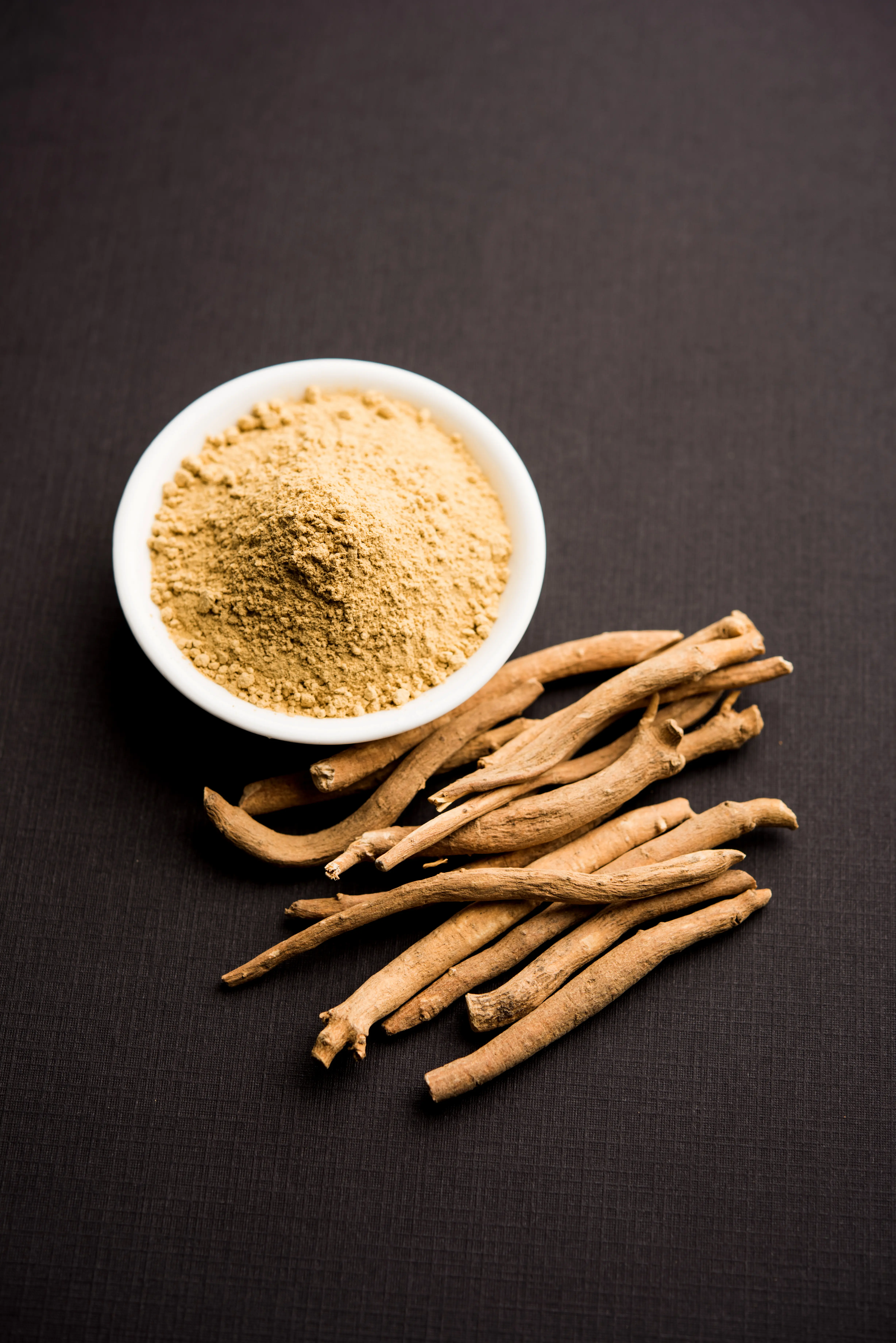
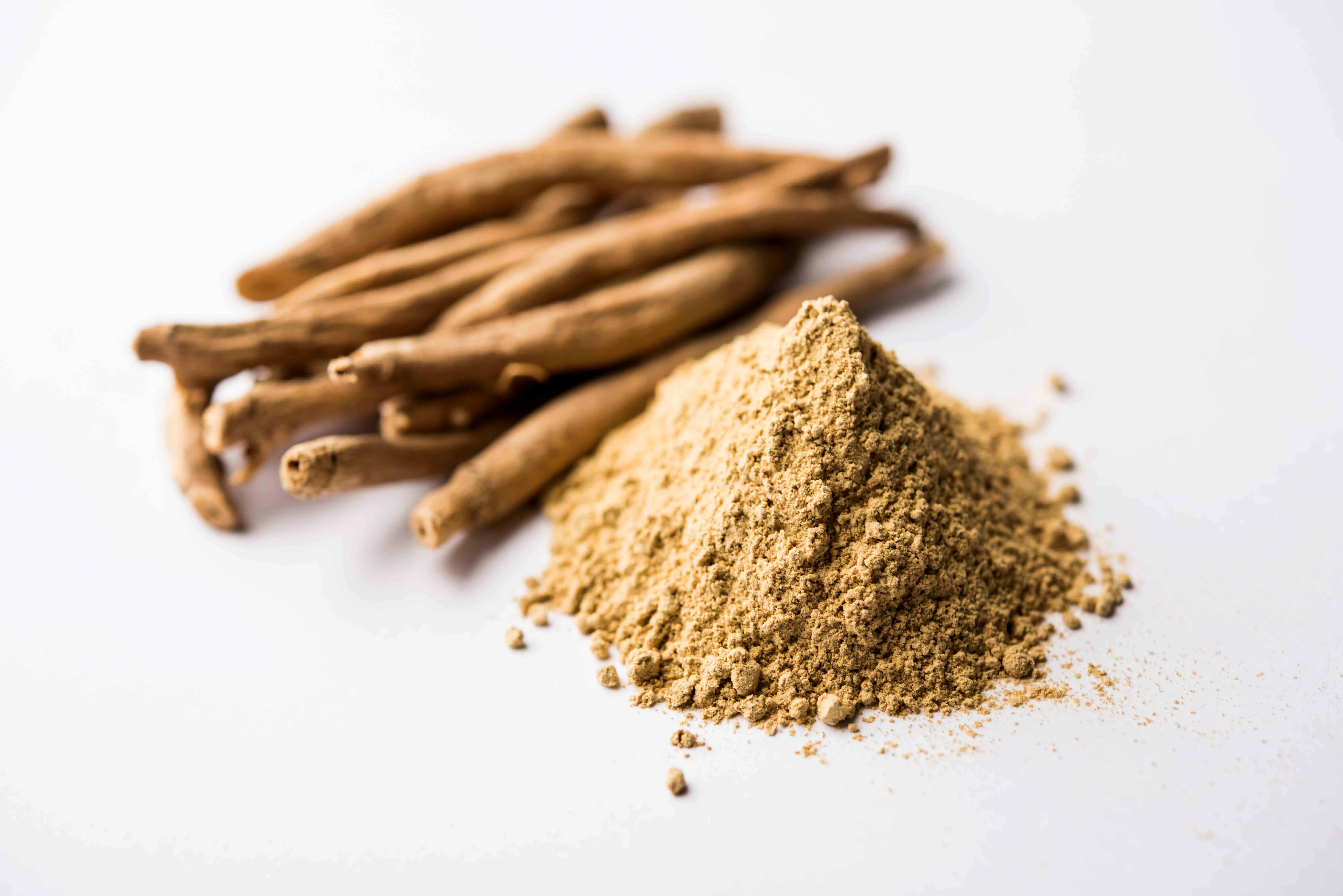
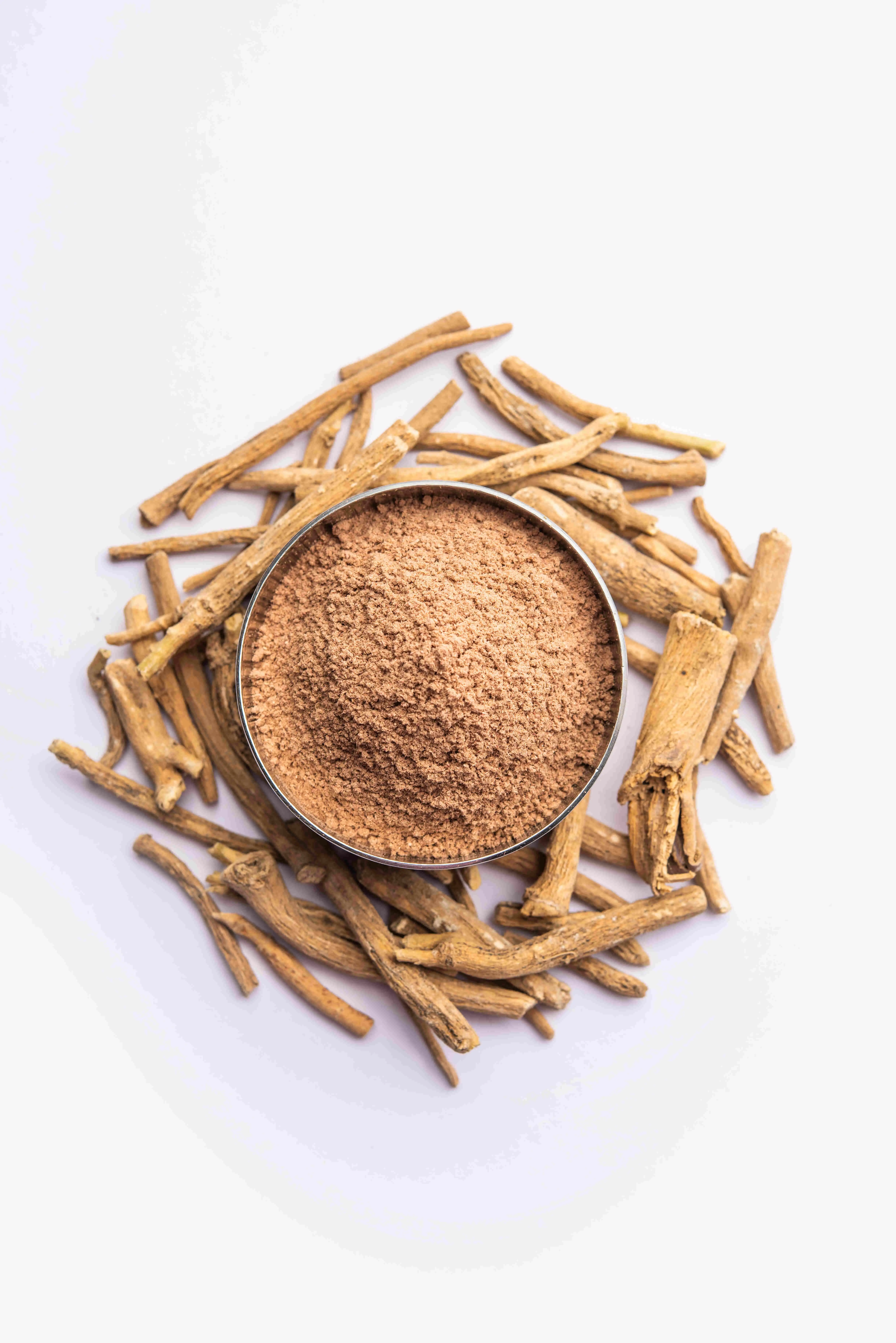
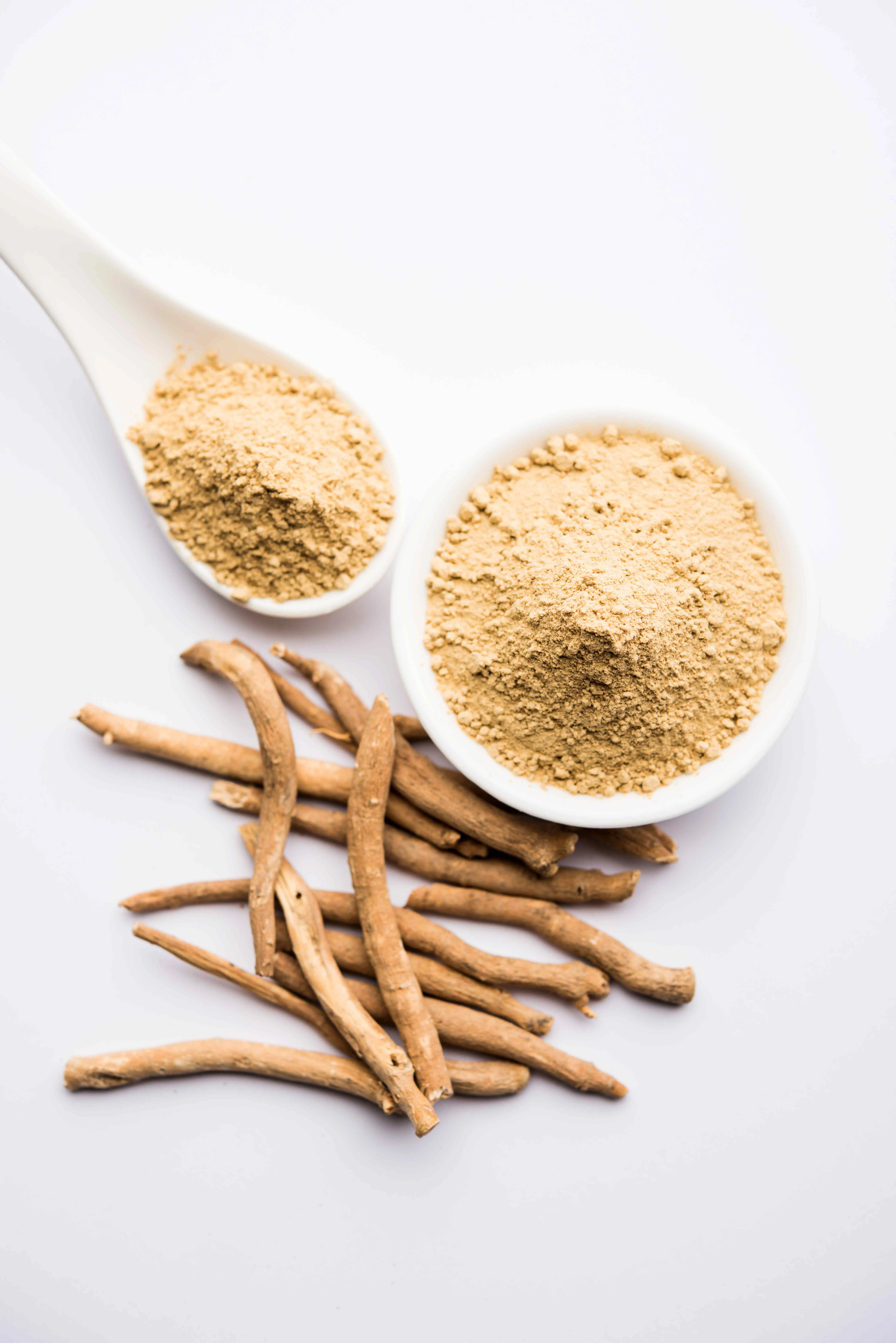
The traditional root powder is made by drying and grinding the Ashwagandha root. This form is the most original and has been used in Ayurvedic medicine for centuries. The powder has a characteristically bitter, earthy taste, which is not to everyone's liking.
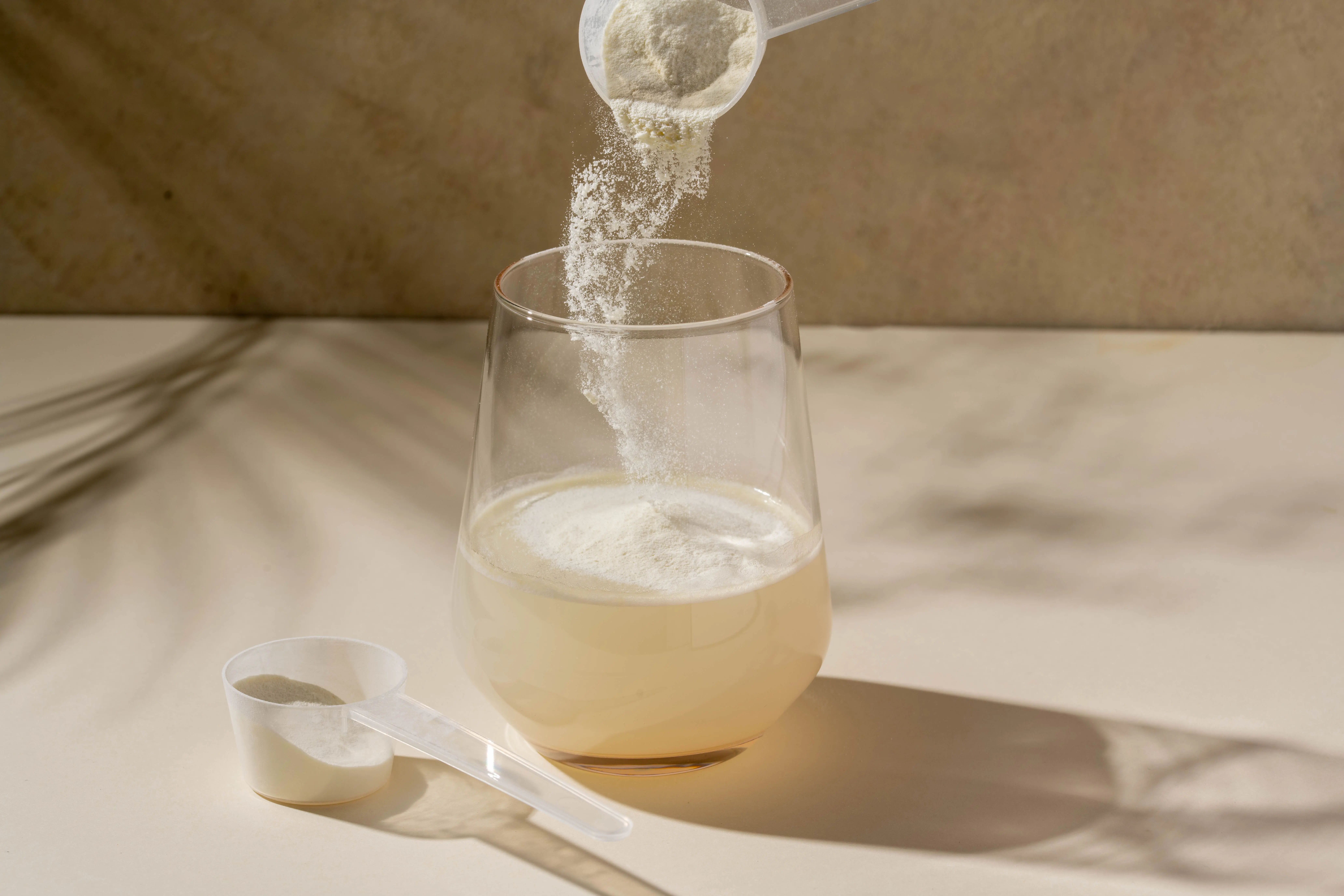
The benefits of the powder are the complete preservation of all plant components and flexibility in dosing. It can be stirred into warm milk, smoothies, or water. The typical dosage is between 3 and 6 grams daily. A disadvantage is the more difficult standardization of the active ingredient concentration, as the withanolide contents can vary depending on origin and processing.
Standardized extracts:
Modern extracts are made to contain a defined amount of withanolides, usually between 1.5 and 10 percent. This standardization allows for more precise dosing and more consistent effects. The two most commonly used extracts in studies are KSM-66 and Sensoril, each with different extraction methods and active ingredient profiles.
KSM-66 is a full-spectrum extract derived only from the root and typically contains 5% withanolides. Sensoril is made from roots and leaves and has a higher withanolide content. Both have extensive clinical studies behind them.
Capsules:
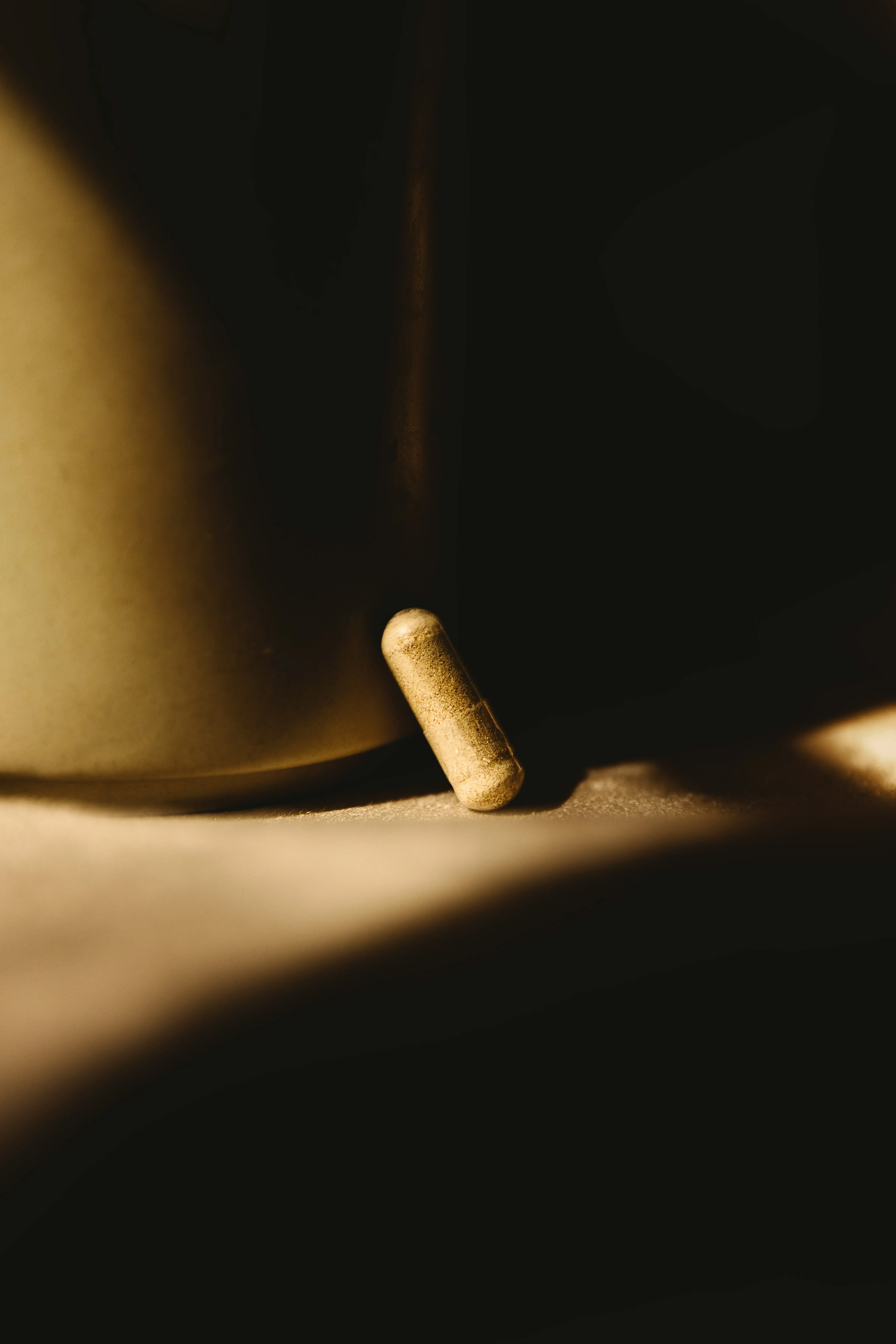
Capsules are the most convenient form for modern daily use. They contain either pure powder or standardized extracts and offer easy, tasteless consumption. The dosage is pre-portioned, which simplifies usage.
When purchasing, attention should be paid to the quality of the capsule shells – vegetarian or vegan options are available. It is also important that there are no unnecessary fillers or additives.
Liquid extracts and tinctures:
Liquid preparations offer fast absorption and flexible dosing. They can be taken directly or mixed into drinks. Bioavailability may be improved compared to powders, but many tinctures contain alcohol as a solvent.
Dosage and timing of Ashwagandha intake
The scientifically studied dosage of Ashwagandha varies depending on the preparation and purpose of use. For standardized extracts with 5% withanolides (such as KSM-66), the typical dosage ranges from 300 to 600 mg daily, often divided into two doses. With higher concentrated extracts, correspondingly lower doses may be sufficient.
For traditional root powder, 3 to 6 grams daily are often recommended, which corresponds to a higher total amount but a lower concentrated active ingredient content. In therapeutic applications under medical supervision, higher dosages may also be used.
It is advisable to start with a lower dose and gradually increase it to test individual tolerance. The full effect often unfolds only after several weeks of regular intake.
The optimal time to take it depends on the desired effect. For stress-reducing and calming effects, taking it in the evening is often recommended, ideally 1-2 hours before bedtime. This can improve sleep quality and support nighttime recovery.
For energizing effects and to support physical performance, some people prefer taking it in the morning. With twice-daily dosing, splitting between morning and evening is common.
Taking it with a meal, especially one containing fats, can improve absorption since withanolides are fat-soluble. In Ayurvedic tradition, Ashwagandha is often taken with warm milk and honey.
Ashwagandha can be taken both short-term and over longer periods. Most clinical studies examine periods of 8 to 12 weeks.
Ashwagandha side effects and risks
Ashwagandha is generally well tolerated, but it can cause side effects in some individuals. The most common include gastrointestinal issues such as mild nausea, diarrhea, or upset stomach, especially at higher doses or when taken on an empty stomach.
Some users report drowsiness or dizziness, particularly at the start of use. This is usually a sign of the calming effect and can be mitigated by adjusting the dosage or timing of intake.
In rare cases, headaches, mild skin rashes, or allergic reactions have been observed. If such symptoms occur, intake should be paused and medical advice may be sought.
Pregnant and breastfeeding women should avoid Ashwagandha, as it is known in traditional medicine as an abortifacient and may induce labor. The safety during pregnancy and breastfeeding has not been sufficiently studied.
People with autoimmune diseases such as Hashimoto's thyroiditis, rheumatoid arthritis, or lupus should be cautious, as the active ingredient can stimulate the immune system, which might be problematic in some cases. It is essential to consult with the treating physician here.
Caution is advised in cases of hyperthyroidism (overactive thyroid), as Ashwagandha can increase thyroid hormone production. Again, medical supervision is important.
In very rare cases, liver damage has been reported in connection with Ashwagandha intake. Although a causal connection is not always clearly demonstrable, people with pre-existing liver diseases should be cautious and have their liver values monitored.
Signs of liver damage can include jaundice, dark urine, light-colored stools, fatigue, or pain in the upper right abdomen. If such symptoms occur, intake should be stopped immediately and medical help should be sought.
In view of the currently available findings, the Federal Institute for Risk Assessment (BfR) recommends that children, pregnant and breastfeeding women, as well as people with existing or previous liver disease, should not take Ashwagandha preparations.
The state of research on Ashwagandha – what is confirmed and what is not?
The stress-reducing effect of Ashwagandha is well documented by several randomized, placebo-controlled studies. A systematic review and meta-analysis from 2021 summarized the results of five clinical studies and confirmed significant reductions in stress levels and cortisol levels.
The anxiolytic effects are also well-studied. Several studies with the standardized KSM-66 extract showed significant improvements in anxiety symptoms compared to placebo. The effect sizes were sometimes comparable to those of mild anxiolytic medications.
The improvement in sleep quality has been demonstrated in several clinical studies, both in healthy subjects and in people with insomnia. The effects seem particularly pronounced in people with stress-related sleep problems.
There is solid evidence from several studies for improving male fertility and sexual function, documenting improvements in sperm parameters and testosterone levels.
The effect on cognitive functions and memory is promising, but the study situation is not as extensive as with stress effects. Existing studies show positive trends, but larger long-term studies would be desirable.
The effects on physical performance, muscle strength, and mass have been investigated in some studies with positive results, especially when combined with strength training. However, the mechanisms and optimal dosage for athletic purposes require further research.
The potential cardioprotective effects, including improvements in cholesterol levels and blood pressure, are interesting but have so far mainly been studied in animal models and smaller human studies.
The effect in hypothyroidism is controversial. While some studies show an increase in thyroid hormones, the data is not yet sufficient for clear recommendations. Thyroid patients should only supplement under medical supervision.
The effects on blood sugar levels and in diabetes are promising in preclinical studies, but human data is still limited. The same applies to potential anticarcinogenic properties – interesting laboratory results, but no clinical studies in humans.
The optimal dosage and duration of use for various indications have not yet been fully clarified, and there is variability between different extracts and preparations.
Interactions of Ashwagandha with other medications
Thyroid medications: Ashwagandha may affect thyroid hormone production, leading to interactions with thyroid medications like levothyroxine. Dose adjustments may be necessary when taken together. Regular monitoring of thyroid levels is important.
Sedatives and hypnotics: As the plant has sedative properties itself, combining it with benzodiazepines, sleep aids, or other sedatives can lead to increased sedation. This also applies to medications like lorazepam, diazepam, or zolpidem. Medical supervision is necessary when combining.
Antidepressants: Theoretically, Ashwagandha could enhance the effects of antidepressants, as it has similar mechanisms of action on neurotransmitters. The combination with SSRIs (Selective Serotonin Reuptake Inhibitors) or other antidepressants should be discussed with the treating physician.
Immunosuppressants: Since Ashwagandha can have immune-stimulating properties, it could interfere with the effectiveness of immunosuppressive medications such as corticosteroids or medications post-organ transplant. Patients taking such medications should definitely consult with their doctor.
Blood pressure medications: Ashwagandha can lower blood pressure, which could lead to an excessive drop in blood pressure when taken alongside antihypertensives. Monitoring blood pressure levels is advisable.
Use in various target groups
Women
The active ingredient can be beneficial for women in different life stages. In premenstrual syndrome (PMS), the stress-reducing and mood-balancing properties can alleviate symptoms such as irritability, tension, and mood swings.
During menopause, the adaptogenic properties can help manage hormonal changes and associated symptoms such as sleep disturbances, mood swings, and decreased libido. Some studies show improvements in sexual function in women, including increased arousal and satisfaction.
In polycystic ovary syndrome (PCOS), there is initial evidence that the active ingredient may have a positive effect through stress reduction and improvement of hormonal balance, but the evidence is still limited.
It is important to note that pregnant and breastfeeding women should not take Ashwagandha.
Men
In men, Ashwagandha is particularly known for its effects on testosterone, fertility, and muscle building. Studies show that regular intake can improve sperm quality, including concentration, motility, and morphology.
Moderate increases in testosterone levels have been observed, especially in men with initially low values or with combined strength training. This can positively affect libido, energy, and body composition.
For men engaged in strength sports, studies show improvements in muscle strength, muscle mass, and recovery time after training. The mechanisms likely include hormonal effects, improved protein synthesis, and reduced inflammation.
Athletes and sportspeople
Ashwagandha is gaining increasing importance in sports nutrition. The main benefits for athletes include improved endurance, strength, and recovery. A study with cyclists showed increased VO₂max values (maximum oxygen uptake) after eight weeks of supplementation.
In strength athletes, increases in muscle mass and strength were observed compared to placebo groups. The reduction of training-induced stress and muscle damage can contribute to faster recovery.
Stress reduction is also relevant for athletes, as chronic stress can impair performance and recovery. Lower cortisol levels can lead to better muscle protein synthesis and less muscle breakdown.
It is important that the active ingredient is not on the WADA (World Anti-Doping Agency) doping list and is therefore legal for competitive athletes.
Older people
For older people, the winter cherry may offer several potential benefits. Its neuroprotective properties could contribute to the maintenance of cognitive functions. Studies show improvements in memory, attention, and information processing speed.
The anti-inflammatory and antioxidant properties could generally contribute to maintaining health in old age. Supporting sleep quality and stress resilience is particularly valuable, as both are often impaired in old age.
Improving muscle strength and physical function can help maintain mobility and independence. However, older people who often take multiple medications should pay special attention to possible interactions and discuss taking it with their doctor.
Ashwagandha species and quality characteristics
KSM-66 is one of the most researched Ashwagandha extracts. It is obtained through a special extraction process that uses only the root and delivers a full-spectrum extract with at least 5% withanolides. The special aspect of KSM-66 is that it is produced without the use of alcohol or chemical solvents.
Sensoril is another prominent extract, derived from both roots and leaves. It has a higher withanolide content (up to 10%) and also contains withaferin A in higher concentrations. Sensoril is often praised for its calming properties.
Shoden is a newer extract with a very high withanolide concentration (up to 35%), allowing for lower dosages. Clinical research on this extract is still being developed.
Several quality factors should be considered when purchasing Ashwagandha products:
Standardization: Products should indicate a defined content of withanolides, typically between 1.5% and 10%. This ensures consistency and allows for reliable dosing.
Organically grown Ashwagandha reduces the risk of contamination with pesticides. Certifications such as EU-Bio or USDA Organic are good indicators.
Independent seals of approval, such as those from NSF International, USP (United States Pharmacopeia), or German institutes like TÜV, show that the product has been tested for purity and active ingredient content.
Origin: The origin of the plant is relevant for quality. India is the traditional cultivation area with long experience. Information about cultivation and processing is a sign of transparency.
Additives: High-quality products contain minimal additives. Unnecessary fillers, colorings, or flavors should be avoided.
The Ashwagandha market is unregulated, which leaves room for inferior products. Warning signs are unrealistically low prices, no information on withanolide content, no information about origin or production, and lack of certifications.
Products should ideally be tested for heavy metals and microbial contaminants, which should be documented in certificates. In the past, some Ayurvedic products have been found to be contaminated with lead or other heavy metals.
Frequently Asked Questions about Ashwagandha
How quickly does Ashwagandha work?
The effect of the plant unfolds gradually. Some people report subtle effects like improved sleep after just a few days, but the full adaptogenic effects typically develop over 2-4 weeks of regular intake. For significant changes in stress, anxiety, or physical performance, a minimum of 8 weeks should be planned.
Can Ashwagandha be addictive?
No, Ashwagandha does not have addiction potential. It's not a stimulant or intoxicating substance. The effects are based on supporting natural physiological processes, not artificial stimulation. Abrupt discontinuation does not lead to withdrawal symptoms.
Can I take Ashwagandha long-term?
Long-term use over several months appears safe in most studies. Traditionally, Ashwagandha is used in Ayurvedic medicine over long periods.
Does Ashwagandha help with weight loss?
Indirectly, Ashwagandha can support weight management, mainly through stress reduction. Chronic stress and increased cortisol promote belly fat storage and emotional eating. By lowering stress levels, Ashwagandha can reduce these factors. Improving sleep quality also contributes to better metabolism, as poor sleep is associated with weight gain.
Is Ashwagandha suitable for vegans and vegetarians?
Yes, it is a purely herbal substance and basically suitable for vegans and vegetarians. However, for capsules, the type of capsule shell should be considered - many manufacturers use gelatin capsules of animal origin. But there are numerous products with plant-based capsules.
Can Ashwagandha affect the thyroid?
Yes, several studies show that the active ingredient can increase the production of thyroid hormones (T3 and T4), which could potentially be beneficial for hypothyroidism. However, in the case of hyperthyroidism or Hashimoto's thyroiditis, Ashwagandha should only be taken under medical supervision.
People with thyroid disorders or those taking thyroid medications should have their thyroid levels checked regularly, as dose adjustments of the medications may be necessary.
Does Ashwagandha work the same for everyone?
No, individual responses can vary significantly. Factors such as genetic differences, underlying health, stress levels, lifestyle, and concurrent use of other substances influence the effect.
Some people are "non-responders" and feel little to no effects, while others benefit greatly. The optimal dosage is also individually different. It is worth trying different dosages and times of intake to find the best personal option.
Can Ashwagandha be combined with caffeine?
Yes, combining Ashwagandha with caffeine is generally possible and practiced by many people. Interestingly, the active ingredient can mitigate the negative effects of caffeine such as nervousness and tension while retaining the stimulating properties. This can lead to a more balanced energy level. Some people take Ashwagandha in the morning with their coffee, while others prefer a time separation.
Can Ashwagandha cause acne?
In rare cases, skin changes or acne have been reported after starting Ashwagandha supplementation, but a causal relationship is not clearly established. Theoretically, hormonal changes, especially in men with rising testosterone levels, could promote skin problems. However, in most people, the active ingredient has rather positive effects on the skin through stress reduction and anti-inflammatory properties.