© Marek Piwnicki
November 2, 2024
Margit Hiebl
LSD, ketamine, psilocybin, or MDMA are used, among other things, for severe depression and have surprisingly positive effects. Prof. Dr. Andreas Menke explains why.

An interview with
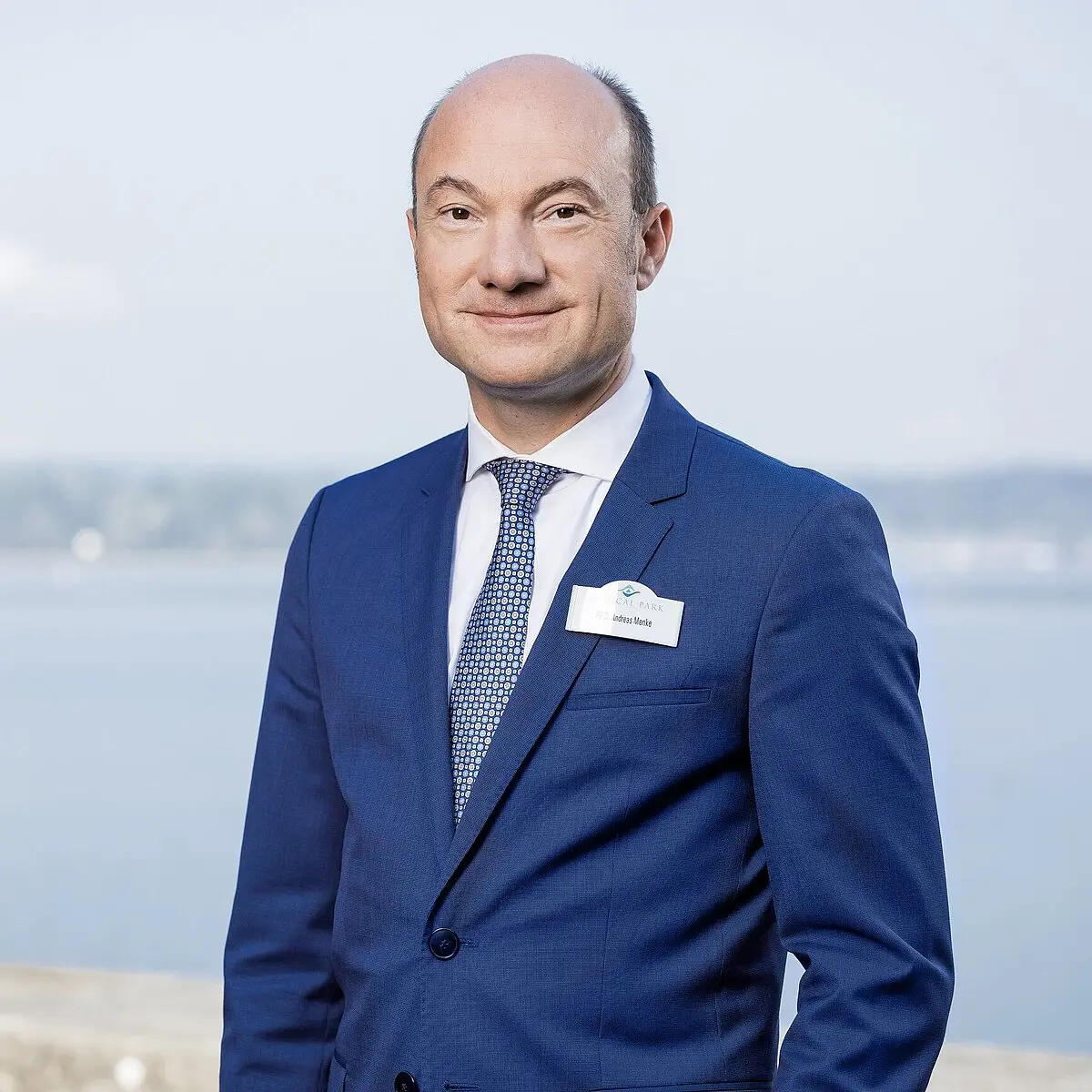
Prof. Dr. med. Andreas Menke
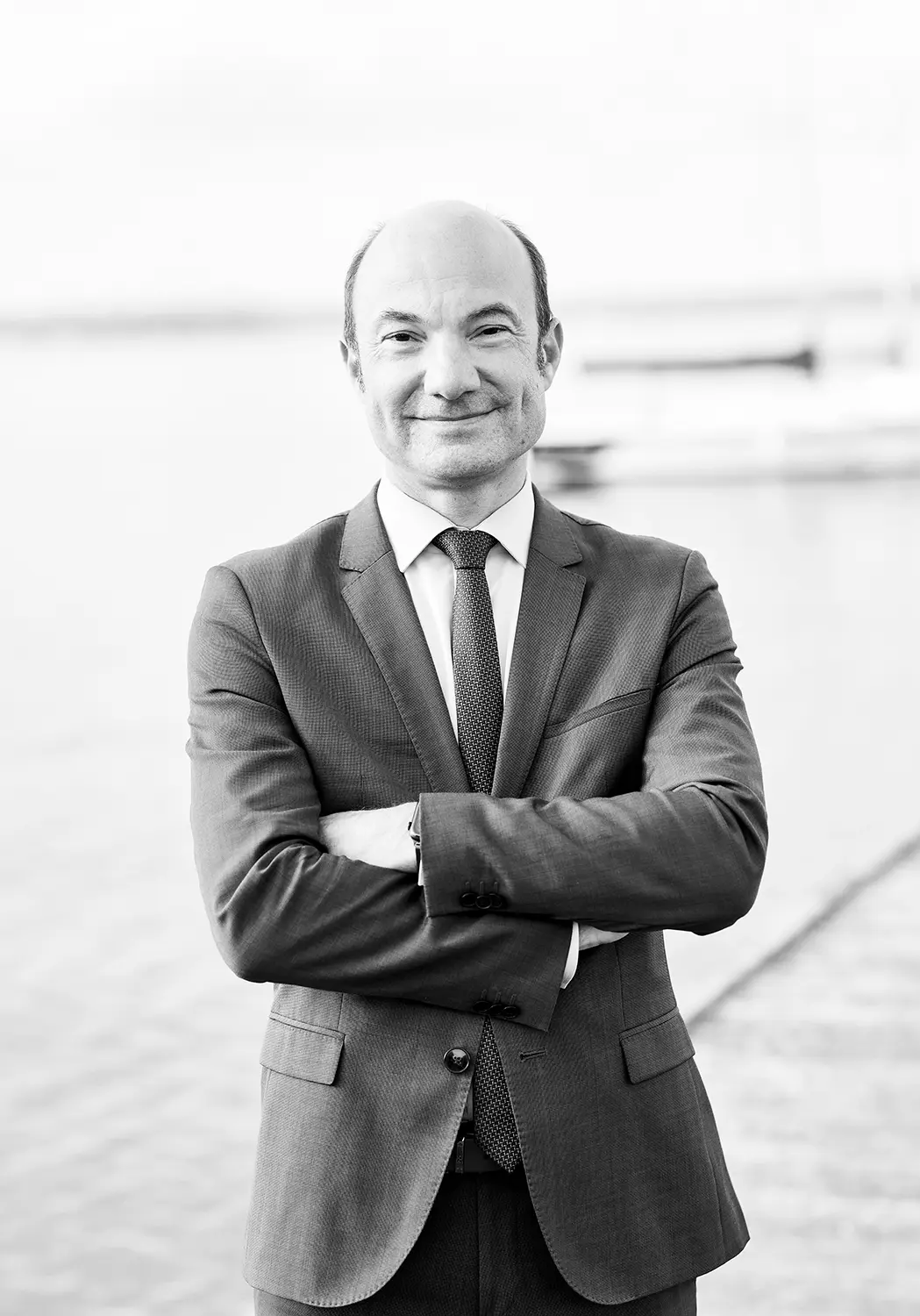
Turning point in the treatment of depression? Psychedelics are experiencing a revival. What most know in connection with hippie culture could be a game changer in the treatment of depression . PQ author Margit Hiebl talked about possibilities and risks with Prof. Dr. Andreas Menke . He is a specialist in psychiatry and psychotherapy and the medical director of Medical Park Chiemseeblick, a specialized clinic for psychosomatic medicine and psychotherapy.
What is depression?
Depression is a mental illness characterized by a depressed mood, reduced drive, and reduced interest. This illness can be particularly severe because it significantly affects all areas of life. Personally, because one withdraws, has little contact with friends and family. It also becomes difficult to work—depression lays like a dark carpet over everything.
What are the first signs?
It often begins with concentration and memory difficulties or sleep disturbances. Appetite can also change, decrease or increase. Restlessness and tension may also occur. Feelings of guilt appear. The most severe form can lead to suicidal thoughts, with someone developing the thought or even taking first steps to end their life.
Everyone has a low point at times... is that already depression?
In general, there is a distinction between having a bad day and depression—even if in common language people say "I'm depressed today." By definition, the depressed mood and reduced drive must persist for at least two weeks, with a certain number and severity of symptoms, otherwise, I should not diagnose it. If someone is sad and there's a reason for it, that's not yet depression.
How do you get depression?
On one hand, there is a genetic predisposition of about 40 percent. However, there is not one depression gene; it is like a mosaic, and each piece has a small effect when taken alone. 60 percent are caused by environmental factors.
Leading the way is chronic, toxic stress: For example, at work, when you feel like you're on a hamster wheel. But also constant partnership conflict, lack of sleep, financial problems, fear of job loss. All of this can lead to depression.
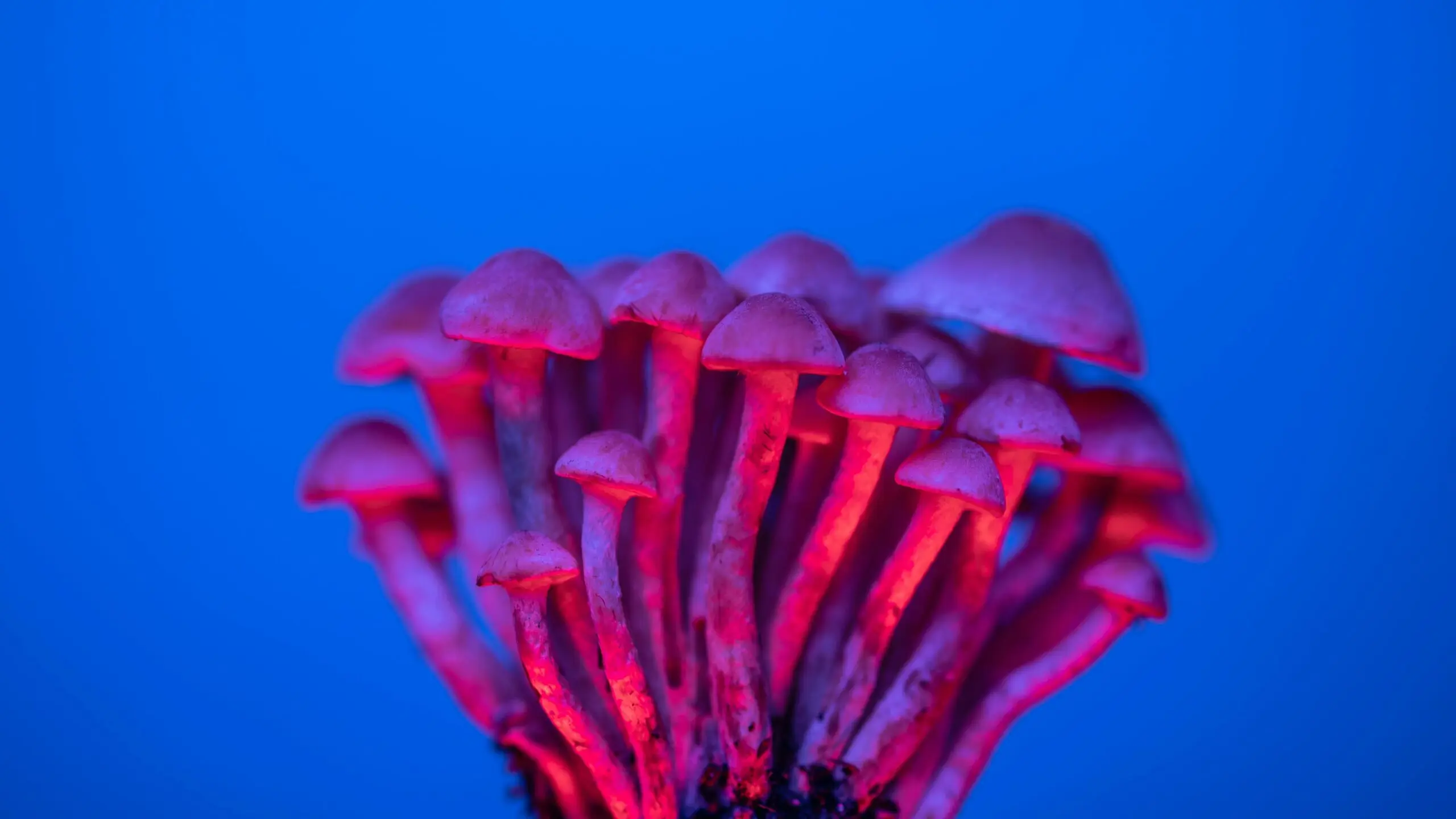
Recently, one often hears about psychoactive substances or psychedelics like psilocybin, which promise a new approach in treatment.
One must distinguish here. Our conventional medications like antidepressants and antipsychotics also have psychoactive effects.However, classic psychedelics are not approved for treatment unless within a study design. For psilocybin, there are now good studies that demonstrate very good efficacy. And very quickly – after just one dose, the depression can be gone.

Prof. Dr. Andreas Menke, specialist in psychiatry and psychotherapy and medical director of the Medical Park Chiemseeblick The new book by Prof. Dr. Andreas Menke: Depression – Knowing What Helps: Latest Findings and Effective Treatments to Overcome the Illness | A Scientifically Based Guide for Those Affected and Their Relatives, Piper Verlag
That already sounds very promising...
Yes, it is assumed that such encrusted structures in the brain, which have solidified over a long time, are broken up so that new experiences are possible again, almost like a child, allowing one to learn new things again. This is also why the combination with psychotherapy makes sense, as it creates a basis for new experiences.
And the risks?
They really have psychoactive effects, which means they can trigger not only dissociative but even psychotic symptoms that can be very distressing, such as hallucinations, paranoia, or similar. This can last up to two hours. Outside of a therapeutic framework, I would not recommend it for that reason. Within a setting, it then lasts over six to eight hours. LSD works similarly, only with a longer half-life.
If the study results are so convincing, it could soon be approved.
It is assumed that it will be approved by the FDA in the next few years, and then the EMA in Europe would soon follow suit.
Would you use it in your clinic?
If it is approved, I will also use it in our clinic. The setting here is ideal because we can combine psychiatric expertise with good psychotherapy options. It is essentially a turning point because the substances work immediately. Nothing has really changed in the development of antidepressants since the 1950s – although tolerability has improved, effectiveness has not. They take six weeks to have an effect.
What about ketamine?
Ketamine is not quite a real psychedelic yet – but it works a little like one. This substance is also considered a rapid-acting antidepressant and is used in university hospital studies as an infusion for the treatment of depression. It has been known in emergency medicine and anesthesia for a long time.
Some time ago, it made headlines for the wrong reasons when actor Matthew Perry died from it.
The danger lies in misuse. It is an anesthetic and is otherwise used for anesthesia. With incorrect, too high a dosage, there is a risk of falling asleep and not waking up because it eventually blocks the respiratory center.
But there is a further development...
Yes, esketamine – a nasal spray. The clear advantage is the form of application; you no longer need an infusion. The dosage is also adjusted. It is already approved but only for treatment-resistant depression or in a suicidal crisis. According to guidelines, at least two antidepressants must have been tried without success. Esketamine can work after one or two doses but is usually applied over four to eight weeks.
What state are you in when you have taken this?
You become tired but do not sleep. It might also lead to dissociations, but not as often as with psychedelics.
And afterwards, would you also happily leave the clinic?
At first, maybe yes. Antidepressants and psychedelics work, but they do not lead to a change in behavior. That means, anyone who has problems interacting with other people, partners, and in professional life, or difficulties with values or schemas from childhood and adolescence that cause one to stumble repeatedly in adulthood, will not have those changed by medication.
Only the depression is treated. If you stop the medication, there is a risk that these stresses will trigger depression again. However, if a behavioral change takes place, for example through psychotherapy, the chance of not suffering from it again is significantly higher.
But psychotherapy alone is not enough?
Some are so ill that they need to be brought to a certain level in terms of concentration, memory, or drive with antidepressants to benefit from psychotherapy. Because it only works if you can actively participate.
Last but not least: One more word on cannabis and depression?
Cannabis is not a medication for the treatment of depression or for the improvement of any psychological symptoms. This is also clearly proven in studies. It rather has the disadvantage that it can lead to brain damage, especially in people under 25 years of age.
It can even trigger depression, as well as psychoses or schizophrenia. Often also the so-called 'California surfer syndrome', which means that you no longer feel like doing anything. You may feel good, but you won't achieve much in life. And this is not treatable.