When does stress make you sick? Psychiatrist Andreas Menke on the borderline to depression
Dr. Andreas Menke, an expert in psychosomatics, explains when stress becomes toxic, which symptoms should be taken seriously, and how to treat depression.
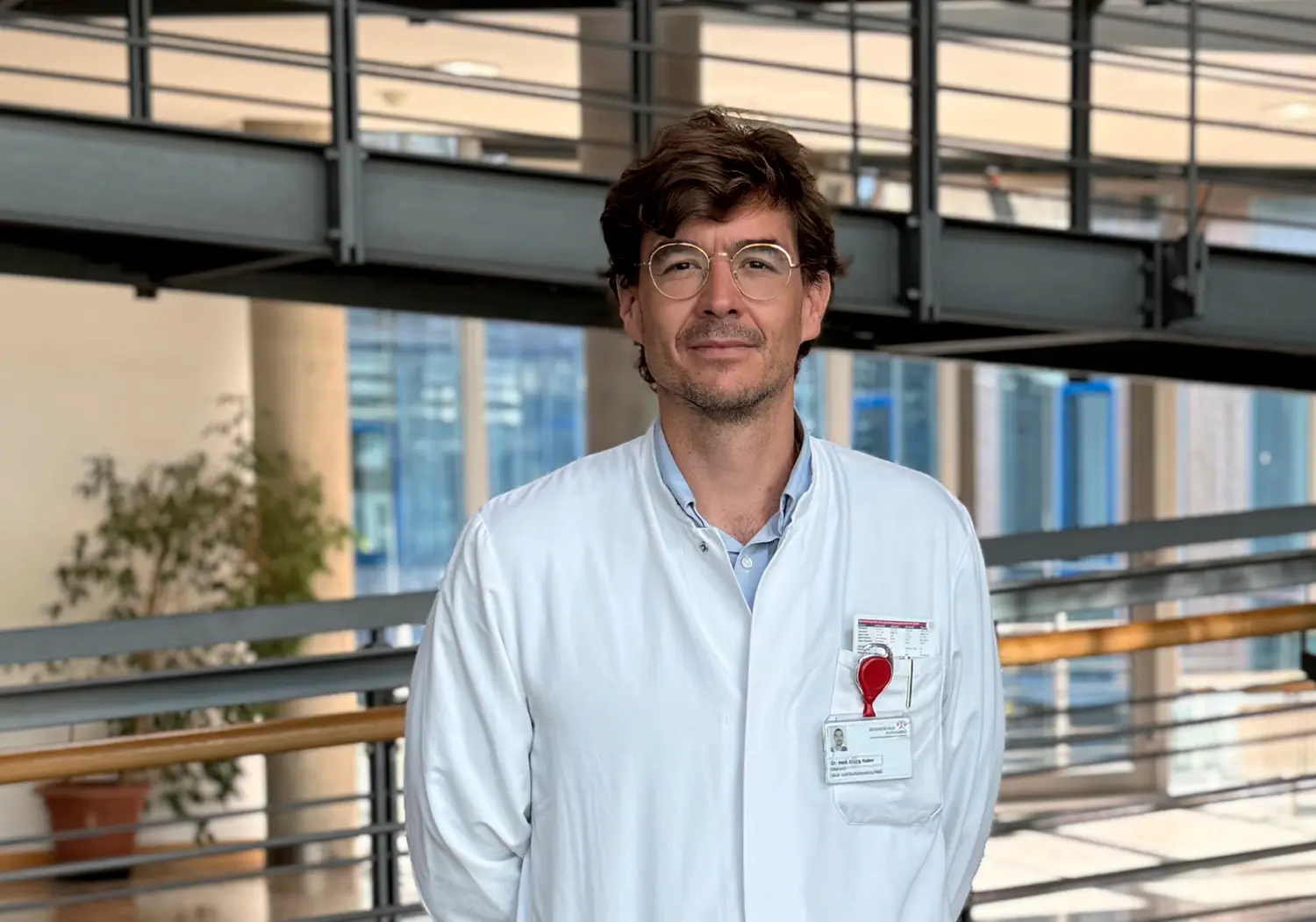
When does stress become depression? This question concerns many people who have to cope with high demands in their professional or private lives every day. However, the line between normal stress and a mental illness requiring treatment is often difficult for those affected to recognize. Prof. Dr. Andreas Menke, a specialist in psychiatry and psychotherapy, has been researching the connection between stress, genetic predisposition, and depression for years.
In the interview, the expert explains why chronic stress is more dangerous than acute stress situations, what role personal attitude plays, and when professional help becomes necessary. Especially important: the two-week rule, according to which certain symptoms should be medically clarified. With over five million sufferers in Germany, depression is a widespread disease – but it is well treatable if recognized in time.
What is the difference between normal and harmful stress?
Stress is probably one of the most overused words in connection with work and performance. Where is the line between the feeling "I have an insane amount to do and feel overloaded" and illness? When should I seek help from you?
Stress itself is not a bad thing. We all have stress. It can also be a job that is fun but very demanding and time-consuming. But if we have everything under control and even receive supportive feedback from outside, we feel good about it. We are successful. That can be good stress.
Or sports: it also has a direct effect on the stress hormone system. But it is still good. It depends on the form of stress and also on the duration of stress exposure. That our body can handle stress is vital. We used to have to run away from lions or hunt antelope. It was always the same reaction. Our body is universally tuned to respond to and deal with such stressors.
Why chronic stress is more dangerous than acute stress
Our much-quoted reptilian brain?
Yes, exactly! Interestingly, that is still the same today as it was thousands of years ago. But at the same time, it's also the problem of people today. If we were stressed back then, for example, running away from a lion or hunting an antelope, our stress hormone system went up.
Then we hopefully managed to escape the lion or kill the antelope—and then came the recovery phase, and there might have been something to eat. The stress hormone system was dialed back down. If we are stressed today, we're sitting in front of a computer, constantly receiving emails, and don't know how to respond to them.
Or the boss is breathing down our necks, the flood of information stresses us out. And it's not like we can just run away and suddenly everything's fine, or we do something and the threat is gone. Rather, it is like this all the time. It also depends on whether I myself have control of the situation when I work a lot.
Or whether I feel like I'm driven by external forces in a hamster wheel. Then that is indeed chronic toxic stress. Similar things can happen in a partnership.
Psychological and physical stress: Is there a difference?
Is there actually a difference between psychologically perceived stress and physical stress, i.e., stress caused by hormone release?
No, it's the same thing because the psyche and the hormone system are directly connected. One conditions the other. When we feel stressed, it's a valuation of the brain that leads to the alarm of the hormone system. And normally, it should be dialed back down after some time.
Can't you get used to it, even if the hormone levels are high all the time?
The problem is that it stays high all the time because you're not used to it. Normally, there is actually a psychological adjustment. If, for example, you don't like speaking in public, you do it once, twice, three times – and you're very stressed. But by the fourth time, it's not so bad, and by the fifth time, even less.
The role of one's own mindset: How thoughts about stress affect health
You get used to it. It also depends on whether you have a positive basic attitude or not. There’s an interesting study from the USA. 30,000 people were asked about their stress levels over the past years. Did they have no stress, moderate stress, or a lot of stress? After eight years, the study participants were analyzed again.
It turned out that those who had no stress did not show increased mortality, meaning no higher mortality rate. Those with a lot of stress did. However, in this group, it was also shown: Only those who were convinced that stress was harmful to their health had increased mortality. The study participants who had a lot of stress but did not believe that stress harmed them health-wise did not have increased mortality. So it also strongly depends on one's own attitude towards stress.
Can you become addicted to stress?
Yes, it exists. For example, in sports. When you push to the limit, it causes a release of dopamine, leading to positive sensations you can become addicted to.
Also with withdrawal symptoms?
You have to differentiate. What was it that gave me this joy or these feelings of happiness? What do I miss now? Is it the stress itself, or was it something that was stressful but brought joy because the work was so interesting and exciting, maybe because I gained great admiration from others. It was stressful, but it was positively connoted. And I want to feel that again.
So isn't it the unsettling calm itself when the body returns to normal mode that triggers this feeling of addiction?
When the dopamine receptors are firing all the time and that suddenly ceases, the body misses it as well. It's like suddenly stopping smoking or drinking alcohol.
Is there a difference between the genders? Are women more susceptible to stress than men?
In fact, men and women react differently to stress, hormonally as well, but it's so nuanced that no general statement can be made. Fundamentally, stress is a universal reaction, in animals as well as in humans.
If I annoy an animal, it reacts with the same stress hormone response as humans. I can measure that. When the system is running at full speed all the time, it eventually has a harmful effect on the body. But this threshold varies.
Because each of us has different vulnerability, or resilience. But no matter how high this threshold is, it can of course be breached. And then we develop a stress-associated disease, for example, at the psychological level, classically a depression, anxiety disorder, or addiction.
Someone who has qualitatively toxic stress at work all the time, either because he or she is being bullied, attacked by colleagues, or quantitatively just works too much, with 12-hour shifts all the time. And when he gets home, he's so tense and restless that he first needs three after-work beers.
Stress as a physical risk: From diabetes to heart attack
Can this elevated stress hormone level be measured?
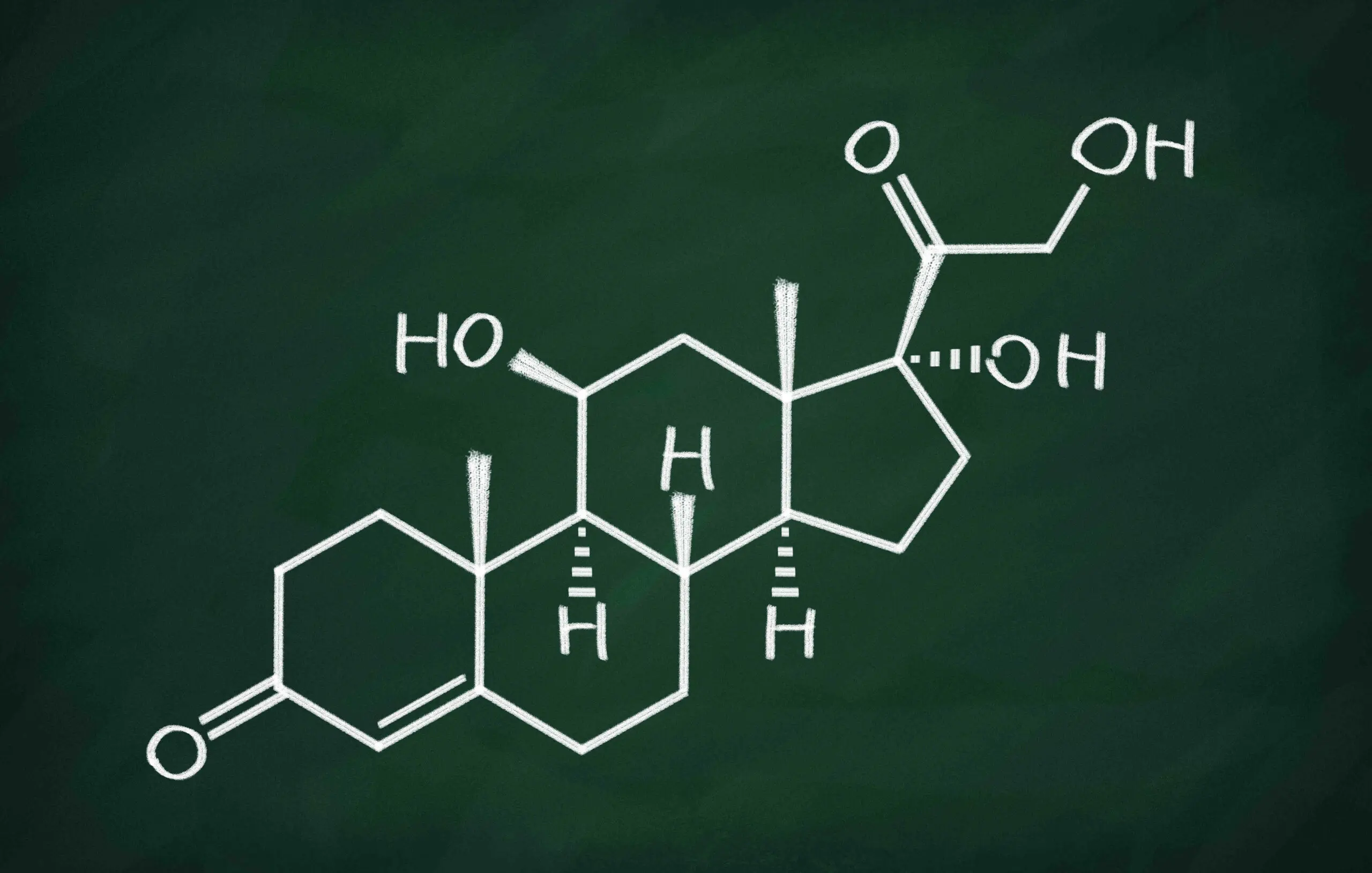
Yes, it can be measured. For example, the cortisol level in the blood. But that's actually only relevant for research. It also depends on adrenaline release and the activation of the immune system. It's not a big deal if the stress systems are activated for a short time, but over the long term, it does a lot of damage to the body. For example, you are more likely to get diabetes mellitus or the blood vessels are damaged by plaque build-up. This means, in the worst case, a heart or brain infarction.
There are also very interesting studies on this. For example, the Northridge earthquake in 1994 in Los Angeles. You could see very clearly that there were many more heart attacks on the day of the earthquake than before or after. This means the earthquake did not only claim victims because something fell on their heads, but because it was so psychologically stressful that some people had a heart attack. Another example: the 2006 FIFA World Cup in Munich. Emergency medical services were counted for heart problems. And during the games involving Germany, there were significantly more than during all other games.
Unfortunately, not all viewers survived the match against Argentina with the penalty shootout. This means stress can also kill you, not only because you become depressed and kill yourself, but also because some things in the body just really break down. Therefore, you should not take it lightly, but should find a good way to deal with yourself and the stress.
Recognizing depression: These symptoms are warning signs
And when should one come to you or a colleague?
Stress often has something to do with feeling like you have failed. Very few want to make this public. This is often difficult. There is simply no objective limit. If you break your foot, I can take an X-ray. You see: okay, foot broken, limit exceeded. With the psyche, it's a bit more complicated.
But if you feel like you can no longer concentrate, you can't remember things, you're making mistakes, you're becoming jittery, your mood is no longer good, you're having trouble falling asleep and staying asleep, you're lacking drive or energy, or you're constantly ruminating. Yes, those are signs of depression, and you should definitely see a doctor if it doesn't go away after two weeks.
When should you go to the doctor? The 2-week rule
Two weeks is a surprisingly short period of time.
That is the threshold for diagnostics according to WHO criteria. If you meet the symptoms and that for two weeks, then you have depression. And then, of course, the question is how severe it is. Is it mild, moderate, or severe, and that determines the treatment consequence outlined in the respective guideline.
Treatment of depression: Psychotherapy and antidepressants
With mild depression, you can wait a bit and see, that is, actively wait to see what happens, whether it goes away. With moderate depression, you should definitely treat it, either with psychotherapy or antidepressants or both. With severe depression, the guideline for depression recommends a combination treatment of antidepressant and psychotherapy.
Because you have to be careful that the depression doesn't become independent and then become so severe that someone commits suicide. That would be the worst outcome of depression. Because it is very treatable and ideally completely curable. That's why it's important to educate and raise awareness. Many people don't know this.
Depression as a common disease: Numbers and facts
It is said that more than five million people in Germany suffer from depression?
Yes, that is a genuine public health issue. One in five people experiences depression at least once in their lifetime. That's why it's so important to educate, raise awareness, and destigmatize in order to ultimately reduce the suicide rate.
Stigmatization is a particular problem. Many don't want to go to the doctor because they're afraid people will think they're weird or crazy. So they don't seek treatment. That's really terrible because it's a treatable condition. You can educate and destigmatize well through social media. With our Chiemsee Alliance Against Depression, we're on Instagram and YouTube, where we regularly post content on topics like mental health and depression.
I think those are important steps to involve the public. It makes it easier for those affected. It's not just about depression. It's estimated that a third of Germans are either already mentally ill or will become mentally ill. Two other thirds have at least one relative who is mentally ill.
Are mental illnesses increasing in the population?
That's hard to say because it wasn't necessarily recognized in the past. This is still somewhat the case, but it's significantly better than years ago.
The classic dismissive view: "Why are you so depressed—you have everything, what are you complaining about!?"
Yes, exactly. Wonderful wife, great husband, top job, amazing car, and so on. But such criteria have nothing to do with the illness. Anyone who says that hasn't understood what depression is. You wouldn't blame someone who broke a leg: "Don't be such a baby, you have a nice house and a great car. Okay, it hurts, but pull yourself together!" Understanding that mental illness needs to be treated as an illness is extremely important.
Are doctors more sensitive when it comes to recognizing warning signs in their own mental health? Do they suffer less from stress or depression?
Well, an orthopedic surgeon or a surgeon can also break a leg. Unfortunately, it's the same with depression.
But then he immediately knows that he has broken his leg.
True. But there are also other examples. A dermatologist, for example, can also develop melanoma. And there are pulmonologists who smoke. So just because they are doctors doesn't protect them better. There are also depressive psychiatrists. In addition, there's about 40 percent genetic variability in depression, so 40 percent is influenced by genes. This means that although the lion's share is still environmental influences, I still have a significant portion of genetic predisposition. This can, therefore, also decide whether I become depressed or not. In other words, depending on the genetic disposition, I can endure more stress or less.
The genetic component: How inheritance influences depression
Do you also research this genetic variability?
Yes, depression and stress and the related genetic influence are my scientific and clinical focus.
How can you tell from the genes that there is a disposition for depression?
You have to examine the genes of many, many depressed patients and compare them with healthy ones. Then individual variants are identified that occur more frequently in depressed individuals.
Do you pay attention to certain genes in the process?
You look at all of them. There is no single depression gene; it involves many genetic variants that each have a very small influence on their own but collectively contribute to someone becoming depressed. You can think of it like a Lego blueprint. It doesn't depend on a single Lego block but on how different small Lego blocks are assembled and arranged to lead to depression.
But you wouldn't perform a genetic test on a patient to analyze how high the genetically determined percentage of the disease is, would you?
That would be pointless. The diagnosis is still made purely clinically. Unfortunately, there are no biomarkers for this, like blood sugar in diabetes mellitus.
Epigenetics: Why a healthy lifestyle helps despite genetic predisposition
Wouldn't it be better to know how pronounced the genetic disposition is? 80 percent, for example, would significantly limit the treatment options.
Not necessarily. Genetics is one thing, but then there's also epigenetics. This deals with what surrounds the DNA, i.e., the hereditary material, and is essentially responsible for how the genes are read. The DNA is like a book that is scanned and translated into protein molecules to achieve an effect. The genes themselves cannot be changed. They are as they are, throughout life. But the reading process can be changed or influenced, for example, through exercise, healthy nutrition, or even medications.
This means that if you had an 80 percent genetic predisposition, i.e., a genetic probability of becoming ill, you can still change it through a healthy lifestyle. I think it's a very important and encouraging message that we always have it in our own hands whether we increase or decrease our risk of getting sick.
Summary: When to act under stress
Stress is normal and can even have positive effects—as long as it remains limited in time and you keep a sense of control. Chronic stress becomes problematic when it lasts for weeks and is accompanied by symptoms such as sleep disturbances, concentration problems, lack of drive, or constant brooding. This not only harms the psyche but also increases the risk of heart attack and other physical illnesses.
The most important rule: If these symptoms persist for more than two weeks, you should seek medical help. Depression is a widespread disease in Germany, affecting over five million people—and it is treatable. It is crucial to recognize the disease early and not to remain silent out of false shame. Even with a genetic predisposition, you can reduce your risk of illness through a healthy lifestyle, exercise, and stress management.