© Freepik
March 2, 2026
PMC Redaktion
Prof. Dr. Carina Riediger on robotics, AI, and multimodal concepts in oncological visceral surgery - from intraoperative MRI to individualized tumor therapy

With
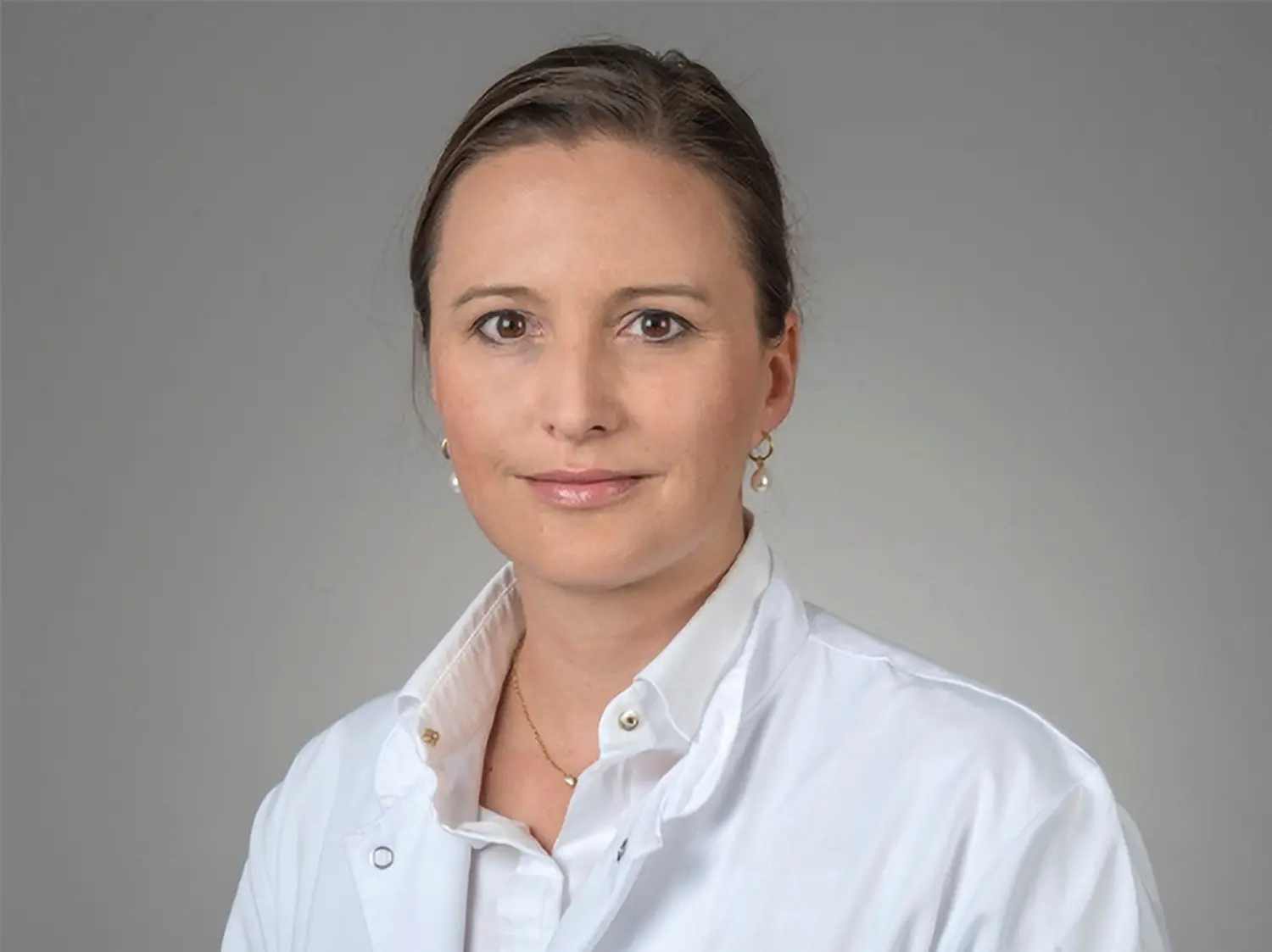
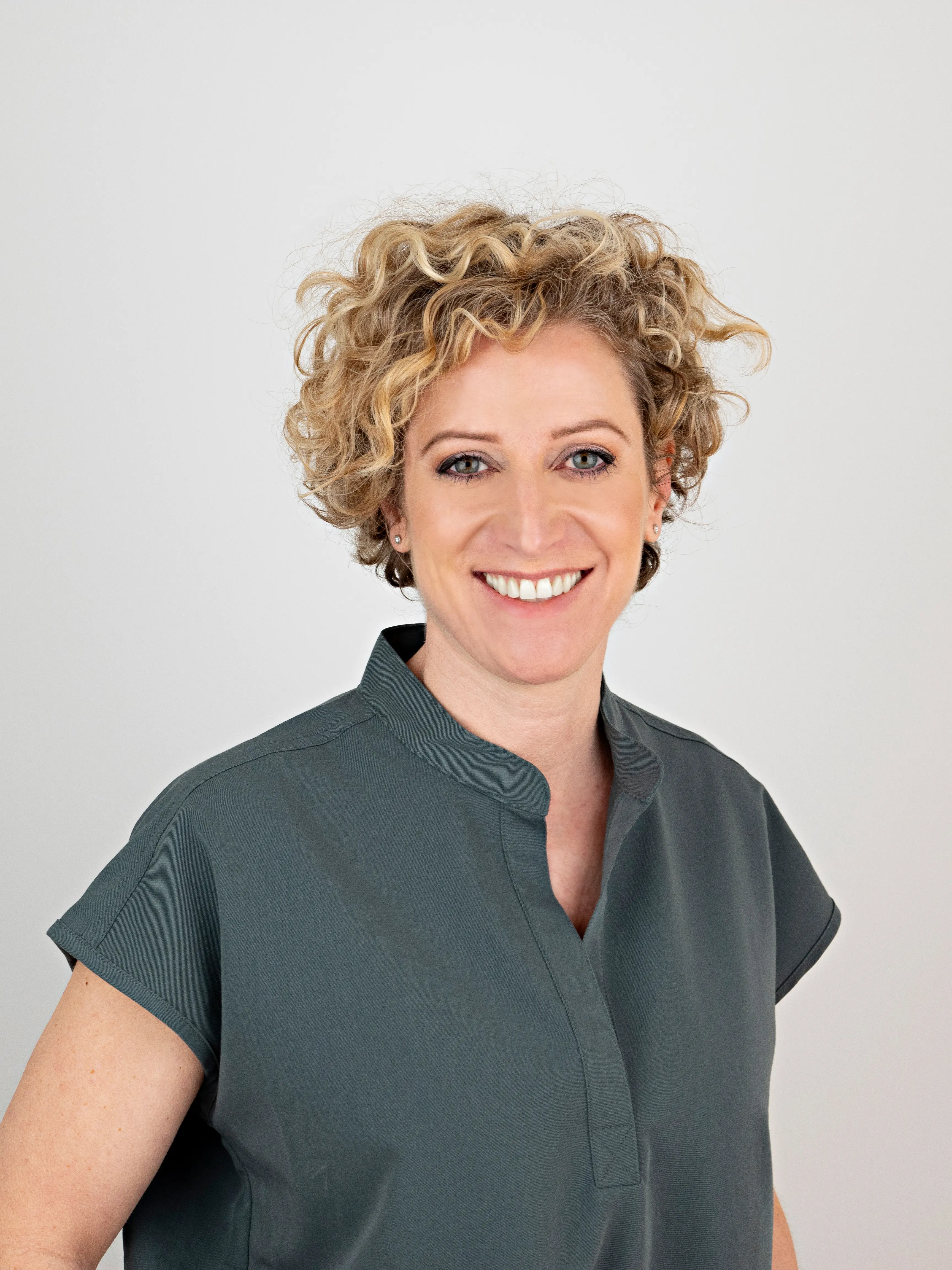
Prof. Dr. med. Carina Riediger, MSc
Oncological visceral surgery is undergoing change. New technologies, image-guided navigation, robotic systems, and close integration with medical oncology are transforming what is possible today for patients with tumors of the gastrointestinal tract, liver, or pancreas.
In a lecture at Premium Medical Circle (PMC), Prof. Dr. med. Carina Riediger, M.Sc., Chief Physician and Medical Director of the Clinic for General, Visceral, and Thoracic Surgery at the Marienhospital Stuttgart, presented a comprehensive overview of the current state of affairs—and an outlook on what is yet to come.
A milestone is already reality: In Dresden, an intraoperative MRI was used for the first time during a liver resection on an open abdomen. An international consensus conference in Strasbourg accompanied this development. The increasing technologization of the operating room is no longer a distant vision but a lived practice.
For Prof. Riediger, the direction is clear: "We need to incorporate many new technologies—from artificial intelligence and image-guided navigation to systemic therapy. The goal remains the same: to find the optimal therapy for the individual patient."
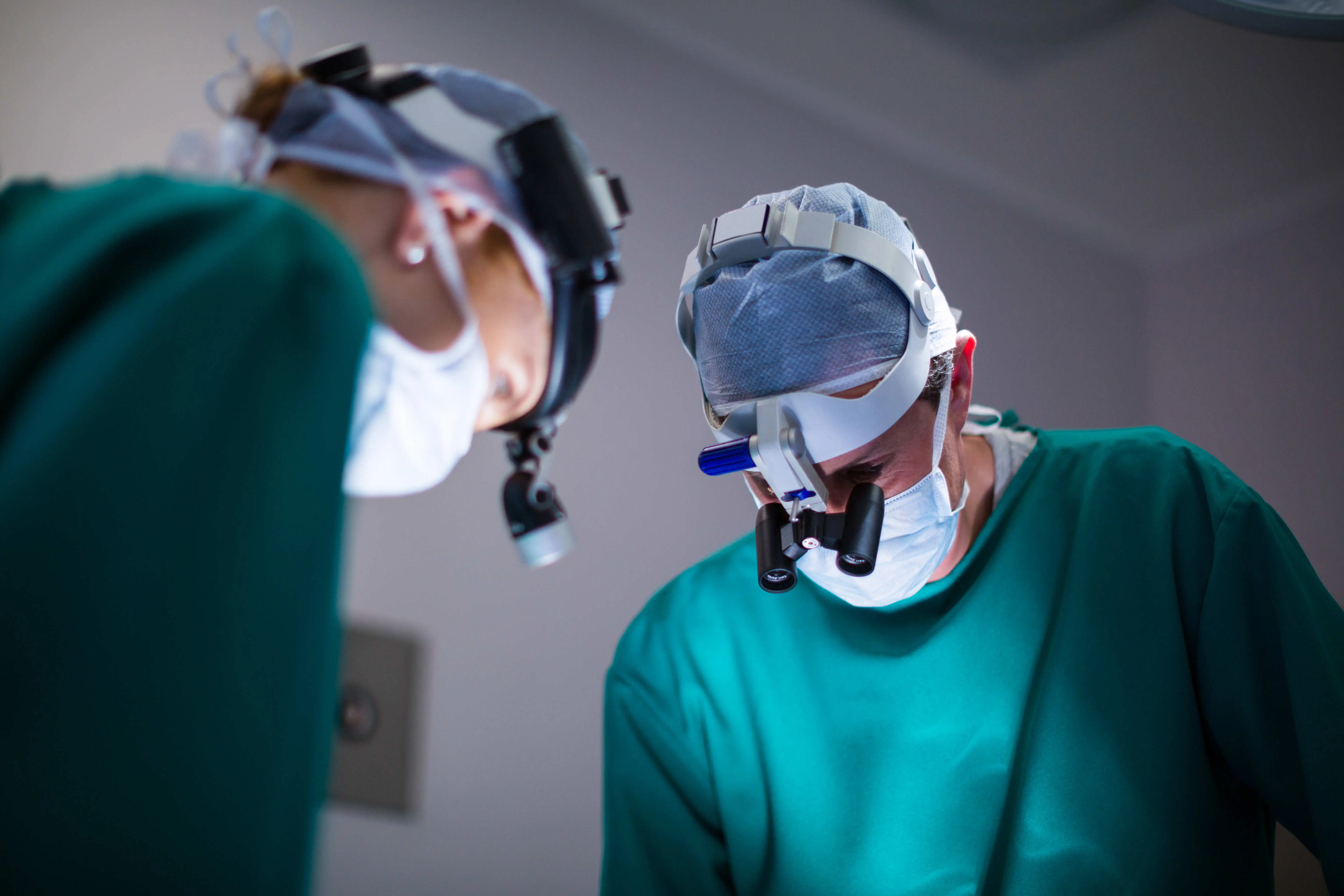
Robotic surgery is one of the most discussed topics in the field—and one of the most misunderstood. Prof. Riediger makes it unequivocally clear: "The robot does not operate—the surgeon operates. It is just a device. One must not make the mistake of using the robot uncritically. Every time you have to ask: Why robotics? Which operations make robotic sense?"
The history of robotics in surgery dates back to the 1980s when remote transatlantic operations were considered in war medicine—a concept that proved too dangerous. Decades later, urologists successfully used the system for prostate resections, and around 2011, visceral surgery caught on.
Today, data on robotically-assisted esophagectomy (RAMI) show significantly fewer complications compared to open procedures – especially in pulmonary complications. The advantages of the system are concrete: wrist-like mobility of the instruments, four-arm guidance with independent camera control, tenfold magnification, tremor filtering, and three-dimensional visualization. Additionally, there is a gentle incision technique for patients with minimal scarring.
Prof. Riediger vividly described the paradigm shift in liver surgery. For a long time, the rule was: one metastasis on one side – still curable. Anything beyond that – palliative. This view is outdated. 'A hepatobiliary surgeon sees significantly more resection possibilities than other specialties. Those who are familiar with the liver simply see much more,' she emphasizes – and draws a clear conclusion for practice: 'Whenever you have a patient who might be curatively resectable, present them at a center.'
In a normal liver, 70 to 80 percent of the organ can be removed today – thanks to the so-called Prometheus effect, the liver tissue regenerates to almost its original size. Decisive for resectability are tumor distribution, tumor load, and especially the functional reserve capacity of the remaining liver parenchyma.
Using a young patient with bilateral colorectal liver metastases, Prof. Riediger vividly demonstrated what interdisciplinary collaboration can achieve. The concept required patience, precision, and a clear sequencing of therapeutic steps:
The liver volume was approximately the original size again at the end – and the patient was tumor-free for two years without chemotherapy. Prof. Riediger summarizes: "These are complex concepts that take over a year – but they really make the patients tumor-free. It is really worth presenting every patient."
Therapy will become even more personalized. Molecular and genetic profiles will help determine the choice of therapy in the future, as not every patient responds equally well to the same chemotherapy. Artificial intelligence will aid in identifying the appropriate treatment for each individual.
Prof. Riediger is convinced: "We need to nurture interdisciplinary collaboration even more than before. This is the only way we can apply multimodal oncological concepts – and through all these possibilities, we will hopefully improve our patients' prognosis in the future."

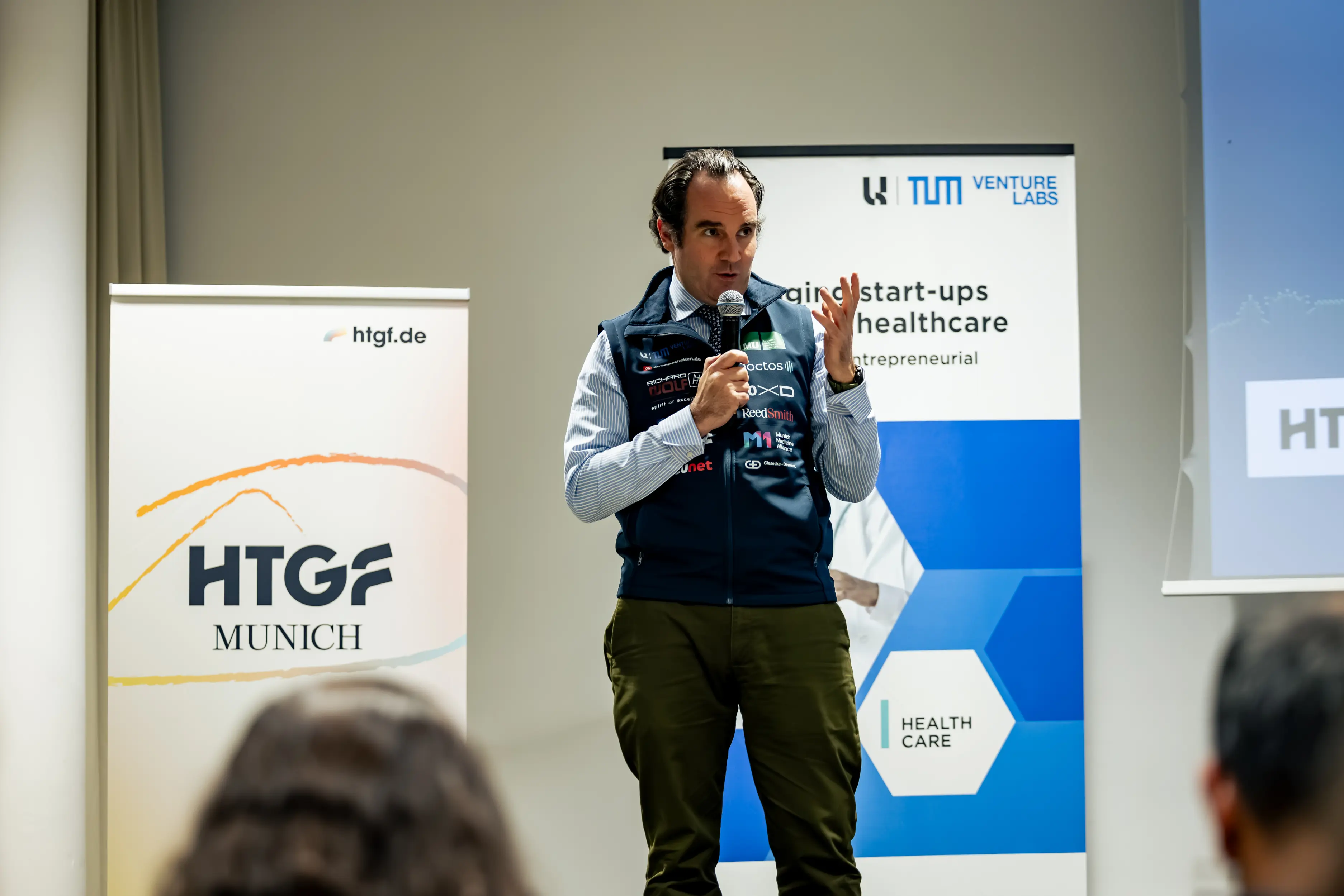
Artificial intelligence, digital diagnostics, and new technologies are transforming medicine. At the Digital Health Summit 2026 in Munich, leading scientists, physicians, founders, and investors explored how to turn cutting-edge research into better patient care — and why collaboration among Munich's leading institutions is key to making it happen
PMC Redaktion

With
Univ.-Prof. Dr. med. Dominik Pförringer

An injection for osteoarthritis pain – but which treatments actually make a difference? Orthopedic specialist Dr. Ferzan Süzer explains why she rarely uses cortisone for degenerative joint disease, what research reveals about hyaluronic acid and platelet-rich plasma, and why injections alone are not enough.
Christine Bürg & Marianne Waldenfels

An interview with
Dr. med. Ferzan Süzer

"Feel Good, Live Better" – In this episode, Dr. Birgit Dinnewitzer explains why small intestinal bacterial overgrowth is so often mistaken for irritable bowel syndrome.
Christine Bürg

An interview with
Dr. Birgit Dinnewitzer