Sleep Disorders: What Really Helps – An Interview with a Sleep Medicine Specialist
Fewer and fewer people find rest at night. Sleep disorders have become a widespread condition that is increasingly researched by medicine, but many others also want to profit from it.
“Sweet sleep! you come like pure happiness unbidden, most willingly evoked!” Johann Wolfgang von Goethe's ode to sleep is over two centuries old, but it summarizes in a few words what current sleep research sees as one of the most important elements against sleep disorders and for good sleep: a relaxed attitude when going to bed.
Why our society has forgotten how to sleep
However, fewer and fewer people have these. Insomnia, or difficulty falling and staying asleep, is considered one of the most common diseases in our healthcare system, and public interest is correspondingly high. A quick Google search for the term “sleep well” spits out 112 million hits in seconds, which largely deal with the opposite of the original search term, namely “bad sleeping,” sleep disorders.
Has our society forgotten how to sleep? In a certain sense, yes, and our modern lifestyle is also to blame, as Till Roenneberg, professor of chronobiology at LMU Munich, states: “The ‘homo urbanicus,’ i.e. the human of industrial nations, has no more relationship to the most important signals that our internal clock needs to organize the natural rhythm of wakefulness and sleep: daylight and nocturnal darkness.”
Today, people no longer align themselves with the sun, our oldest clock, but with “social clocks.” We spend most of our lives in buildings, daily life is determined by artificial light, with the result that our internal clocks shift and thus our entire biology.
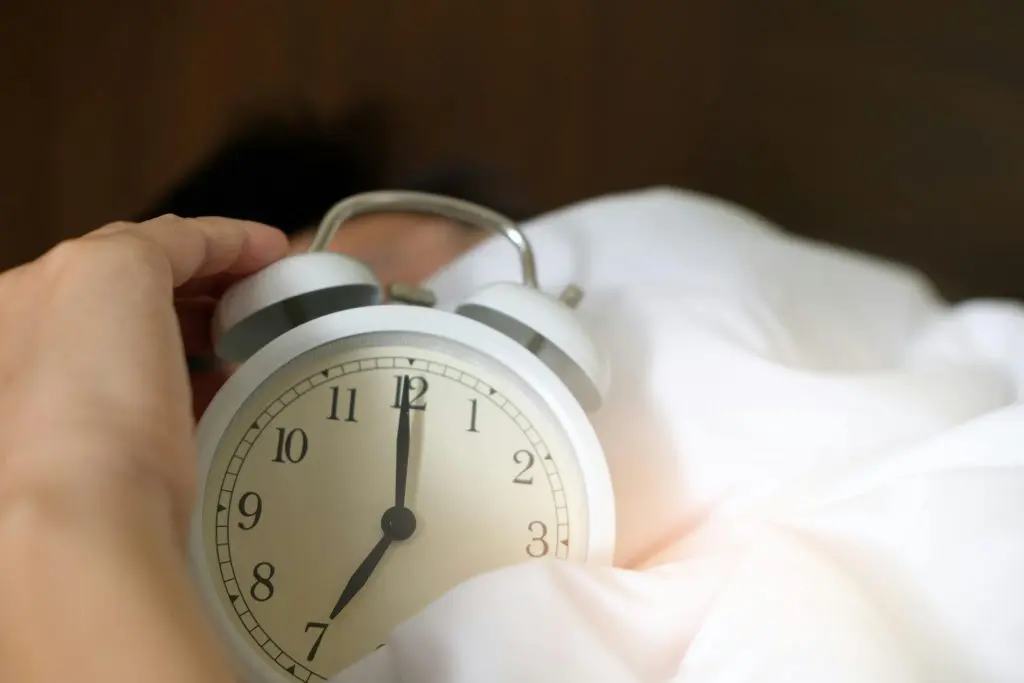
“80 percent of the population must set an alarm clock on workdays to get up on time. But that also means that all these people have not finished sleeping. This violent interference in our biological time leads to a social jet lag.”
During the week, this ever-increasing sleep deficit accumulates, only to be caught up on the weekend, on days off. In recent years, other burdens have been added to this modern life rhythm, which no longer follows the morning rooster's crow and the setting sun. The pandemic with its lockdowns, lack of exercise, social isolation and psychological stress has further destabilized sleep behavior.
Sleep disorders as a common disease: Numbers and facts
Every second person had problems falling asleep in the evening during the COVID phase and woke up in the morning feeling "like a wreck," according to a study by the Ludwig Maximilian University of Munich (LMU). The German Society for Sleep Research and Sleep Medicine, or DGSM for short, summarizes the results from this time as follows:
"For some, sleep disorders began only in connection with the pandemic, others already suffered from sleep disorders that worsened during the pandemic. It is estimated that about 40 percent of the population suffered or still suffers from sleep disorders at least temporarily during the crisis. All age groups and genders are affected. For people with long COVID, sleep disorders still play a central role today."
Speaking of a widespread disease in connection with poor sleep is certainly justified given such figures. Old sayings like "Sleep is the best medicine" or "Sleep yourself healthy" show how important healthy nighttime rest is for us. Sleep is considered "the most important human regeneration and repair program and is crucial for a functioning human organism," according to the DGSM.
Why healthy sleep is so important: The benefits at a glance
The list of benefits of a successful nightly rest is long: Sleep strengthens the immune system, promotes memory consolidation, facilitates learning, sorts the brain, regulates metabolism, prevents premature aging processes, protects against cardiovascular diseases, and reduces the risk of mental disorders, such as depression. Long sleepers are more efficient and focused, tend less to be overweight, have fewer mood swings, and remain outwardly young, as restorative sleep is the most natural and effective anti-aging remedy.
As a reverse conclusion, it becomes clear what disadvantages people who lie awake at night grow. Long-lasting sleep deprivation can have massive and diverse effects – for oneself as well as for others.
Serious historical tragedies, such as the Chernobyl nuclear power plant explosion in 1986 or the environmental disaster of 1989, when the Exxon Valdez oil tanker ran aground on a reef in Alaska, are supposedly due to human errors caused by lack of sleep. Nevertheless, it took many years for restful sleep to be appreciated as a valuable good, even as a real luxury, and for the recognition of persistent sleep disorders as a serious illness.
When philosopher Friedrich Nietzsche still somewhat trivially advised in the 19th century: "Avoid all those who sleep poorly and stay awake at night," the scientific investigation of this state of rest, in which we spend a third of our lifetime, has gained momentum especially in recent decades.
The most common sleep disorders and their symptoms
Sleep medicine today distinguishes more than 50 different sleep disorders. Among the most well-known are the insomnias mentioned at the beginning, including trouble falling asleep and staying asleep, as well as early awakening. These lead to mental and physical exhaustion during the day and a deterioration of psychological well-being.
Doctors refer to repeated pauses in breathing during sleep as sleep apnea. It is often characterized by snoring and reduces recovery during night rest, with negative consequences for attention and memory performance. If untreated, sleep apnea can lead to high blood pressure or even a heart attack.
The technical term parasomnias encompasses sleepwalking as well as the "Rapid-Eye-Movement (REM) sleep disorder," where vivid dreams cause those affected to lash out and kick. The German Brain Foundation warns that the "REM sleep behavior disorder can be considered a precursor stage for the development of a Parkinson's syndrome" and therefore should be regularly examined.
The more severe and longer such disturbances persist, the more important it is to consult a doctor to scientifically explore the causes, which are usually very complex and not easy to diagnose.
Through cognitive behavioral therapy, patients are made aware of the reasons and given tools to relearn how to sleep. In complicated cases, the patient is referred to a sleep lab, where various health values are recorded over several nights using electrodes.
Sleep hygiene: These tips promote restful sleep
In the case of simple sleep problems, so-called "sleep hygiene" often already helps: A good, comfortable mattress, a darkened window, and a room temperature of 16 to 18 degrees create the conditions for good sleep. Dr. Lennart Knaack, a somnologist from Cologne, also recommends not watching TV for too long before going to bed, especially not crime or horror films.
“You should also avoid taking your laptop and phone to bed or even working in bed.” Physical activity during the day and nightly sleep rituals help to relax. Perhaps the old tradition of counting sheep before falling asleep can become such a ritual. It is certainly relaxing.
A 2017 study quantified the economic consequences at around 1.5 percent of Germany's gross domestic product, equivalent to approximately 50 billion euros per year. Aside from the health risks, there is also a certain helplessness on the part of doctors. Most have only learned about pharmacological therapies during their studies. But sleeping pills alone do not provide a cure.
From when are sleep problems in need of treatment?
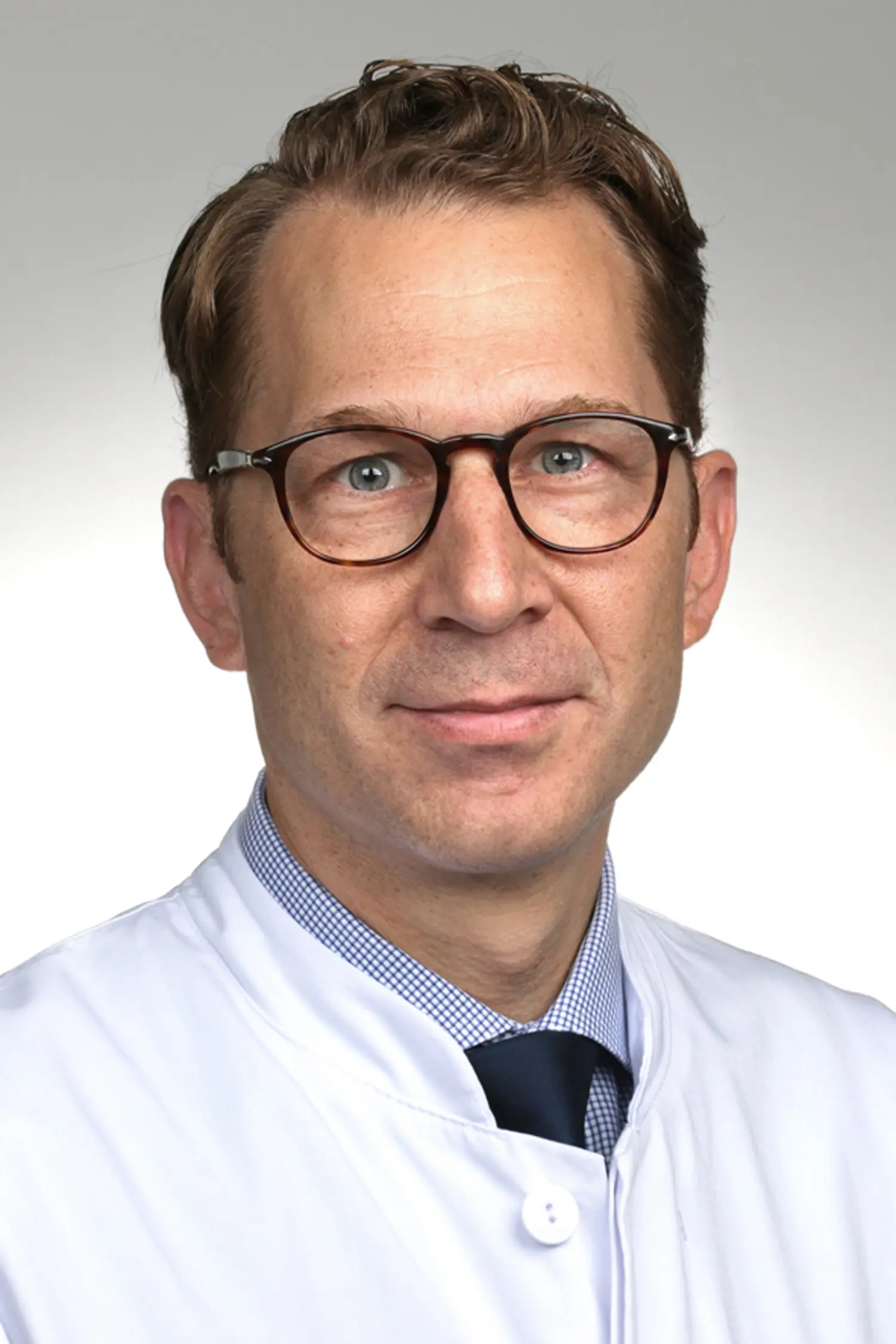
Temporary problem or illness? Sleep specialist Dr. Hans-Günter Weeß, a psychologist and psychological psychotherapist, heads the interdisciplinary sleep center of the Pfalzklinikum and is a sought-after keynote speaker on the topic of “Sleep and Society.” Dr. Weeß has authored several books on the subject, including “Sleep Works Wonders,” and is the author of an online program designed to help patients relearn how to sleep. He talks to PMC about therapy options for insomnia.
How many Germans currently suffer from sleep disorders?
Before the pandemic, treatable insomnia was quantified at 6 to 10 percent. Another third of the population was considered "poor sleepers," not meeting the criteria for a sleep disorder. Both groups increased during the pandemic. The new crisis situation with the Ukraine war and its economic consequences brought about new psychological burdens and anxieties affecting sleep behavior. However, there are currently no figures on how many people are affected.
You differentiate between treatable sleep disorders and non-treatable sleep problems. Where is the distinction?
Medicine speaks of a sleep disorder when there are impairments both at night and during the day: at night, impairments in the ability to sleep, and during the day, impairments in psychosocial performance, for example, at work, in the family, or at university.
This feeling of tiredness or lethargy must occur at least three times a week. According to a standard currently valid in Europe, we speak of a sleep disorder requiring treatment if this condition persists for at least four weeks.
Most patients do not know these distinctions. Sleep problems are considered a common illness. Do those affected even go to the doctor?
In fact, there is a trivialization of the disease. This has far-reaching consequences such as mistakes at work or accidents in traffic. A study from 2017 quantified the impact on the economy at around 1.5 percent of Germany's gross domestic product, which corresponds to approximately 50 billion euros per year.
Apart from the health risks – there is also a certain helplessness on the part of doctors. In their studies, most only learned about pharmacological therapies. But sleeping pills alone do not provide a cure.
Why sleeping pills are not a permanent solution
In what way?
The prescription of sleeping pills is a purely symptomatic treatment, which rather contributes to the chronicity of sleep disorders. Half of the patients suffer for more than three years, at least a quarter even for more than ten years. A treatment with only sleeping pills can become dangerous in the long run. According to studies, there are up to two million people in Germany who are dependent on sleeping pills. This is, with all due respect, a dependence on prescription.
How could it come to this?
Medicine has proverbially slept through sleep research or the treatment of sleep disorders. The cognitive-behavioral techniques used today are more complex, require more time, and extensive training is necessary.
That's why they are still not offered nationwide in our healthcare system. To somewhat compensate for the lack, there are now so-called DiGAs. These are digital applications for the treatment of insomnia and sleep maintenance disorders.
What exactly is that?
This is an online program for self-treatment, which is prescribed by prescription. Such digital offers have been available for a longer time for depression, weight reduction, and other medical conditions. Now also for insomnia. They can also be prescribed by general practitioners and psychotherapists, and this creates more coverage in medical care.
Do these online self-courses help at all?
Studies show surprisingly good efficiency. Especially in mild and moderate cases, these programs have their justification. However, from a certain severity of insomnia, these digital offers reach their limits. Then it is handed over to psychotherapists or sleep experts trained in psychotherapy, sleep laboratories, and in extreme cases to clinics.
Cognitive Behavioral Therapy for Insomnia: How it works
What does this online offer convey?
The program has various components. There is psychoeducation: What sleep expectations can one have depending on age? What is a sleep disorder? Sleep myths are debunked. For example, that sleep before midnight is important or that one should not wake up at night.
And simple methods of cognitive behavioral therapy are taught, such as relaxation techniques of a physical and mental nature, stimulus control, and bedtime restriction. Additionally, techniques are explained so that patients—as I like to put it—become their own sleeping pills again.
What does that mean specifically?
He or she must learn to switch off in bed, leave big and small worries outside the bedroom door, stop the carousel of thoughts, and create a relaxed basic attitude so that sleep can occur. The big problem for chronic insomniacs is the desire to want to sleep.
Unfortunately, there is no better way to stay awake than going to bed to sleep. These people observe themselves: "Am I falling asleep or not?" They fight with their pillow, toss from left to right, look at the clock, and start calculating how long they've been awake. This behavior creates tension, and that is the enemy of sleep.
There are also numerous guidebooks on these topics.
Self-help books are not wrong as a supplement. I myself have written such a popular science book. It's called "Sleep Works Wonders." In it, I also explain a three-week program for better sleep based on findings from cognitive behavioral therapy. The reader feedback I receive is quite positive.
Beware of dubious sleep coaches and useless products
Many of the authors of self-help books are sleep therapists or sleep coaches who also offer seminars. How should these be classified?
The term sleep coach is not protected, so anyone can call themselves that, even if they have only read one or two books on the subject. Nowadays, these self-proclaimed coaches offer to train others to become sleep coaches. This is an incomprehensible wild growth.
Basically, sleep disorders are serious illnesses, and they require an exact sleep medical diagnosis before treatment. I would advise anyone affected to consult an expert trained in this area in their own interest and not sales consultants, engineers, or art historians who want to switch careers and now dedicate themselves to the topic of sleep.
If you research on the Internet, you will find numerous such services, but also various other aids for sleeping.
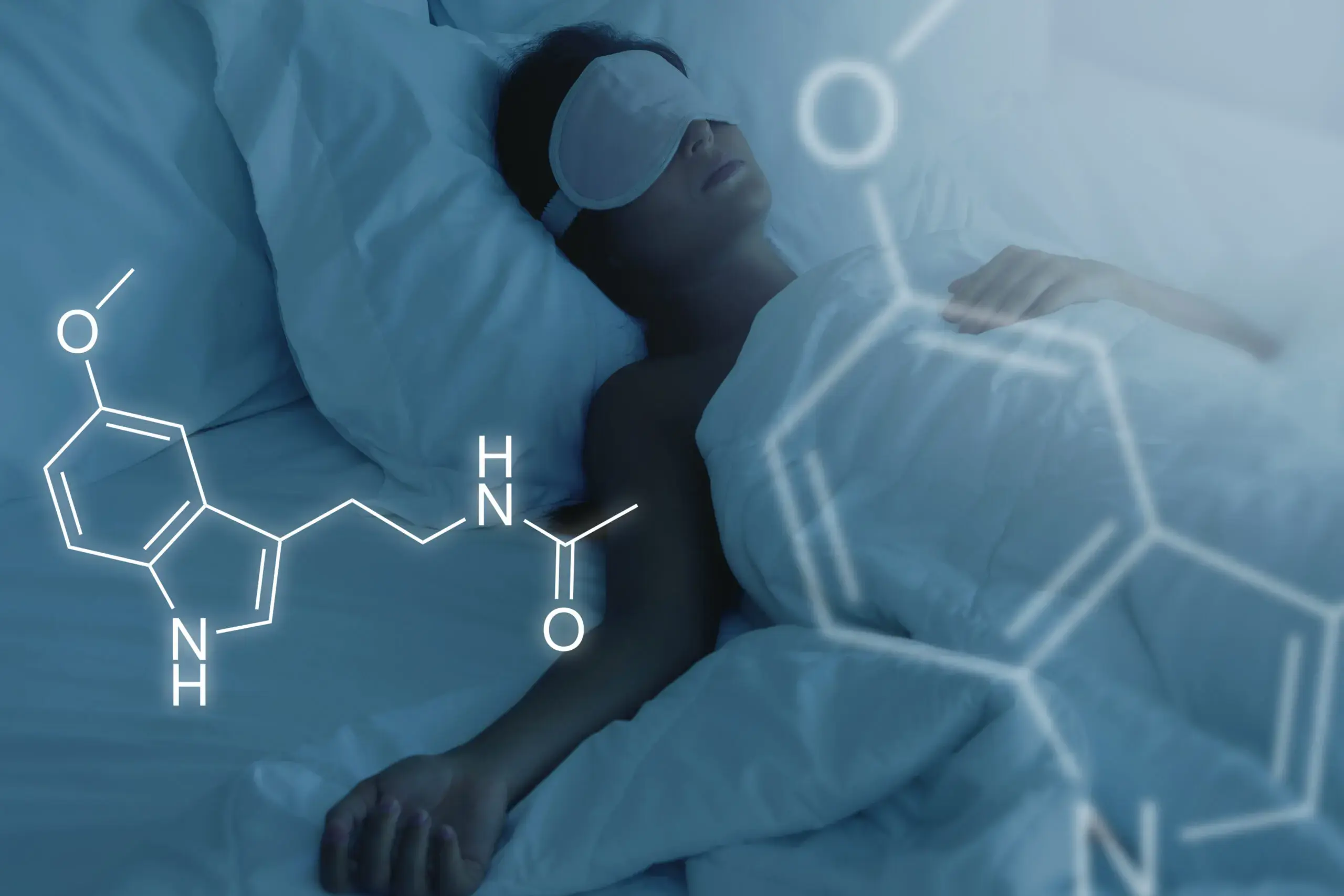
You mean these supposed sleep aids, such as sleep robots, light metronomes, sleep trackers, light alarm clocks, weighted blankets that promise a deep and solid sleep. Or the freely available melatonin sprays or gummies whose effectiveness lacks any scientific evidence.
People are being ripped off. The market success of these products shows how high the suffering is for those affected.
Home remedies for sleep problems: What really helps?
And what about the old home remedies, like warm milk, valerian, lemon balm, cherry pit pillows ...?
The therapeutic goal is for the person to relax in their bed. Because then sleep occurs all by itself. If this succeeds with a home remedy, for example a cherry stone pillow that I place on my upper abdomen, then the purpose is fulfilled.
However, I doubt that these simple home remedies will help the majority of patients with more severe sleep disorders. The calming potency of valerian, hops, lemon balm, or other herbal sedatives is simply too low for that.
Dr. Hans-Günter Weeß is currently the head of the commission for sleep medicine training and quality assurance and was on the board of the German Society for Sleep Research and Sleep Medicine (DGSM) from 2008 to 2022.