© Freepik
February 24, 2026
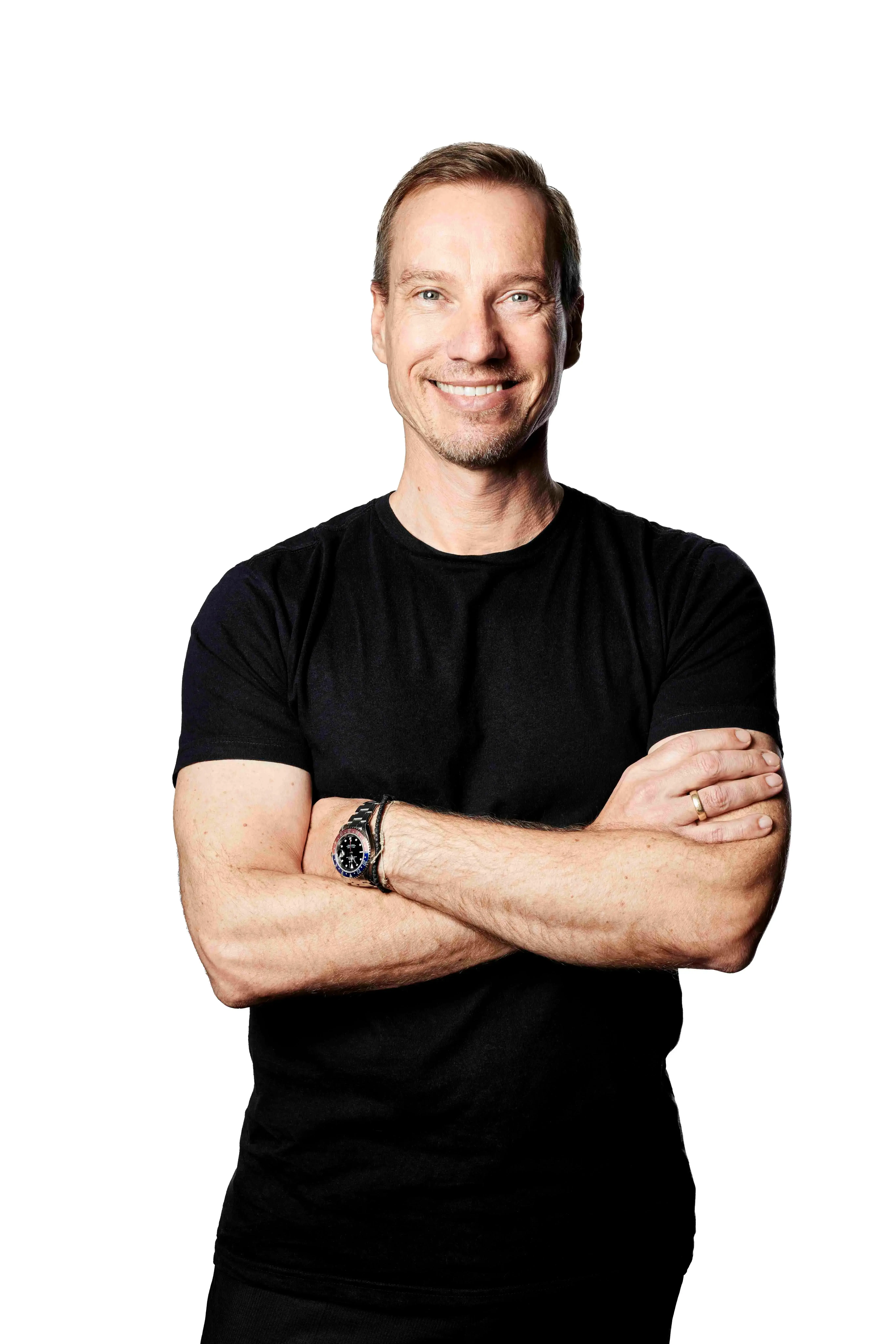
Nils Behrens
A simple finger prick instead of expensive diagnostics. Top health expert Nils Behrens on a new blood test that promises to detect Alzheimer's earlier, cheaper, and more practically—of great significance for longevity.
Alzheimer's is like a sneaky roommate. It moves in quietly, first rearranging only small things, and eventually you no longer recognize your home. The problem: When the diagnosis is made, it is often very late. Until now, this required expensive PET scans, complex lumbar punctures, or lengthy clinical evaluations. Anything but low-threshold.
This is exactly where a new approach comes in. Researchers have developed a blood test that works with a simple finger prick. No hospital, no high-tech imaging, no months-long waiting. A drop of blood is enough to make typical Alzheimer’s biomarkers measurable.
This is not a lifestyle gadget. This is potentially a paradigm shift.
Alzheimer's begins years, often decades, before the first symptoms become visible. Proteins like amyloid and tau accumulate in the brain long before someone starts losing their keys or forgetting names.
The dilemma: These processes are measurable, but only with methods that are expensive, invasive, or poorly available. Many people therefore receive either no clear diagnosis at all or only when there is hardly any therapeutic leeway left.
From a longevity perspective, that's absurd. We try to detect everything early – blood sugar, cholesterol, inflammation – but precisely with the most important organ, we wait until we lose control.
The newly presented test uses state-of-the-art analysis methods to detect Alzheimer-typical protein changes directly in capillary blood. The same blood used for blood sugar or iron measurements.
Particularly exciting: The results strongly correlate with established but complex diagnostic procedures. Thus, the test does not just detect 'something', but very specific markers associated with neurodegenerative changes.
The key lies in its simplicity. A finger prick can theoretically be used in general practice, studies, or even prevention programs. This brings Alzheimer's diagnostics from the specialty clinic into everyday life.
Longevity does not mean tricking death. It means extending the period during which we remain mentally clear, independent, and capable. This is precisely where this test becomes relevant.
When Alzheimer's risk processes are detected early, new courses of action open up. Lifestyle interventions, targeted prevention, close monitoring. Perhaps also new drugs that could have the greatest effect, especially in early stages.
The test is not a cure. But it is an early warning system. And early warning systems are worth their weight in gold in longevity medicine.

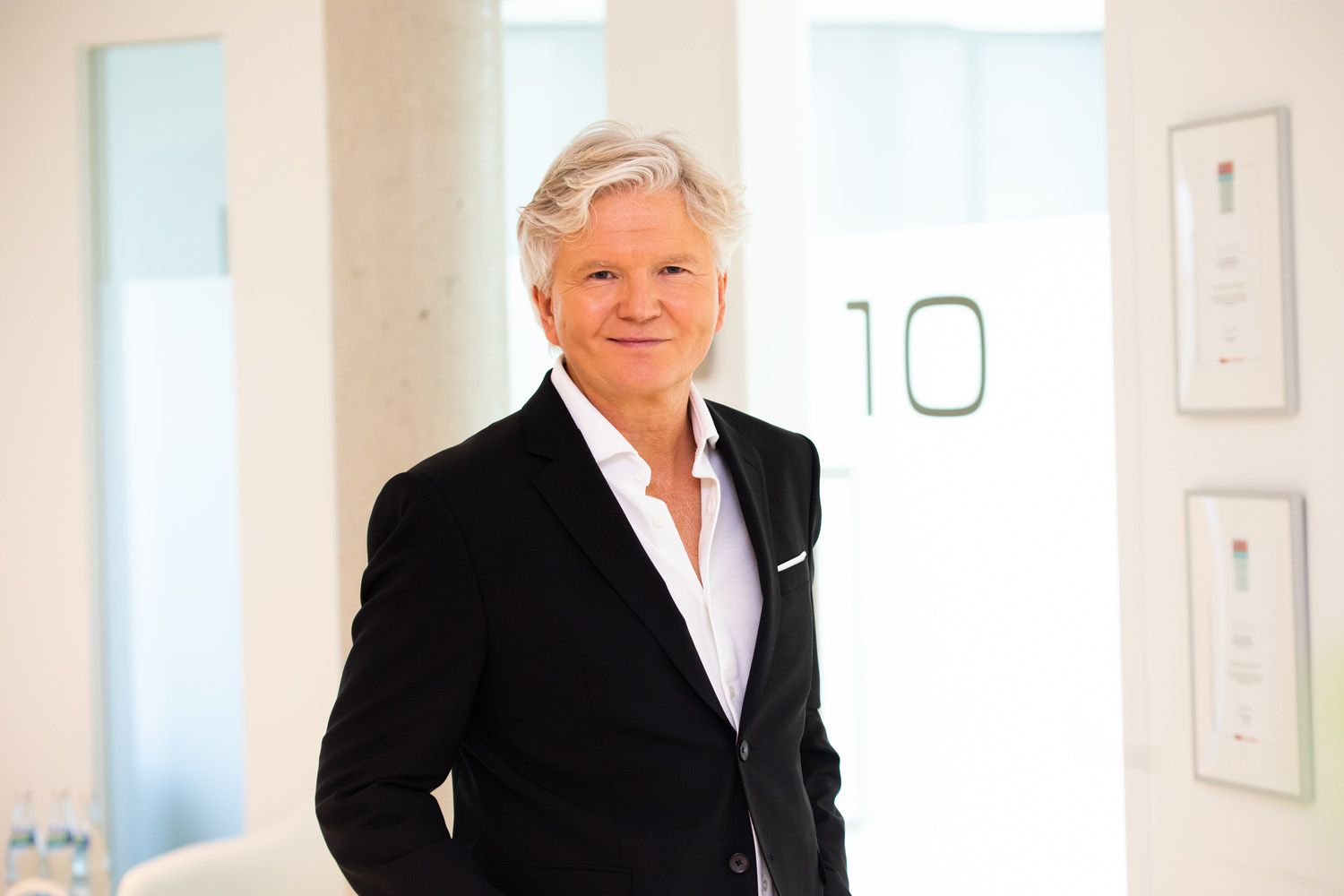
Nils Behrens is the host of the health podcast HEALTHWISE and a Strategic Brand Partner at Sunday Natural. Previously, he was the face of the Lanserhof Group for over 12 years as Chief Marketing Officer.
So far, medicine often acts like the fire brigade in Alzheimer's, called when the house is already burning. A simple blood test could change that. It turns reaction into prevention and helplessness into action.
Of course, further studies and regulatory steps are still pending. But the direction is clear: Neurodegenerative diseases become measurable before they dominate life.
For an aging society, this is more than a medical advance. It is a cultural shift in dealing with aging.
We invest a lot in muscles, nutrition, and sleep. All important. But without a healthy brain, any additional lifespan is worthless. This blood test reminds us that longevity doesn't start with biohacking gadgets, but with smart, early diagnostics.
A drop of blood will not defeat Alzheimer's. But it could finally show us earlier when we should act. And that's exactly what a long, good life is about.
Nils Behrens is the host of the podcast HEALTHWISE and is one of the most sought-after longevity experts in the German-speaking world. In over 350 interviews with doctors, scientists, and thought leaders, he explores how we can live longer—and above all, stay healthy longer.
On February 18, 2026, his first book on longevity, 'Walk to Immortality,' was published. In his free time, he is a passionate runner, triathlete, and paddle player.