Lowering cortisol: 7 natural ways to combat stress
Cortisol is important for our health. Among other things, it protects against inflammation and regulates sleep. However, too much stress causes an excess of cortisol, which can make you sick.
Cortisol: The Underestimated Stress Hormone and How to Naturally Lower It
Cortisol has an image problem. Known as the "stress hormone," many overlook its vital functions. But when does the helpful assistant become a health risk? And how can a high cortisol level be naturally regulated?
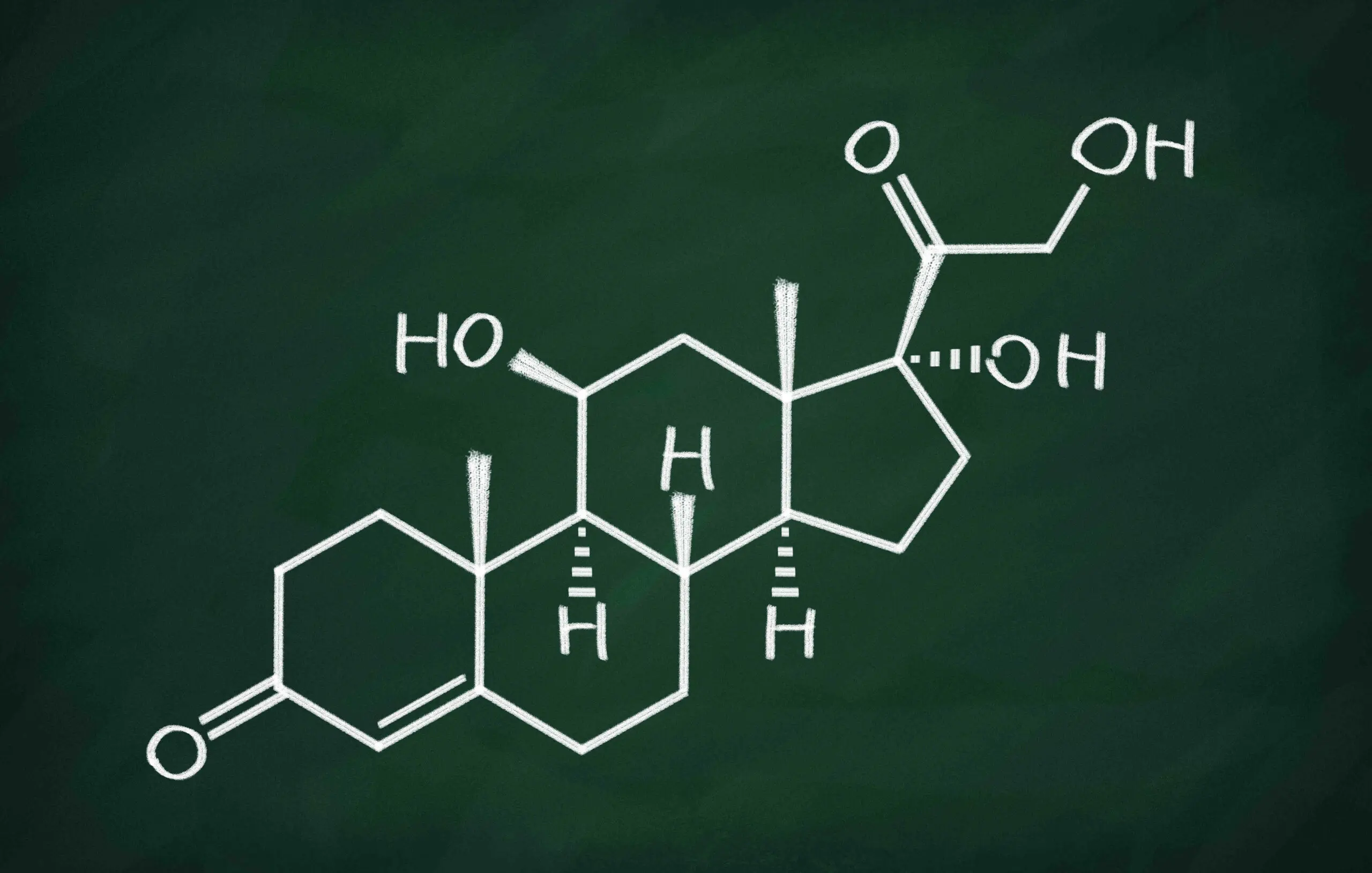
Cortisol is far more than just a stress hormone – it is a vital glucocorticoid produced in the adrenal cortex and plays a central role in numerous body functions. From regulating the sleep-wake cycle to fat metabolism to enhancing physical performance, cortisol is a multitasker.
The problem: The dose makes the poison. While acute cortisol releases make us fit, focused, and efficient, a permanently elevated level can cause serious health problems.
What is cortisol and where is it produced?
Cortisol belongs to the group of glucocorticoids – steroid hormones produced in the adrenal cortex. Production is controlled via the so-called hypothalamic-pituitary-adrenal (HPA) axis, a complex regulatory system that responds to internal and external stimuli.
The release follows a circadian rhythm:
Morning (6-8 am): Highest cortisol level – makes us awake and ready for action
Midday: Decreasing concentration
Evening: Significant drop
Night (0-4 a.m.): Lowest value – allows for restful sleep
This natural fluctuation is crucial for a healthy sleep-wake cycle and daily condition.
Cortisol effect: This is what the hormone does in the body
Cortisol is involved in a variety of physiological processes. Its main tasks at a glance:
Energy supply and metabolism
In stressful situations, cortisol works closely with adrenaline and noradrenaline. It quickly mobilizes available energy by:
Increase in blood sugar level (promotes glucose production in the liver)
Release of fatty acids from fat cells
Breakdown of proteins into amino acids
Optimization of energy distribution in the body
This mechanism originates from evolutionary times and prepared our ancestors for "fight or flight" – even today, it helps us to perform at our best in the short term.
These effects are useful in the short term, but problematic in the long term.
Immune system and anti-inflammation
Cortisol has strong anti-inflammatory and immunomodulatory effects. It:
regulates inflammatory responses
prevents overreactions of the immune system
is used therapeutically in autoimmune diseases (e.g., as cortisone)
protects the body against excessive immune responses
Mental performance
At the right dose, cortisol enhances:
Concentration and attention
Reaction speed
Memory performance (short-term)
Mental resilience
Athletes benefit from acute cortisol releases that enable peak performance—provided the body can recover afterward.
When the balance tips: Too much cortisol makes you sick
The problem starts when cortisol levels remain elevated permanently. Chronic stress—whether from work, relationship problems, financial worries, or illnesses—prevents the HPA axis from calming down. The result: useful "eustress" becomes harmful "distress."
Symptoms of persistently elevated cortisol levels
A chronically elevated cortisol level manifests through various symptoms:
Physical effects:
Weight gain: Especially in the abdominal area (typical "cortisol belly" due to increased visceral fat storage)
Muscle loss: Despite consistent diet
High blood pressure: Persistently elevated blood pressure values
Blood sugar imbalance: Increased diabetes risk
Elevated blood lipid levels: Especially triglycerides
Fluid retention (edema): Swollen face, thick legs
Osteoporosis: Reduced bone density due to disturbed calcium metabolism
Skin changes: Thin skin, poor wound healing, stretch marks
Immune system:
Increased susceptibility to infections
Longer duration of illness
Poor wound healing
Reactivation of herpes or other latent viruses
Psychological and neurological consequences:
Sleep disorders: Trouble falling asleep and staying asleep
Burnout: Emotional exhaustion, decline in performance
Loss of libido: Decreased sexual desire
Cushing's disease: When too much cortisol becomes a disease
An extremely high cortisol level can indicate Cushing's syndrome, a rare but serious condition. Typical signs are:
Moon face
Buffalo hump
Truncal obesity with thin arms and legs
Red stretch marks (striae)
Muscle weakness
If suspected, a doctor should definitely be consulted.
Measure cortisol: How to detect elevated levels
If you suspect your cortisol levels are imbalanced, there are various testing options:
An overview of measurement methods
Blood test: Measurement at different times of the day (morning and evening)
Saliva test: Non-invasive, can be done at home
24-hour urine test: Provides information about total cortisol secretion
Hair cortisol analysis: Shows long-term trends over weeks and months
Important: Interpretation should always be done by a doctor, as values can vary greatly between individuals.
Reducing cortisol: 7 natural strategies against chronic stress
The good news: An elevated cortisol level can often be regulated without medication. The following measures have proven effective:
1. Regular exercise – but properly dosed
Moderate physical activity is one of the most effective methods to reduce stress hormones while releasing endorphins (happiness hormones).
Optimal are:
Walks in nature (even 20-30 minutes have been proven to lower cortisol), yoga and Tai Chi (combine movement with relaxation), swimming, Pilates, cycling, and gentle jogging
Caution: High-intensity training (HIIT, marathons) can temporarily increase cortisol. With chronic stress, it is advisable to start with gentler forms of exercise.
Contact with nature enhances the effect: Studies show that exercise in natural environments lowers cortisol levels more effectively than indoor or urban sports.
2. Optimize sleep hygiene – the foundation of recovery
Lack of sleep is one of the strongest cortisol drivers. Conversely, good sleep normalizes hormone balance.
Tips for restful sleep:
Regular sleep times: Go to bed and wake up at the same time (even on weekends)
Establish an evening ritual: Unwind 30-60 minutes before going to bed
Digital Detox: Turn off smartphone, tablet, TV at least 1 hour before sleeping (blue light inhibits melatonin production)
Cool room temperature: 16-19°C is ideal
Darkness: Use blackout curtains or a sleep mask
Light dinner: Eat at least 2-3 hours before going to bed
3. Reduce caffeine and alcohol
Both substances negatively affect cortisol levels: Coffee and caffeinated drinks acutely increase cortisol release, raise blood pressure and heart rate, and can exacerbate nervous restlessness. Recommendation: Maximum of 2 cups of coffee in the morning, caffeine-free after 2 PM. Alternatives: Herbal tea, green tea (less caffeine), water.
Alcohol can massively disrupt the sleep-wake cycle, prevent deep sleep phases, and increase cortisol at night. Recommendation: Completely abstain from alcohol on at least 3-4 days per week.
4. Anti-Cortisol Diet: These Foods Help
A balanced diet stabilizes blood sugar levels and reduces inflammation – both lower cortisol.
Omega-3 fatty acids (strong anti-inflammatory):
Fatty sea fish: salmon, herring, mackerel, sardines (2-3 times a week)
Active relaxation measurably and sustainably lowers cortisol:
Meditation and mindfulness: Just 10-15 minutes daily shows effects. Apps like Headspace, Calm, or 7Mind make it easier to start. Particularly effective: MBSR (Mindfulness-Based Stress Reduction)
Breathing techniques: 4-7-8 breathing (inhale for 4 seconds, hold for 7 seconds, exhale for 8 seconds) or coherent breathing (5-6 breaths per minute).
Progressive Muscle Relaxation (PMR): Systematic tensing and relaxing of muscle groups. It is also suitable for beginners.
Yoga: Combines movement, breath, and meditation, especially Hatha and Yin yoga have a calming effect. Yoga reduces cortisol with regular practice (3x weekly).
6. Maintain social contacts
Loneliness and social isolation increase cortisol. Conversely, conversations with friends, hugs (release oxytocin, lower cortisol), laughter (significantly reduces stress hormones) - and also pets (especially dogs and cats) can demonstrably contribute to sustainably lowering cortisol levels.
7. Supplements (after consultation)
In the case of proven deficiency or increased need, supplements can be useful:
Ashwagandha: Adaptogen that demonstrably lowers cortisol (studies show up to 30% reduction)
Rhodiola Rosea: Stress adaptogen
Magnesium: In case of deficiency (common with stress)
Vitamin D: In case of low levels (winter!)
Omega-3 capsules: When eating too little fish
L-theanine: Amino acid from green tea, calming
When to see a doctor? Limits of self-help
In the following cases, medical advice is essential:
Symptoms of Cushing's syndrome (moon face, buffalo hump)
Persistent, severe fatigue despite adequate sleep
Unexplained weight gain of more than 5 kg in a short time
Sudden onset of high blood pressure
Depressive mood lasting more than 2 weeks
Suspected burnout
The doctor can measure cortisol levels and rule out other causes (e.g., thyroid diseases).
Cortisol in therapy: Cortisone is not the enemy
Cortisone – the synthetic form of cortisol – also has a bad reputation. Unjustly so: In medicine, it is an indispensable drug for:
Autoimmune diseases (rheumatism, lupus, MS)
Severe allergies
Asthma and COPD
Inflammatory bowel diseases
Organ transplants
Important: Cortisone preparations should never be discontinued on one's own. The dosage must be monitored by a doctor and gradually reduced.
Conclusion: Cortisol – both friend and foe
Cortisol is not an enemy but a vital hormone that keeps us alert, capable, and healthy – as long as the balance is right. Acute stress and temporarily elevated cortisol levels are natural and even beneficial. It only becomes dangerous when chronic stress permanently disrupts the regulation of the hormone.
The good news: With the right lifestyle changes, elevated cortisol levels can often be normalized. The combination of regular exercise, good sleep, healthy nutrition, and active relaxation has been proven to be effective.