© KI-Bilder: Alper Yesiltas
"Young Age(d)" is what photographer Alper Yesiltas calls his AI-created image of pop star Harry Styles, part of Yesiltas's art projects "As If Nothing Happened" and "Thisness".
January 25, 2026
Christine Bürg
Menopause, cardiovascular issues, eyesight: Learn about the age-related changes that occur after 40 and how you can counteract them with prevention and care.


With
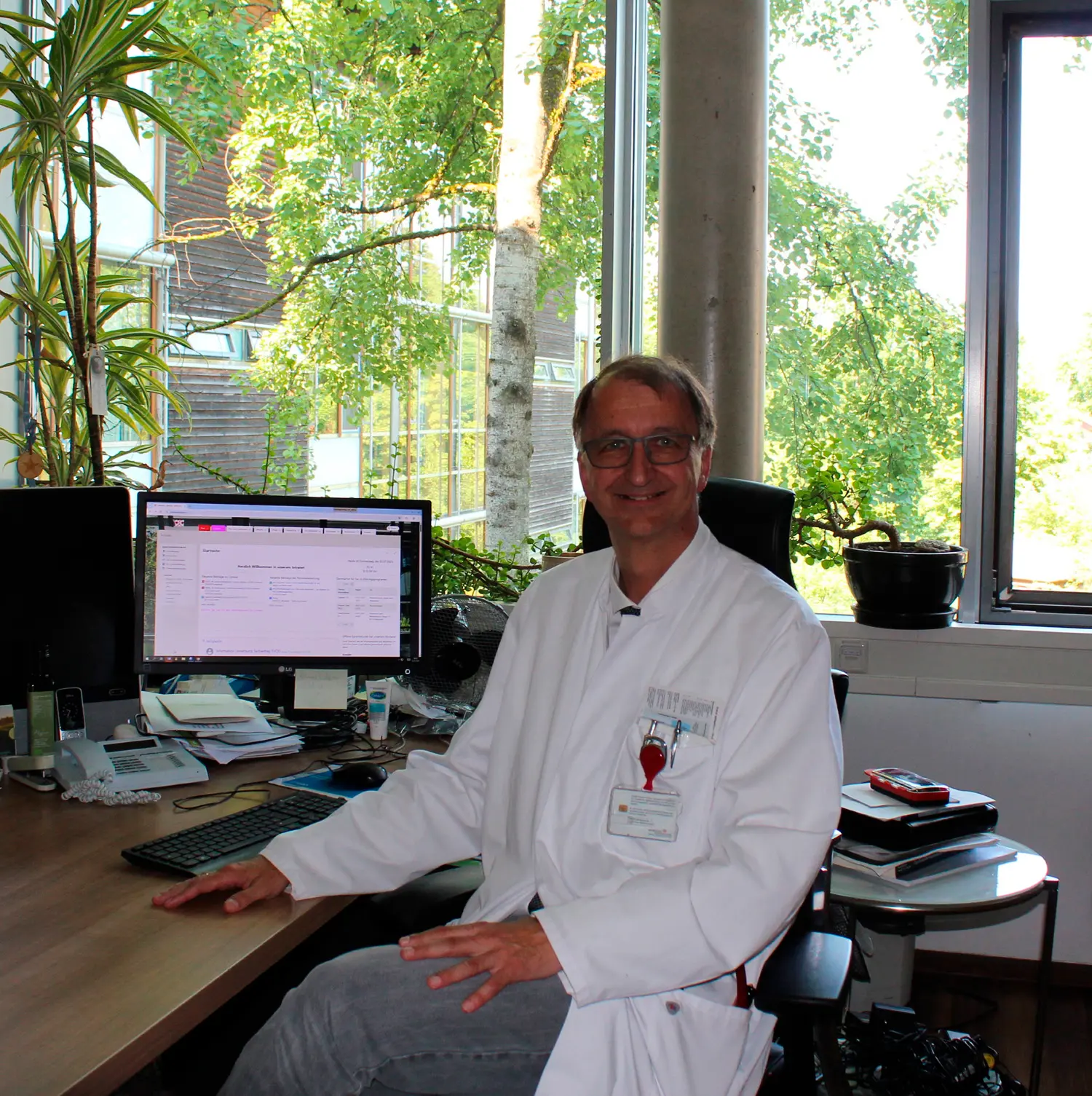
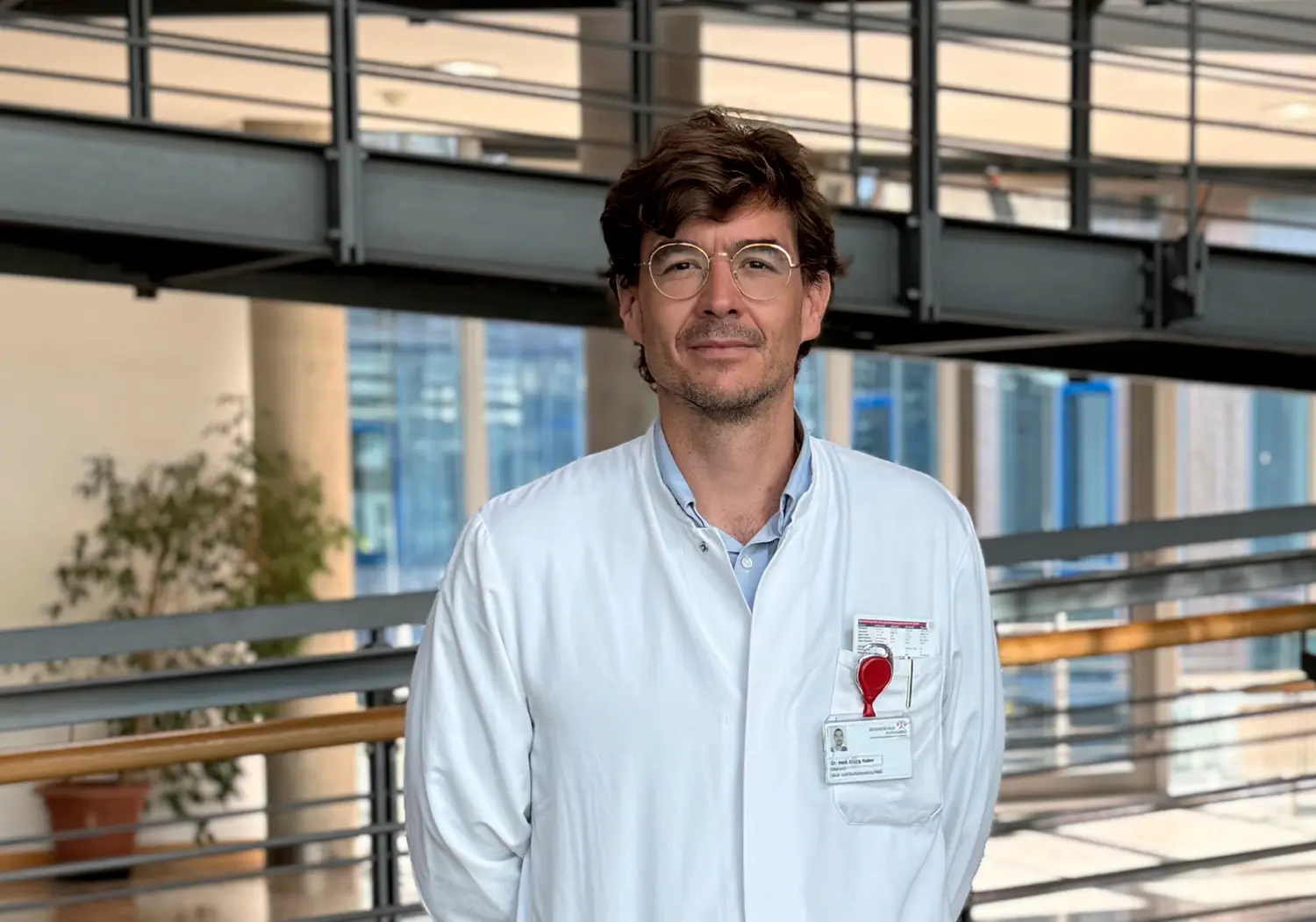
Prof. Dr. med. Andreas Menke and Dr. med. Detlev R. H. Breyer

 Find a Doctor
Search the network for suitable specialists and contact them directly
The only constant in life is change – this was already known by Heraclitus. Especially after the age of 40, we increasingly feel physical changes in our own bodies. Menopause, declining eyesight, joint problems: signs of aging vary in intensity and timing for each person.
Whether and how quickly certain aging processes occur depends on many factors: in addition to genetics, lifestyle, gender – women and men age differently – and our social environment. The good news: Although we can't prevent aging, with the right knowledge, many processes can be slowed down and age-related diseases can be delayed or even avoided.
In this article, you will learn from leading medical experts about the changes that may occur in various parts of your body and the measures you can take to actively counteract them – from menopause to cardiovascular health to bones, eyes, and skin.
They often start with diffuse symptoms: You wake up at night and can’t fall back asleep, even though neither small children nor major worries keep you awake; you feel euphoric one moment and deeply depressed the next.
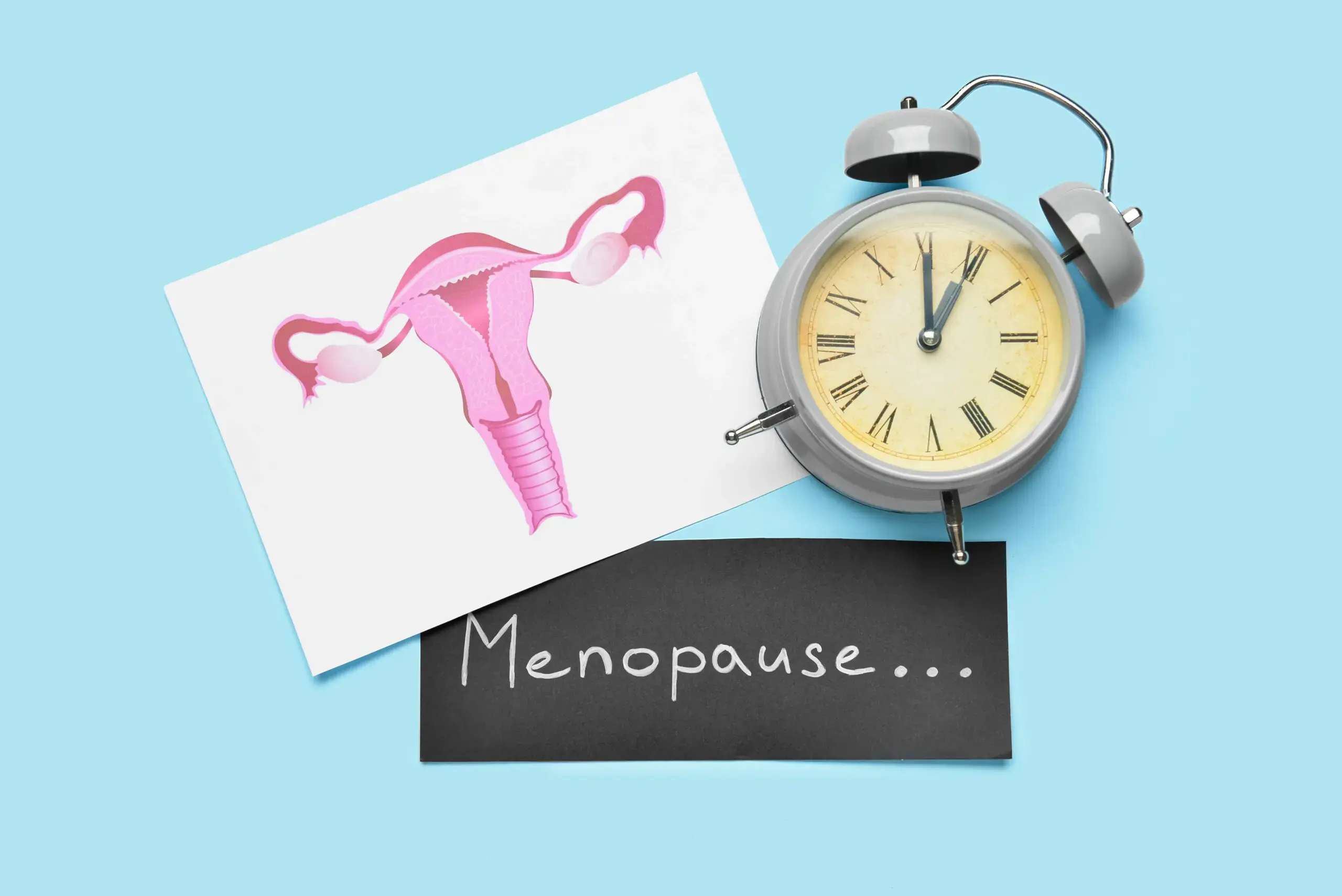
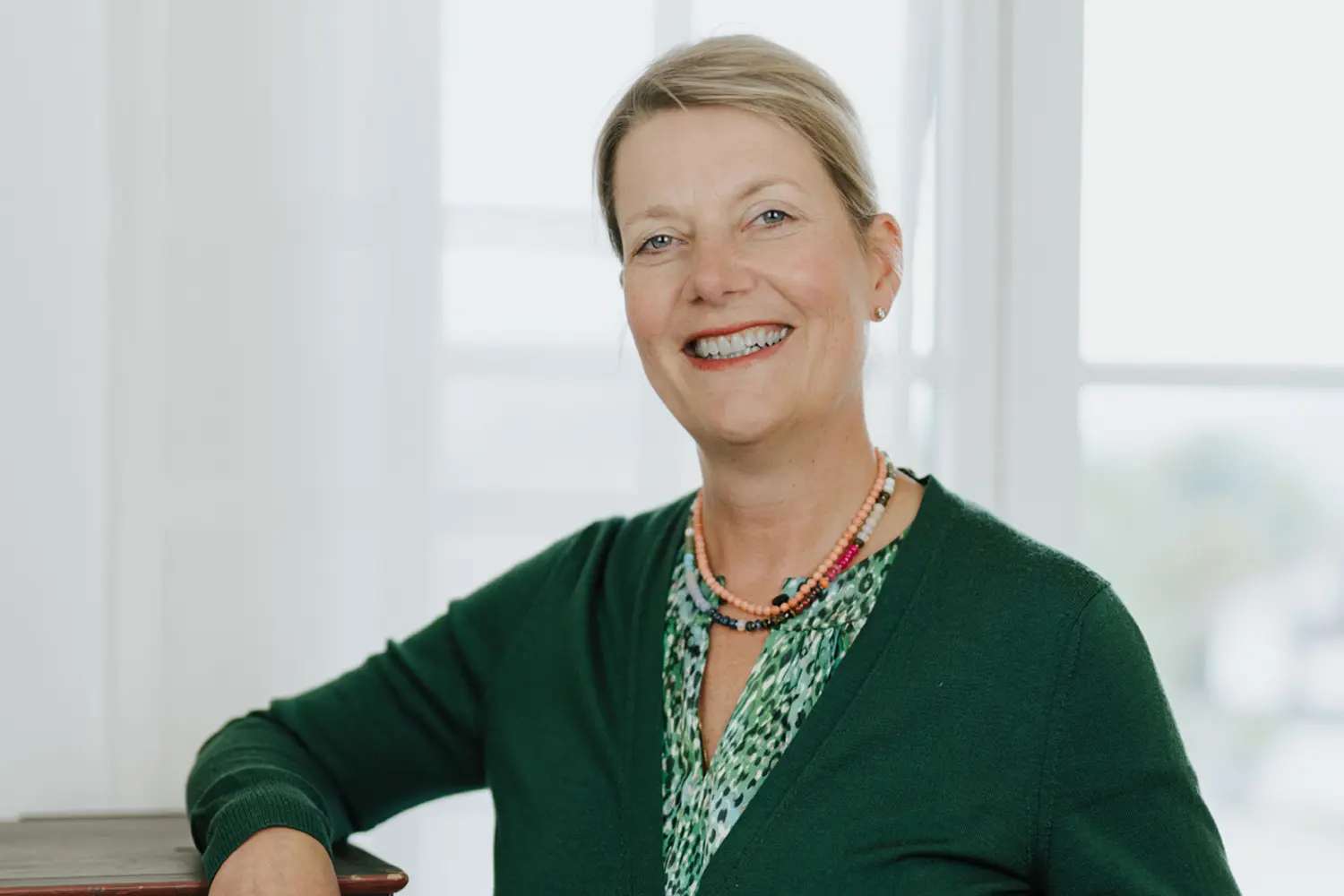
“Hormone replacement therapy leads to an improvement in quality of life. When hot flashes are added, and periods become irregular, most women realize they are in menopause. “For most women, it begins between the ages of 50 and 52. Depending on genetic disposition, it can last until 56,” says Munich gynecologist Dr. Brita von Holle.
The reason for menopause is the hormones, which are released in smaller amounts by the ovaries, causing ovulation to occur less frequently until eventually no more eggs mature.
If there is no menstrual bleeding for a year, it is called menopause. "Hormone replacement therapy improves quality of life," says Dr. Brita von Holle. The form – herbal preparations like chaste tree, soy, or black cohosh are also possible – and dosage depend on the basic disposition of the women, but also on their medical history.
A diagnosed osteoporosis or hormone-related depression are also indications for hormone administration for the gynecologist. She also advises more athletic, wiry women to do so. "Women with more fatty tissue generally have less pronounced symptoms because fatty tissue produces hormone precursors." It must not be overlooked that hormone replacement therapy increases the likelihood of developing breast cancer. Therefore, regular check-ups at higher frequencies are important.
"I agree with the Greek philosopher Epicurus: One should enjoy life to the fullest to be happy," says Munich cardiologist Dr. Alexander Zitzmann. "Epicurus also said that every pleasure contains a renunciation."
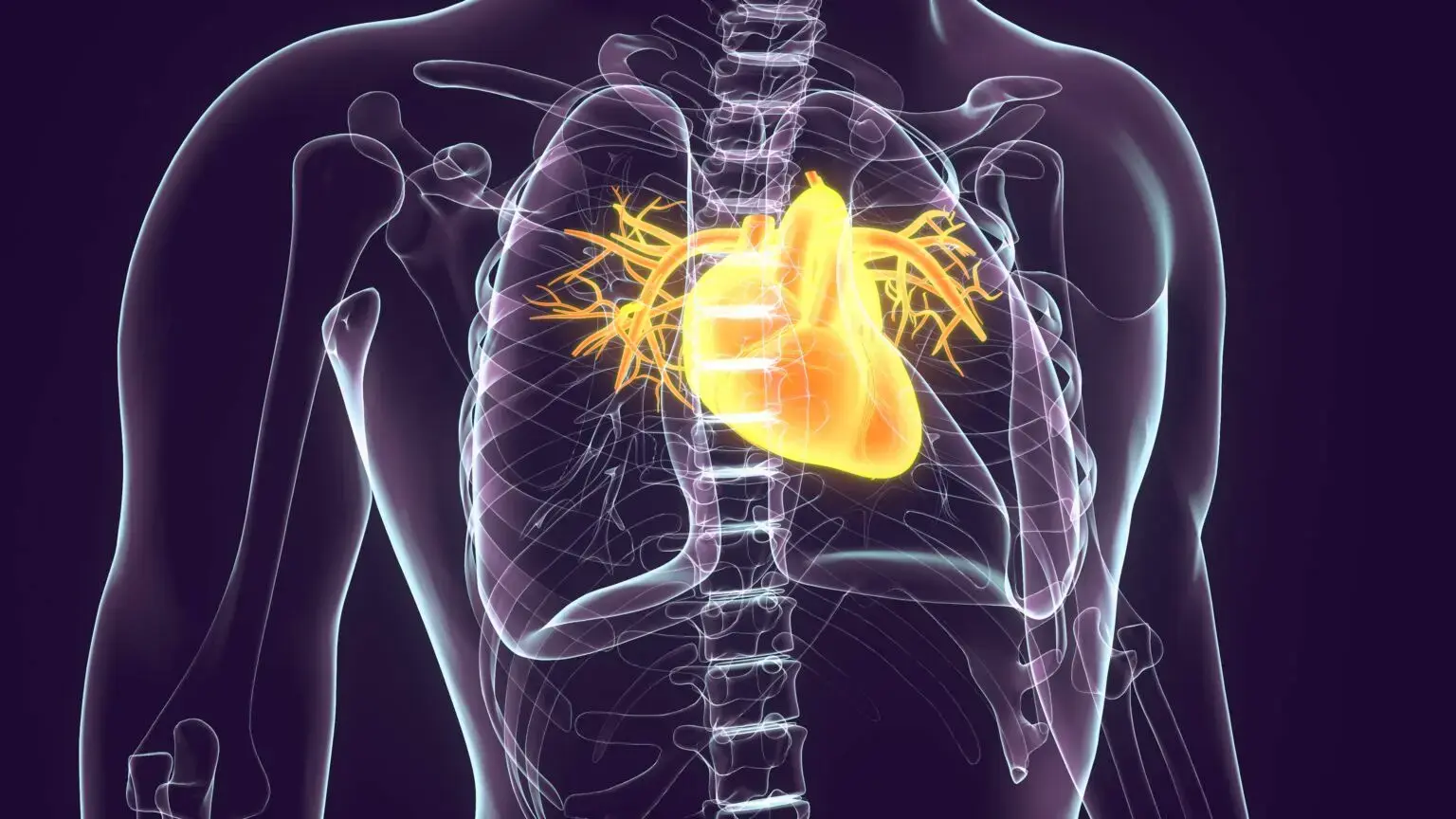
As old as this insight is, it is still true when it comes to preventing cardiovascular diseases. Epidemiologically, single bachelors have one of the worst life expectancies because they often drink and smoke too much, eat irregularly, but above all, because loneliness can release stress hormones that promote inflammation in the body.
Additionally, stress hormones weaken the immune system. Therefore, so-called distress, triggered by lack of time, pressure of deadlines, or overwork, can cause blood pressure levels to suddenly rise sharply, which in the worst case can lead to cardiac arrhythmias, acute heart failure, up to a heart attack.
The so-called eustress, triggered by athletic achievements or the anticipation of a big celebration, does not harm but even has positive effects. Since cardiovascular diseases are the number one cause of death - for men from the age of 60, for women 10 years later - Dr. Zitzmann urgently recommends preventive care.
"Anyone who comes from a family with a history of heart attack, stroke, or high blood pressure should have regular lab tests, EKG, and heart ultrasound from the age of 30. If there is a familial lipid metabolism disorder, the specialist advises having children tested for cholesterol early on.
The good news: Presbyopia, which affects everyone at some point in life, can now be easily corrected with laser surgery. Perfect for those who are tired of wearing reading glasses or contact lenses. Cataracts, which most people will eventually suffer from (nearsighted individuals usually sooner, sometimes as early as 40), can also be effectively treated.
"I operate on around 90 percent of my patients on both eyes, so they no longer need glasses afterward," says Dr. Detlev R.H. Breyer from the Breyer Kaymak & Klabe eye surgery clinic and the Premium Eyes laser center in Düsseldorf.
In this process, the cloudy natural lens is replaced with an artificial lens. Either as a multifocal lens, which essentially functions like a progressive lens, or as an EDOF lens (Enhanced Depth Of Focus), which not only provides clear vision at near and far distances but also achieves an extended depth of field in the intermediate range.
Much more dangerous, but also rarer, is glaucoma. In this condition, increased intraocular pressure damages the optic nerve, causing the visual field to constrict concentrically.
"The tricky thing about glaucoma is that you don't notice it until it's too late," warns Dr. Breyer. Therefore, from the age of 40, or at the latest 50, an eye doctor should check the eye pressure and measure the optic nerve once a year. "This allows early detection of glaucoma, and with MIGS (Microinvasive Glaucoma Surgery), something can be done about it," says Dr. Breyer.
Macular degeneration, another age-related chronic eye disease that typically begins around the age of 55 and can lead to blindness in the worst case, can be detected with the so-called Amsler grid. You look at a grid structure through the appropriate glasses and alternately cover the right and left eye. The lines should not appear wavy.
For dry macular degeneration, there is now the so-called photobiostimulation treatment, a therapy with light of a specific wavelength that stimulates the regeneration of retinal cells.
Various injection therapies and medications are the treatment of choice for wet macular degeneration. "A lot is happening in this area," says Dr. Breyer. Prevention is also crucial: "Wear sunglasses whenever it seems even remotely necessary."
"Social isolation—when people retire, partners or friends die—is one of the most well-known chronically toxic stressors," says Prof. Dr. Andreas Menke, Medical Director of Medical Park Chiemseeblick, a specialist clinic for psychosomatics and psychotherapy. "Additionally, we are less able to cope with stress as we age." Two factors that can lead to (age-related) depression.
Both women and men are equally affected. The difference is that women are more likely to talk about it and seek help, while men are often irritable and less sad, so the environment does not immediately think of depression.
The second problem is the stigma that still exists. "With age-related depression, you should definitely see a doctor," advises Prof. Dr. Menke. This could be a general practitioner, a psychotherapist, or a psychiatrist. "Because with therapy and/or medication, it is curable." Self-help groups can also provide support. To fight the taboo and raise awareness, there are more and more initiatives like the "Alliance Against Depression," which is active throughout Germany.
The skin reaches its prime at around 20 years old. "After that, it begins to age," says Munich dermatologist Dr. Stefan Duve. "The fact that people today look younger than they used to is certainly because they are much more sensitive to the topic of beauty, pay more and consistent attention to sun protection, and counteract it with well-known methods such as microdermabrasion."
When it comes to aging, there are indeed differences between men and women. Although men's skin generally produces more collagen, which functions like a natural support corset, they typically show the first expression lines earlier or more strongly—around the eyes and between the brows. After menopause and the altered hormone production, women's skin then ages differently and faster.
How to keep the skin as young as possible for as long as possible? Through sun protection from early childhood, sufficient sleep, no nicotine, little alcohol, and care rich in active ingredients. "Nutrition and dietary supplements will also gain in importance in the future," says Dr. Duve. "However, research in this regard is still in its infancy."
Saliva is important for the oral flora and the health of the teeth, and the bacteria it contains have a protective effect. "Antibacterial mouthwashes therefore do not belong in daily oral hygiene," says Dr. Christian Leonhardt, head of dentists at Perlach in Augsburg. As saliva production decreases with age, the risk of caries and gum disease increases. Especially in women during menopause, because the oral mucosa has estrogen receptors that can react to hormone withdrawal with dryness.
Dr. Leonhardt recommends stimulating saliva flow with chewing gum or organic cherry stones. Generally, from the age of 40, signs of enamel wear appear due to chewing, malfunction, and the consumption of acidic foods.
Additionally, changes in tooth structure and color, and gum recession occur, increasing the risk of root caries and tooth loss. These changes happen gradually, vary individually, and depend on gender: men are more prone to gum diseases (periodontitis) and tooth loss, which is related to a weaker immune response to bacteria in the oral cavity and higher bone density.
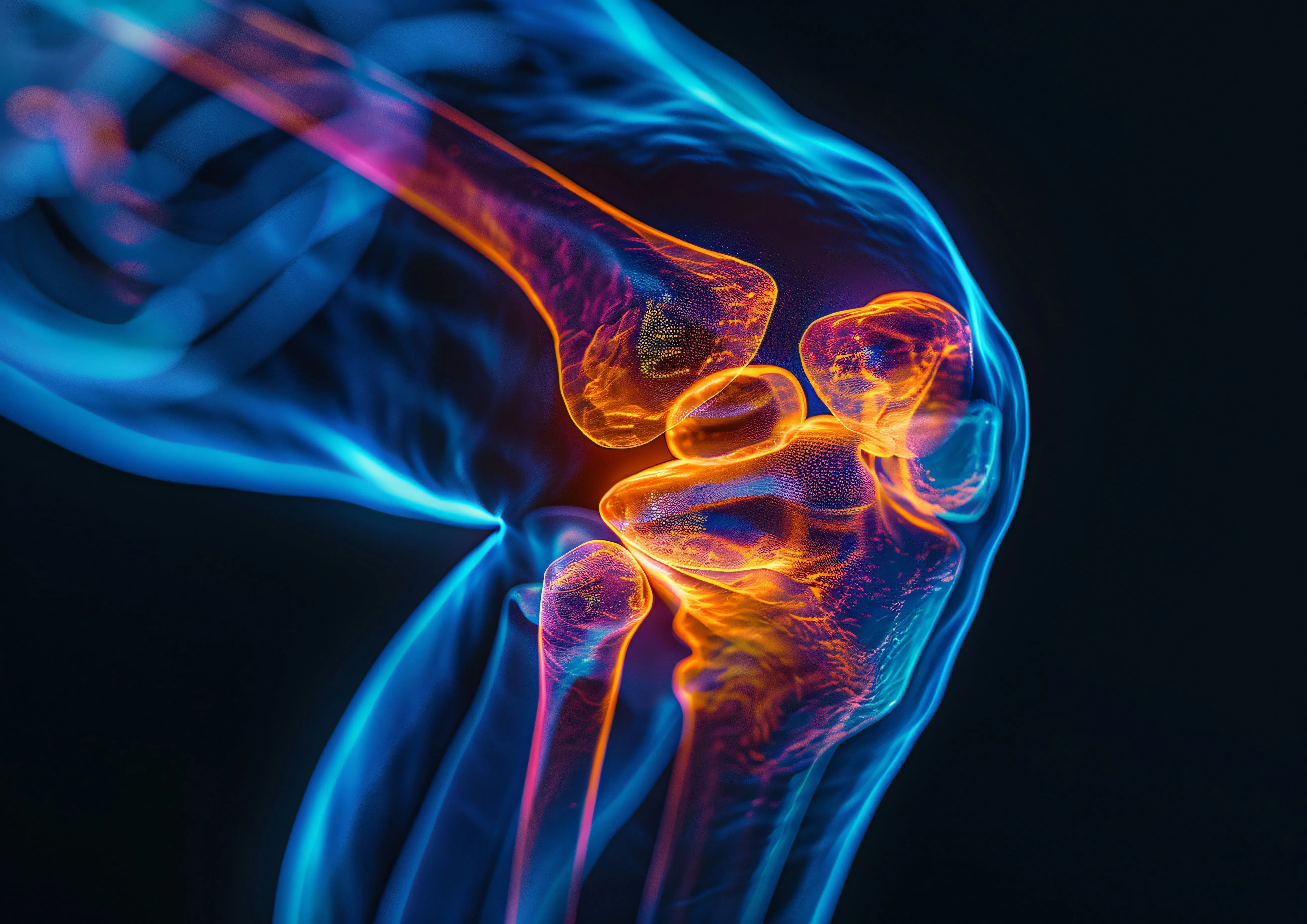
It often begins unnoticed in early adulthood: bone and cartilage substance decreases, tendons and ligaments lose their elasticity and become shorter. The consequences: over time, osteoporosis can occur, and bones may fracture without any real cause. Joints ache and are less mobile, leading to problems walking, sitting, and standing.
Knees and hips are usually affected because they are more strained. How we can protect ourselves and delay changes – especially osteoarthritis: ‘By maintaining a normal weight with a BMI of 20 to 25, through a balanced and plant-based diet, and through exercise,’ says Dr. Christina Valle from the Clinic for Orthopedics and Sports Orthopedics at the Munich Klinikum rechts der Isar.
She recommends low-impact sports that do not put too much stress on the joints, such as cycling, walking, and swimming. However, if osteoarthritis at some point so severely impairs the quality of life that conservative therapies no longer help, an artificial joint is the treatment of choice.
For most women, menopause begins between the ages of 50 and 52. However, depending on genetic predisposition, this point can vary up to the age of 56. Initial symptoms such as sleep disturbances, mood swings, and irregular periods can occur several years earlier. Menopause is defined as having no menstrual period for one year.
The best prevention of osteoarthritis consists of three pillars: First, you should aim for a healthy body weight with a BMI between 20 and 25, as being overweight puts a lot of stress on the joints. Second, a balanced, plant-based diet helps reduce inflammation. Third, joint-friendly sports such as cycling, walking, and swimming are ideal for keeping the joints flexible without overloading them.
From the age of 40, at the latest from the age of 50, you should visit an ophthalmologist once a year to have your eye pressure checked and your optic nerve measured. This preventive examination is crucial to detect glaucoma early. The insidious thing is that those affected often only notice the disease when irreversible damage to the optic nerve has already occurred.
Skin aging can be slowed down by several measures: Consistent sun protection from childhood is the most important preventive measure. In addition, getting enough sleep, avoiding nicotine, reducing alcohol, and using nutrient-rich skin care products help. Nutrition also plays an increasingly important role, and research into dietary supplements for skin health is continuously advancing.
If heart attack, stroke, or high blood pressure are common in your family, you should regularly check your lab status and have an ECG and heart ultrasound performed from the age of 30. Even without a family history, a cardiological preventive examination from the age of 40 is advisable because cardiovascular diseases are the most common cause of death – for men from 60 and for women from 70 years of age.
Yes, age-related depression can be cured with the right treatment. It is important to seek professional help in a timely manner – from a general practitioner, therapist, or psychiatrist. Treatment may consist of a combination of psychotherapy and medication. Additionally, support groups can be helpful. Social isolation is one of the main triggers of age-related depression, so building and maintaining social contacts is particularly important.
As people age, the salivary glands produce less saliva. In women, this effect is particularly pronounced during menopause because the oral mucosa has estrogen receptors and can react to the withdrawal of hormones with dryness. Since saliva is important for oral flora and dental health, the risk of cavities and gum disease increases. Salivation can be stimulated by chewing sugar-free gum or using biological cherry pits.
Hormone replacement therapy can be useful if menopausal symptoms such as hot flashes, sleep disturbances, or mood swings significantly impair quality of life. It may also be indicated for diagnosed osteoporosis or hormonally induced depression. The decision should always be made individually with a gynecologist who takes personal medical history into account. Important to know: Hormone replacement therapy slightly increases the risk of breast cancer, which is why close monitoring is necessary.