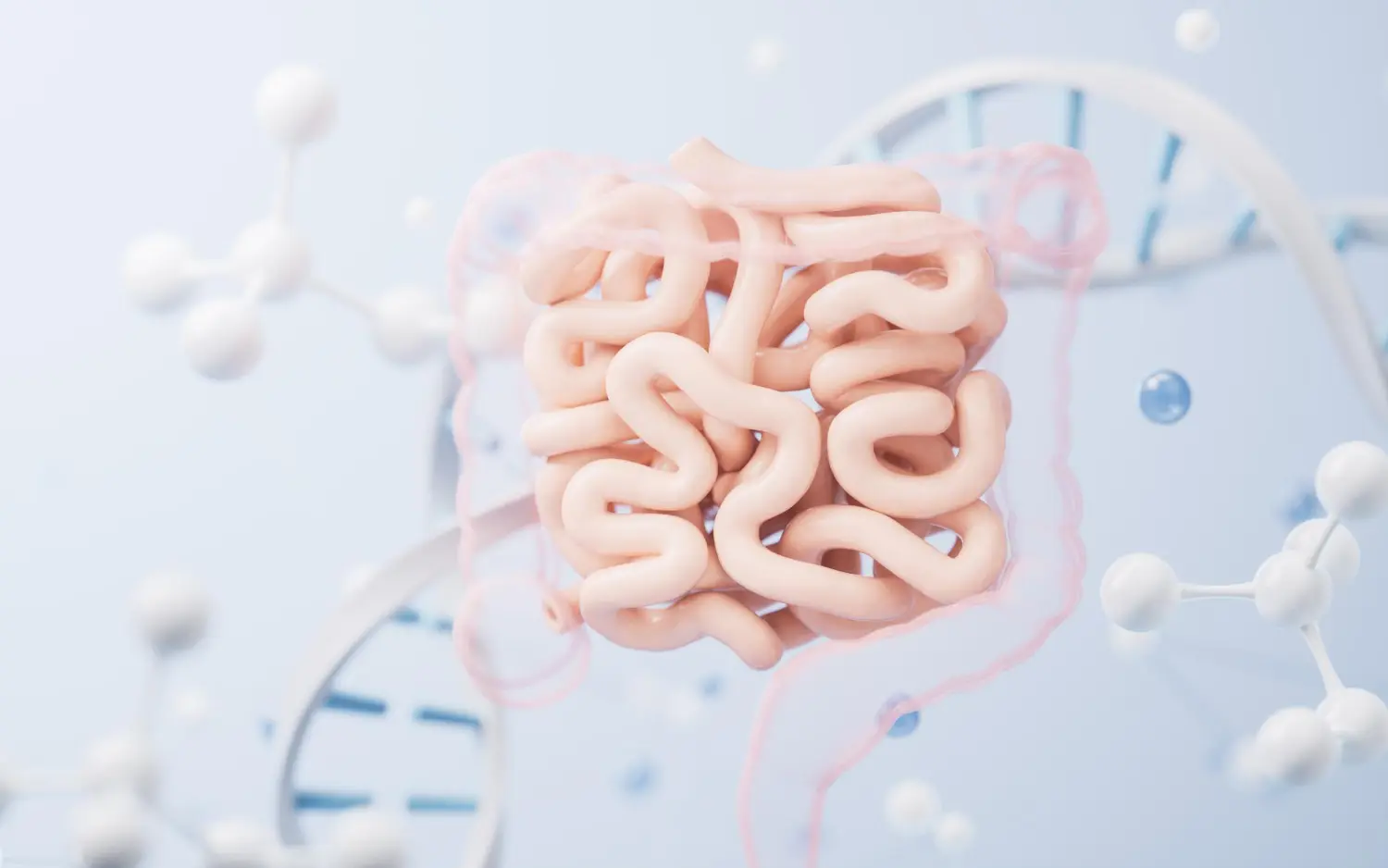
Stress can have a massive impact on your gut. Many people suffer from bloating, diarrhea, or irritable bowel syndrome — without knowing that the cause often lies in the mind.
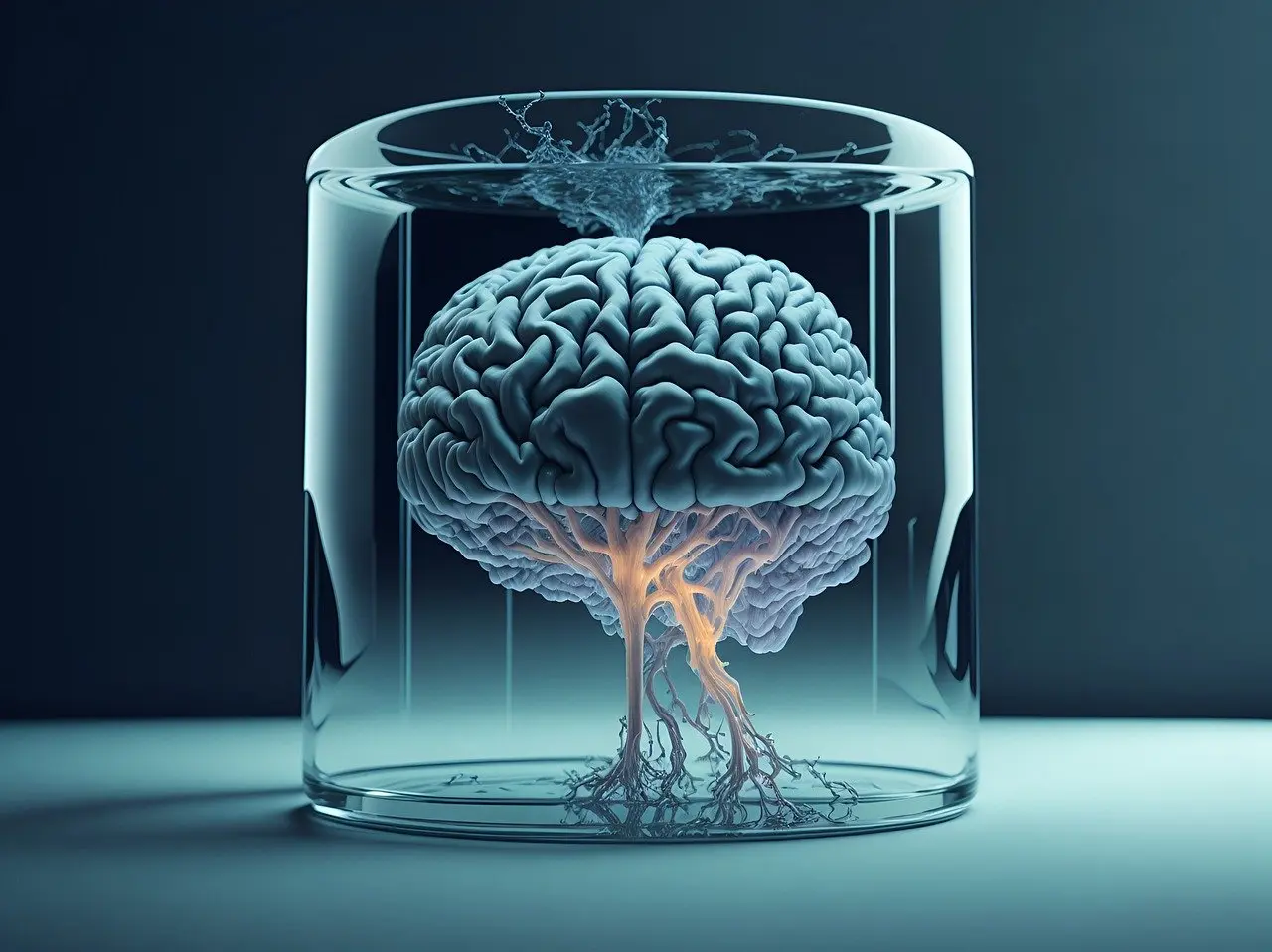
The so-called gut-brain axis connects the brain and the digestive system directly. If this system is thrown off balance by chronic stress, gut problemsarise that also affect mood and health.
Learn how the gut-brain axis works, why stress damages the microbiome—and which measures really help.
What is the gut-brain axis?
The gut-brain axis is a bidirectional communication system between the gut and the brain, via the vagus nerve, hormones and the immune system.
Serotonin —the so-called "happiness hormone"—is produced 95% in the gut. It controls not only mood but also bowel movement. At the same time, a large part of our immune system is located in the gut: 70% of all immune cells are located in the intestinal mucosa. Inflammatory messengers like IL-6 can cross the blood-brain barrier and trigger neuroinflammation – a direct path from the gut to psychological symptoms.
Gut bacteria also produce short-chain fatty acids like butyrate, which act directly on nerve cells and promote the production of BDNF (Brain Derived Neurotrophic Factor) – an important growth factor for nerve cells. The gut is thus far more than a digestive organ: it is the largest endocrine organ.
How stress destroys the gut-brain axis
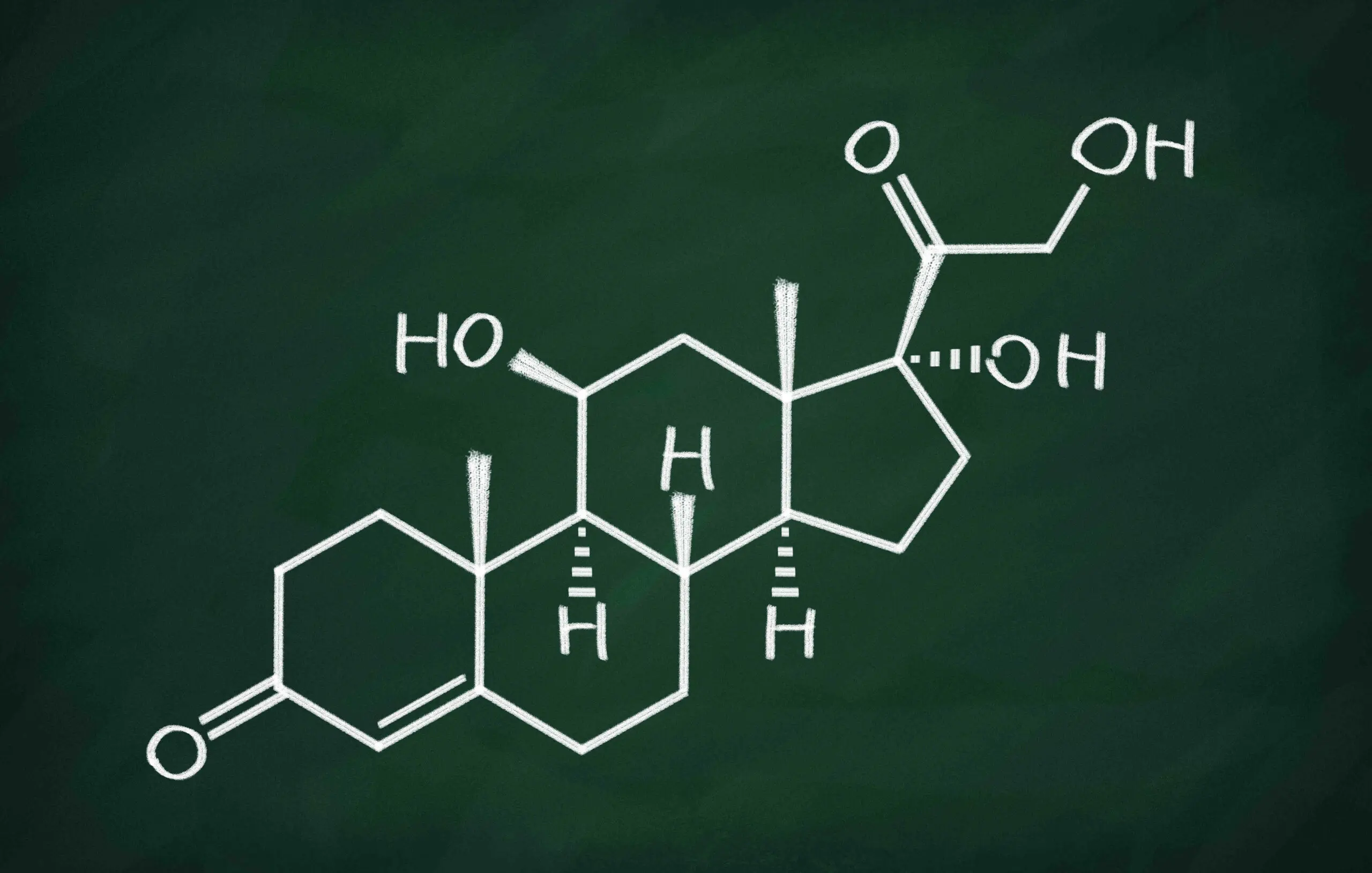
In cases of chronic stress, the so-called HPA axis (hypothalamic-pituitary-adrenal axis) is activated: The hypothalamus releases CRH, the pituitary gland releases ACTH, and finally, the adrenal cortex releases cortisol and adrenaline. These stress hormones trigger a chain reaction in the gut:
• Cortisol shrinks the protective layer of the intestinal mucosa and makes the intestinal barrier permeable – keyword: Leaky Gut
• Lipopolysaccharides (LPS) from dead intestinal bacteria enter the blood and activate microglia in the brain via TLR4 receptors
• The gut microbiome changes within 7–14 days: protective bacteria like Bifidobacterium and Lactobacillus decrease, inflammatory Proteobacteria increase
• Increased intestinal permeability (Zonulin↑) correlates with neuroinflammation and depression (Odds Ratio 2.3)
The result: A vicious circle of intestinal inflammation, microbiome dysbiosis, and psychological stress, which intensifies without targeted intervention
Symptoms of a disrupted gut-brain axis
When the gut-brain axis is disrupted, it often manifests through a variety of complaints – both in the gut and in the brain. However, typical gut-brain axis symptoms are often underestimated or not directly associated with each other.
Intestinal problems occur particularly frequently due to Stress on. These include bloating, diarrhea, constipation, or alternating bowel movements - classic irritable bowel syndrome symptoms that often worsen under psychological stress. Many sufferers also report a feeling of fullness, abdominal cramps, or an increased sensitivity to certain foods.
At the same time, psychological symptoms that are closely linked to bowel function also appear. These include anxiety disorders, inner restlessness, depressive moods, or concentration problems. The reason: A disturbed gut-brain axis directly influences signal transmission in the brain through inflammatory processes, the microbiome, and the vagus nerve.
Other typical stress-gut symptoms are fatigue, sleep disturbances and increased susceptibility to stress. A vicious cycle often arises: Stress burdens the gut - and a disturbed gut in turn intensifies the body's stress reaction.
If several of these brain-gut axis symptoms occur simultaneously and persist for more than a few weeks, this may be an indication of an imbalance in the interaction between the gut and brain. In this case, it makes sense to specifically analyze and improve both digestion and stress levels.
Scientific: Connection between gut and psyche
Studies from the neurogastroenterology show: Up to 39% of IBS patients have anxiety symptoms and 29% depression symptoms – three times more common than in the general population
A 2025 study found reduced microbial diversity and increased inflammatory markers in stressed adolescents, demonstrating that chronic stress evidently alters the gut flora.
Animal studies show microbiome shifts within 7–24 days under stress.
10 tips to strengthen the gut-brain axis
1. Stimulate the vagus nerve through deep abdominal breathing
The vagus nerve is the most important communication channel of the gut-brain axis – and it can be specifically trained. Technique: Inhale for 4 seconds, hold for 4 seconds, exhale for 6 seconds. Practiced daily for 5 minutes, this exercise reduces cortisol by up to 24%.
Other effective vagus nerve stimuli: cold showers (30 seconds), humming or singing. All these methods directly activate vagus nerve branches and improve heart rate variability (HRV) – a measurable indicator of vagal tone.
2. Prebiotics: Specifically feeding the gut flora
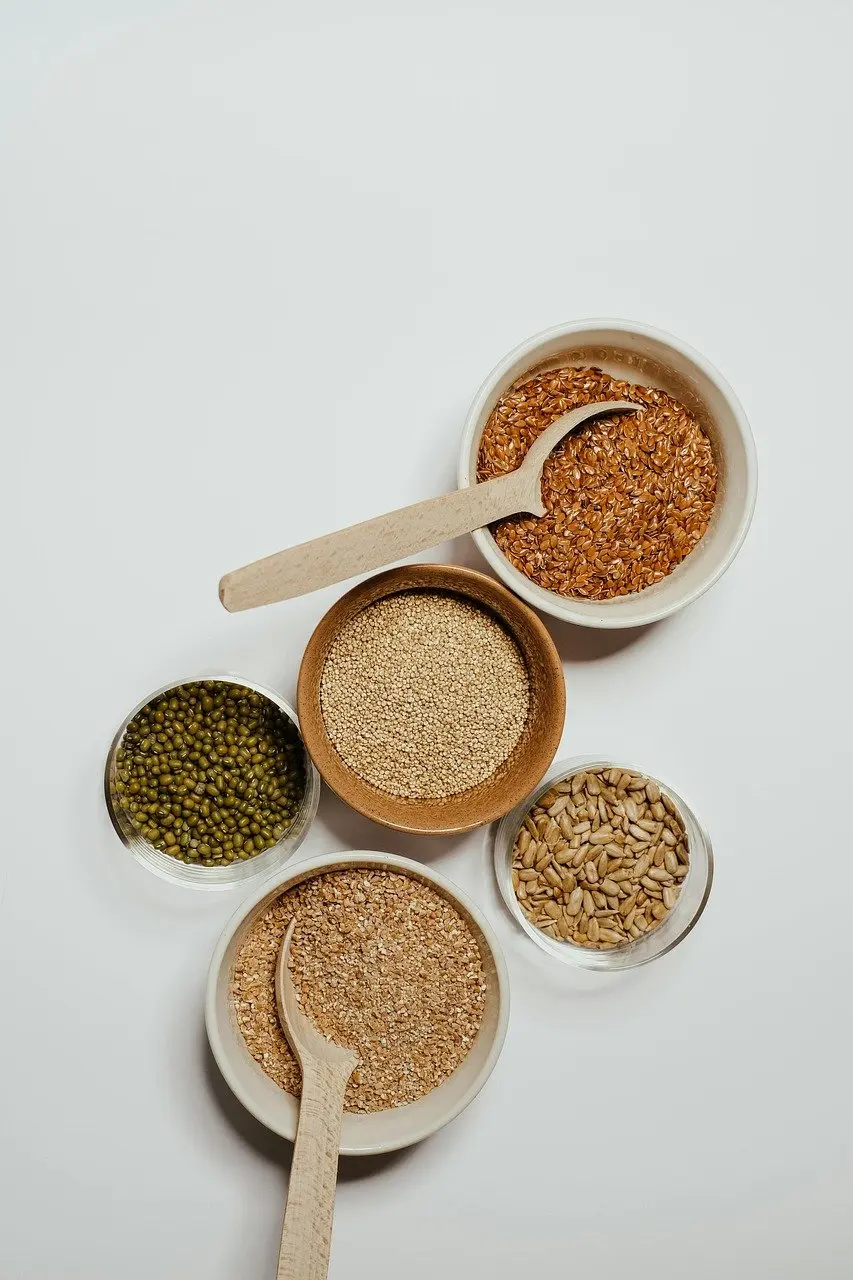
Inulin from chicory root and Beta-glucans from oatmeal are the most potent prebiotics. They nourish bifidobacterium strains and increase the production of short-chain fatty acids tenfold. Goal: 10–15 g daily from natural sources like chicory, garlic, onions, and oatmeal.
3. Probiotic foods and psychobiotics
Fermented foods such as kefir, sauerkraut, and kimchi provide live cultures that produce neurotransmitter precursors. Particularly studied are so-called psychobiotics – probiotics with proven effects on the psyche.
Lactobacillus rhamnosus JB-1 improves mood via GABA production by 26%. Bifidobacterium longum 1714 reduces anxiety by 26% and depression scores by 41% in studies.
4. Reduce sugar and alcohol
High sugar intake promotes pro-inflammatory Proteobacteria by 187%.
Recommendation:Sugar limit to under 25 g daily, alcohol to a maximum of 14 g (women) or 28 g (men). Even a two-week reset shows measurable microbiome improvements and reduces systemic inflammation markers.
5. Omega-3 fatty acids against neuroinflammation
EPA and DHA from fatty fish (salmon, mackerel) or high-quality fish oil block LPS-induced inflammatory processes in the brain. 2 g daily reduce microglia activity by up to 43%. Plant-based alternatives: walnuts, flaxseeds, and hemp oil (ALA as a precursor).
6. Exercise after eating
A 10-minute walk after main meals stabilizes blood sugar by 25%, increases GLP-1 by 15%, and promotes gut motility. Sunlight additionally supports vitamin D and serotonin production – a double benefit for gut and psyche.
7. Drink enough
2–3 liters of water per day are essential for a healthy intestinal lining. Dehydration increases cortisol levels by 18% and measurably reduces microbial diversity. Tip: Add a pinch of sea salt for electrolytes if over 2.5 liters.
8. Caffeine cutoff after 2 PM
Caffeine has a half-life of 5–6 hours. A cup at 3 PM still affects sleep at 10 PM, disrupting nighttime gut regeneration. Herbal teas like chamomile or peppermint are ideal in the evening. A two-week caffeine reset significantly improves sleep quality and indirectly the microbiome too.
9. Keep a stress and diet diary
Record meals, stress level (1–10), digestion, and mood for 7 days. Common correlations – such as "lactose + stress = bloating" – become visible, enabling targeted elimination tests. This simple tool often reveals connections faster than complex diagnostics.
10. Medical consultation for persistent symptoms
Relevant blood values: Vitamin D, B12, CRP, and Zonulin. Stool tests (SIBO test, Calprotectin) clarify underlying dysbiosis. Gastroenterological evaluation is recommended for symptoms over 6 weeks.
How quickly does the microbiome improve?
• After 1–2 weeks: Less bloating, more stable mood
• After 4–6 weeks: Significant microbiome stabilization through dietary changes
• After 8–12 weeks: Measurable reduction in cortisol and improved mood
• After 3 months: Improved stress resilience, sleep quality, and cognitive performance
When to see a doctor?
Warning signs such as unintentional weight loss, blood in stool, nocturnal diarrhea attacks, or fever require immediate Gastroenterological clarification. In persistent complaints over 6 weeks, blood values and stool examinations are standard.
Conclusion
The gut-brain axis shows: gut and psyche are inextricably linked. Chronic stress destroys the microbiome, triggers leaky gut, and leads to depression and anxiety disorders through neuroinflammation. Psychobiotics, vagus nerve stimulation, and targeted nutrition have been shown to stabilize this system.
The research on John Cryan has elevated the gut-brain axis from basic research to a clinical therapy target. The gut is not just a digestive organ – it is a second brain.
FAQ about the gut-brain axis
Can stress really trigger Irritable Bowel Syndrome (IBS)?
Yes. Cortisol shrinks the intestinal mucosal protective layer by up to 60% and alters the tight junctions. Within 7-14 days, dysbiosis develops, triggering typical IBS symptoms. Up to 39% of IBS patients simultaneously have anxiety symptoms.
Why does the gut affect my mood?
95% of serotonin is produced in the gut. Gut bacteria provide precursors and produce GABA as well as short-chain fatty acids (SCFAs), which reach the brain directly via the vagus nerve and influence mood regulation.
How long does it take for the microbiome to improve?
Initial changes can be observed after 1–2 weeks. Significant stabilization occurs after 4–6 weeks. Cortisol reduction and mood improvement are seen in studies after 8–12 weeks of consistent dietary changes.
Can probiotics alleviate depression?
Yes, in controlled studies. Psychobiotics like Lactobacillus rhamnosus JB-1 and Bifidobacterium longum 1714 reduce anxiety scores by 26% and depression scores by 41%. However, they are not a substitute for psychotherapeutic or medication treatment in clinical depression.
Is Leaky Gut scientifically recognized?
Yes. Increased intestinal permeability (measured through the biomarker zonulin) correlates with neuroinflammation and depression (Odds Ratio 2.3). Numerous randomized controlled trials confirm the association between intestinal permeability and mental disorders.