© Johannes Plenio
January 13, 2026
Bernd Skupin
The forest – we love and destroy it at the same time. And sometimes we even fear it. Anatomy of a difficult love story.

With
Prof. Dr. med. Andreas Menke
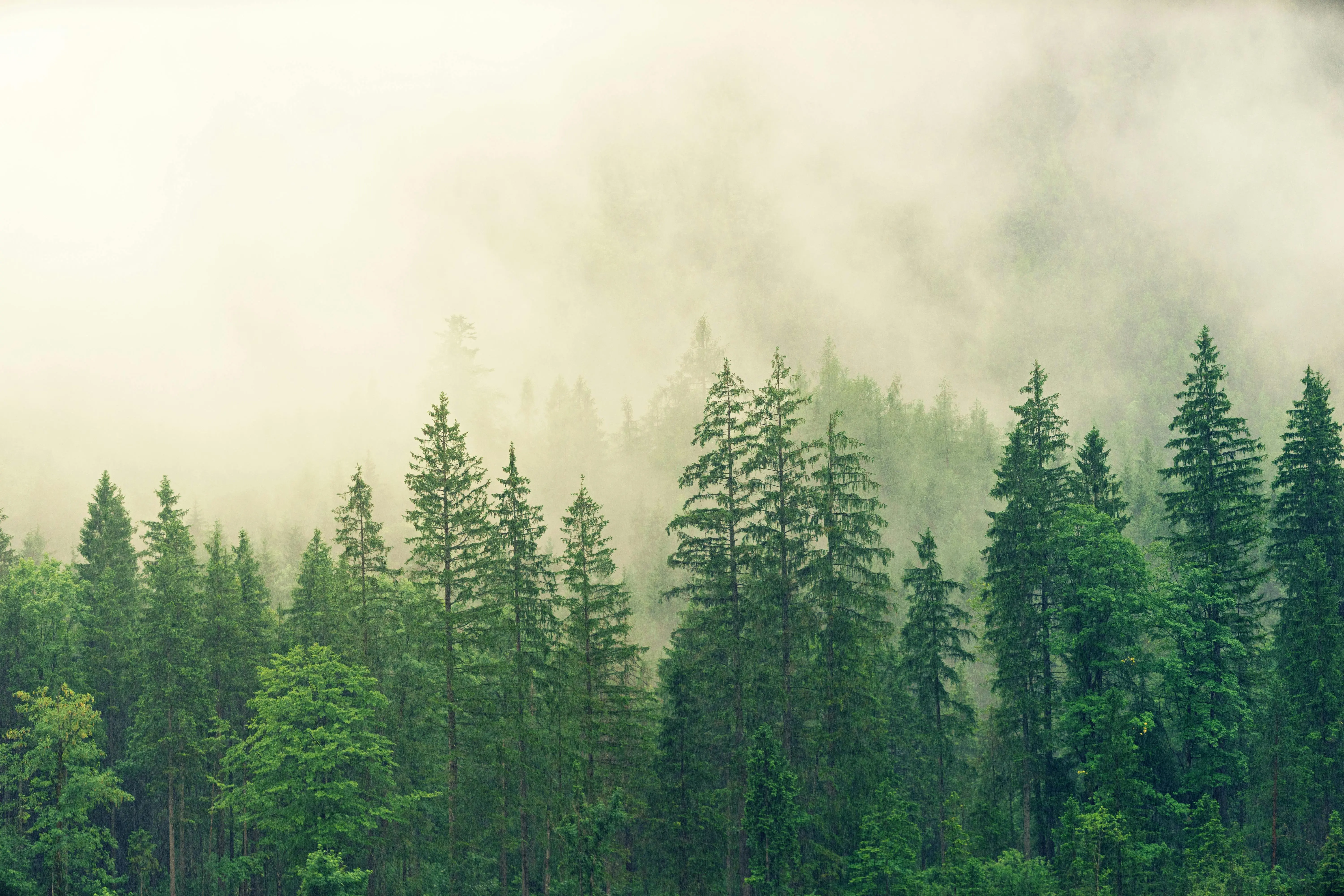
Sung about, described, portrayed in paintings, photographs, and films. The forest is a star in Germany. At the latest with Romanticism, the paintings of Caspar David Friedrich, and the fairy tales of the Brothers Grimm, its career begins as a strangely ambivalent place of longing, where everything can turn out well – or where horror lurks. And even today, it effortlessly reaches the top of the bestseller lists, when, for example, the forester and author Peter Wohlleben presents us with The Hidden Life of Trees as communicating beings and the entire forest as a community of rooted giants.
However, the forest is also a diva, whose myth and great moments we follow as spellbound as her low points and strokes of fate. Forest dieback was one of the first visible signs of advancing environmental destruction in the 1980s that really alarmed people in this country.
And for years we have been particularly disturbed by reports on the effects of climate change on trees and forests. If the forest were a human being, it would have to reinvent itself. In fact, we must do this for it, give it the opportunity to do so, and support it. One way or another – our forest will change. And our emotional relationship with it?
Perhaps the forest passion in Germany really stems from the ancient Roman reports that locate the Germanic ancestors in the forests beyond the Limes. The forest as an ideal archetypal homeland? Yet the alienation between forest and people probably began much earlier. And perhaps also the longing for the forest.
Our nomadic, Stone Age ancestors roamed hunting and gathering through forests as well as grasslands and other landscapes. But with the Neolithic Revolution, the beginning of agriculture, the settling down, the emergence of settlements and villages, the forest probably slowly became the 'Other,' the place that was no longer an immediate living space and from which the yields of the fields had to be protected – be it from voracious animals or overgrowth.
And with each new step in civilization, the forest seems a bit further away. For the city dweller, rural areas are already the 'other,' the outside—and the forest even more so. And since we've been moving in digital worlds, the analog world itself is simply the outside world. The city, the street, becomes an unfamiliar, external place. And so we distance ourselves from the forest yet another step.
An oversimplified image? Certainly. But also wrong or detached? Already in 2015, physicist and nature sociologist Rainer Brämer noted in his essay noted: "Given the general urbanization of living conditions, it's becoming increasingly difficult for parents to find spaces where their children can realistically come into contact with forests and fields. And even where it's possible, a societal climate of overprotective care dictates that children be shielded from any risks possible—including nature."
It's remarkable that the generations of parents themselves enjoyed much greater outdoor freedoms and overwhelmingly remember them fondly in retrospect.
Furthermore, it is known today that simply being in the forest is beneficial to both mental and physical health in many ways—even without engaging in any sports activities like jogging or mountain biking. The forest is a pure anti-stress program. The sounds are different and soothing, the air is different, richer in oxygen, better conditioned, more humidified.
In it are found biogenic volatile organic compounds, also known as phytoncides, which are substances and aromatic compounds secreted by trees and are supposed to strengthen the immune system. In deciduous trees, it is isoprene, in conifers, it is terpenes or terpenoids. In the forest, it is easier to let go of hectic, brooding thoughts. This way of wandering through the forest, opening up to it with all senses, and consciously accepting its benefits, has gained many followers in recent years.
The concept originates from Japan, was developed in the 1980s, is now a recognized healing method there, and is called Shinrin-yoku, which is translated into our language as forest bathing. The term has nothing to do with swimming in a forest lake – as beautiful as that may be. If, like the author of this text, you practically grew up in the forest – in a house just outside a village in the Harz, where you could step out the door into the shady greenery after a few steps – forest bathing seems like the most natural thing in the world.
And there is the faint hope that this childhood among trees has impregnated you for life with the benefits and ethereal fluids of the forest – a bit like Obelix, who fell into the magic potion as a child. Unfortunately, that is not the case. But what remains is an immediate, not romantic, not constructed, but entirely creaturely longing for the forest and trees. In every city where I stay for a few days – Vienna, Zurich, Trieste, Budapest – I soon feel drawn up the hills into the forest areas. Or where that is not possible, into parks: Buttes Chaumont or Bois de Boulogne, English Garden or Central Park.
In forest bathing, as in natural healing methods, yoga, or meditation, there are different schools, sometimes more, sometimes less esoteric or spiritually oriented. With her book Immersing in the Forest – Becoming Calm and Happy with Forest Walks and its clear and sober-poetic descriptions of her own hikes, the Japan-born resident of Germany, Miki Sakamoto, became something of a voice of the movement three years ago.
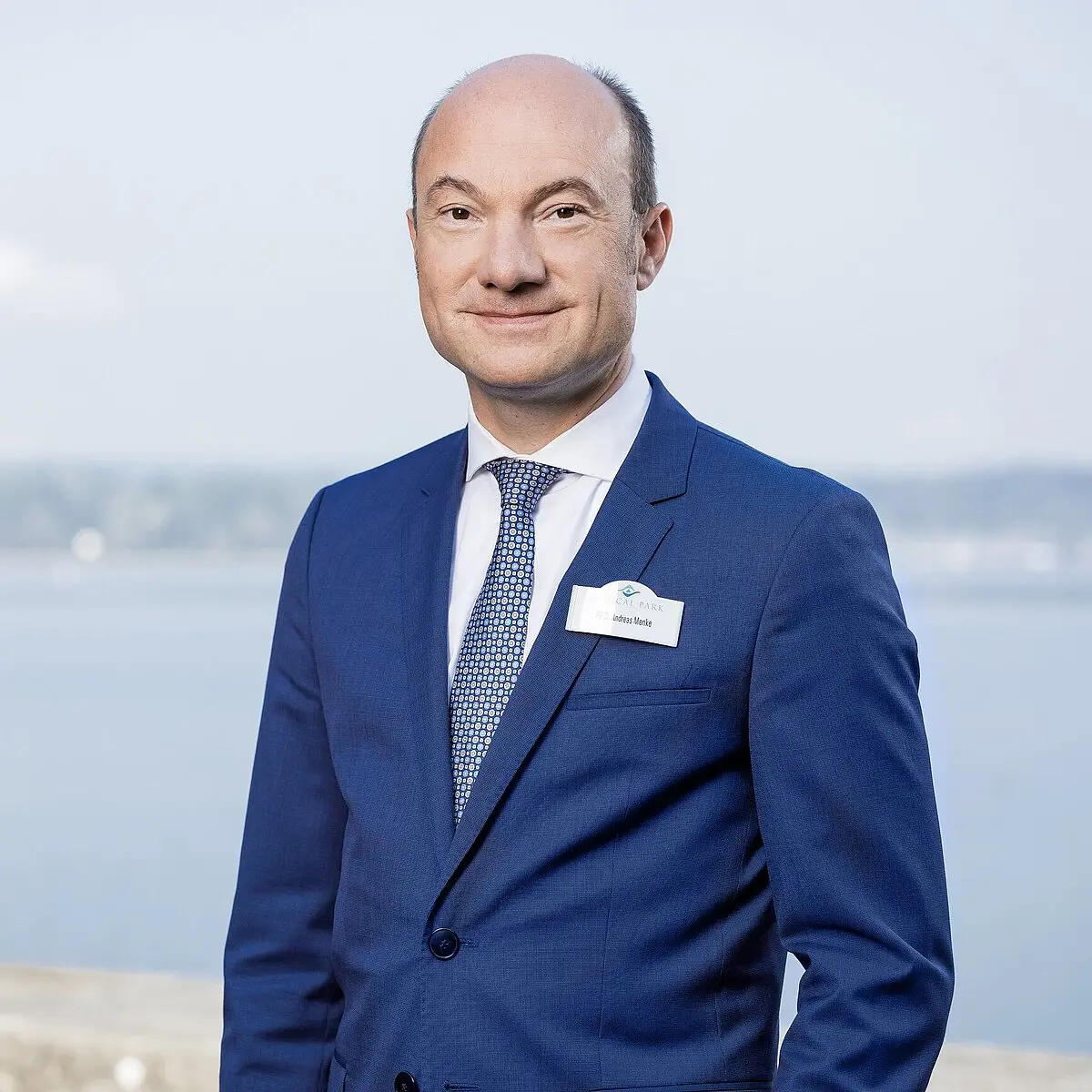
A true expert who also uses forest bathing therapeutically in the program of Medical Park Chiemseeblick in Bernau am Chiemsee is Prof. Dr. med. Andreas Menke. Talking to him, you learn amazing things about the effect of the forest - even in the smallest doses. He defines forest bathing as "immersing in the forest with all five senses. The focus is on relaxation and mindfulness. It doesn’t mean jogging through the forest, but really being consciously in the forest and absorbing it mindfully." Mindfulness exercises, such as for breathing, can support this.
"The data situation," says Menke, "is very clear. Many studies have been done since the 1980s. And even without a sophisticated forest bathing concept like the one we use, when comparing people who are just in the forest or walking through the city, it has been seen that being in the forest brings many advantages. Advantages - or effects - means lowering blood pressure, heart rate, and cortisol levels. And normalization of the immune system, such as activating certain killer cells."
What is really surprising is that such effects - albeit to a lesser extent - even occur when the real scent of the forest permeates a room, subjects touch a wooden surface (which must not be varnished), or even when they are just shown a picture of a tree or forest.
Such effects are, of course, pleasing for everyone. However, as therapy, Prof. Dr. Menke also applies forest bathing for serious issues like anxiety disorders, depression, and ADHD, or in grief counseling. For the latter two, with the restriction that it is first clarified whether the forest is really the right therapy in the individual case.
For other indications and even in psychotic disorders, studies show clear improvements through forest bathing. Patients go into the forest in groups. Strolling, resting, but also exercises for seeing, hearing, feeling, and smelling the forest take place under the trees during the multi-hour visit.
In the "forest solo," alone in perception with all senses, they experience how within minutes their impressions of the forest change, expand, and at the same time become more refined and deeper. And in the "forest wardrobe," at the end of the stay, they can decide what they want to take back into the world from what they mentally "hung up" there at the beginning - and what not. Almost everyone returns strengthened. And if the presence of a single tree, just a scent of the forest, or touching a piece of wood does us good, then perhaps we really are forest beings - and our romantic raptures for the forest are indeed true love.