© Freepik
January 22, 2026
Marianne Waldenfels
How healthy is lion's mane really? Learn all about the effects of the medicinal mushroom Hericium erinaceus on the brain, immune system, and digestion. Plus: Dosage and intake recommendations.
The lion's mane mushroom, scientifically known as Hericium erinaceus, is gaining popularity as a natural dietary supplement. Of particular pharmacological interest are the ingredients Hericenones (primarily in the fruiting body) and Erinacines (primarily in the mycelium), which promote nerve cell growth and have anti-inflammatory effects in cell and animal models.
But how healthy is lion's mane really, and what benefits does its consumption bring? This article examines the health aspects of this extraordinary vital mushroom.
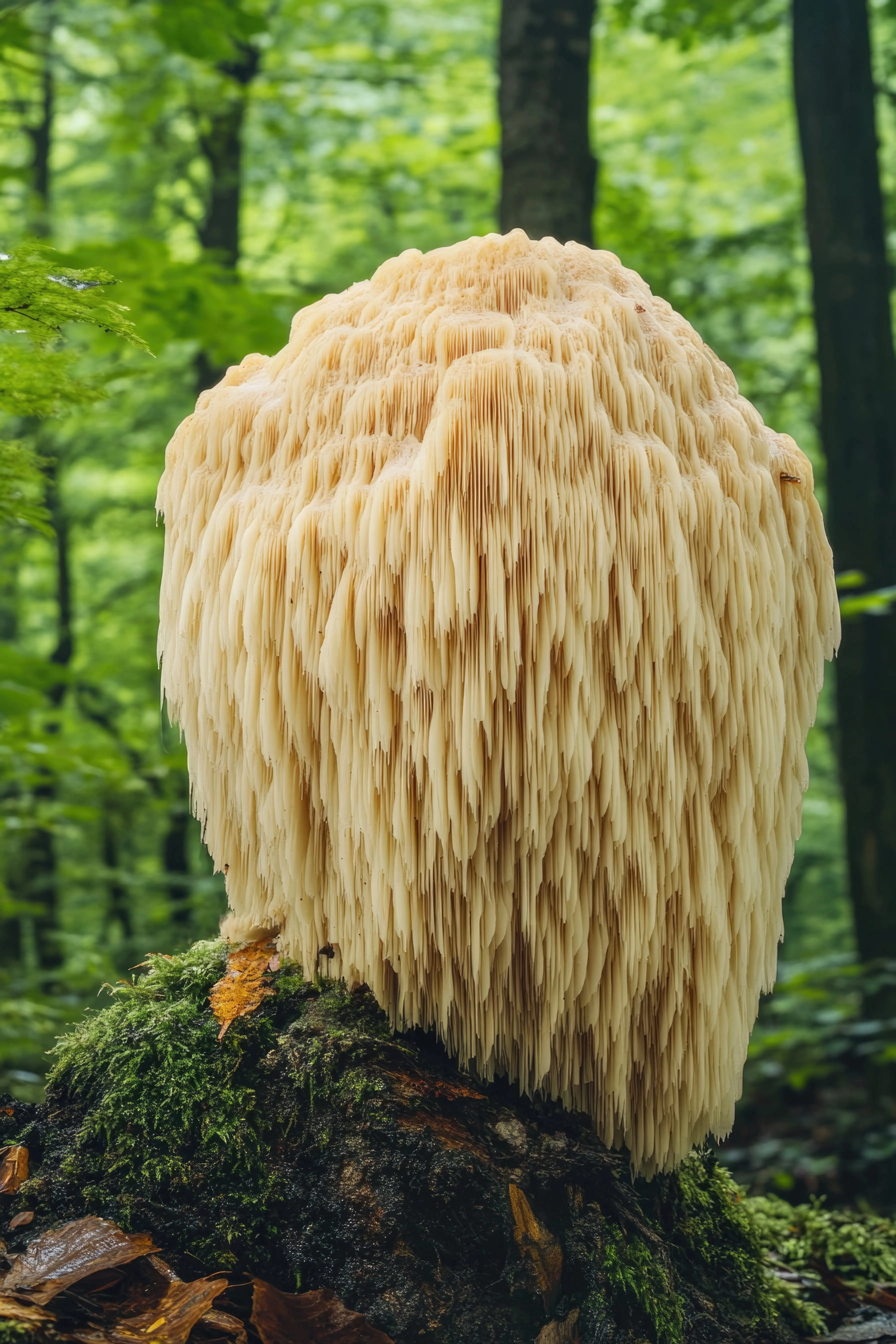
Lion's mane is an edible medicinal mushroom that has been used in traditional medicine in Asia for centuries. Its distinctive appearance with long, white fruiting bodies resembles a lion's mane. In traditional Chinese medicine, it is referred to as "Hou Tou Gu" and is considered a valuable tonic for body and mind.
One of the most remarkable properties of lion's mane is its potential to promote brain health. The mushroom contains bioactive substances that can stimulate the production of nerve growth factor (NGF). This factor plays a crucial role in the regeneration and protection of nerve cells.
Studies suggest that lion's mane can contribute to improving memory and concentration. Particularly interesting is the potential for neurodegenerative diseases, although further research is needed.
Lion's mane contains beta-glucans and other polysaccharides that can modulate the immune system. These compounds support the body's defenses and can contribute to general resistance to diseases.
The medicinal mushroom is traditionally used to support the digestive system. It can protect the gastric mucosa and aid in the regeneration of the intestinal wall. Some studies suggest that lion's mane has anti-inflammatory properties that could be beneficial for gastrointestinal issues.
Interestingly, research shows that lion's mane may have positive effects on mood and well-being. The mushroom may help alleviate symptoms of anxiety and depression, likely due to its effects on neural processes.
Lion's mane is rich in antioxidants that can neutralize free radicals and reduce oxidative stress. This contributes to the protection of cells and can slow down the aging process. Hericium erinaceus contains relevant amounts of β‑glucans, which are considered immunomodulating polysaccharides and stimulate receptors of immune cells.
Taking lion's mane can be useful in various situations:
In cognitive challengesFor people who want to enhance or maintain their mental performance, regular intake can be beneficial. This is especially true for older individuals or those with high mental workload.
For immune strengtheningIn times of increased susceptibility to infections or for preventive immune support, lion's mane can be a valuable supplement.
For digestive problemsPeople with sensitive stomachs or chronic digestive issues report positive experiences with the medicinal mushroom.
For stress reductionIn stressful phases of life, lion's mane can contribute as an adaptogenic agent to promote emotional balance.
Lion's mane is available in various forms: as a powder, capsules, extract, or fresh culinary mushroom. The recommended daily dose typically ranges between 500 and 3000 milligrams, depending on the concentration of the product. It is advisable to start with a lower dose and gradually increase it. A "low and slow" approach is sensible: begin with a low dose, check tolerance, and increase according to individual reactions – ideally in consultation with medical or naturopathic professionals.
Lion's mane is generally considered safe and well tolerated. Occasionally, mild digestive issues or allergic reactions may occur, especially in people with mushroom allergies. Pregnant, nursing individuals, and those taking blood-thinning medications should consult a doctor before use.
Lion's mane is a promising medicinal mushroom with a wide range of health benefits. Particularly noteworthy are the effects on the nervous system and cognitive function. While traditional use is increasingly confirmed by modern research, further studies are needed to fully understand all mechanisms of action.
For people who wish to support their health naturally, lion's mane presents an interesting option. However, its intake should be considered as part of a holistic approach that also includes a balanced diet, regular exercise, and adequate sleep. In the case of serious health issues, lion's mane by no means replaces a visit to the doctor, but can serve as a supplementary measure to promote general well-being.
Lion's mane (Hericium erinaceus) is considered a promising but not yet fully researched medicinal mushroom with potential for the brain, psyche, gut, and immune system – initial clinical effects are confirmed, but there is a lack of large, long-term studies. For a medical lifestyle magazine, lion's mane is therefore an excellent topic between "science-based" and "biohacking" – with a clear classification of the current state of evidence.