© Freepik
April 16, 2026
Marianne Waldenfels
HPV doesn’t only affect women: Why HPV vaccination matters for men and how it helps protect against cancer. Explained by gynecologist Dr. Ute Emmerich

© PMC
With
Dr. med. Uta Emmerich
Many people associate HPV primarily with women and cervical cancer. But that’s only part of the story: men can also become infected with human papillomavirus (HPV) and develop related diseases, including cancers of the throat, anus, and penis. In Germany, an estimated 3,000 men are diagnosed with an HPV-related malignant tumor each year.
Yes. HPV vaccination also protects men against the types of HPV that can cause cancer and precancerous lesions. It can also reduce the risk of transmitting the virus, helping to protect partners.
In Germany, HPV vaccination has also been routinely recommended for boys aged 9 to 14 since 2018 standardly recommended; a catch-up vaccination can be administered up to the age of 17. In men, HPV causes penile cancers (incidence about 1.2 per 100,000 men per year in Germany), anal cancers (incidence about 1.65 per 100,000 men per year), as well as HPV-associated oropharyngeal cancers (incidence about 4.1 per 100,000 men per year).
Oropharyngeal carcinoma is the most common HPV-associated cancer in men and has now surpassed the incidence of cervical cancer in women. 'In addition to individual prevention, vaccinating boys also provides herd immunity and thus protects other unvaccinated individuals,' explains Dr. Uta Emmerich.
HPV can cause several types of cancer in men, especially tumors in the oropharynx, anal area, and on the penis. These diseases usually develop years or even decades after infection, which is why many affected individuals notice nothing of the infection for a long time.
A particularly noticeable trend is evident in oropharyngeal carcinomas: The number of HPV-related cases is rising, while other tumor entities are declining in comparison.
The HPV vaccination works best when it is administered before the first sexual contact. Therefore, the Standing Committee on Vaccination (STIKO) recommends the vaccination for all children from 9 years of age up to the age of 14 - expressly including boys. Unvaccinated adolescents should catch up on the vaccination as soon as possible and before their 18th birthday.
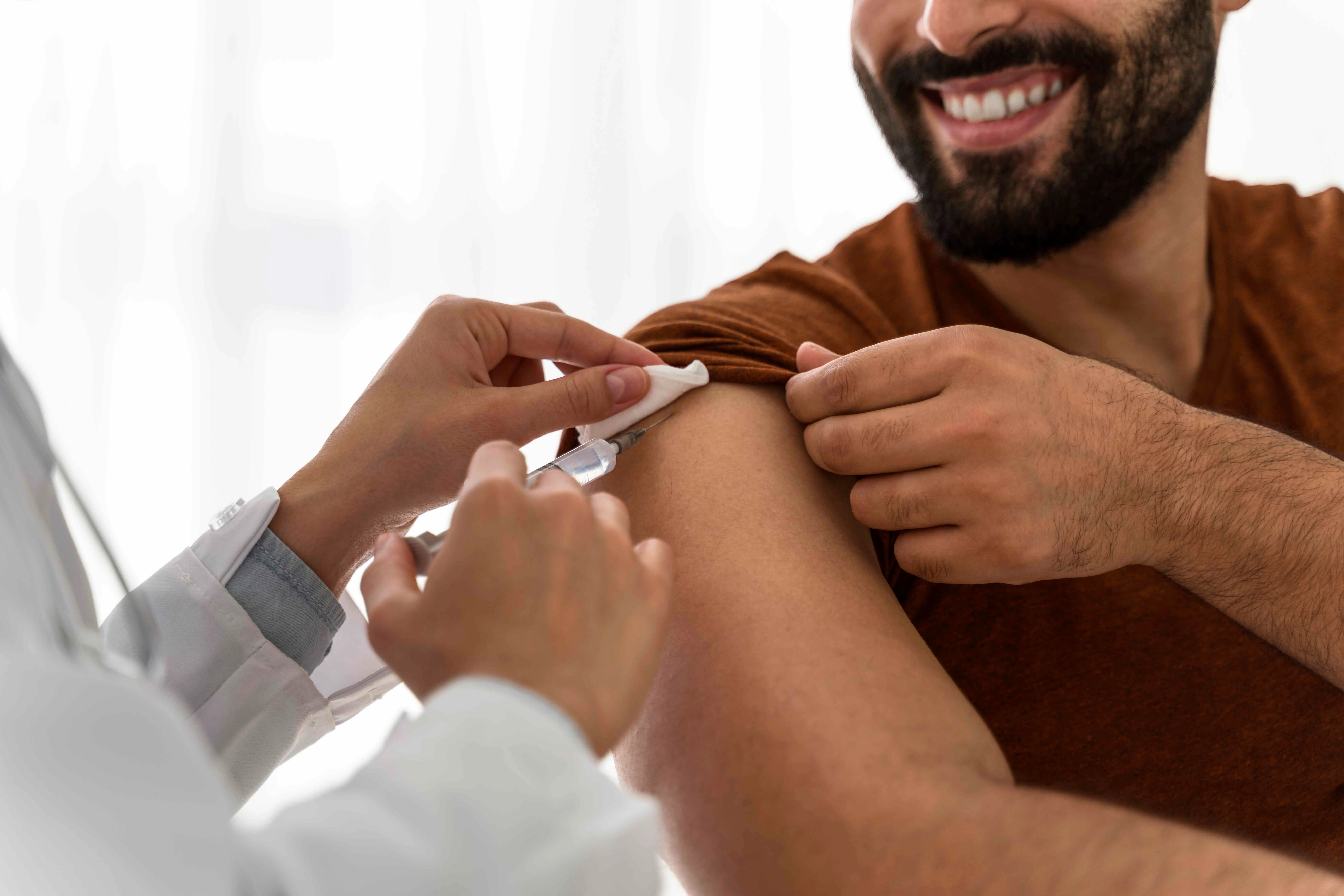
“In Germany, the HPV vaccination has also been routinely recommended for boys aged 9 to 14 years since 2018, and a catch-up vaccination can be done up to the age of 17,” Dr. Uta Emmerich summarizes again. “In addition to individual prevention, vaccinating boys also offers herd immunity and thus protects other unvaccinated individuals.”
The study situation shows that the vaccination in boys and men has moderate to good effectiveness against genital HPV infections and higher-grade anal precursors. In the long-term view, experts expect that the vaccination can prevent a significant portion of the annually newly occurring HPV-related diseases in men.
Importantly, the vaccination protects against infection with the included HPV types, but does not treat an existing infection.
Boys before their first sexual contact benefit particularly, but young adults can also still benefit from the vaccination if they have not yet come into contact with all relevant HPV types.
An increased risk of HPV-related consequences exists, among others, in men with multiple sexual partners, in men who have sex with men, and in individuals with a weakened immune system. For these groups, individual medical advice is particularly advisable.
Yes, even in later adolescence or young adulthood, the HPV vaccination can still be beneficial. The protective effect is greatest when the vaccination occurs early, but it remains relevant even if individual HPV types have not yet been acquired.
For a long time, HPV was almost exclusively associated with cervical cancer in women. Therefore, the focus of public education and vaccination programs was primarily on girls and young women. Only in recent years has it become more apparent that HPV also poses a significant cancer risk for men.
The HPV vaccination is not only relevant for women but also an important protection for men against certain types of cancer. It can significantly reduce the risk of HPV-related tumors and simultaneously help curb the spread of the virus.
The vaccination is particularly sensible during adolescence, before an infection occurs. But even later, it can still be beneficial – especially for people who have not yet been exposed to all HPV types.
The crucial factor is making an informed decision: Those who get vaccinated early can reduce their personal cancer risk significantly and simultaneously protect others.
Yes. HPV can also cause cancer in men, including in the oropharynx, anal area, and penis. The vaccination protects against the most important high-risk HPV types and can be an important preventive measure.
Children and adolescents benefit most before their first sexual contact. The STIKO recommends the vaccination regularly from 9 to 14 years; a catch-up vaccination is possible up to the age of 17.
For the age group recommended by STIKO, the HPV vaccination is generally covered by statutory health insurance in Germany.
Yes, depending on the vaccine used, HPV types that can cause genital warts are also covered.
No. The vaccination protects against future infections with the included HPV types, but does not treat an existing infection and does not replace a check-up for symptoms.