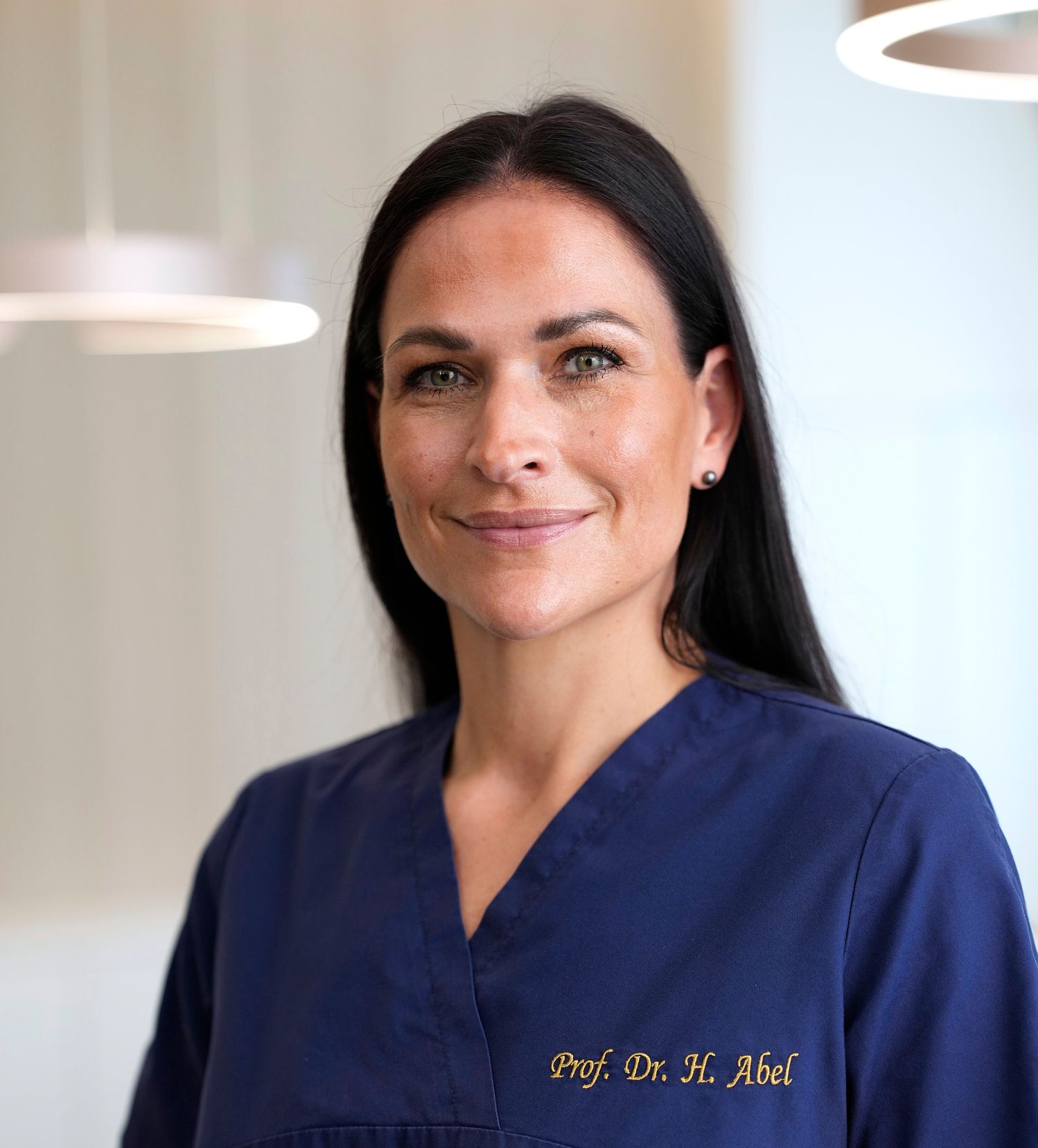
Prof. Dr. Eckhard Goepel practically has the profession of a gynecologist in his genes. His father and grandfather were successful gynecologists. The modern leg supports on almost every gynecological examination chair are actually an invention of his grandfather.
Together with a long-time friend and colleague, he founded the Mammazentrum Hamburg — today the largest breast center in Germany. In addition to his professional activities, he is committed as a foundation board member of the Stiftung Mammazentrum Hamburg significantly for therapy-accompanying programs for breast cancer patients that go beyond the services provided by health insurance.
Are women getting breast cancer at an increasingly younger age? Figures and an expert's assessment
Due to some prominent cases of younger women who have publicly discussed their breast cancer diagnosis, there is an assumption that women are getting breast cancer at an increasingly younger age. What is your assessment based on your long-term experience?
When young women develop breast cancer, it is of course always a dramatic situation because at this age the desire to have children may not yet have been discussed or completed. However, the frequency of women who develop the disease at a young age has not increased in recent years.
Between the ages of 20 and 30, only 1% of breast cancer cases occur. In Germany, about 70,000 women are diagnosed with breast cancer every year, meaning every 8th woman will develop breast cancer in her lifetime. One-third of these patients are under 55 years old.
Does the pill increase the risk of breast cancer? What studies and experts say
Various studies point to a possible link between hormonal contraceptives and the likelihood of developing breast cancer. To what extent should the family history of breast cancer or even the genetically determined risk be considered when choosing contraceptives?
The data on whether the hormonal contraceptive pill increases the risk of breast cancer is very differently discussed. There may be a very slight risk. On the other hand, taking the pill reduces the risk of developing uterine or ovarian cancer. Even if there is a genetic predisposition, there is no reason not to take the pill.
As the director of the Mammazentrum Hamburg Foundation, you are committed, among other things, to funding supportive therapeutic measures for patients that are usually not covered by statutory health insurance. What role do, for example, the health and nutrition workshops, which are part of the foundation's program, play? Do you think it makes sense to offer such or similar workshops preventively to young women in the future?