Podcast Breast Cancer – From Symptoms to Prevention. With Dr. Petra Eisenmann
"Feel good, live better" – the health podcast by Premium Medical Circle. This episode with Dr. Petra Eisenmann covers the topic of breast cancer.
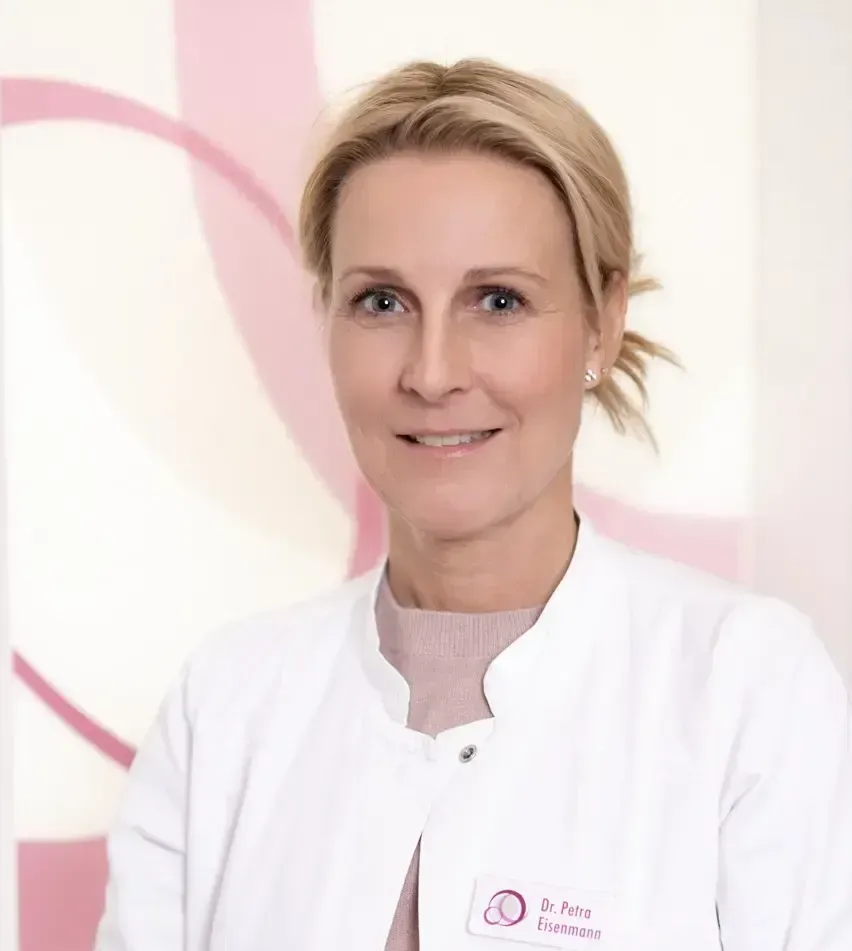
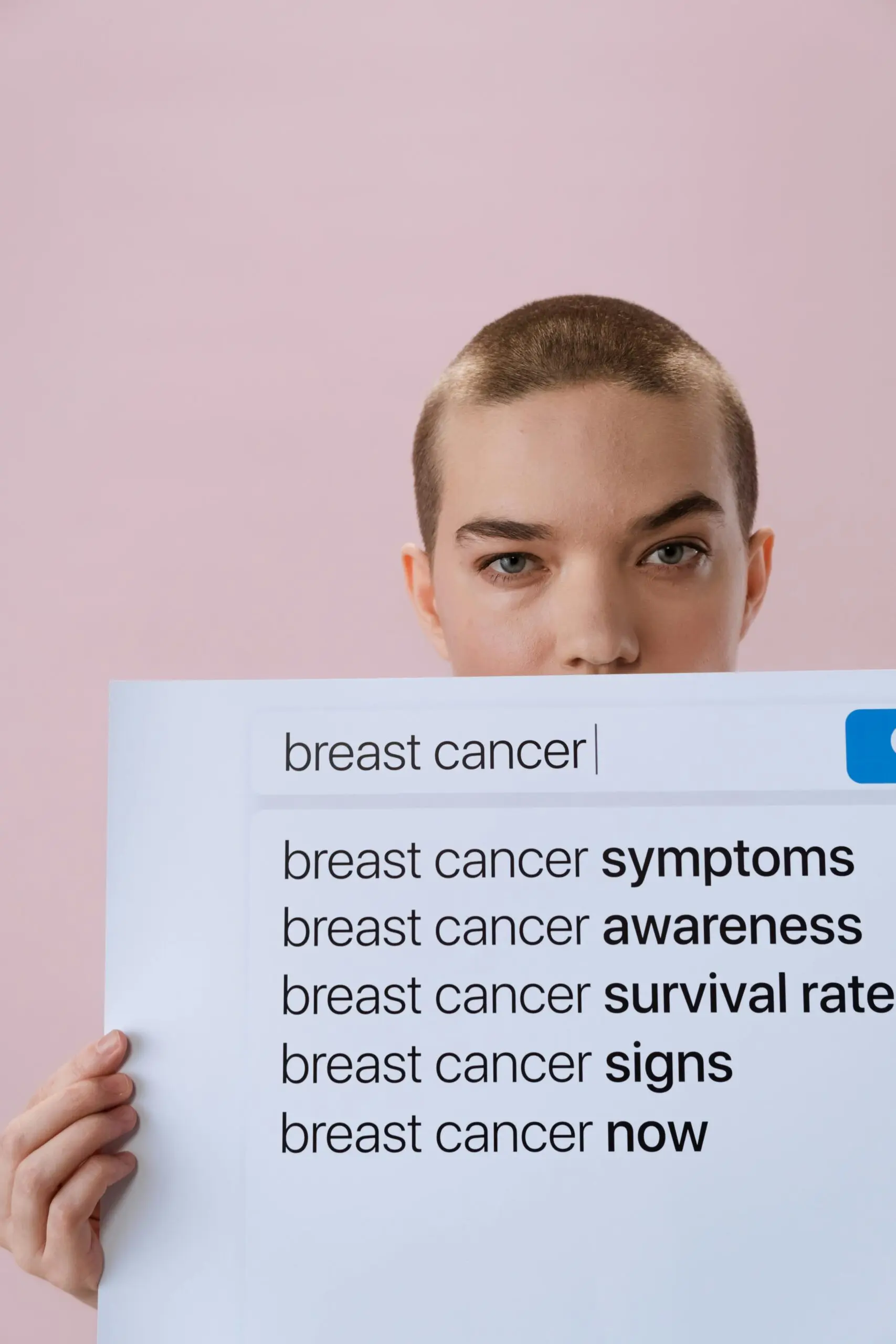
Breast cancer is the most common type of cancer among women. One in eight women in Germany will develop it during their lifetime. Dr. Petra Eisenmann discusses the biggest risk factors and why or which type of prevention is particularly important in this episode of FEEL GOOD, LIVE BETTER.
The gynecologist, who accompanies many women on their journey at the Munich group practice Pranner 15 explains what affected women can expect and which symptoms should definitely prompt a visit to the gynecologist.
The podcast from Premium Medical Circle
PQ publisher Stephanie Neureuter met with the health expert Nils Behrens, the orthopedic and digital health expert Dr. Dominik Pförringer, the sports dentist Dr. Siegfried Marquardt, the dermatologist Dr. Timm Golüke, the entrepreneur Stephanie Neumann as well as the plastic surgeon Dr. Caroline Kim.
Feel good, live better
In the health podcast by Premium Medical Circle, Stephanie Neureuter talks with experts from various fields such as nutrition, mental health, women's health, psychosomatics, surgery, aesthetic medicine, or digital health.
As in the print magazine, it's about health and wellbeing and how we can lead a happy, long life. Informative, exciting, entertaining.
Every Wednesday, on Spotify, Google Podcasts, Deezer, Amazon Music, and Audible.