© Haberdoedas Photography
August 19, 2026
Christine Bürg & Marianne Waldenfels
A mini dose of Ozempic, Wegovy, or Mounjaro is said to promote weight loss while reducing side effects. Endocrinologist Dr. Alexandra Schoeneich explains what’s behind the microdosing trend – and where its medical limits lie.

With
Dr. med. Alexandra Schoeneich
Ozempic, Wegovy, Mounjaro, and Zepbound have fundamentally changed the treatment of diabetes and obesity. The conversation, however, has shifted beyond simply who should receive these medications – increasingly, the question is how much is actually needed.
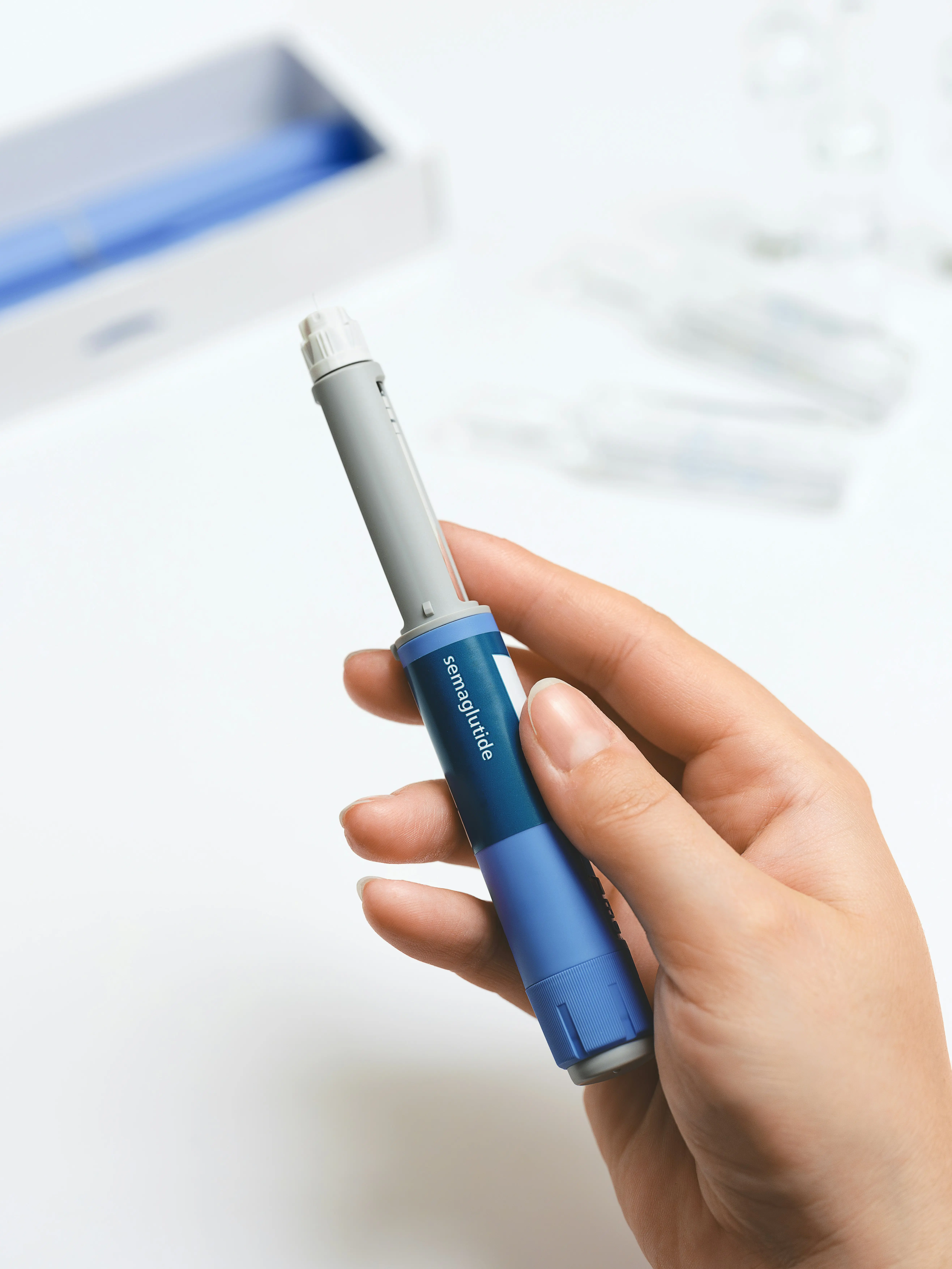
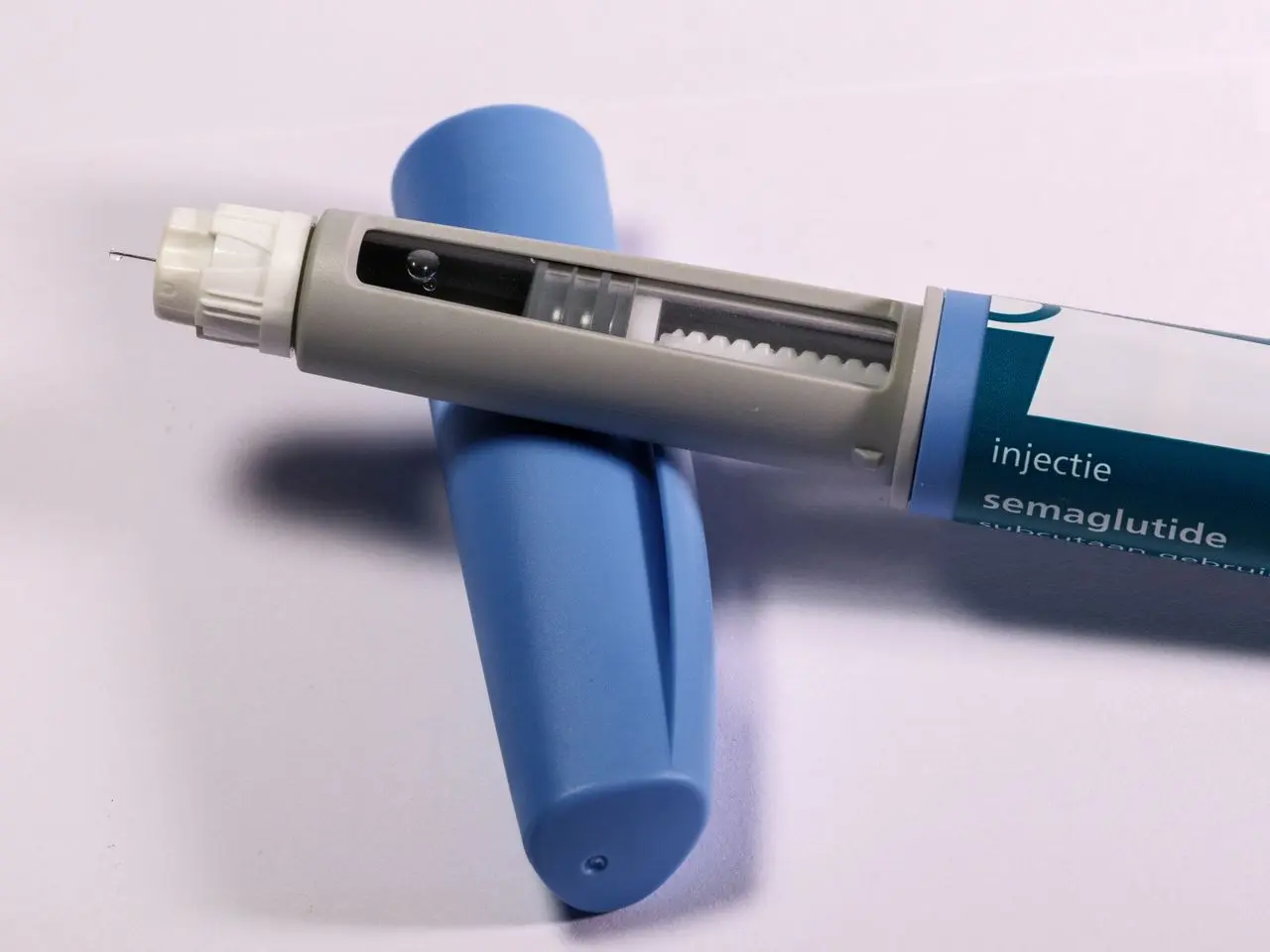
A new term has emerged on social media to describe this practice: "microdosing." It refers to users deliberately taking their GLP-1 medication – such as semaglutide (Ozempic, Wegovy) or tirzepatide (Mounjaro, Zepbound) – at a lower dose than the approved treatment regimens specify.
The appeal is clear: continuing to suppress appetite and lose weight, while reducing typical side effects such as nausea and other gastrointestinal complaints. Cost is also a factor – some users try to stretch their pens further to make them last longer.
Just how widespread the practice has become is illustrated by asurvey conducted in 2026by health tech company Evidation Health, which polled more than 8,000 users of injectable GLP-1 medications: 15 percent reported they had already tried microdosing or were currently doing so. Also striking is where the idea typically originates: in the survey, social media was the most commonly cited source of information on microdosing.
The problem begins with the term itself. There is currently no standard medical definition of what a "microdose" actually is.
Dr. Alexandra Schoeneich, internist, endocrinologist, and diabetologist, takes a decidedly critical view of the current widespread practice of microdosing: "GLP-1 microdosing is not a recognized medical treatment concept. It is essentially a do-it-yourself practice with no reliable scientific basis."
One important point is easily overlooked in discussions of this trend, says Schoeneich: "It's crucial to stress thatGLP-1 agonistssuch as semaglutide or tirzepatide are prescription medications, not dietary supplements. Self-directed dosing below the approved treatment regimens – so-called 'microdosing' – is entirely off-label, as there are currently no valid scientific data, clinical studies, or official guidelines to support it."

A mini dose of Ozempic, Wegovy, or Mounjaro is said to promote weight loss while reducing side effects. Endocrinologist Dr. Alexandra Schoeneich explains what’s behind the microdosing trend – and where its medical limits lie.
Christine Bürg & Marianne Waldenfels

With
Dr. med. Alexandra Schoeneich

Feel good, live better: In this podcast episode, Prof. Dr. Uwe Nixdorff explains the devastating effects of stress — and how you can protect yourself.
Christine Bürg

An interview with
Prof. Dr. Uwe Nixdorff

Small wheels, big overconfidence: E-scooter accidents are rising sharply. Prof. Dominik Pförringer on a mobility trend that is sending more and more riders to trauma wards.
Prof. Dominik Pförringer

By
Univ.-Prof. Dr. med. Dominik Pförringer
She adds: "This kind of do-it-yourself approach, without medical supervision and a physician's guidance, is clearly inadvisable. Any dose adjustment and use of GLP-1 receptor agonists should take place exclusively in close consultation with a treating physician, in order to avoid risks such as inadequate treatment, side effects, or dosing errors."
This is precisely what makes the trend so appealing. From a clinical perspective, however, the idea can be neither confirmed nor dismissed outright – because individuals can respond very differently to the same GLP-1 dose.
"In people who are highly sensitive to the active ingredient, a lower dose may indeed be sufficient to achieve the desired effect on appetite orblood sugarwithout the typical gastrointestinal side effects occurring. For the majority, however, too low a dose is simply sub-therapeutic: the effect is absent or too weak to produce the desired metabolic outcome or weight loss," explains Schoeneich.
Research has also yet to provide any evidence for this promise. The major studies on weight reduction with semaglutide and tirzepatide examined fixed dosing and titration regimens – not the kind of microdosing now being promoted on social media.
Self-directed underdosing or manipulating pens can lead to a range of problems. "Self-directed underdosing or stretching GLP-1 medications carries risks that go well beyond mere ineffectiveness," says Schoeneich.
She identifies three specific risks: "Dosing errors: manually manipulating injection pens or syringes can result in inaccurate dosing. Poor blood sugar control: in people with diabetes, too low a dose leads to inadequately controlled blood sugar levels. Yo-yo effect and treatment failure: an unpredictable effect can cause frustration, fluctuating hunger levels, and ultimately treatment discontinuation."
Anyone looking to make a pen last longer by administering smaller individual doses must also follow the applicable requirements for storage and duration of use. And even supposedly small doses remain pharmacologically active amounts of a prescription medication.
This is where the debate becomes more nuanced. "In a clinical context, there are situations where it can make medical sense tounderdose GLP-1 preparations. For example, when further weight loss is no longer desired but better blood sugar control is still a treatment goal," says Schoeneich.
The question of the lowest effective dose is also receiving greater attention in long-term obesity therapy. TheAmerican Diabetes Associationrecommends in 2026 that pharmacological obesity therapy should generally be continued after a weight goal is reached, since stopping treatment is frequently associated with renewed weight gain.
At the same time, the dose should be individually tailored to strike the right balance between efficacy, health benefit, and tolerability. As a possible long-term strategy, the guideline explicitly mentions using the lowest effective dose.
Clinical research is now also exploring whether dose reduction after successful weight loss can be effective. In theLancet-publishedSURMOUNT-MAINTAIN study, published in 2026, participants who had completed 60 weeks of tirzepatide therapy were either continued on their maximum tolerated dose, reduced to 5 milligrams, or switched to placebo.
Even at the reduced dose, a large proportion of the previously achieved weight loss was maintained over a further 52 weeks – although continuing on the higher dose proved more effective.
This does not constitute evidence for microdosing. It does show, however, that the question of a lower maintenance dose is now being actively investigated in scientific research.
What can make medical sense and what is promoted on social media as microdosing are two very different things and should not be confused. A lower dose can be a legitimate part of an individually tailored treatment plan. Making independent dose changes, however, is inadvisable. Anyone who wants to use less of the active ingredient – whether because of side effects, cost, or following successful weight loss – should adjust the dose together with their treating physician.