© Magnific
May 18, 2026
Christine Bürg & Marianne Waldenfels
Professor Franz Bader explains modern colorectal cancer surgery, warning signs, prevention, and why colorectal cancer is often curable today

An interview with
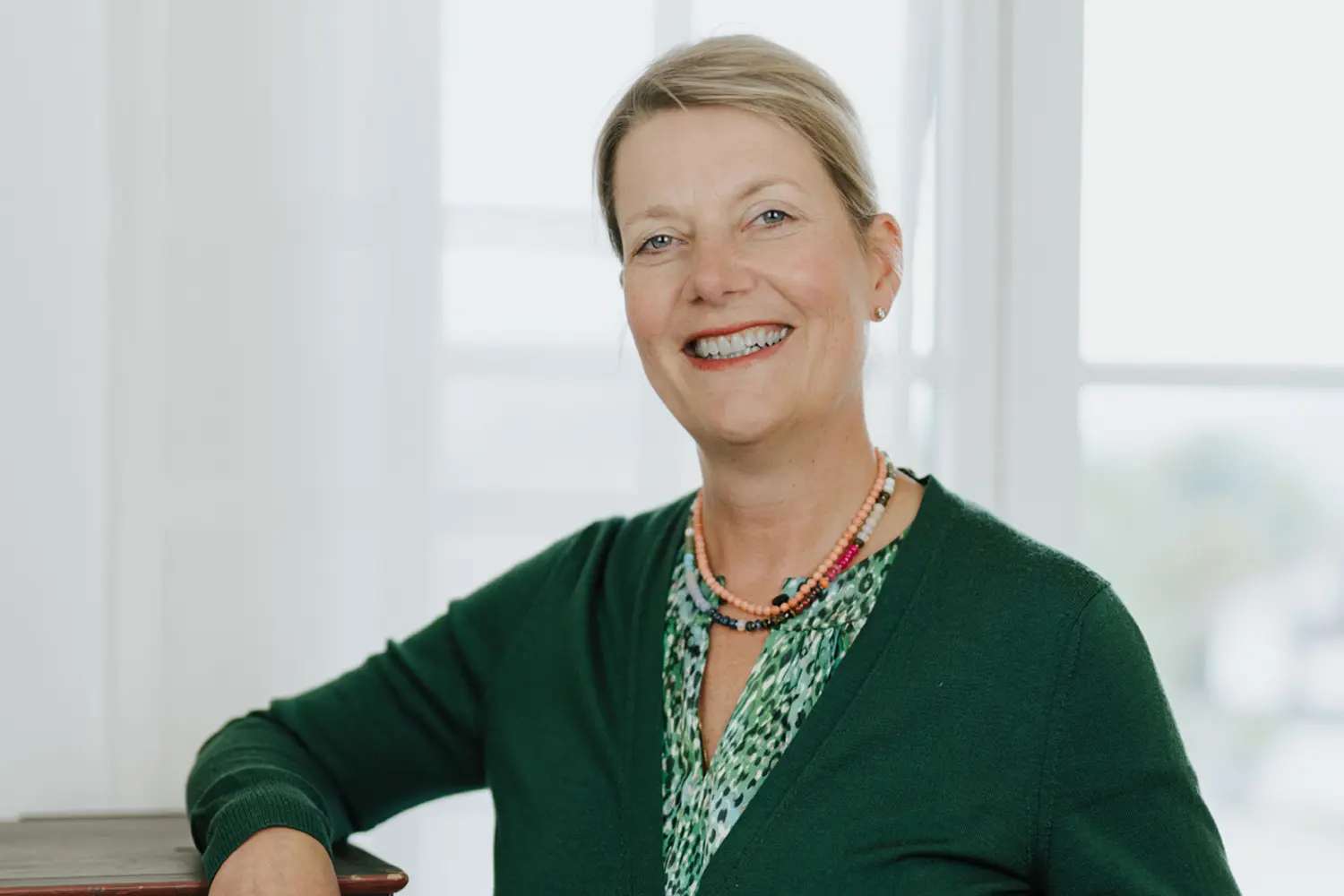
Prof. Dr. med. Franz Bader
Large abdominal surgeries used to mean weeks of hospital stays, severe pain, and long recovery times. Today, patients can be discharged after colorectal cancer surgeries often after just four to five days. This is made possible by modern minimally invasive procedures, robot-assisted surgery, and new treatment concepts.
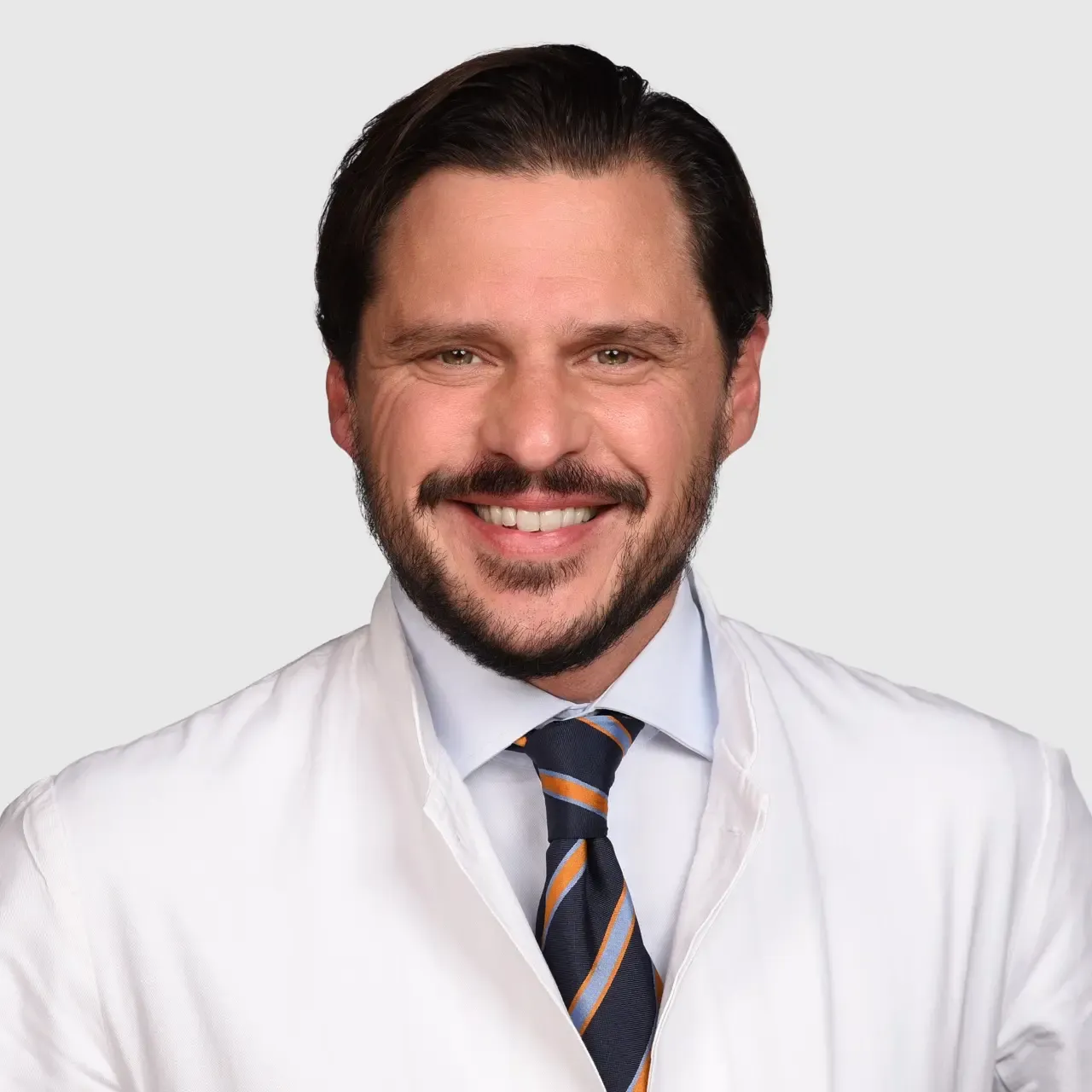
Professor Dr. Franz Bader, Medical Director of the Department of General, Visceral and Minimally Invasive Surgery at Munich's Isar Klinikum, explains in an interview why good medicine is more than just technology, why colorectal cancer could be preventable in many cases, and why he doesn't understand the term "work-life balance".
Professor Bader, you say: It's not enough to practice good medicine – it must also reach the patient. What do you mean by that?
For me, good medicine is based on three pillars. The first is, of course, treatment according to the latest scientific findings and current guidelines. That is the basic requirement.
The second pillar is modern technology. We must actually be able to use the technical possibilities available to us today – despite the financial pressure on hospitals.
And the third, perhaps most important pillar, is personal contact with the Patients. We need to form a team with the patient that goes through the treatment together. People need to feel cared for. The motto: "Every patient needs their doctor." This is exactly what we are trying to implement at Isar Klinikum.
What sets your clinic apart from others?
We have technical equipment at the highest level and are consistently focused on minimally invasive surgery. This also includes the use of a surgical robot, the so-called Da Vinci System, which has further significantly advanced minimally invasive surgery in recent years.
What are the advantages of minimally invasive surgery?
It has probably changed medicine in the past decades as much as the introduction of antibiotics once did.
When I started about 25 years ago, patients stayed in the hospital for ten to fourteen days after bowel surgery. They had a large abdominal incision and were often not allowed to eat for a long time.
Today we operate with a few small incisions using keyhole techniques. The trauma to the body is significantly less, as is the strain on the immune system. This has allowed us to massively shorten hospital stays. Even after major procedures, many patients go home after four to six days.
You were one of the first surgeons in Bavaria to operate on colorectal cancer with robotic assistance. What can the robot do better than a human?
The robot itself cannot do anything better – the surgeon controls it. It's important for me to emphasize: No one is operated on by a machine.
Classic minimally invasive surgery is limited in its movements. In contrast, the robot has movable arms that can almost mimic the agility of the human hand.
I often explain it to patients like this: Imagine miniaturizing me and placing me directly into the abdominal cavity through a small incision. There, I can operate with 3D vision and the highest precision, allowing us to preserve essential structures like nerves, vessels, or Lymphatic vessels significantly better preserve – while ensuring maximum oncological safety.
You rely on modern rehabilitation concepts. What does that mean in concrete terms?
An important component is the so-called ERAS program – “Enhanced Recovery After Surgery”. Recovery begins even before the operation.
We specifically prepare patients for the procedure: with blood tests, correction of deficiencies, iron infusions, and special nutrition programs. It can almost be compared to an athlete's preparation.
In the past, patients had to drink liters of laxative solution and fast before bowel surgery. Today we know that this often causes more harm. Our patients can drink until two hours before the surgery and even receive special carbohydrate and protein drinks.
After the operation, they get up on the same day, drink something, and take their first steps. The next morning, many are already dressed and sitting at breakfast. And this works not only for young people, but especially well for those in their 70s or 80s.
How important is screening for colon cancer?
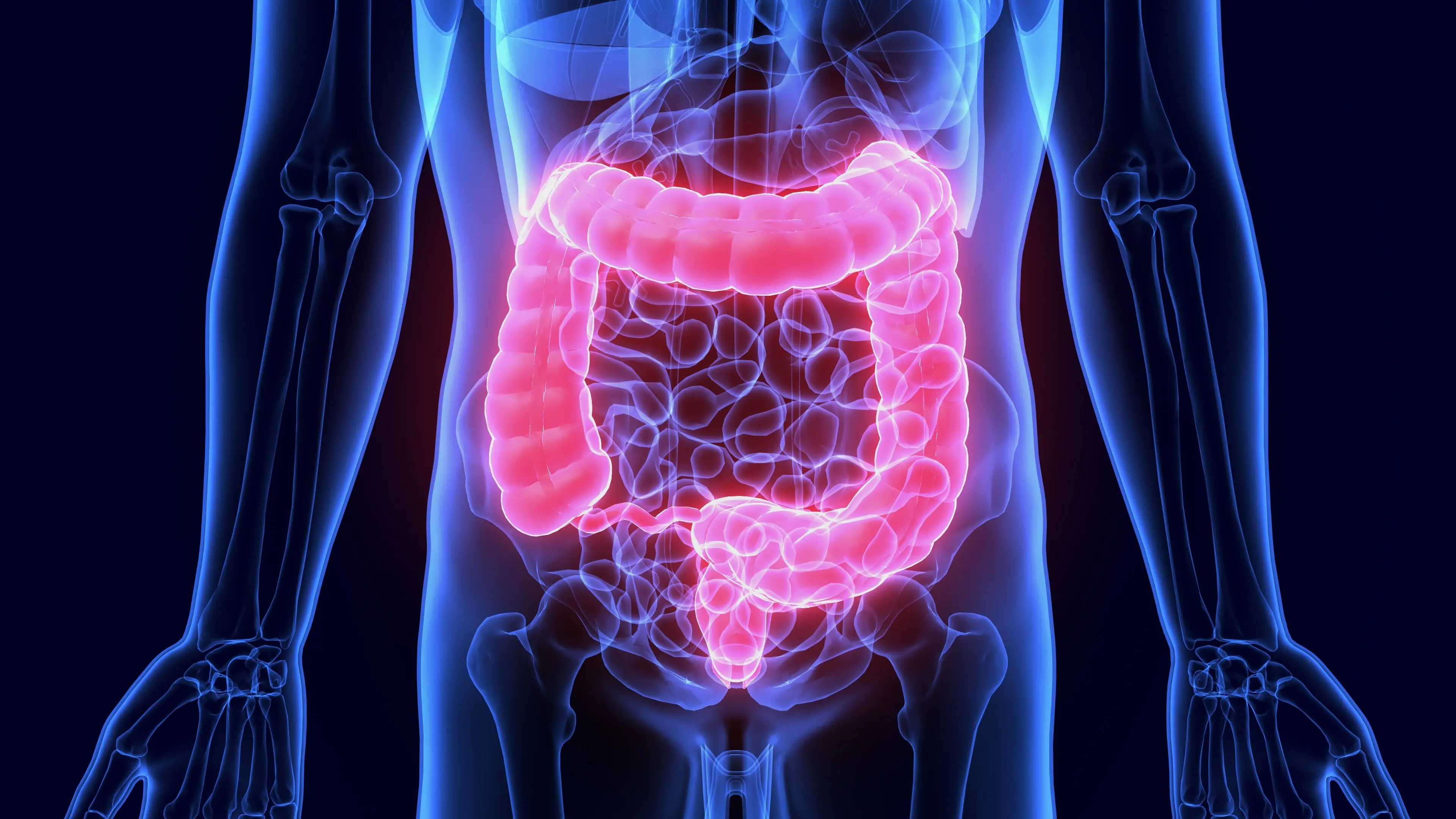
Colon cancer is actually one of the few types of cancer, that can often be prevented.
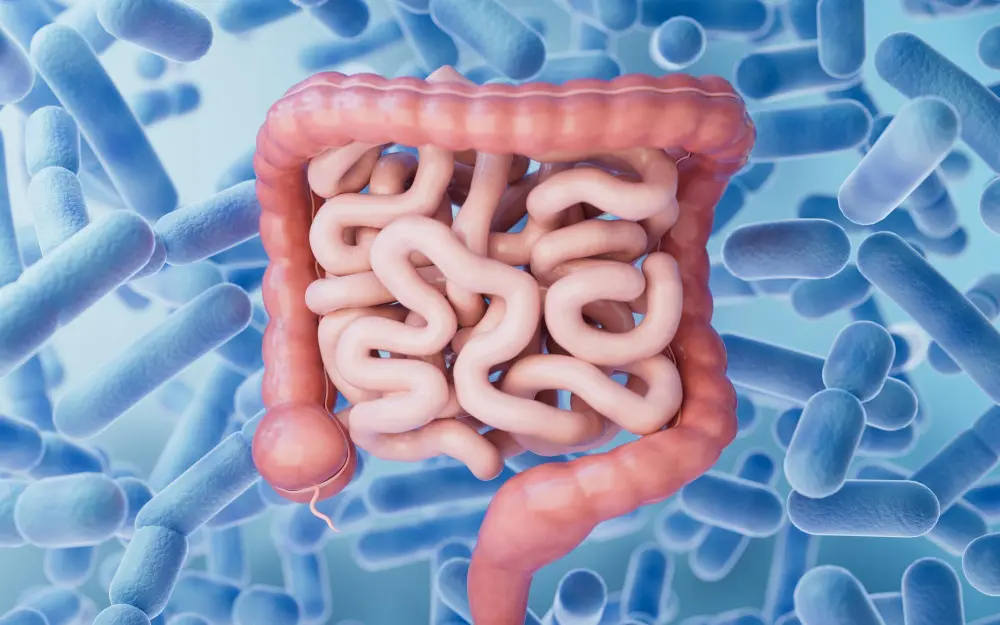
In over 90 percent of cases, colon cancer develops from precursors – so-called polyps. These often grow benignly in the colon for years and can later become malignant.
During a colonoscopy, such polyps can be detected and removed directly. Simply put: If everyone over the age of 40 regularly underwent a colonoscopy, this disease would almost no longer exist.
Nevertheless, we have about 65,000 new cases in Germany every year – even though colon cancer could often be prevented.
Is colon cancer increasing overall?
Overall, the numbers are slightly decreasing. At the same time, we see a significant increase among younger patients.
We observe increases of ten to fifteen percent among 30- to 50-year-olds, and even stronger increases among very young patients between 20 and 30 years old – although these cases are overall rare.
Therefore, I consider it necessary to start screening earlier – ideally from the age of 40.
Which symptoms should people take seriously?
The difficult thing is: Colon cancer causes hardly any discomfort for a long time.
Warning signs can be blood in the stool, changes in bowel habits, a switch between diarrhea and constipation, bloating, or a general feeling of discomfort. This does not automatically mean cancer – but such symptoms should be clarified by a doctor.
What are the chances of recovery?
If colon cancer is detected early and has not yet formed metastases, the chances of recovery are very good. Often, an operation is then sufficient.
But even in advanced cases with metastases in the liver or lungs, we can successfully treat many patients today with modern therapy concepts and interdisciplinary collaboration – in some cases even cure them.
Finally, a personal question: How do you ensure balance yourself?
I don’t really like the term “work-life balance.” When I go to work in the morning, my life doesn’t suddenly stop. My work is part of my life – and vice versa.
Of course, you still need breaks. I try to keep three fixed appointments per week for sports. I play tennis, do yoga, and go running whenever possible. This is complemented by healthy eating and a stable private environment. Because mental and physical health go hand in hand – even for doctors.