© Adobe Stock
January 1, 2023
Christine Bürg und Margit Hiebl
Expert Guide: Specialists explain minimally invasive surgeries, anti-aging treatments, contraceptive methods, cancer prevention, and modern medical technology. Get informed now!
With experts from our network
This question is mainly asked by younger women between the ages of 17 and 30, who—also influenced by social media—view hormones critically and want to avoid them as much as possible. Of course, there are other contraceptive methods, but compared to hormonal contraception, they have a lower Pearl Index.
The only method that does well here is the IUD copper coil. Disadvantage: it often intensifies and lengthens bleeding and can also be painful. From a contraceptive perspective, only limited recommendations can be given for: condoms for men or women, diaphragm, spermicides, or cycle monitor.
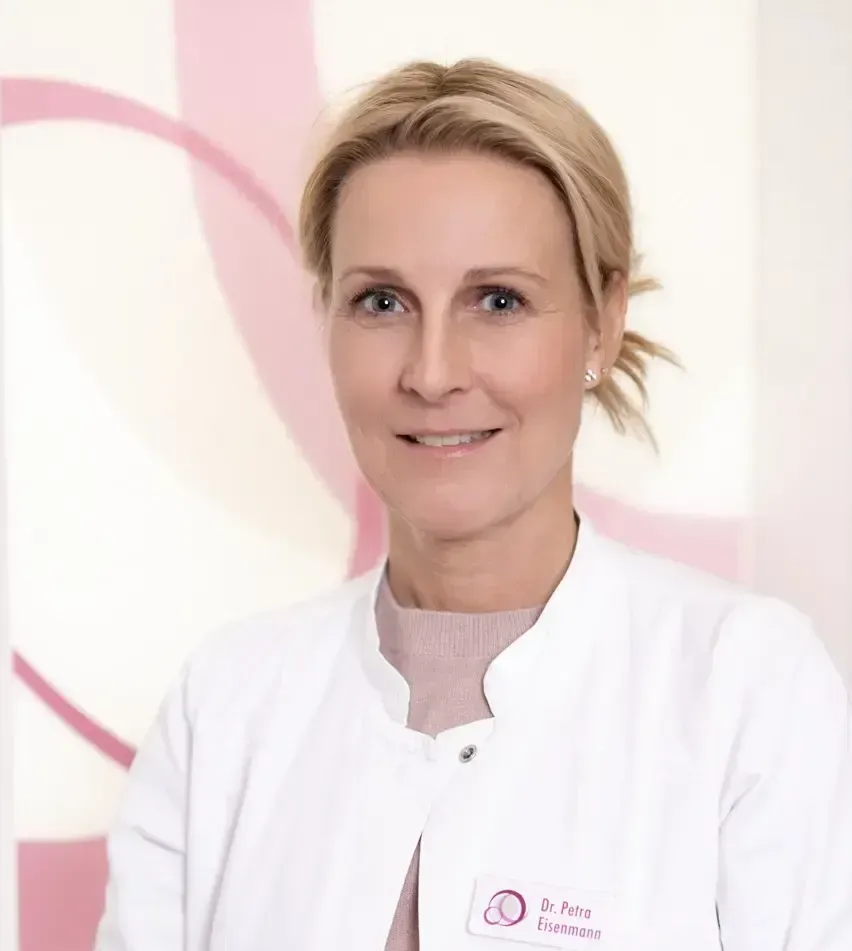
Gynecologist Dr. Petra Eisenmann, Partner in the group practice Pranner 15 in Munich
My patients want to look younger, fresher, and more relaxed, but definitely not artificial. This applies to facelifts as well as other anti-wrinkle treatments. Therefore, the trend is clearly towards sustainable treatments with so-called biostimulators such as autologous blood (PRP and exosomes) or poly-lactic acid and calcium hydroxylapatite, a synthetically produced mineral substance that stimulates collagen production. The effect: small wrinkles disappear, and the skin looks firmer and younger again.
Dr. Juliane Bodo, Specialist in Plastic and Aesthetic Surgery and owner of Plastethics, Berlin
After an abstinence of 3 to 5 days, the quality of the sperm can be determined after the ejaculate is submitted. The head, neck, and tail regions of the sperm are microscopically depicted, and the number and vitality of the sperm are checked. Additionally, several other parameters are examined to assess the quality of the sperm and thus their individual fertility.
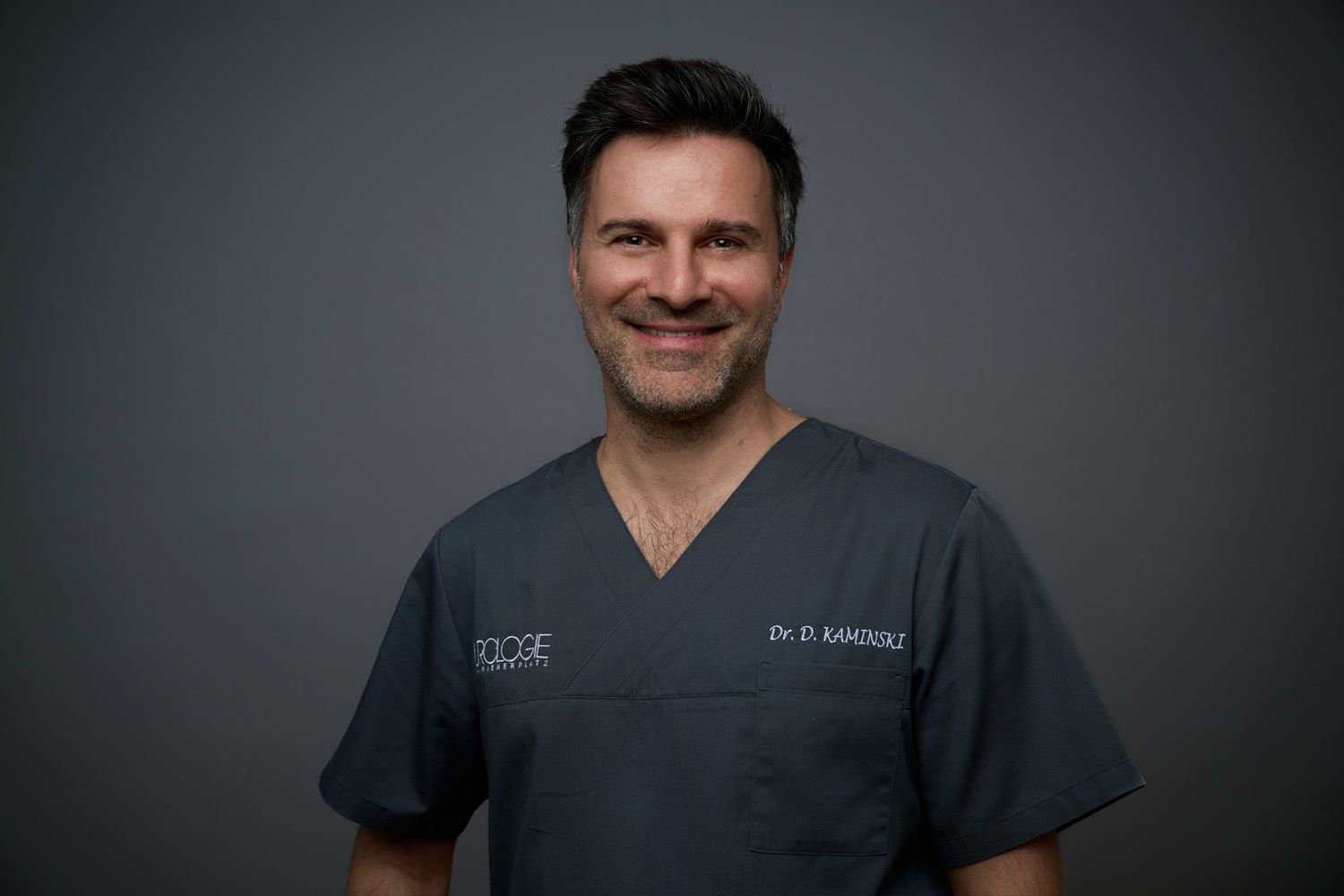
Dr. Daniel Kaminski and Dr. Michael Wenders, Dr. Gabriele Gaul, and Dr. Birte Schneevoit, Urology at Wiener Platz, Munich
Whether it's Botox, fillers, liposuction, or other aesthetic procedures, there are no universal statements. Every person is different, as is their metabolism or lifestyle – and this is crucial for individual durability.
I understand that everyone desires an optimal, long-lasting result with minimal risk – and I take that very seriously. For me, this also means that, with all due respect, I sometimes recommend refraining from a treatment or suggest an alternative with which the patient ultimately feels better.
Dr. Susanne Steinkraus, Dermatologist with practices in Munich and Hamburg
Even after major bowel surgeries, patients are often back home on the fourth day after surgery. After a week, they can basically return to their normal activities. This is possible through a combination of minimally invasive techniques and so-called ERAS programs (Enhanced Recovery After Surgery).
Our concern: We want to send our patients into surgery as fit as possible by substituting missing vitamins, electrolytes, and trace elements and replenishing all stores. Secondly, we recommend an exercise program. Through these preliminary measures, we can reduce the complication rate by 80 percent.
Prof. Dr. Franz G. Bader, Director of the Clinic for General, Visceral, and Minimally Invasive Surgery at the Munich Isar Klinikum
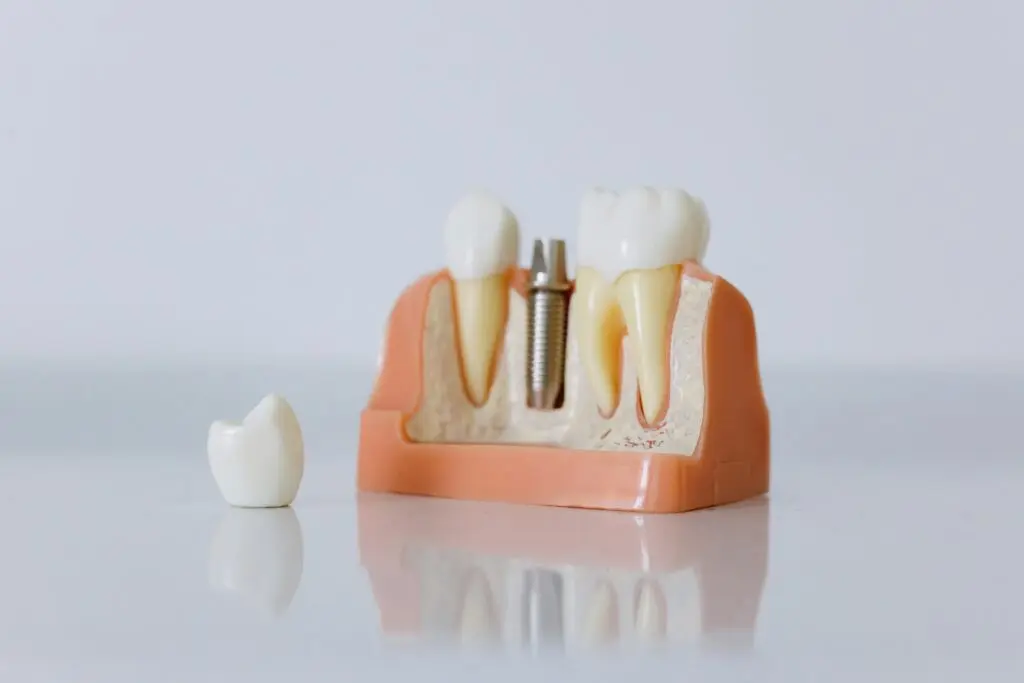
With good care and regular check-ups, dental implants can last for decades, often even a lifetime. Ultimately, this depends on various factors – including oral hygiene and general health, but also on the correct placement of the implant. This question is being asked more and more frequently, as patients look for a permanent solution to replace missing teeth.
Dr. Paul Schuh, dentist, owner of the Munich practice Artedent
It is very important for me here to bring expectations and possibilities together – that is, to listen to the patients, to understand their needs and ideas, and to analyze the natural conditions respectfully, realistically, and comprehensibly.
If possible, also simulate with AI-based programs to see which effects can be achieved. It is also important to me to be honest about side effects, downtime, and costs.
Dr. Susanne Steinkraus, Dermatologist with practices in Munich and Hamburg
Since the most common malignant diseases occur in the urological field (prostate, bladder, kidney cancer, and testicular cancer), urological check-ups should begin around 40-45 years of age. However, testicular cancer is most common in men between 25 and 35 – therefore, men should see a urologist and have it checked if they feel a hardening in the testicle.
From the age of 45, men should also consider colon cancer screening: colonoscopy, as well as cardiovascular function in terms of cardiological check-ups, and skin cancer screening. Thus, the most common early causes of death in men would be detected with very high probability and could be treated in the best way.
Dr. Daniel Kaminski and Dr. Michael Wenders, Dr. Gabriele Gaul and Dr. Birte Schneevoit, Urology at Wiener Platz, Munich
Hardly anyone wants to take more than two weeks off from work or social life, so the shorter the convalescence, the better. Today we achieve this through gentler surgical techniques that minimize tissue damage, resulting in fewer hematomas and allowing wounds and swelling to heal faster.
In facelifts, this is achieved through minimally invasive procedures, in the face through fat transfer instead of implants. In breast surgery, we use the Rapid Recovery technique, where the breast muscle is no longer cut in the case of augmentation. This results in less pain for patients and allows them to move the muscle or arms normally sooner.
Dr. Juliane Bodo, Specialist in Plastic and Aesthetic Surgery and owner of Plastethics, Berlin
Modern technologies such as digital 3D scans and CAD/CAM technology enable more precise planning and execution of treatments. They shorten treatment time, improve accuracy, and make the entire process more pleasant for the patient. Digitization allows us to offer customized solutions for aesthetic and functional problems.
Dr. Paul Schuh, dentist and owner of the Munich practice Artedent
Yes and no. This is only the case if there are already tumor cells with estrogen or progestin receptors that could be promoted by hormone administration. Therefore, it is important to regularly go for preventive care (mammography). However, the absolute numbers are significantly lower compared to other risk factors such as obesity, alcohol, and smoking. And they strongly depend on the duration of treatment.
According to studies, hormone replacement therapy (HRT) of up to one year does not increase the risk. For a duration of more than ten years, it is about twice as high as after five years. After the end of hormone therapy, the risk of cancer decreases again. The type of hormone therapy also has an influence. Estrogen monotherapy increases the breast cancer risk – if at all – to a much lesser extent than combined HRT.
Topically applied estrogen (in the vagina) has no influence on the cancer risk even with long-term use according to current knowledge.
As is often the case, it is important to weigh the benefits and risks. For vasomotor symptoms like hot flashes, for example, hormone replacement therapy improves the symptoms. Since studies have shown that women with hot flashes have a higher risk of diabetes and cardiovascular diseases, HRT has positive long-term effects here and also improves bone density.
Gynecologist Dr. Petra Eisenmann, partner in the group practice Pranner 15 in Munich
Meanwhile, patients are now able, and indeed encouraged, to eat on the evening following major abdominal surgery. This leads to a quicker resumption of gastrointestinal activity and promotes healing. Therefore, in our recovery room, they are given an ice pop to suck on and something to drink; in the evening, there is nothing solid yet, but a special protein and carbohydrate drink, as well as yogurt and soup.
Prof. Dr. Franz G. Bader, Director of the Clinic for General, Visceral, and Minimally Invasive Surgery at Munich's Isar Klinikum
One of the most common concerns relates to the safety of the procedures, whether side effects or complications can occur and how experienced the treating doctor is - understandable, after all, these are interventions that will be visible afterward. My motto here too: The more transparent, the better.
It is also important in this context that new patients communicate what has already been done before - ideally by naming the product and the time of the treatment, in order to exclude further risks or too frequent treatments. Likewise, what other health issues are pending, to decide what can be done. After all, health always comes first.
Dr. Susanne Steinkraus, Dermatologist with practices in Munich and Hamburg
Fortunately, there is now PCR diagnostics for various germs and germ structures from urine. This includes bacteria such as chlamydia and mycoplasma, as well as viral diseases like genital herpes.
Additionally, a urethral swab for HPV (human papillomavirus) can be performed. Blood tests can determine HIV and hepatitis serology, as well as other blood values.
Dr. Daniel Kaminski and Dr. Michael Wenders, Dr. Gabriele Gaul and Dr. Birte Schneevoit, Urology at Wiener Platz, Munich
It is important to check the folic acid level. It should be "full" to prevent neural tube defects (like spina bifida) in the fetus. A folic acid deficiency in early pregnancy can also lead to a cleft lip and palate (commonly known as a harelip). I therefore recommend an additional intake of 400 to 800 micrograms of folic acid daily.
The vaccination status should also be checked. Is the patient immune to rubella and chickenpox? Both diseases (infections) can cause deformities in the unborn child.
For thyroid problems, it is important that the affected woman is medicated, as both hyperthyroidism and hypothyroidism can negatively affect egg maturation, the cycle, and thus fertility, making it difficult or even preventing pregnancy. Especially hyperthyroidism or hypothyroidism can be a reason for miscarriage in the first months.
Being overweight can also cause problems and increase the risk of gestational diabetes or preeclampsia (also known as pregnancy poisoning, which can range from high blood pressure to seizures). Therefore, severely overweight women should try to lose some weight when planning to have children.
Gynecologist Dr. Petra Eisenmann, partner at the Pranner 15 joint practice in Munich
Here it is important to find the implant that suits the patient. That's why we work with different providers. In breast surgeries, the trend is towards smaller implants, we often use so-called "light implants" that are 30% lighter, therefore less noticeable, and irritate the tissue less.
Alternatively, there are so-called ergonomic implants that adapt to movements and therefore look more natural. In breast lifts, we increasingly use "meshes", i.e., nets that reduce renewed sagging of the breast.
Dr. Juliane Bodo, Specialist in plastic and aesthetic surgery and owner of Plastethics, Berlin
Thanks to modern digital techniques like smile design software tools (e.g., 3D scans and digital planning), we can now show our patients the end result before we even start the treatment by considering the tooth structure, face shape, and aesthetic desires. This before-and-after simulation alleviates fears, builds trust, and allows us to make any adjustments early on.
Dr. Paul Schuh, Dentist, owner of the Munich practice Artedent
Earlier than you might think! The ideal age for freezing eggs is between the late 20s and early 30s because egg quality decreases with age. The younger a woman is, the higher the likelihood that the frozen eggs can be used successfully.
Who might benefit from social freezing? Women who want to focus on their careers, do not have a partner at the moment, suffer from certain health issues, or are about to undergo treatments like chemotherapy. What you need to know: Even if eggs or sperm are frozen, there is no guarantee of a future pregnancy.
Since it can also be emotionally stressful and expensive, the decision should definitely be made in consultation with specialists.
Gynecologist Dr. Petra Eisenmann, partner at the Pranner 15 joint practice in Munich
Yes, major abdominal surgeries require what is called general anesthesia. We also use an epidural catheter (the epidural anesthesia). This way, a lighter anesthesia and fewer painkillers are needed, allowing for a much quicker recovery after surgery.
Prof. Dr. Franz G. Bader, Director of the Clinic for General, Visceral, and Minimally Invasive Surgery at Munich Isar Klinikum
There is a scientifically proven positive correlation between “high volume surgeon” and “high volume hospital.” That is, how often the individual surgeon performs the procedure and how often the procedure is performed in the hospital. Ideally, both should be ensured. Why? The more experienced a hospital is, the better the complication management. Because that is also – in addition to the experience of the surgeon – critically important in large surgeries such as those of the liver and pancreas.
Prof. Dr. Franz G. Bader, Director of the Clinic for General, Visceral, and Minimally Invasive Surgery at Munich Isar Klinikum
In my experience, it is not enough to focus on just one measure. It is better to work in all skin layers in the correct chronological order. So it is about a combination of the options we have available.
For particularly beautiful results, you can combine laser or skin boosters with a cosmetic treatment or prepare for it. In between, you can already work with biostimulants such as polynucleotides or exosomes, which improve skin quality and support regeneration.
Dr. Susanne Steinkraus, dermatologist with practices in Munich and Hamburg
I find this question sensible because it allows the patient to assess whether I also see the procedure as the best option. I always try to find out what the individual hopes to achieve from a particular treatment. A lot can be done, but not every procedure or operation will bring a real change or the desired result.
Dr. Juliane Bodo, specialist in plastic and aesthetic surgery and owner of Plastethics, Berlin
The vasectomy, a sterilization operation for men, can be performed on an outpatient basis and under local anesthesia. It is not painful and takes about 45 minutes. Nowadays, a so-called non-scalpel vasectomy is performed. This means that there is no actual skin incision, but rather the vas deferens are severed on both sides of the scrotum.
If there is no further desire for children, the sterilization operation should primarily be performed on the man, not the woman. The procedure for men is far less invasive and complex than that for a woman.
Dr. Daniel Kaminski and Dr. Michael Wenders, Dr. Gabriele Gaul, Dr. Birte Schneevoigt, Urology at Wiener Platz, Munich
A problem that often occurs during menopause. The cause is the thinning tissue and the resulting vaginal dryness. Local estrogen therapy, a lubricant, or physiotherapy can help, sometimes even laser therapy. In younger women, the causes may be more varied – surgical scars, malformations of the sex organs, a very tight vaginal opening, and urinary tract infections.
Endometriosis and an infection of the labia can also cause pain during sex. Lack of desire is also often not addressed. If it is not due to the partnership itself, I recommend a Testogel, which is applied in a low dose to the arm for three months. It doesn't always, but often increases desire.
Gynecologist Dr. Petra Eisenmann, partner in the group practice Pranner 15 in Munich
Patients are often not aware that aesthetic dentistry is about more than just appearance. It can improve self-confidence, speech, and jaw health, thus offering long-term functional and mental benefits.
Dr. Paul Schuh, dentist, owner of the Munich practice Artedent
Before resorting to Botox & Co., one should first take care of skin quality. And skin diseases also play a role: If someone comes to me with acne wanting a lip injection, it may well be that I first issue a prescription for acne treatment. This may also include nutritional advice, and perhaps an endocrinologist or gynecologist needs to be involved.
Rosacea or couperose, which patients often do not address, should also be prioritized. Likewise, underlying congestion, large pores, or pigment spots and veins – because an uneven complexion significantly contributes to being perceived as older.
Biostimulators, such as polynucleotides, might come into play as treatments, as studies have shown that they also affect vessels and pigment formation – hence, patients with rosacea or couperose could benefit from them. Of course, regular skin care is also a must.
Conclusion: Only healthy skin is beautiful skin. And: Better a well-maintained wrinkle than an unkempt complexion.
Dr. Susanne Steinkraus, dermatologist with practices in Munich and Hamburg.
Evolution primarily ensured that reproduction takes place on this planet. In this context, it is described that men have the prostate solely to activate sperm with prostatic fluid/prostate secretion, which can then enter through the woman's vaginal mucosa flora and consequently conceive a child.
After the age of about 40-45, the risk increases for a change in prostate cells in the sense of prostate cancer. Evolution is basically telling men that they are no longer needed on this planet. After all, their goal was only reproduction, which should be completed at this age...
Dr. Daniel Kaminski
and Dr. Michael Wenders, Dr. Gabriele Gaul, Dr. Birte Schneevoigt, Urology at Wiener Platz, Munich
We inform the patients very thoroughly about all risks, but they rarely ask about them. According to statistics, patients forget 80% of the information they received during the first consultation. Therefore, we always conduct a second conversation for major surgeries.
It would be good if patients would really read through the documents and information they receive from us and ask specific questions if anything is unclear. Many only hear what they want to hear, but there are risks involved with every treatment and operation. All of these are treatable, but it is still an intervention. Patients need to be aware of this.
Dr. Juliane Bodo, Specialist in Plastic and Aesthetic Surgery and owner of Plastethics, Berlin
AI-based systems are playing an increasingly important role. They help in making precise diagnoses, conducting planning, and saving time. They assist us in recognizing potential problems early and offering customized solutions that increase the chances of success.
Dr. Paul Schuh, dentist, owner of the Munich practice Artedent
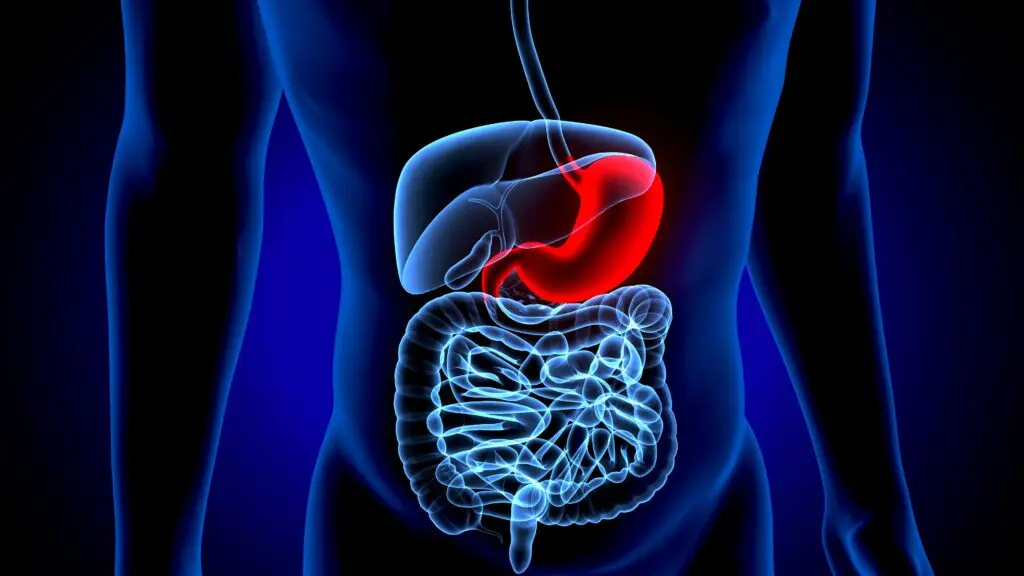
With a genetic predisposition, absolutely. Normally, everyone should go for a colonoscopy from the age of 40, but if there is a family history of the disease, much earlier. What many people don’t know: colon cancer is an almost preventable disease, and preventive care here is a crucial factor.
Very simply put: If everyone went for a colonoscopy early enough and regularly, a large portion of cancer cases wouldn’t exist. Currently, in Germany, there are about 65,000 annually.
Prof. Dr. Franz G. Bader,
Director of the Clinic for General, Visceral, and Minimally Invasive Surgery at the Munich Isar Klinikum
With consistent care at home. It is important to get individual recommendations from your dermatologist or aesthetic expert to develop the right strategy. A good skincare routine starts with cleansing – morning and evening, to remove dirt, excess oil, and dead skin cells.
Then, creams with hyaluronic acid, peptides, or antioxidants like vitamin C help keep the skin fresh and radiant. Products with retinol (vitamin A) stimulate skin renewal and support collagen production. This makes the skin appear smoother and more even.
The most effective method, however, is daily sun protection with a high SPF (30 and above). Regular facial massages, e.g., with Gua Sha, also help keep the skin radiant and elastic by stimulating circulation and lymph flow, and relieving tension.
Dr. Susanne Steinkraus, dermatologist with practices in Munich and Hamburg
Currently, many people feel they need to drink a lot to be healthy and happy. However, approximately 1.5 to 2 liters per day is sufficient. An increased intake only leads to more frequent trips to the bathroom.
In hot temperatures and with physical activity, this amount should be adjusted accordingly, and special attention should be paid to individual thirst and feelings of thirst.
Dr. Daniel Kaminski and Dr. Michael Wenders, Dr. Gabriele Gaul, Dr. Birte Schneevoigt, Urology at Wiener Platz, Munich
For liposuction, for example, it is sometimes possible to avoid surgery through exercise and diet or even medication (like the weight loss injection) and also improve the surgical result. With breast implants, there are alternatives such as autologous fat treatments, which can possibly avoid an implant. We always inform about alternatives and recommend them as a better option in individual cases.
Dr. Juliane Bodo, specialist in plastic and aesthetic surgery and owner of Plastethics, Berlin
Yes. Many aesthetic treatments can be performed minimally invasively today. Modern veneers, for example, require hardly any more tooth substance loss, and the treatment is also less stressful due to gentle techniques, which in turn means lower risks and shorter recovery times.
Dr. Paul Schuh, dentist, owner of the Munich practice Artedent
We are one of the few ERAS certified clinics, meaning we optimally prepare our patients with exercise, nutrition, smoking cessation, and a substitution of electrolytes, trace elements, vitamins, and possibly iron (patient blood management) so that they go into surgery as fit as possible and also quickly recover afterwards.
Prof. Dr. Franz G. Bader, Director of the Clinic for General, Visceral, and Minimally Invasive Surgery at Munich's Isar Klinikum

 Find a Doctor
Search the network for suitable specialists and contact them directly
© Cottonbro Studios
Dental implants can last for decades, according to Dr. Paul Schuh.
© Cottonbro Studios
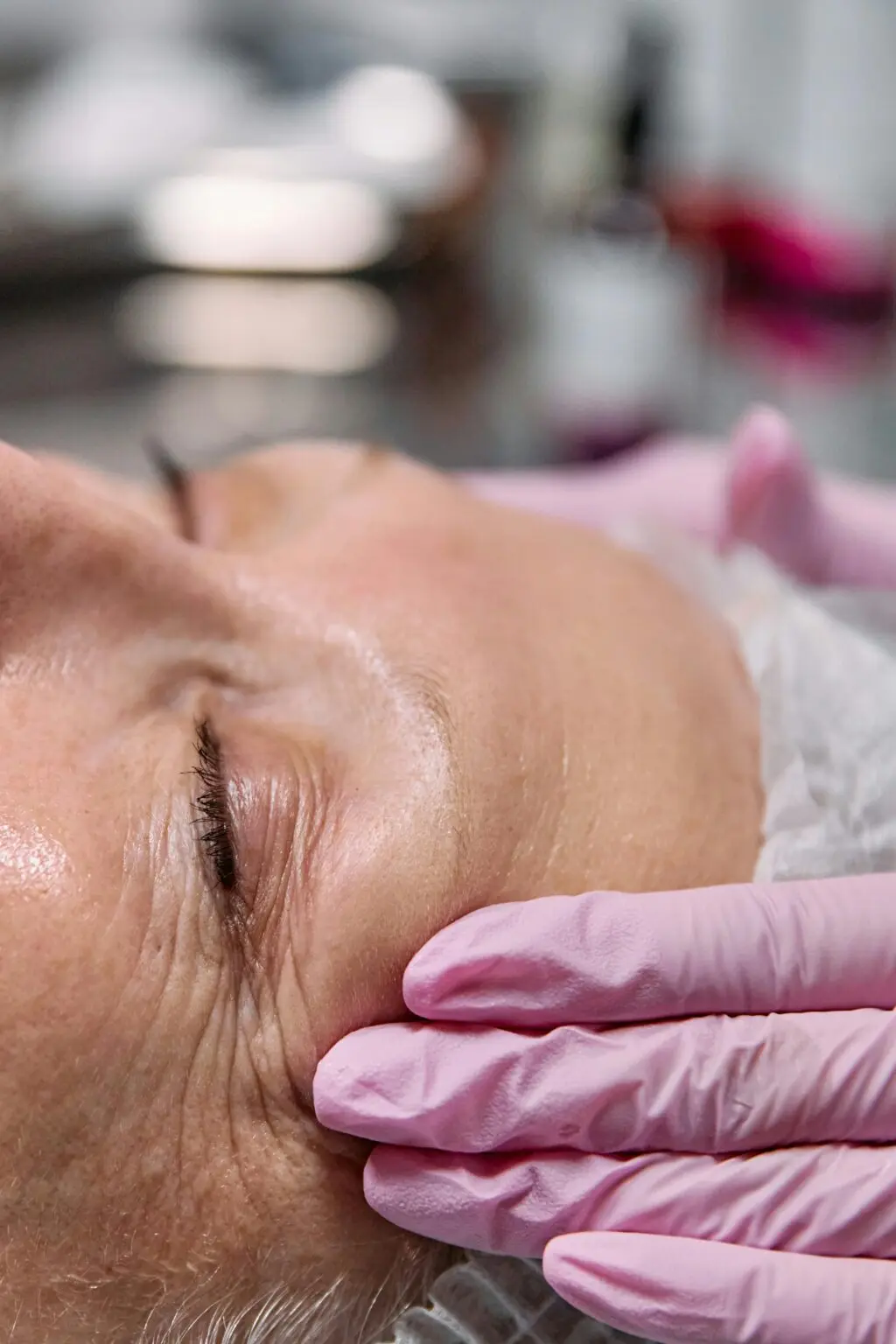
People often inquire about the best and latest treatments for wrinkles.

© Cottonbro Studius
Hormone replacement therapy (HRT) for a maximum of one year does not increase the risk of developing cancer, according to studies, says Dr. Petra Eisenmann.

© Adobe Stock
In breast surgeries, the trend is toward smaller implants, according to Dr. Juliane Bodo.

© Adobe
For particularly beautiful results, laser or skin boosters can be combined with a cosmetic treatment, says Dr. Susanne Steinkraus.

© Shiny Diamond
Aesthetic dentistry can boost self-confidence, says Dr. Paul Schuh.
© Adobe Stock
Normally, everyone should go for a colonoscopy starting at the age of 40, according to Professor Franz Bader.

Cut out sugar, reduce carbohydrates, avoid certain foods: there’s no shortage of advice about diet and cancer. Oncologist Dr. Gesche Brannolte-Raab explains what the evidence shows – and what she recommends to her patients.
Christine Bürg & Marianne Waldenfels
An interview with
Dr. med. Gesche Brannolte-Raab