August 2, 2023
Lena Saemann
- Health
Coolsculpting: Does Fat Freezing Actually Work?
Fat reduction through cold? How Coolsculpting works, who cryolipolysis may help, and what doctors say about the treatment
With
Dr. med. Juliane Bodo
Share article:
August 2, 2023
Lena Saemann
Fat reduction through cold? How Coolsculpting works, who cryolipolysis may help, and what doctors say about the treatment
With
Dr. med. Juliane Bodo

 Find a Doctor
Search the network for suitable specialists and contact them directly
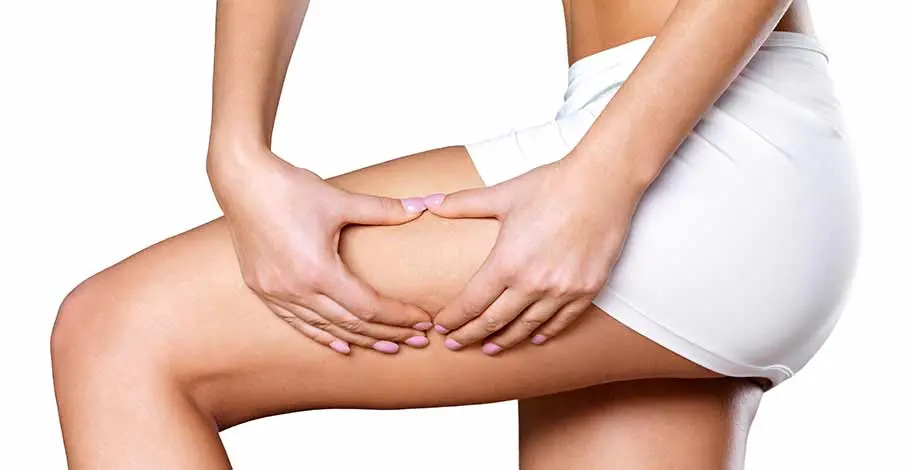
Stubborn fat deposits on the abdomen, hips, or thighs are often difficult to work off. For several years, procedures like so-called Coolsculpting promise fat reduction without surgery. The method, medically called cryolipolysis, works with controlled cold. But how effective is the treatment really – and who is it suitable for?
"Coolsculpting is particularly suitable for smaller fat deposits that remain despite exercise and conscious nutrition," says Dr. Juliane Bodo, a specialist in plastic and aesthetic surgery in Berlin.
The basic idea behind the method: fat cells react more sensitively to cold than surrounding tissue. In Coolsculpting, the desired body area is carefully cooled using a special applicator. The temperature is around four degrees Celsius.
During the treatment, the tissue is lightly suctioned and cooled for about an hour. The fat cells are supposed to die off and be eliminated through the lymphatic system by the body. Skin, muscles, and surrounding tissue remain undamaged according to the providers.
Typical treatment zones are:
After the treatment, the tissue is often additionally massaged to support the removal of fat cells.
However, experts emphasize that Coolsculpting is not a classic method of weight reduction. The treatment is primarily aimed at people with normal or slightly increased weight who want to treat individual problem areas.
“Cryolipolysis does not replace Exercise another one explains Dr. Bodo. "It is more suitable for contouring specific body areas."
For larger fat deposits, surgical liposuction might be more sensible.
According to doctors and manufacturers, initial changes are usually visible after six to eight weeks. The final result often develops only after several months. The degree of effect depends, among other things, on the body region, Metabolism and individual conditions.
An advantage of the method: The treated fat cells are supposed to be permanently removed. "In a diet, fat cells only shrink," says Dr. Bodo. "In cryolipolysis, their number is reduced in the treated areas."
The treatment is considered relatively gentle. According to doctors, many patients find the suction at the beginning particularly uncomfortable. Due to the strong cooling, a local anesthetic effect often occurs subsequently.
After the session, there may temporarily be redness, tenderness, or a muscle soreness-like feeling. Serious side effects are considered rare but cannot be ruled out.
Coolsculpting was originally developed in the USA and is approved there by the FDA. Studies show that the method can visibly reduce small fat deposits. However, experts point out that the results vary individually and the Treatment is not an alternative to medically necessary weight reduction for severe overweight.
In Germany, cryolipolysis is now offered by numerous dermatological and aesthetic surgical practices.
Coolsculpting is one of the best-known non-surgical procedures for treating small fat deposits. The method can be interesting for people who wish to target specific body areas and do not want surgical intervention. However, cryolipolysis does not replace general weight loss.
Significant weight loss changes the body – and the skin can't always keep up. Plastic surgeon Dr. Alexander Heinrich explains when body contouring makes sense, why he sees function and aesthetics as inseparable – and why he sometimes advises against surgery.
Christine Bürg & Marianne Waldenfels
An interview with
Dr. Alexander de Heinrich
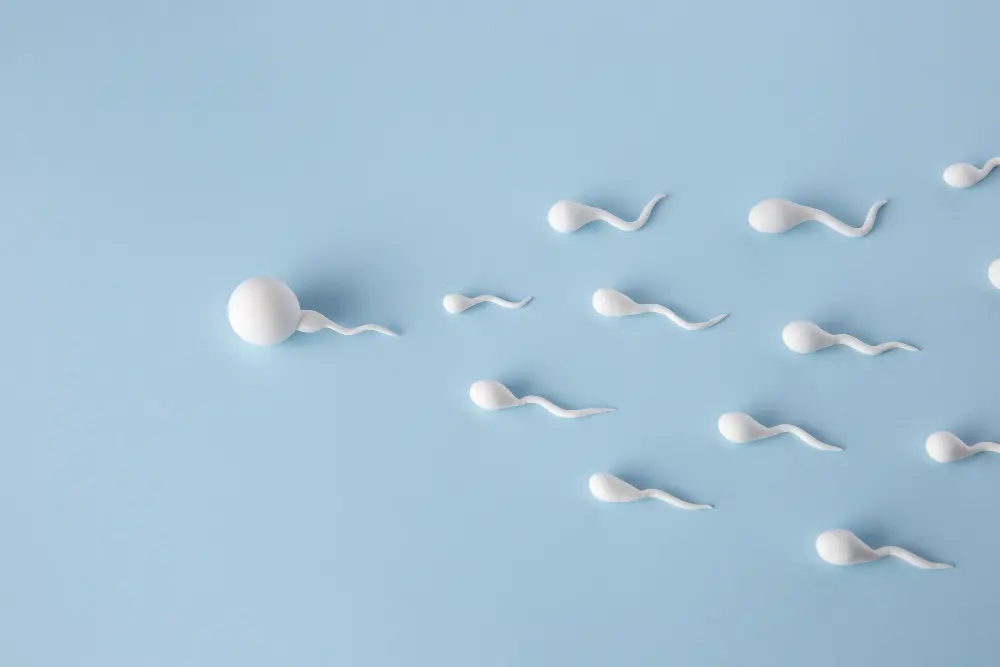
Better sperm through biohacking? That's exactly what the trend known as "spermmaxxing" promises. Urologist Dr. Daniel Kaminski explains which methods fall short — and what can actually influence sperm quality.
Christine Bürg & Marianne Waldenfels
With
Dr. med. Daniel Kaminski